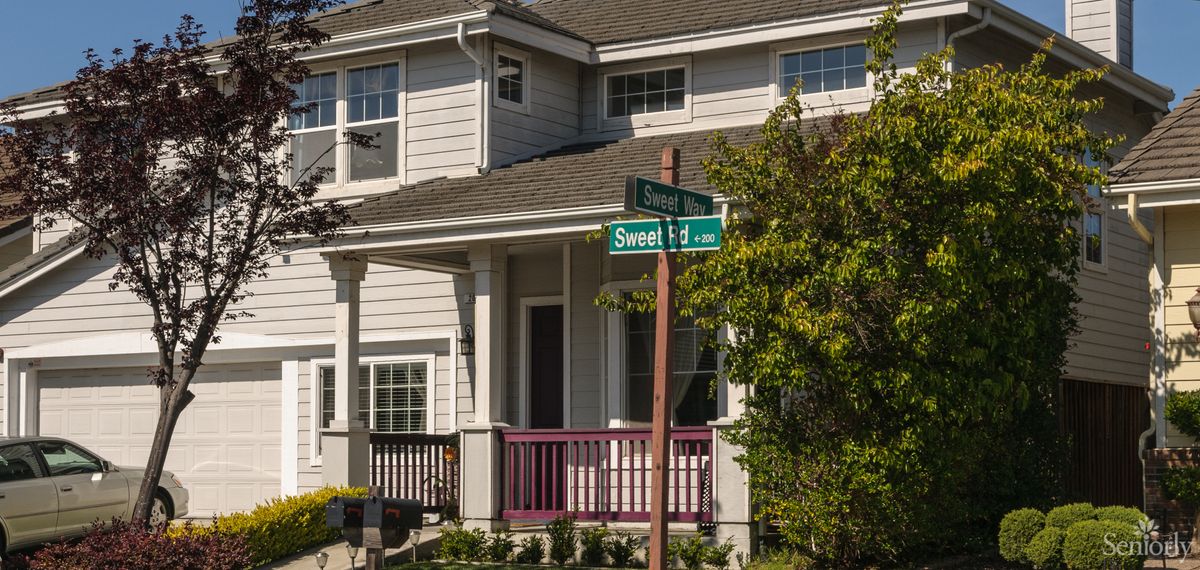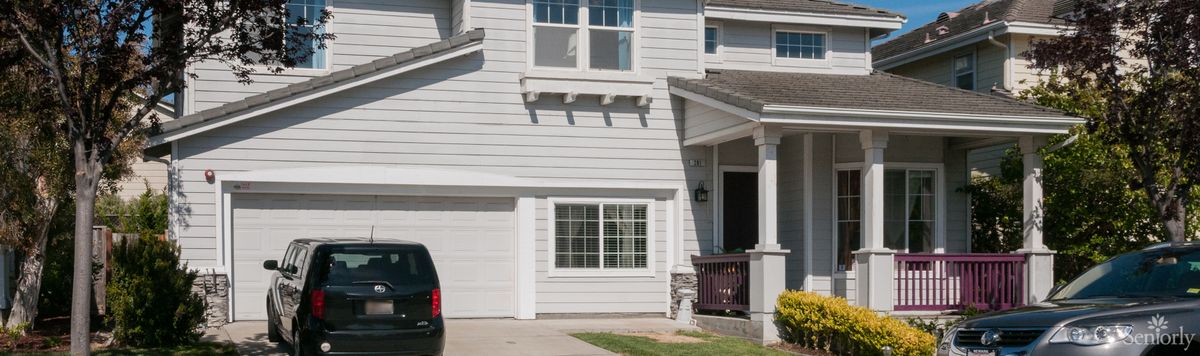

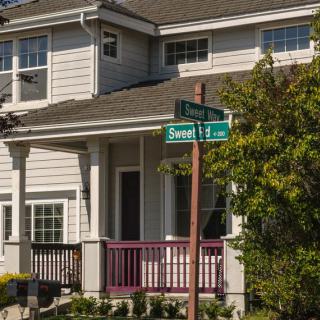



201 Sweet Road, Alameda, CA 94502
For more information about senior living options: (866) 208-4318
Golden Age Of Sweet Road Costs & Pricing
Golden Age Of Sweet Road presents a pricing structure that reflects its commitment to quality care, with costs per month notably higher than both Alameda County and the broader California averages. For a semi-private room, residents will find the rate at $4,000, which exceeds the county's average of $3,273 and the state's average of $3,333. In terms of private accommodations, Golden Age Of Sweet Road charges $5,000 - again surpassing both county ($3,748) and state ($3,939) figures. The one-bedroom options mirror this trend with a monthly fee of $5,000 as compared to Alameda County's average of $4,644 and California's statewide average of $4,340. This premium pricing suggests that Golden Age Of Sweet Road may offer enhanced services or amenities that differentiate it within the marketplace.
| Floor plans | Golden Age Of Sweet Road | Alameda County | California |
|---|---|---|---|
| Semi-Private | $4,000 | $3,273 | $3,333 |
| 1 Bedroom | $5,000 | $4,644 | $4,340 |
| Private | $5,000 | $3,748 | $3,939 |
Memory care communities with a similar price nearby
-
About the same
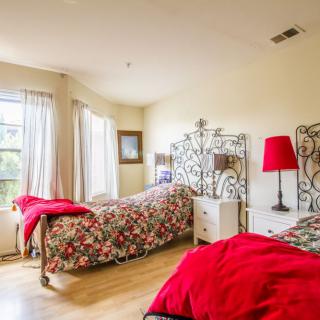
Golden Age Of Channing Way
$4,000 to $5,000 / month0.6 miles away -
from -$500 / mo
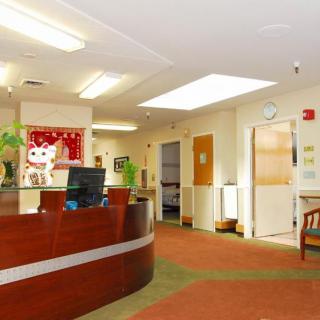
East Bay Assisted Living
$3,500 to $5,000 / month4.4 miles away -
from +$500 / mo
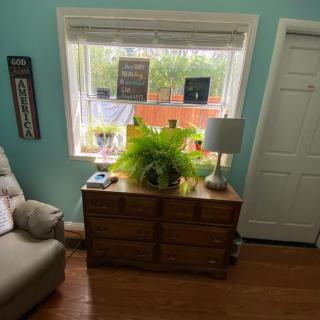
Lafayette Gardens
$4,500 to $5,000 / month13.0 miles away -
About the same
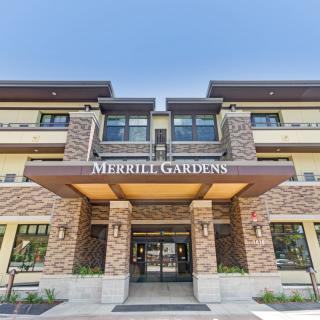
Merrill Gardens at Lafayette
$3,975 to $8,995 / month13.2 miles away -
About the same
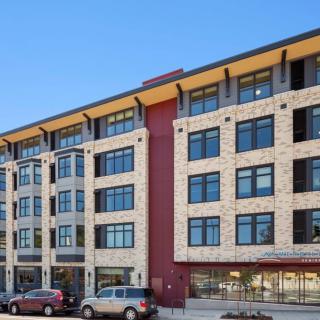
Merrill Gardens at Rockridge
$3,995 to $8,500 / month6.7 miles away
Overall Review of Golden Age Of Sweet Road
Pros
 The care at Golden Age is described as outstanding and personalized.
- The team knows residents well and can spot when something isn’t right medically.
- The caregivers are kind, attentive, and genuinely caring.
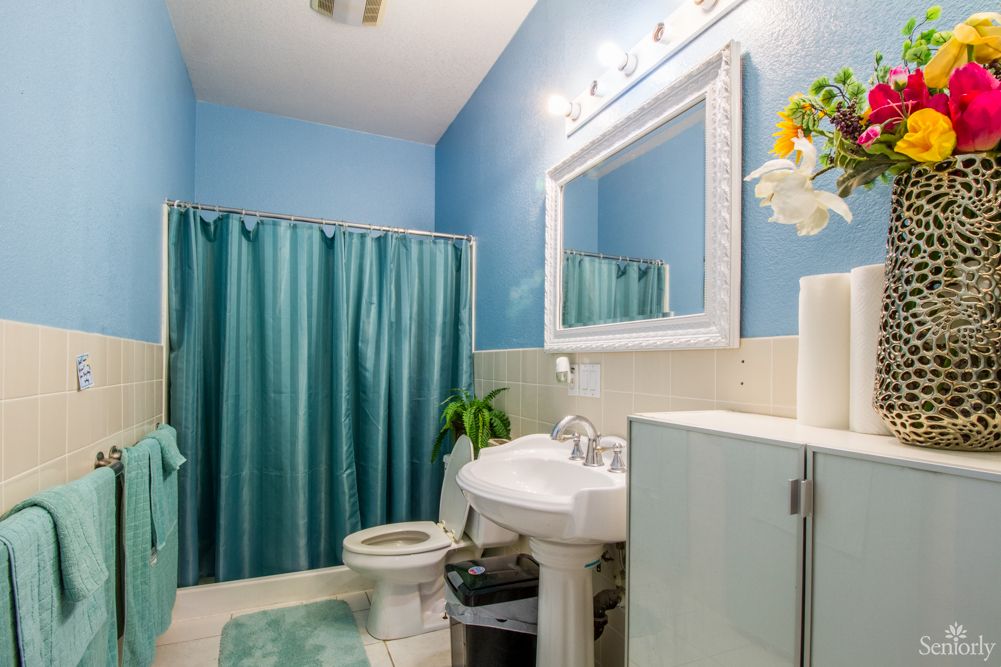
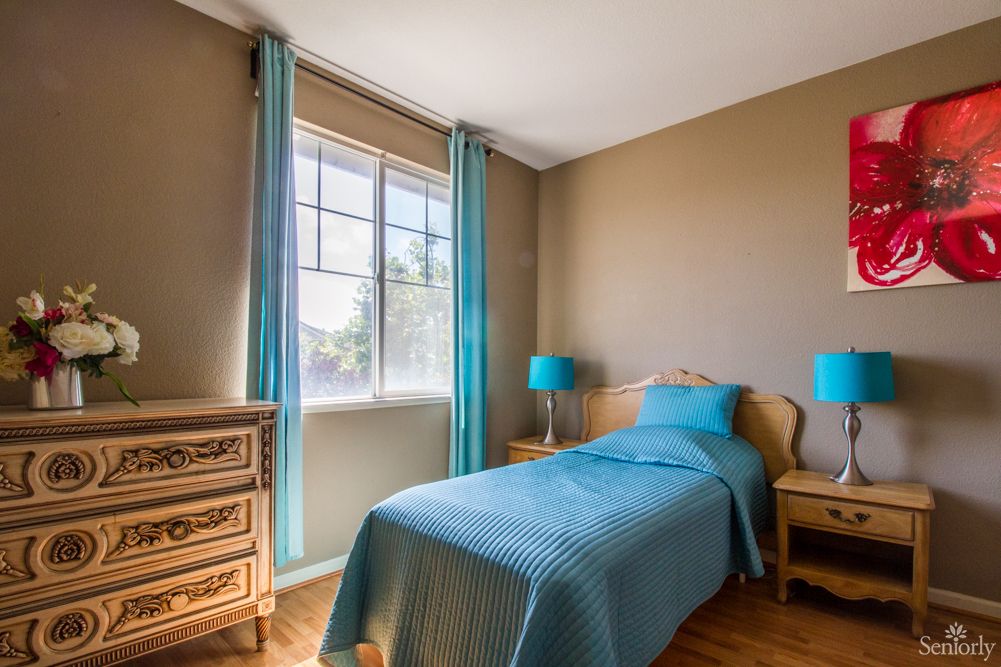
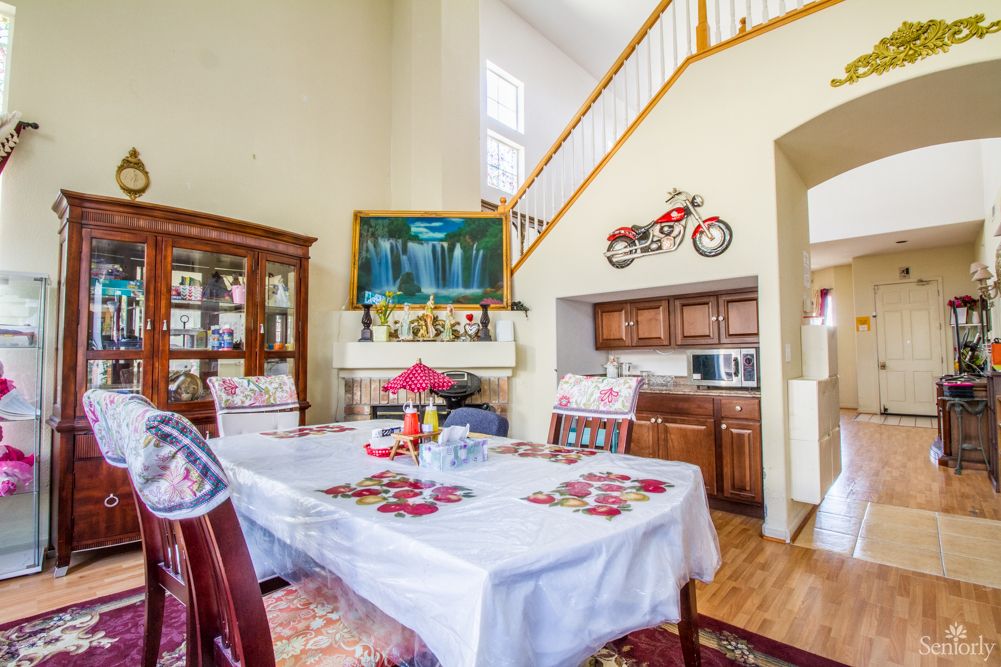
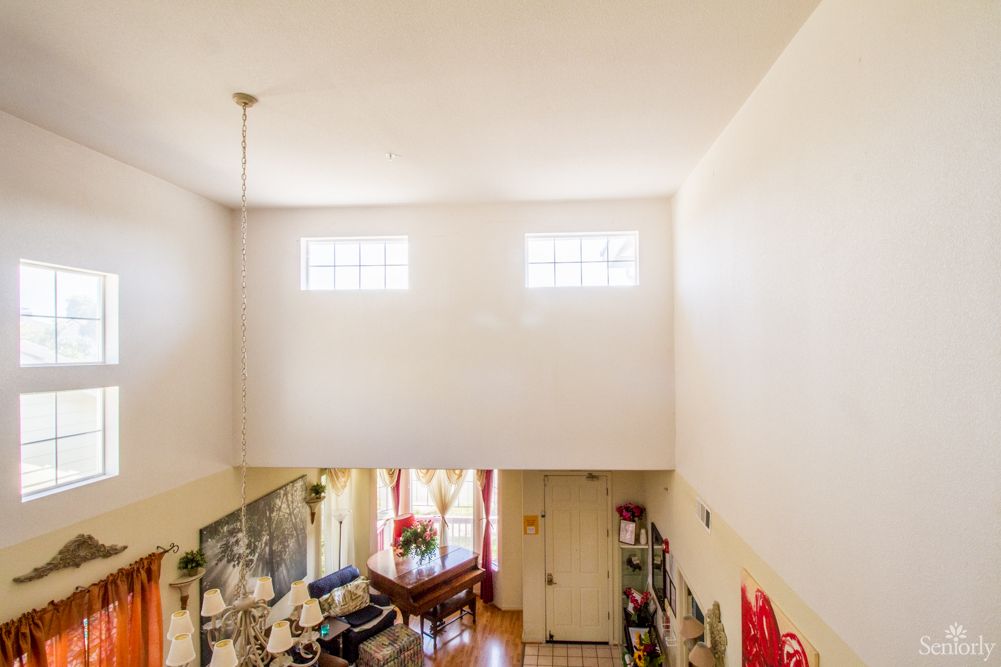
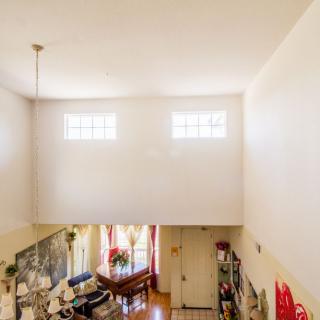
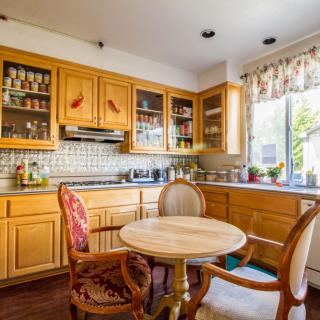
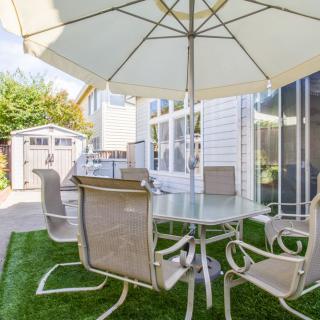
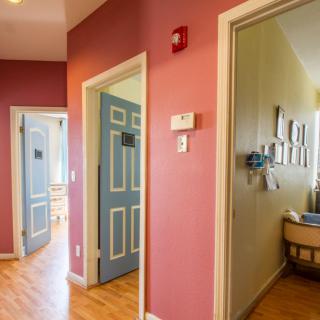
- The home is well-maintained, well-furnished, and very clean.
- Families highly recommend Golden Age and are willing to act as references.
- The facility is considered the best place in town.
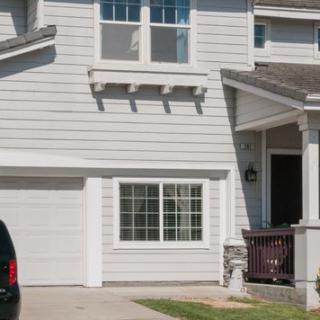
- The houses are modern and comfortable.
Review
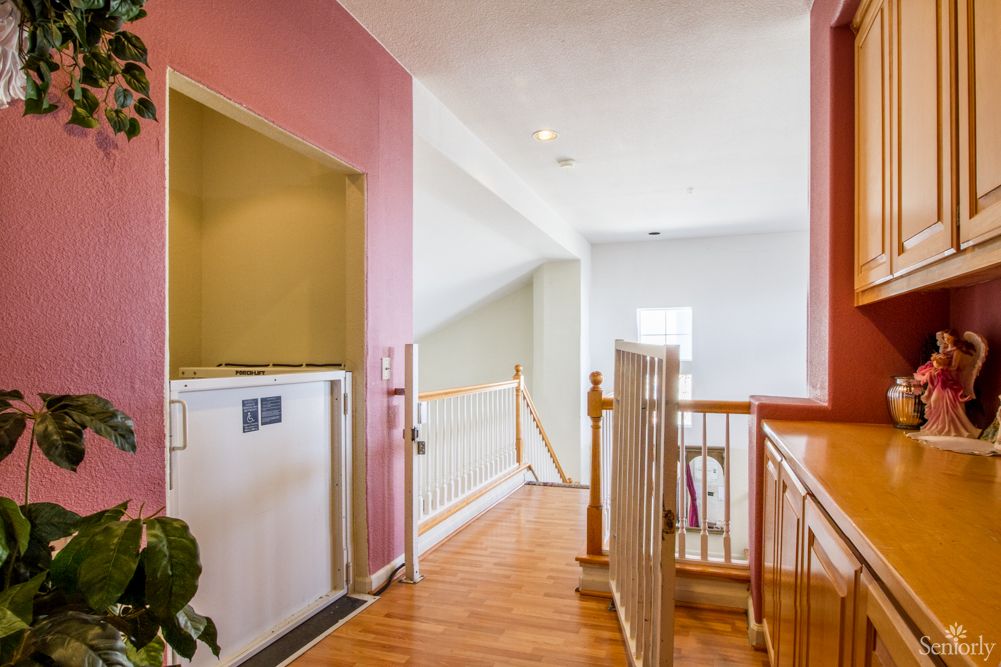
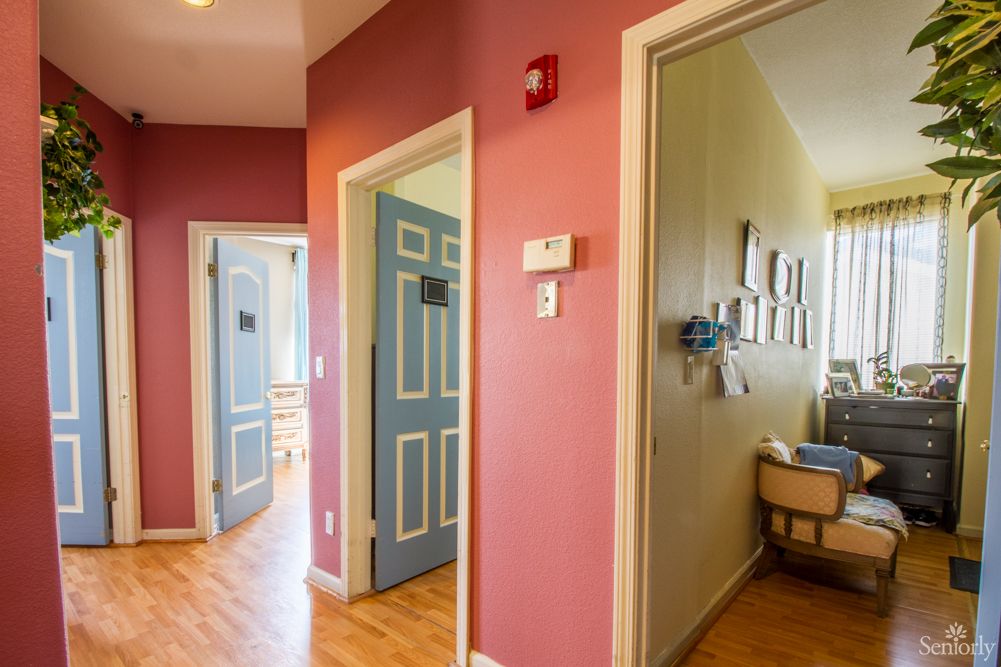
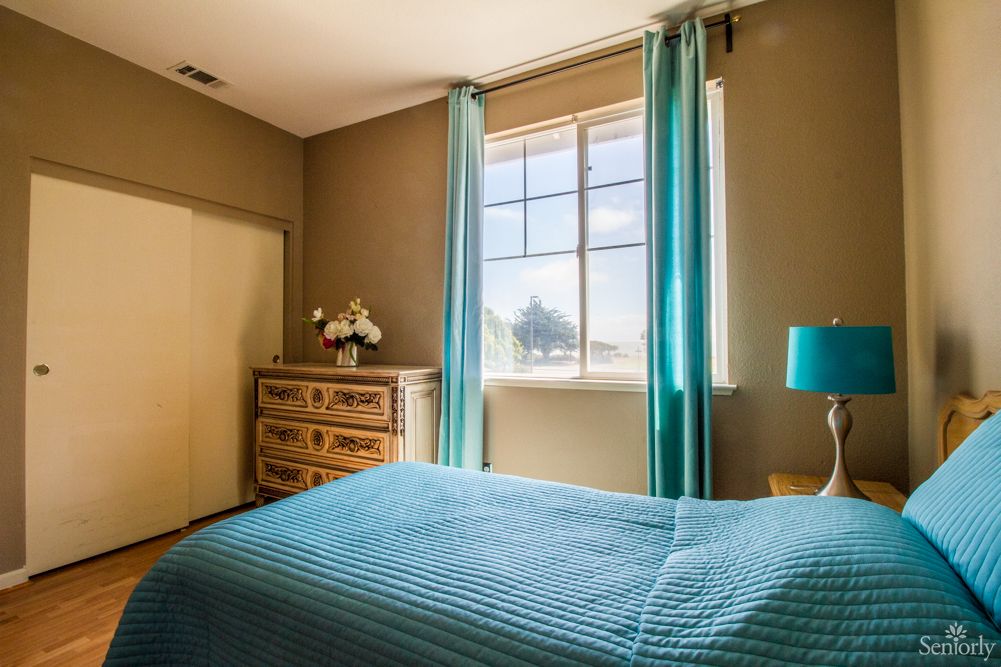
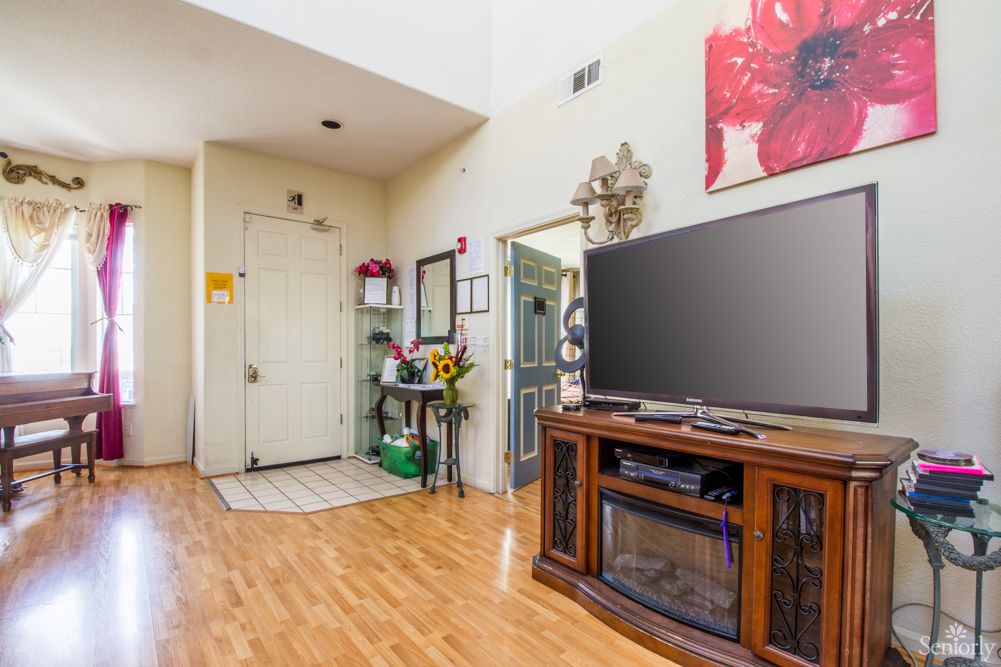
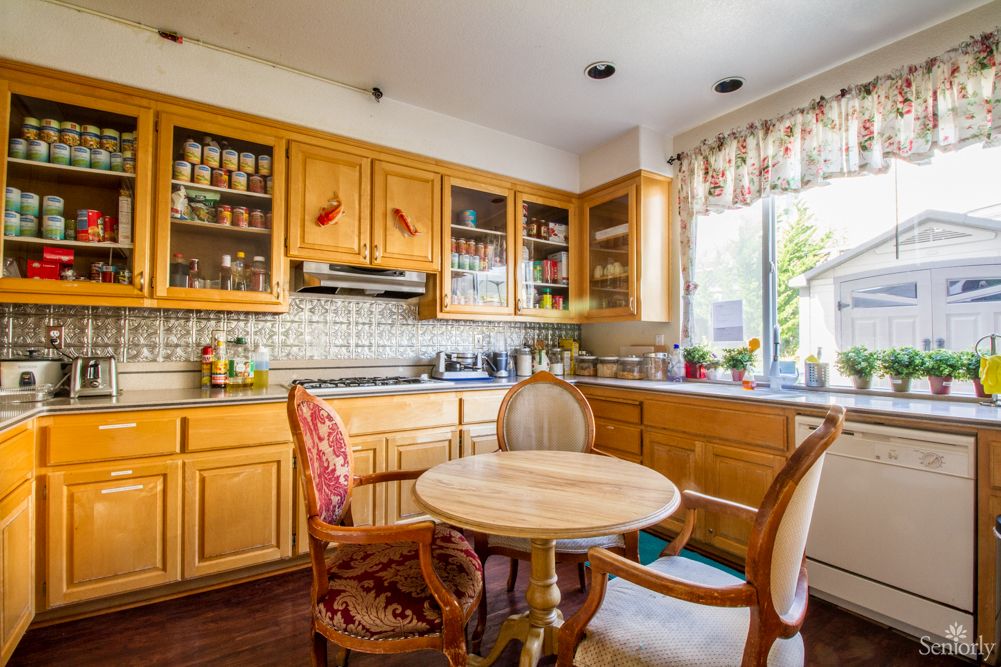
Golden Age Of Sweet Road is best suited for families seeking a small, home-like assisted living experience in Alameda where caregivers deliver highly personalized attention, and staff know residents well enough to anticipate subtle health changes. This community excels for seniors who value continuity, where daily life feels less institutional and more like living with trusted, family-style care. The setting rewards long-tenured relationships, as evidenced by a resident who lived there for five years, underscoring stability, consistent staffing, and a rhythm of care that grows with the person. For families prioritizing a warm, intimate environment, with clean, well-kept spaces and modern, comfortable houses, Golden Age presents a compelling match.
Those who should consider alternatives are families whose loved one requires hospital-grade medical support, highly structured memory care programs, or frequent access to a broader spectrum of on-site therapies. The reviews highlight a strong, caring team and proactive observation, yet they offer no indication of large-scale clinical services or formal, specialized programs that some residents need. For seniors who benefit from larger campuses, a wider menu of therapeutic services, or rigorous daily schedules driven by memory-care curriculums, a different setting may provide more comprehensive clinical infrastructure and program diversity than a small, home-like home does.
The core strengths, personalized care, staff who truly know residents, and the sense that caregivers treat residents as family, more than offset the absence of a hospital-like footprint. Caregivers’ attentiveness translates into timely recognition of changes in health or mood, reducing hospital trips and fostering swift adjustments to daily routines. The cleanliness and upkeep of the homes amplify this benefit; well-furnished, modern interiors make daily living comfortable and dignified. In a setting where residents are seen as individuals rather than points on a roster, the emotional and social dimensions of aging are foregrounded, which often translates into steadier days, improved mood, and a stronger sense of security for families.
Nonetheless, the trade-off worth evaluating is the degree of clinical intensity and program variety available on site. The reviews do not reveal a large staff-to-resident ratio or an extensive slate of specialized services. For families weighing cost against breadth of medical resources, Golden Age offers outstanding daily care and personal oversight, but it may fall short of expectations for those needing frequent on-site specialists, rehabilitation suites, or memory-care frameworks with formal progression plans. The offset comes through consistent, reassuring caregiver relationships and a home atmosphere that keeps residents engaged, safe, and connected to familiar routines.
Touring the community with these realities in mind is essential. Prospective families should inquire about how medical changes are monitored day-to-day, what happens during medical emergencies, and how physicians or nurse practitioners coordinate with caregivers. It’s important to ask about the availability of on-site therapies, the cadence of social and cognitive activities, and how individualized care plans are developed and updated. Confirms that the resident-to-staff relationships can be sustained over time, and that the homes can accommodate evolving needs without sacrificing the intimate, family-like feel that defines Golden Age.
In the end, Golden Age Of Sweet Road stands out for Alameda families seeking a warm, attentive, home-centered option where caregivers know residents personally, care is deeply personalized, and everyday life feels comfortable and dignified. It is a top-tier fit for those who prize continuity, cleanliness, and a nurturing atmosphere over clinical scale. For families prioritizing hospital-grade acuity, expansive therapy menus, or formal memory-care programs, alternatives with larger institutional footprints may be more appropriate. The clear take: if the goal is sustained, compassionate companionship coupled with reliable everyday support, Golden Age delivers with credibility earned from years of devoted caregiving.
 8 resident community capacity
 Assisted Living
 Board and Care Home
 Memory Care
 Activities on-site
 Cable or satellite TV
 Dining room
 Fully furnished
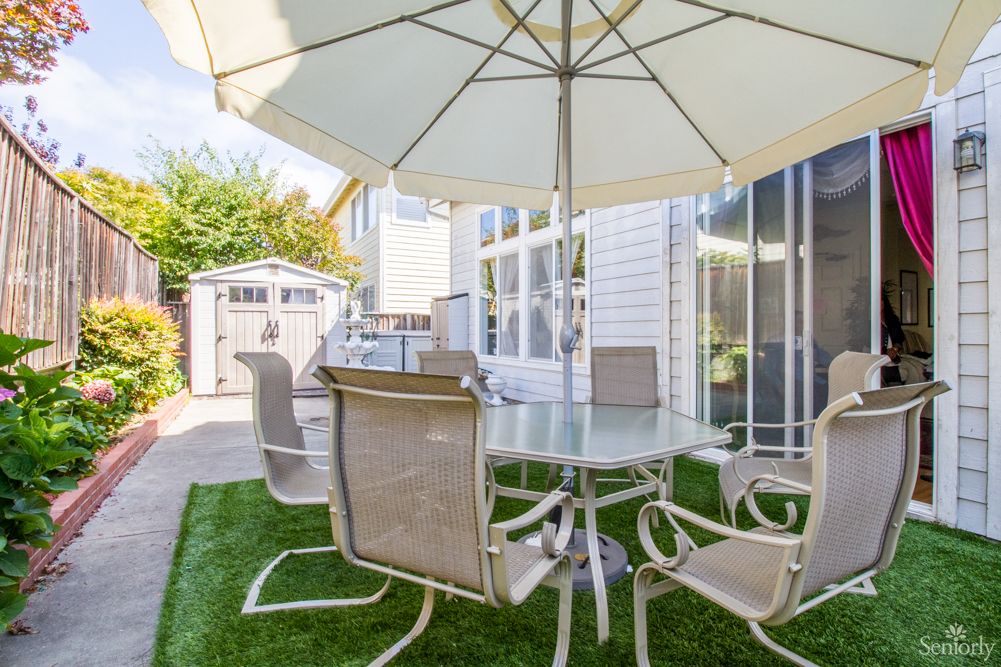
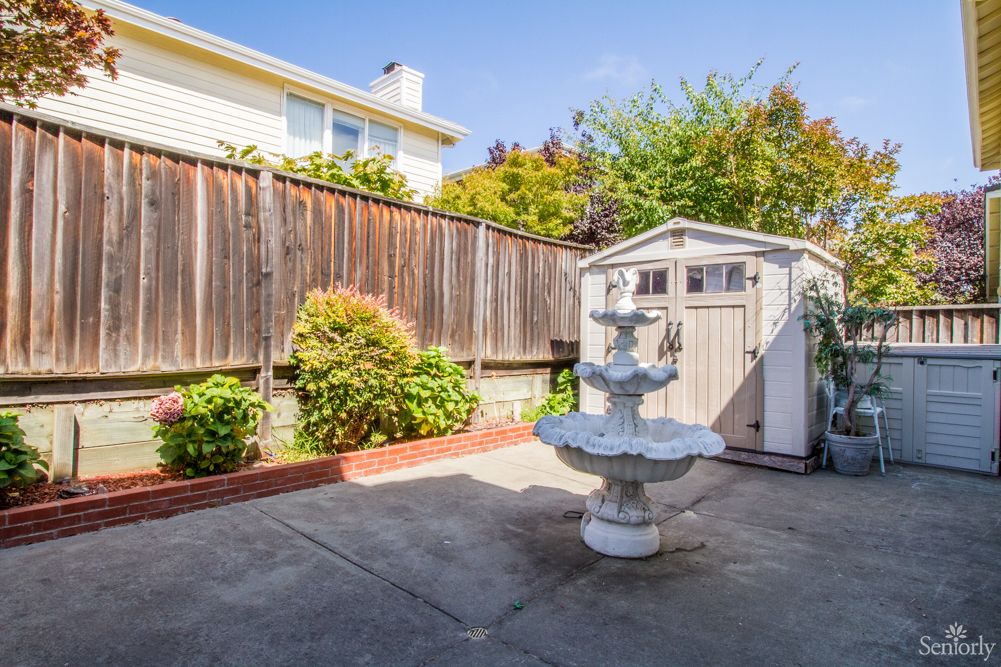
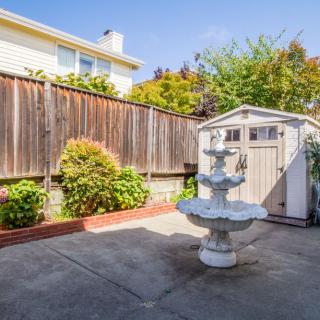
 Garden
 Housekeeping services
 Indoor common areas
 Move-in coordination
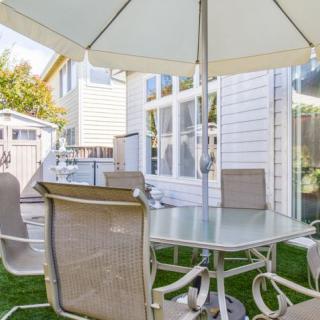
 Outdoor common areas
 Private
 Private bathrooms
 Respite or short term stays offered
 Small library
 Telephone
 Wheelchair accessible showers
 Metropolitan Oakland International (2 miles away)
 24-hour supervision
 Assistance with bathing
 Assistance with dressing
 Assistance with transfers
 Diabetes diet
 Diabetic care
 High acuity care
 Incontinence care
 Meal preparation and service
 Medication management
 Special dietary restrictions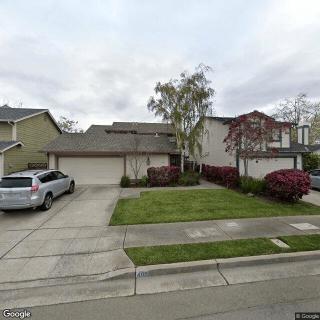


 Guiding Your Journey: Understanding Power of Attorney for Elderly Parents
 22 Remarkable Caregiver Support Groups Available Online and In-Person
 Understanding Medicaid Coverage for Assisted Living: A Comprehensive Guide