204 Executive Ct # 100, Little Rock, AR 72205
For more information about senior living options: (844) 490-3973
What level of care are you interested in?

Assisted Living

Memory Care

Independent Living

Skilled Nursing Facility

Continuing Care Retirement Community (CCRC)CCRC

Other
What emerges from these accounts is a deeply mixed portrait of Gentiva Hospice, with experiences ranging from overwhelming gratitude and relief to sharp frustration and disillusionment. On one end, families describe a level of compassion, presence, and practical support that brought comfort during trying times. On the other, they recount missed visits, delayed responses, conflicting information, and organizational gaps that left loved ones without timely care or material support when it mattered most. The threads weave together to form a complex mosaic: not a single story, but many, each shaped by the personalities of individual staff members and the pressures of serving many patients at once.
Several families recount heartbreakingly clear failures in timely care around crucial moments. One account describes a night when a patient's condition deteriorated and the on-call nurse advised against taking the patient to the emergency department, even as the loved one passed away before any nurse could arrive. The event included a late-night phone call at 11:09 PM to ask whether a medication had been taken, followed by the nurse's non-arrival until after the death, and prescriptions being issued without a home visit. In that narrative, the repetition of "excuses" for why a nurse couldn't come - short staffing, busy schedules, and prior commitments - left the family feeling abandoned in a moment of crisis. The frustration extended to promises of more training and inconsistent explanations from staff, culminating in a perception that the agency prioritized appearances of coverage over actual, timely patient care.
Another strand centers on systemic issues around supplies and budgeting. One family claimed that the agency, under Humana's umbrella, consistently blamed back-ordered or out-of-stock supplies, even when the family could verify through other channels that items were available. They alleged that this led to families being forced to purchase supplies out of pocket, counting on Hospice to provide what was supposed to be included in care. The accusation was not merely about inconvenience; it suggested a structural disconnect between the care plan and the practical resources families needed to implement that plan at home. In these stories, financial and logistical constraints appeared to compromise the very fabric of in-home hospice support.
Names recur across the negative experiences, underscoring a sense of accountability or the lack thereof. A CNA named Lutrinia was described as "very lackadaisical," with brief visits that left little time for true assistance. A nurse named Delneta allegedly offered discouraging, dismissive or inflexible responses about scheduling and patient care, even insisting that family members were the primary caregivers while implying that caretaking tasks were not part of her role. A chaplain named Wayne was portrayed as someone who introduced himself as the chaplain only to reveal plans to move into bereavement work, which family members perceived as a lack of consistent spiritual support when it was most needed. The clinical manager Janessa was cited as offering an explanation that day-to-day care would be inconsistent due to a large patient load, while also suggesting that discussing funeral arrangements might be an inevitable part of hospice conversations. Together, these experiences contributed to a sense that, for some families, the organizational culture at that moment felt transactional rather than compassionate, with scheduling and emotional support taking a back seat to the logistics of managing a large caseload.
Yet even within these criticisms, there are vivid, recurring testimonials to care that authorities and families alike found deeply meaningful. Several reviewers praised the dedication and compassion of individual caregivers who made a real difference in the lives of their patients. A nurse named Brittany, in particular, is singled out for unwavering presence during a snowstorm, staying with the family to comfort and guide them through the final moments. Zane, another nurse, is described as an exceptionally caring professional who connected with an aunt in a memory care facility, communicating clearly, offering comfort, and even attending the moment of death with the family. The chaplain who stayed close by, the posthumous support, and the general warmth of the nursing staff are frequently highlighted as the lifelines that gave families dignity and reassurance when medical care was most needed at home. Randi and Renee Duvall are repeatedly mentioned as exemplars of caring and professional engagement - Randi for overall responsiveness and reliability, and Renee for genuine warmth, a reassuring smile, and insightful explanations about hospice services.
Across multiple reviews, the tone shifts from crisis and grievance to gratitude and relief. Several accounts consistently describe Gentiva Hospice as a source of substantial, practical help for families coping with difficult diagnoses like ALS. In these stories, hospice teams brought hands-on comfort, home-based care, and a sense that "they can do so much more comfort care for your loved one than a regular doctor," with an emphasis on minimizing painful doctor visits and focusing on home-centered quality of life. The presence of supportive staff in the home, including someone who could bridge medical tasks with emotional and spiritual support, is repeatedly framed as essential to the patient's and family's well-being. Phrases like "kind, caring, patient, and at the heart of what they do" echo throughout these positive testimonials, alongside remarks that staff were "easy to work with," highly communicative, and deeply committed to service.
The accounts collectively suggest that Gentiva Hospice can be a source of immense comfort and practical relief when it functions as an integrated, attentive team. Families describe teams that work well with patient facilities, that respond quickly to calls, and that provide comprehensive emotional and spiritual support. They praise the consistency, even in challenging circumstances, of staff who show up not just to perform clinical tasks but to listen, explain, and guide families through complex and painful experiences. The positive stories emphasize the human side of hospice care - the bedside presence, the regular check-ins, the spiritual support, and the reassurance that someone will be there to help navigate the end-of-life journey.
Taken together, these narratives illustrate the high-stakes, high-variance nature of in-home hospice care within a large organization. The most compelling takeaways point to two core needs: dependable, timely care and clear, compassionate communication. When those needs are met - whether by a nurse who stays through a storm, a caregiver who treats the patient with dignity, or a chaplain who remains present - the experience can be profoundly positive, providing families with relief and solace during a profoundly difficult time. When those needs are not met - missed calls, delayed visits, inconsistent schedules, and perceived evasiveness - the experience becomes a source of fear, anger, and mistrust, turning a profoundly intimate process into a battleground of logistics and expectations.
For anyone navigating hospice care, these accounts underscore the importance of proactive engagement: confirming exact visit times and who will be visiting, understanding the on-call process, and maintaining an open line of communication about scheduling and supply needs. They also highlight the value of documenting staff interactions, requesting continuity of caregivers when possible, and recognizing the difference between compassionate, patient-centered care and organizational shortcuts that may undermine it. In the end, Gentiva Hospice - like many providers in high-stakes care settings - appears to be capable of extraordinary kindness and professional excellence, even as it struggles with systemic pressures that can, at times, hinder timely, empathetic service.
Gentiva Health Services in Little Rock, AR is an assisted living community that offers a tranquil and convenient location for seniors. Situated in the heart of the city, residents have easy access to a variety of amenities and services.
For those who enjoy socializing or grabbing a cup of coffee, there are three cafes located nearby. These cozy establishments provide a welcoming atmosphere for residents to relax, meet friends, or enjoy some alone time with their favorite beverage.
Nature enthusiasts will appreciate the three parks in close proximity to Gentiva Health Services. These green spaces offer beautiful scenery and opportunities for outdoor activities such as walking, picnicking, or simply taking in the fresh air.
Healthcare needs are easily met with 16 pharmacies and 41 physicians situated nearby. Residents can conveniently access prescription medications and medical professionals whenever required, ensuring their well-being is taken care of efficiently.
Dining out is a delightful experience with 31 restaurants located within reach. From casual eateries to fine dining establishments, seniors will find a diverse range of culinary options available to satisfy their taste buds.
For those seeking spiritual fulfillment, there are three places of worship near Gentiva Health Services. These religious institutions offer comfort and solace to individuals looking to connect with their faith and engage in community activities.
Entertainment and cultural experiences are just around the corner with one theater nearby. Seniors can easily catch a movie or enjoy live performances without having to travel far from their home.
Importantly, two hospitals are in close proximity to Gentiva Health Services, providing reassurance that immediate medical attention is readily accessible if needed.
Overall, Gentiva Health Services in Little Rock provides seniors with an enriched lifestyle within an assisted living community equipped with various amenities and services conveniently located nearby.
Gentiva Health Svc is located at 204 Executive Ct # 100, Little Rock, AR 72205 in Pulaski County, Arkansas
Home Helpers - Little Rock
Little Rock, AR
Responsive director and attentive caregivers who keep spaces clean and assist with meal prep.
Home Helpers - Little Rock reviews
Home Helpers - Little Rock images
Parkway Village
Little Rock, AR
Warm, caring staff in a welcoming, family-like atmosphere; spacious villas with engaging activities.
Parkway Village costs
Parkway Village reviews
Parkway Village images
The Blake at Chenal Valley
Little Rock, AR
Secure memory care with attentive staff and transparent tours
The Blake at Chenal Valley costs
The Blake at Chenal Valley reviews
The Blake at Chenal Valley images
Brookdale Chenal Heights
Little Rock, AR
Caring, attentive staff in a clean, upscale setting with engaging activities and strong family communication.
Brookdale Chenal Heights costs
Brookdale Chenal Heights reviews
Brookdale Chenal Heights images
Navigating the Financial Road to Nursing Home Care: In-Depth Guidance and Resources
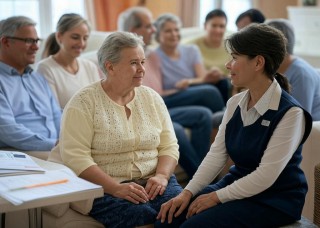
The article offers detailed guidance on the financial complexities of nursing home care, covering costs, payment methods, and alternative funding strategies while emphasizing the importance of proactive planning and legal considerations for individuals and families making care decisions.
Supportive Employee Benefits That Help Caregivers Attain Better Work-Life Harmony
The article emphasizes the critical role of supportive employee benefits for caregivers, advocating for flexible scheduling, paid leave, and mental health services to ease their challenges while enhancing employee well-being and organizational loyalty. It also highlights the importance of strong leadership in promoting these initiatives to foster a sustainable workplace culture that values caregivers.
Top Cars for Senior Drivers and Essential Safety Innovations
Senior drivers prioritize comfort, safety, and ease of use in vehicles due to age-related challenges, seeking features like easy entry, clear visibility, and modern driver-assistance technologies. Recommended models include the Subaru Forester, Honda CR-V, and Toyota Camry, with emphasis on test-driving for personal comfort and evaluating crash-test ratings alongside insurance considerations.