For more information about senior living options: (866) 208-4318
4.2 from 38 reviews
5 stars
28
4 stars
2
3 stars
1
2 stars
0
1 stars
7
Village Park of Conway, Inc. Costs & Pricing
At Village Park of Conway, Inc., the pricing for various room types is notably competitive when evaluated alongside both Faulkner County and the broader state of Arkansas. For instance, the semi-private rooms are offered at $2,150 per month, aligning perfectly with the county's average but significantly lower than the statewide average of $3,651. Studio apartments are priced at $2,850, which is more economical than the county's average of $3,100 and remains comfortably below Arkansas' regional rate of $2,863. Meanwhile, our 1-bedroom units are set at $3,300 - slightly above Faulkner County's average of $2,930 yet competitive against the natural state's average of $3,322. Lastly, our 2-bedroom accommodations cost $4,100 per month; this figure is on par with Faulkner County while exceeding Arkansas' average cost of $3,490. Overall, Village Park provides a compelling value proposition in a dynamic market landscape.
Floor plans
Village Park of Conway, Inc.
Faulkner County
Arkansas
Semi-Private
$2,150
$2,150
$3,651
Studio
$2,850
$3,100
$2,863
1 Bedroom
$3,300
$2,930
$3,322
2 Bedrooms
$4,100
$4,101
$3,490
Assisted Living communities with a similar price nearby
Residents and families consistently describe staff who feel caring and easy to reach.
Across many reviews, families say staff are kind, welcoming, and attentive to residents’ day-to-day needs. Several residents’ supporters also mention regular communication and follow-through, like checking in on how someone is doing and discussing care plans when needed. A few reviews do disagree, saying staff were difficult to find or were not respectful toward residents, so it’s worth factoring in those negative experiences.
common12 reviews mention this
Cleanliness stands out both ways
Many reviews praise the facility’s cleanliness, though a small set report serious issues.
A common positive thread is that the building looks clean and well kept, with comments about rooms being clean and regular upkeep. Some reviewers describe frequent cleaning and tidy, well-maintained common areas. On the other hand, two reviews report strong cleanliness concerns during visits, including unpleasant odors and housekeeping problems, which are severe enough to contrast with the many positive accounts.
differentiator2 reviews mention this
Meals are a frequent highlight
Dining gets real attention in reviews, and the community offers restaurant-style service.
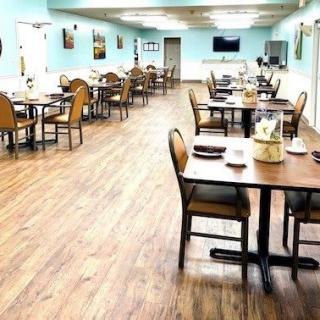
Reviews mention regular meals and food quality, including a description of three meals a day. One reviewer also says the food was great during a tour at dinner time. This aligns with the community offering restaurant-style dining, plus options such as room service and guest meals.
common6 reviews mention this
Care support centers on safety
Reviews describe care routines that focus on safety and day-to-day support.
Several reviews connect staff and care practices to resident safety, including reassurance about falls and help with staying safe. Others describe clinical support like nurse involvement and ongoing checkups, as well as coordination for therapies to help residents maintain better function. One reviewer also notes the manager doing her best even when short-staffed, pointing to responsiveness under workload.
caveat2 reviews mention this
Serious concerns are raised by some
A small number of reviews raise serious concerns about care monitoring and cleanliness.
Two critical reviews describe problems that go beyond normal complaints, including cleanliness and odor issues and lapses in assistance. One reviewer also alleges lack of monitoring and reports resident safety outcomes like falls and delayed care, while the other raises concerns about staff behavior and resident access. Because these accounts conflict with the many positive reviews, it’s especially important to verify current care practices and ask detailed questions during a visit.
How we summarize
Counts show how many written reviews mention each theme; a review can touch several themes, and only frequently mentioned themes are displayed.
Features
Types of Care
Assisted Living
Pets
Cats allowed
Dogs allowed
Amenities
Activities on-site
Air-conditioning
Bath tubs
Beautician on-site
Cable or satellite TV
Devotional services off-site
Devotional services on-site
Ground floor units
Handicap accessible
Indoor common areas
Respite or short term stays offered
Wheelchair accessible showers
Wi-Fi/high-speed internet available
Care Services
Ambulatory care
Diabetic care
Incontinence care
Medication management
Dining
Guest meals
Meals provided
Professional chef
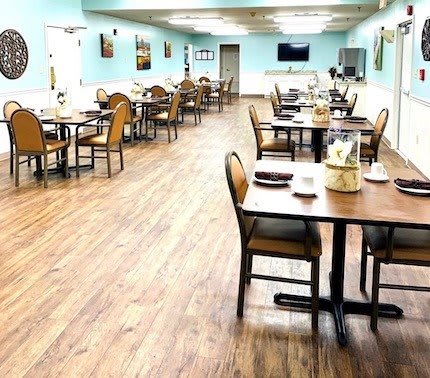
Restaurant style dining
Room service
Activities
Activities on-site
BBQs or picnics
Birthday parties
Community service programs
Devotional activities offsite
Devotional activities on-site
Gardening club
Holiday parties
Live musical performances
Trivia games
Nearby Places of Interest
This part of Conway, Arkansas, is a vibrant and convenient location for seniors looking to settle down. With several reputable physicians, pharmacies, and a pain clinic within close proximity, residents can easily access medical care and support. There are also plenty of dining options nearby, ranging from casual cafes like Hole In The Wall Cafe to popular restaurants like Mike's Place and La Huerta Mexican Restaurant. For those who enjoy outdoor activities, there are several parks in the area such as Laurel Park and Fifth Avenue Park. Additionally, there are places of worship like First Presbyterian Church for spiritual enrichment. Overall, this neighborhood offers a well-rounded community with easy access to essential services and amenities for seniors seeking a comfortable retirement lifestyle in Conway.
Physicians
Conway Ear Nose & Throat Clinic (0.3 miles)
Woodard Eric MD (0.3 miles)
Central Arkansas Ear Nose & Throat Clinic (0.5 miles)
At Village Park of Conway, Inc., the pricing for various room types is notably competitive when evaluated alongside both Faulkner County and the broader state of Arkansas. For instance, the semi-private rooms are offered at $2,150 per month, aligning perfectly with the county's average but significantly lower than the statewide average of $3,651. Studio apartments are priced at $2,850, which is more economical than the county's average of $3,100 and remains comfortably below Arkansas' regional rate of $2,863. Meanwhile, our 1-bedroom units are set at $3,300 - slightly above Faulkner County's average of $2,930 yet competitive against the natural state's average of $3,322. Lastly, our 2-bedroom accommodations cost $4,100 per month; this figure is on par with Faulkner County while exceeding Arkansas' average cost of $3,490. Overall, Village Park provides a compelling value proposition in a dynamic market landscape.
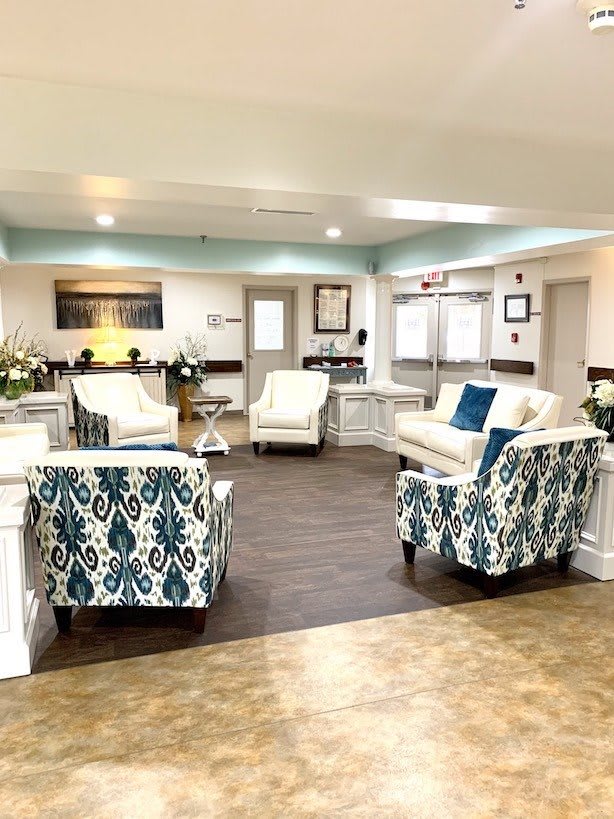
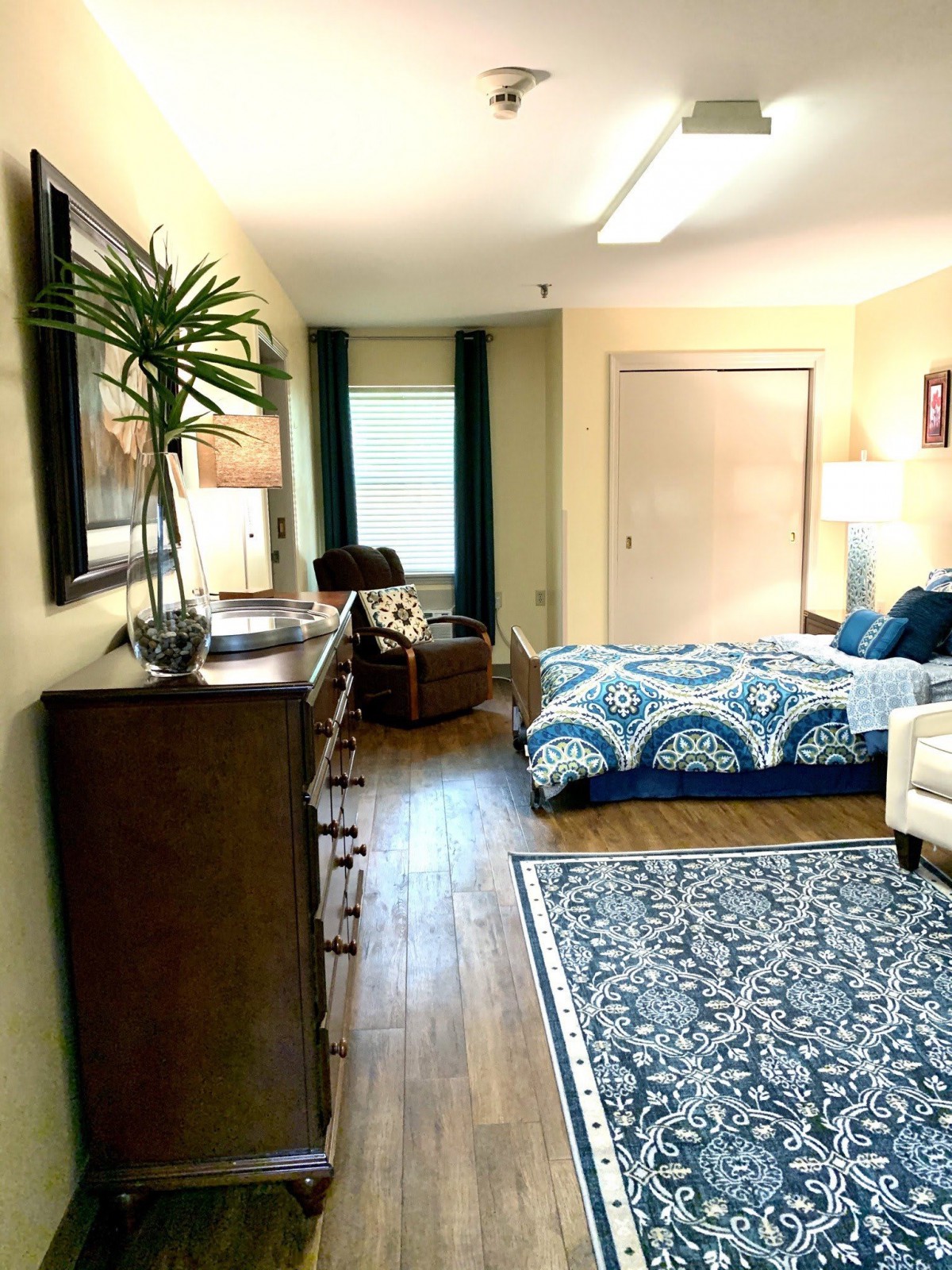
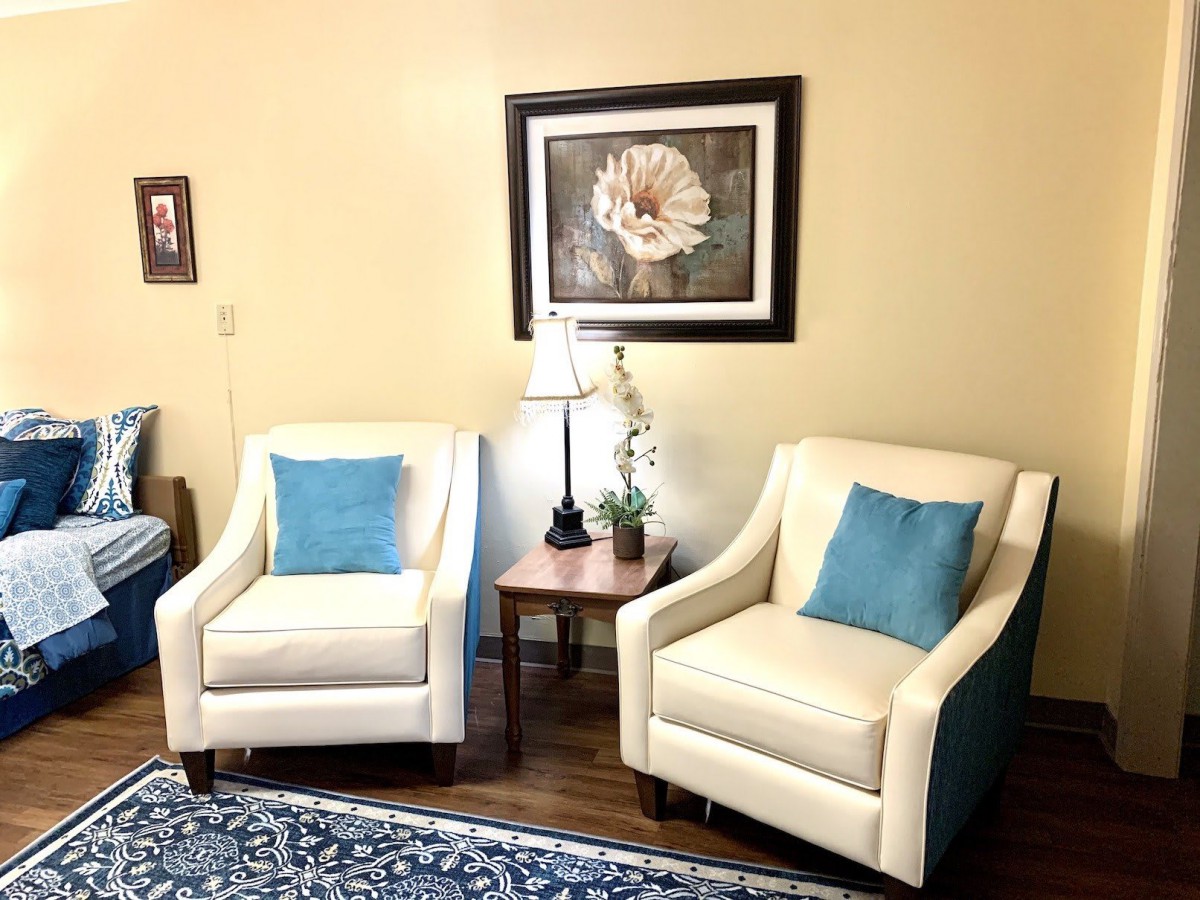
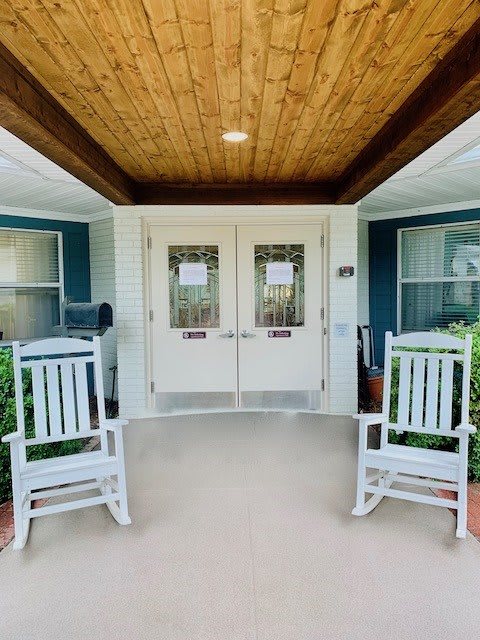
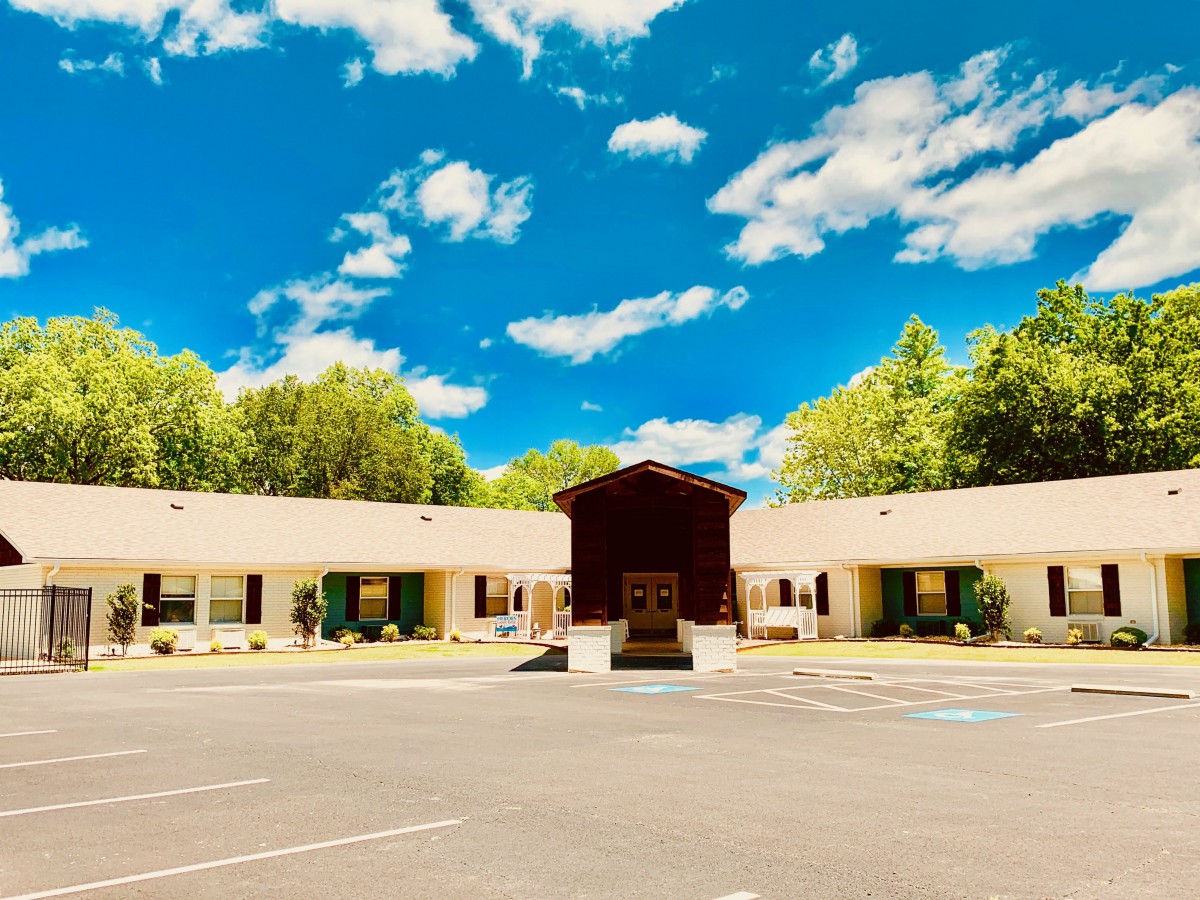
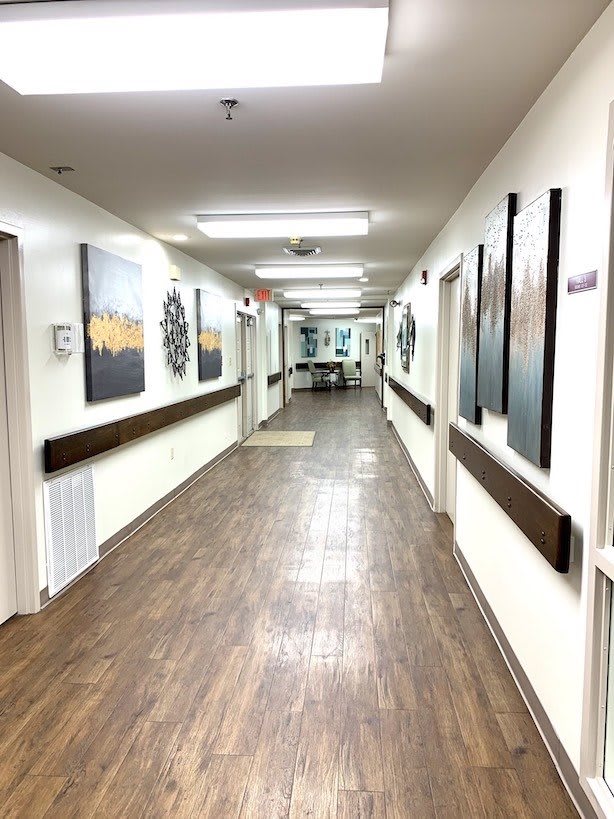
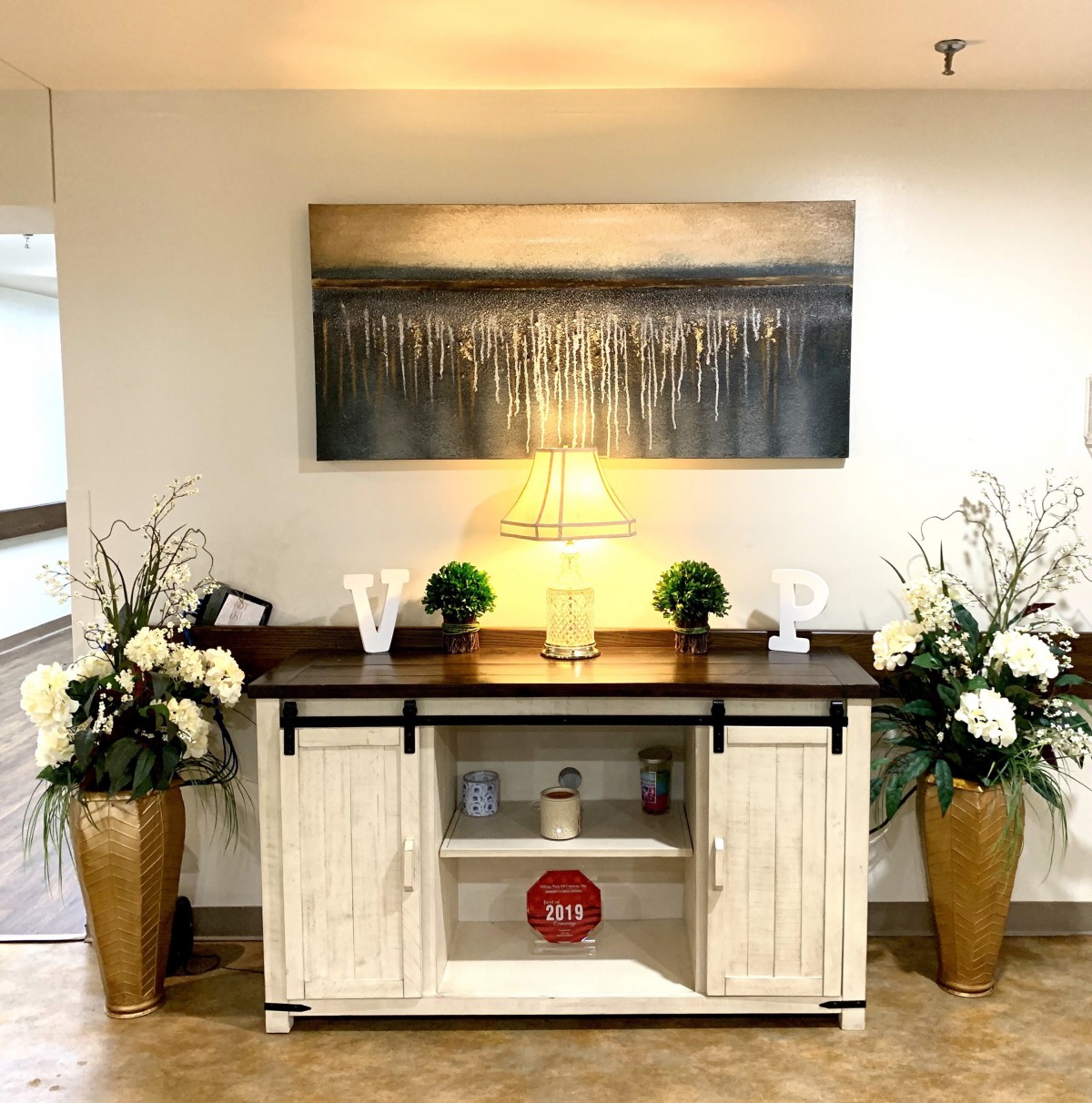
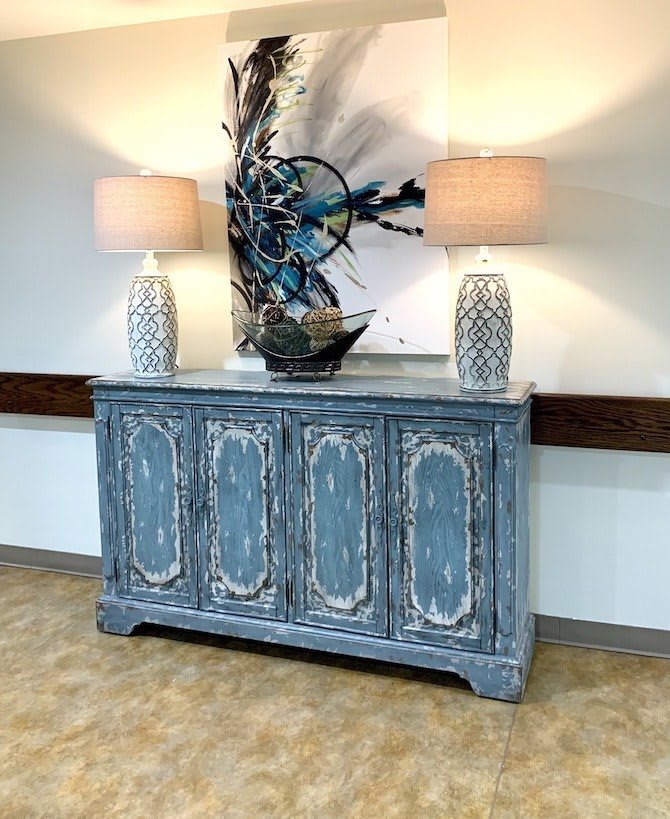
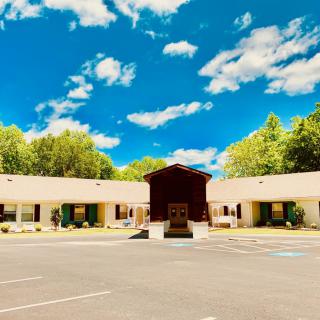
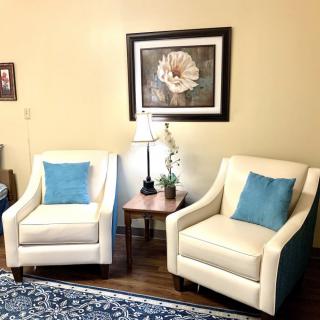
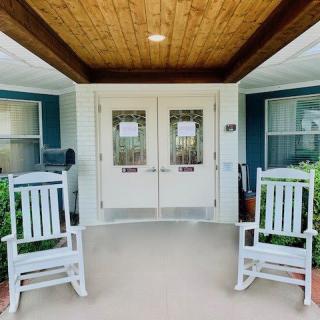
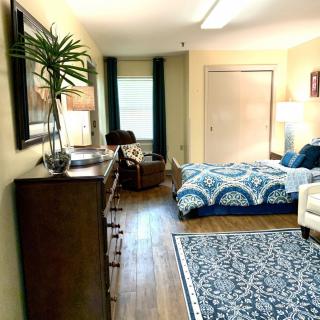
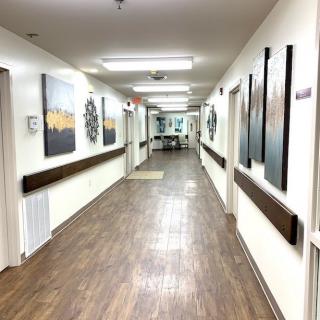
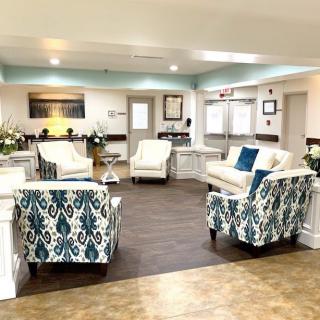
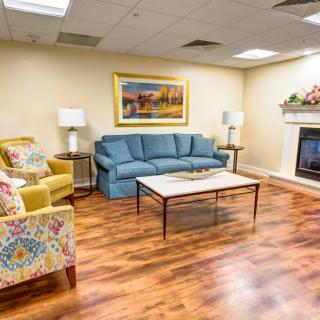
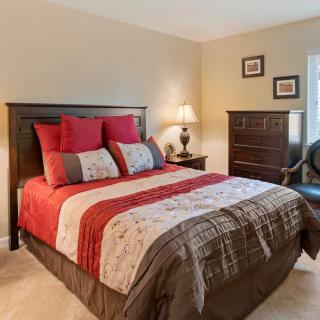
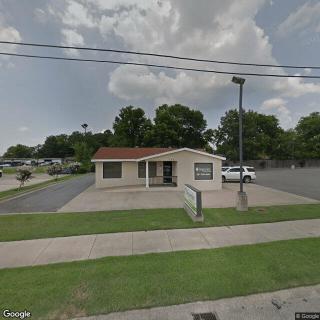
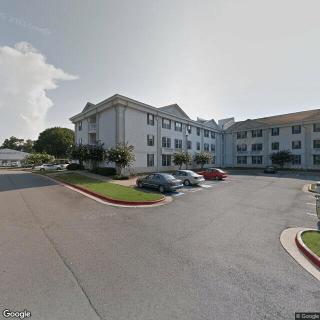
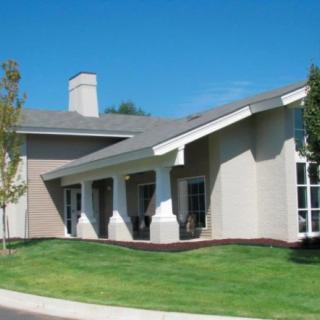
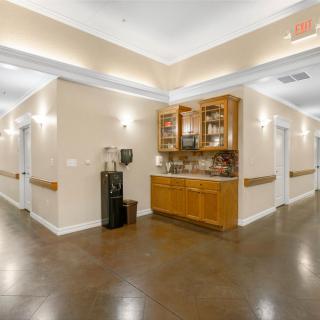
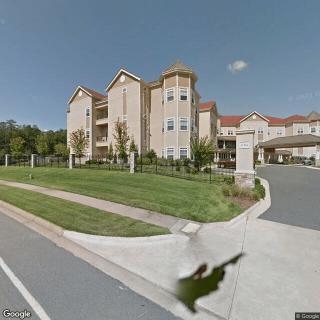
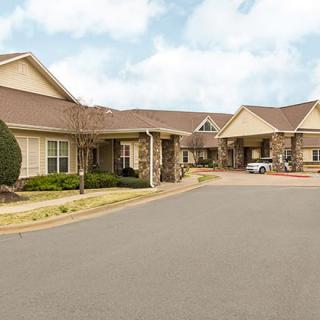
Village Park of Conway, Inc. on seniors.fyi includes 10 photos including images showing interior, decor, dining, bedroom, artwork, entrance, doors, architecture, and more.
Nearby Communities
Julia
Conway, AR
Excellent access to nearby healthcare and daily amenities.
Carelink
Conway, AR
4.1 from 26 reviews
Nearby amenities (cafes, parks, pharmacies, doctors, hospital, restaurants, and places of worship) support a convenient, vibrant lifestyle.
Superior Senior Care of Conway, AR
Conway, AR
5 from 104 reviews
Highly praised for compassionate, comprehensive in-home care and supportive staff.
College Square
Conway, AR
4.7 from 30 reviews
Excellent access to healthcare, pharmacies, restaurants, and parks nearby.
Heritage Living Center
Conway, AR
4.3 from 80 reviews
Caring staff and a clean, engaging environment.
Stonebrook Cove
Conway, AR
Small, intimate community with personalized care and on-site services.
StoneBridge of Conway
Conway, AR
4.3 from 20 reviews
Beautiful, well-designed facility with engaging memory-care spaces and attentive staff.
Fox Ridge of Chenal
Little Rock, AR
4.2 from 43 reviews
$3,900 to $4,900 / month
Newer infrastructure with inclusive pricing and a strong social/activities calendar.
Brookdale Chenal Heights
Little Rock, AR
4.5 from 102 reviews
$4,320 to $5,350 / month
Caring, attentive staff in a clean, upscale setting with engaging activities and strong family communication.
Assisted living communities offer diverse activities beyond traditional games to enhance seniors' physical health, cognitive well-being, emotional enrichment, and social connections, including fitness classes, creative expression, and intergenerational interactions. These enriching programs foster community bonds and support residents' independence and happiness.
The article differentiates between assisted living and memory care, explaining that assisted living supports seniors with daily activities while promoting independence, whereas memory care provides specialized services for individuals with dementia, focusing on secure environments and cognitive support. It also addresses staff training, safety considerations, costs, family involvement, and transition strategies for families navigating these care options.
Family caregivers face emotional, legal, and practical challenges when elderly parents refuse assisted living, often due to fears of losing autonomy. Open conversations and professional assessments can help address these concerns while exploring alternatives and ensuring safety, potentially leading to legal guardianship if necessary.
Architecture, Entrance, Outdoor Seating, Porch, Rocking Chairs, and Doors
Lighting and Hallway
Artwork
Seating Area and Lobby
Get PricingAsk A QuestionSchedule A TourContact Senior Advisor
By clicking submit, you agree to our Partner's Terms of Use. You
also consent to receive calls and texts, which may be autodialed, from our Partner. Your consent is not a condition to
using our Partner's service. Please visit our Partner's Privacy Policy for information about their privacy practices.


 Assisted Living
 Cats allowed
 Dogs allowed
 Activities on-site
 Air-conditioning
 Bath tubs
 Beautician on-site
 Cable or satellite TV
 Devotional services off-site
 Ground floor units
 Handicap accessible
 Indoor common areas
 Respite or short term stays offered
 Wheelchair accessible showers
 Wi-Fi/high-speed internet available
 Ambulatory care
 Diabetic care
 Incontinence care
 Medication management
 Guest meals
 BBQs or picnics
 Birthday parties
 Gardening club
 Live musical performances
 Trivia games
 Excellent access to nearby healthcare and daily amenities.

 Beyond the Bingo Hall: 50+ Enriching Activities for Seniors in Assisted Living
 Understanding the Distinctions: Assisted Living and Memory Care Explained
 Guiding Elderly Parents Who Refuse Assisted Living: 6 Practical Steps