
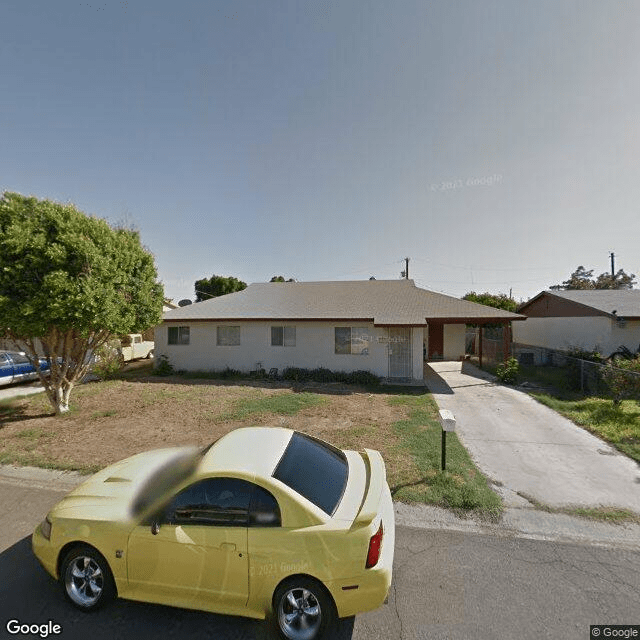
2263 W Brook St, Yuma, AZ 85364
To contact a resident: (520) 344-3779
For more information about senior living options: (866) 208-4318
Overall Review of Palo Verde Adult Care
Pros
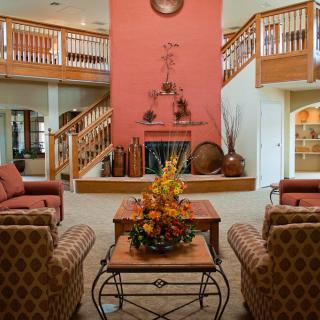
 The house at Paradise Oasis is beautiful, clean, and bright.
- The staff are kind and really care about the residents.
- Paradise Oasis is highly recommended for loved ones; the staff are great and very understanding.
- Lilly, Lisa, Kimberly, Tara, and Alba are the best.
- Paradise Oasis treats everyone like family, and the staff is awesome.
Review
This community is best suited for families seeking a warm, home-style assisted living where residents are treated like family, and where daily life centers on genuine, consistent human connection. The strongest fit is for seniors who value a smaller, intimate setting with a stable, attentive staff that knows residents by name and remembers their routines. Prospective residents who want a bright, clean, easily navigable environment that emphasizes comfort, safety, and personal attention to daily activities will likely feel at ease here. For families prioritizing emotional well-being, companionship, and a sense of belonging over a long list of amenities, this option stands out as a practical, reassuring choice.
Those weighing alternatives should consider whether higher levels of medical oversight or a larger campus with more specialized services are needed. If the priority is 24/7 skilled nursing, more robust on-site medical coordination, or a setting with broader, restaurant-style dining and extensive programming, it may be worth exploring other communities. For residents with complex clinical needs or requiring frequent, intensive care management, the home-like, intimate model may fall short of what some families expect from a higher-acuity environment. In short, this option shines for everyday comfort and personal touch, but may not satisfy every medical or service-demand scenario.
The primary advantages center on the staff and the atmosphere. Reviews consistently praise kindness, empathy, and a willingness to go the extra mile, with staff members described as understanding and genuinely dedicated to residents’ welfare. The sense of family and belonging is repeatedly highlighted, making adjustment easier for new residents who fear isolation. The environment reinforces these strengths: the house is described as beautiful, clean, and bright, contributing to a sense of safety and well-being. When the daily rhythms feel predictable and residents feel seen and respected, the practical benefits, improved mood, cooperation with routines, and smoother transitions between activities, become tangible.
Nevertheless, the experience is not universally uniform, and prospective movers should acknowledge the caveat signaled by mixed ratings. A couple of lower scores in the overall rating suggests that some families encountered experiences that did not align with the more consistently positive reports. While the detailed reasons aren’t laid out in the available comments, the implication is clear: not every shift or interaction will meet every expectation, and responsiveness or continuity can vary. This reality underscores the importance of direct engagement during tours, meeting multiple staff members, observing interactions with residents, and probing how care plans are communicated and updated.
Given the strengths, the key to offsetting any shortcomings lies in leveraging the home’s human-centric advantages. The emphasis on compassionate caregiving and a family-like culture can largely compensate for any gaps in formal programming or advanced medical services, particularly for residents who thrive on routine, familiarity, and personal attention. The daily sense of belonging and the assurance that someone will notice a change in a resident’s condition are substantial gains in quality of life. For families, this translates into fewer everyday stressors, less caregiver burden, and more confidence that a loved one remains integrated into a supportive, affectionate community.
The practical path for families is clear: pursue an in-person tour, observe staff-resident dynamics, and ask pointed questions about staffing ratios, care planning, and how changes in health status are communicated. Seek references from current residents and families, and verify licensure and any state inspections to confirm a consistent safety record. If emotional well-being and a home-like daily life are the top criteria, this community offers compelling value. Should medical needs be more demanding or amenities more expansive be non-negotiable, alternatives with broader clinical capabilities should be prioritized to ensure alignment with long-term care goals.
 Board and Care Home
 Yuma MCAS-Yuma International (4 miles away)



 9 Stimulating Memory Activities for Seniors: Puzzles, Cards, and Much More
 Managing Nursing Home Expenses After Medicare Coverage Ends
 Is a Geriatric Care Manager the Right Choice for Your Family?