

1743 W 24th St Ste B, Yuma, AZ 85364
To contact a resident: (928) 955-0150
For more information about senior living options: (866) 208-4318
Homewatch CareGivers of Yuma Costs & Pricing
Homewatch CareGivers of Yuma offers competitive pricing for its services, with a monthly cost of $3,355 for a one-bedroom arrangement and $4,458 for two bedrooms. When compared to the average costs in Yuma County, which stand at $2,964 for one bedroom and $3,983 for two bedrooms, Homewatch CareGivers positions itself at a slightly higher price point. However, it remains below the state averages of $3,532 and $4,106 respectively. This pricing reflects the commitment to providing quality care tailored to individual needs while ensuring residents have access to exceptional service in the vibrant Yuma community.
| Floor plans | Homewatch CareGivers of Yuma | Yuma County | Arizona |
|---|---|---|---|
| 1 Bedroom | $3,355 | $2,964 | $3,532 |
| 2 Bedrooms | $4,458 | $3,983 | $4,106 |
Senior living communities with a similar price nearby
-
About the same

Emerald Springs Senior Living
$3,335 to $4,285 / month1.8 miles away -
About the same
Ativo Senior Living of Yuma
$3,275 to $4,575 / month15.6 miles away -
from +$645 / mo

Chaparral Mobile Home Park
$4,000 / month0.4 miles away
Overall Review of Homewatch CareGivers of Yuma
Pros
 They would recommend Homewatch CareGivers to others because they are good.
- They felt comfortable with Homewatch CareGivers entering their home.
- They had a couple of different caregivers, and both were really good.
- The caregivers were great and consistently willing to help, even when their loved one was difficult to work with at times.
Cons
 The loved one was difficult to work with at times.
Review
This community is best suited for families in Yuma who want reliable, in-home care that travels to the loved one’s residence, with caregivers who are patient, adaptable, and able to work with someone who can be challenging at times. It serves households prioritizing comfort and familiarity over a structured facility setting, and it suits those who value a personal touch and the ability to tailor support to daily routines, preference, and mood. With a 5-star signal from two reviews, it’s clear this service resonates with families seeking trustworthy companions who arrive prepared to help, not just supervise. The emphasis is on consistent, in-home assistance rather than institutional care, and that aligns with many seniors who wish to stay where they are most at ease.
Those who should consider alternatives are families seeking round-the-clock clinical oversight, advanced medical nursing, or highly structured social programming in a campus-like environment. In-home caregivers can fall short of meeting intensive rehabilitation needs or managing complex medical equipment without a facility’s clinical infrastructure. If the loved one requires frequent skilled interventions, a facility-based option with on-site nursing, therapy services, and built-in supervision may be a better fit. Similarly, households chasing a highly social daily calendar, large-scale activities, or a setting designed for broad peer interaction may find a community setting more gratifying than home-based care.
The strongest pros in these reviews center on trust and rapport: caregivers entering the home felt comfortable, and the two professionals were described as consistently good and willing to help. The ability to rely on multiple caregivers without sacrificing quality signals both adaptability and depth of staffing, which reduces the stress of changes in personnel. For a loved one who may resist care or be difficult at times, this willingness to assist and maintain a steady, respectful approach is a decisive advantage. The in-home model thus translates into meaningful continuity of care in a familiar environment, where the person’s routines and cues can be honored rather than disrupted by a new routine each day.
Yet the reviews implicitly acknowledge a few typical challenges of in-home care. The care team may rotate, which can unsettle a client who thrives on predictability; however, the reported quality across different caregivers suggests robust onboarding and consistent service, mitigating that risk. Another potential con is the limits of in-home care compared to a full-service community: fewer opportunities for broad social interaction, less on-site medical supervision, and a dependence on caregiver scheduling. Even so, the positives, trust, comfort, and ready-to-help staff, largely counterbalance these constraints for families prioritizing in-place living with supportive hands on demand.
From a practical decision-making perspective, this option is most compelling when the objective is seamless integration of home life and care, with a caregiver network that can adapt to fluctuating needs and personalities. Prospective families should verify caregiver availability, backup coverage, and the process for switching aides if personalities clash or if care needs shift. Ask how care plans are customized, what training the caregivers receive for challenging behaviors, and how communication is maintained with family members and medical professionals. Ensure the plan accommodates respite opportunities and emergency contingencies, so care remains continuous even when a primary caregiver is unavailable.
In sum, Homewatch CareGivers of Yuma stands out for families seeking compassionate, home-based support delivered by skilled, dependable caregivers who can handle a loved one who is intermittently difficult but cooperative with good will. It is a strong fit for aging-in-place goals, with the practical upside of familiarity, comfort, and flexible day-to-day support. The main caveat is the absence of a full clinical campus, which means families should consider alternatives only if 24/7 nursing oversight, structured social programming, or intensive rehabilitation services are non-negotiable. For most households prioritizing continuity, dignity, and practical assistance in the familiar surroundings of home, this option earns a confident, actionable endorsement.
 Yuma MCAS-Yuma International (4 miles away)





 Understanding the Nuances of Palliative Care and Hospice: A Comprehensive Exploration
 Is In-Home Healthcare Tax Deductible? Your Comprehensive Guide
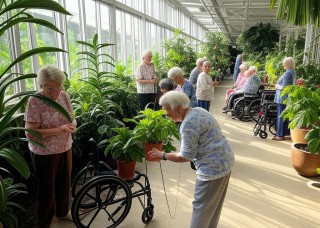 Nurturing Well-Being Through Gardening: A Detailed Guide for Senior Enthusiasts