

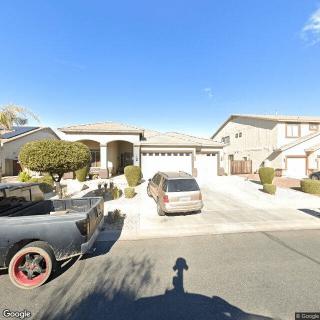
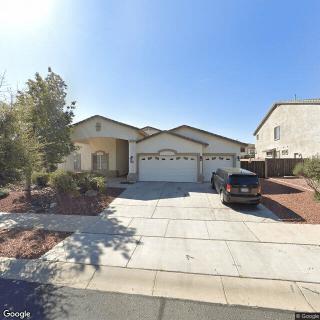
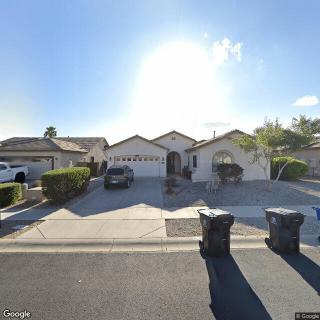
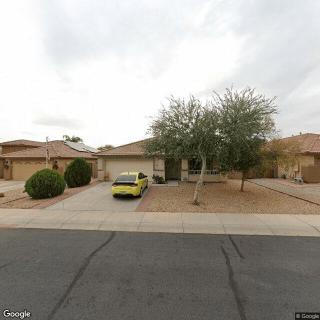
16135 West Camden Avenue, Waddell, AZ 85355
For more information about senior living options: (866) 208-4318
Overall Review of Good Nurses Assisted Living Facility
Pros
 The house is well kept, very clean, and the staff is friendly.
- The friend is very happy to be there and enjoys the meals and staff.
- The mother receives excellent care and attention, with Morris being very attentive and patient.
- The house is very welcoming, the atmosphere is comfortable, and the care is top notch.
- The house is very beautiful, and the owner and several caregivers are kind.
Cons
 The care was substandard.
- The father was bedridden and developed multiple bedsores.
- The father was left in a wet diaper for several hours at a time.
- The reviewer had to demonstrate to a caregiver the proper way to transfer a wheelchair-bound mother into the shower.
- The reviewer did not feel the caregivers' training was sufficient.
Review
Good Nurses Assisted Living Facility in Waddell is best suited for seniors who prize a warm, home-like setting, a clean and nicely kept residence, and staff that feel accessible and friendly in daily interactions. It works well for residents who need moderate daily assistance but don’t require highly centralized medical management. Families that want to be able to visit a place that feels welcoming, with reliable meal service and a personable care team, will find the vibe here appealing. Those who must rely on rigorous medical oversight, proactive wound care, or uniform, highly trained caregiver coverage should be prepared to look elsewhere.
The strongest positives lie in the environment and everyday experience. The house itself is well maintained, clean, and comfortable, giving residents a sense of living in a real home rather than a clinical setting. Staff members are described as friendly and approachable, and the atmosphere tends to be inviting and calm. The meals are cited as a bright spot, contributing to overall satisfaction and morale. A caregiver like Morris becomes a standout in the eyes of families, noted for patience, attentiveness, and a genuine willingness to engage with the resident’s needs. In short, the day-to-day living experience can feel very reassuring to families who value a personable, neighborly feel.
However, the care quality documented by one family reveals a troubling inconsistency that potential residents must weigh heavily. While the facility shines on warmth and ambiance, there are credible concerns about the level of clinical vigilance and response. The instance described involved a bedridden father developing bedsores and a caregiver leaving a wet diaper for extended periods, signaling gaps in monitoring, repositioning, and timely care. The account also notes a caregiver training shortfall, an instance where a family had to demonstrate how to assist with transfers and showers. Though another family’s experience was more uniformly positive, this evidence of substandard care cannot be dismissed. It suggests that outcomes here are not uniformly reliable and that caregiver competency may vary by shift and staff mix.
These mixed signals matter because the pros do offset some, but not all, of the cons. The pleasant living environment and the visible attentiveness of some staff can maintain high quality everyday routines for many residents, particularly those who are relatively mobile and need help with activities of daily living rather than intensive medical management. Yet the gap revealed by the bedsores and the inadequate diaper protocol is not a small flaw; it’s a risk marker. For families, this means relying heavily on consistent supervision, clear care plans, and ongoing accountability from the leadership and caregiving team. It also means pressing for transparent demonstrations of staff training, wound-care protocols, and a robust system to escalate concerns when a resident’s skin or mobility needs intensify.
Who ideally should consider alternatives? Families with residents at higher risk for pressure injuries or those requiring constant, specialized nursing oversight should proceed cautiously. If a resident depends on rigorous wound care, frequent repositioning, comprehensive diaper care, and immediate, well-coordinated responses to new needs, a facility with steadier, higher nurse-to-resident ratios and formal wound-management programs may be a safer match. Those who cannot tolerate variability in care quality across shifts or who prefer a facility with documented, ongoing staff development and quality assurance processes should compare other communities more aggressively.
In conclusion, Good Nurses Assisted Living Facility offers a compelling blend of homey charm, cleanliness, and approachable staff that can support a comfortable daily life for many seniors. Its strengths are real and immediate: a welcoming environment, good meals, and care that feels personal at its best. Yet the notable care lapses cited by one family illuminate a nontrivial risk, one that could lead to serious injuries if unchecked. Prospective families should demand a rigorous tour focused on care protocols, request recent staff-training records, and probe for how the facility handles wound prevention, shower transfers, and diaper care. Above all, verify that a consistent, capable care plan exists and that leadership demonstrates a proven track record of addressing care gaps quickly and transparently. If such assurances can be secured, this community can be a solid fit; if not, alternatives with stronger, more uniform clinical oversight deserve priority.
 10 resident community capacity
 Assisted Living
 Activities on-site
 Cable or satellite TV
 Devotional services off-site
 Dining room
 Fully furnished
 Garden
 Housekeeping services
 Indoor common areas
 Move-in coordination
 Outdoor space
 Telephone
 Wi-Fi/high-speed internet available
 24-hour supervision
 Ambulatory care
 Assistance with bathing
 Assistance with dressing
 Assistance with transfers
 Diabetes diet
 Diabetic care
 Meal preparation and service
 Medication management
 Special dietary restrictions
 Transportation arrangement (medical)
 Transportation to doctors appointments



 An Extensive Exploration of the VA Aid and Attendance Benefit
 Senior Transition Services: Understanding Their Role, Cost, and Importance
 Exploring the Path to Senior Living: A Comprehensive Look at Independent Living and Assisted Living