
3250 W Sumter Dr, Tucson, AZ 85742
To contact a resident: (520) 579-3246
For more information about senior living options: (866) 208-4318
Pura Vida Assisted Living Costs & Pricing
Pura Vida Assisted Living offers private room accommodations at a monthly rate of $3,550, which positions it slightly above the average costs in both Pima County and the broader state of Arizona. In comparison, the average cost for private rooms in Pima County is approximately $3,332 per month, while across Arizona, it stands at around $3,345. While Pura Vida's pricing reflects a premium over these averages, it may suggest a range of enhanced services or amenities that could warrant the investment. Prospective residents should consider not only the rates but also the quality of care and community offerings when evaluating their options in assisted living facilities.
| Floor plans | Pura Vida Assisted Living | Pima County | Arizona |
|---|---|---|---|
| Private | $3,550 | $3,332 | $3,345 |
Senior living communities with a similar price nearby
-
from -$400 / mo

Casa De Buena Vida
$3,150 to $3,450 / month5.0 miles away -
About the same

The Ranch Estates of Tucson
$3,600 to $4,840 / month4.3 miles away -
from -$550 / mo
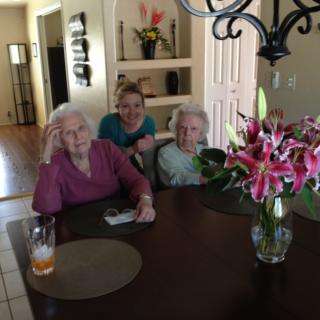
Lisa's Loft
$3,000 to $4,000 / month19.3 miles away -
from -$550 / mo
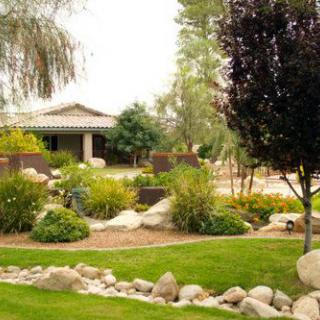
Crossroads Adult Care Homes
$3,000 to $3,600 / month6.7 miles away -
from -$405 / mo

The Watermark at Oro Valley
$3,145 to $4,995 / month4.1 miles away
Overall Review of Pura Vida Assisted Living
Pros
 The staff provided excellent care for residents and their families.
- The level of care and concern from the staff was amazing for families.
- Communication was excellent, and families were kept informed at all times.
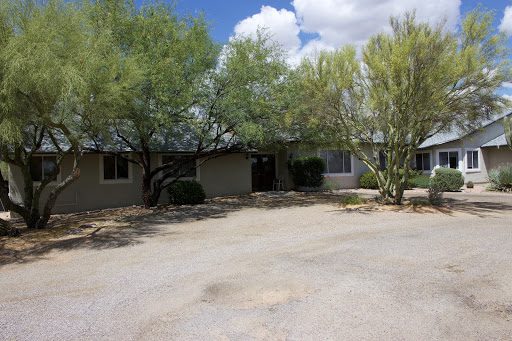
- The facility is beautiful, clean, and well maintained.
- The meals are fresh and high quality, and the staff are professional and attentive.
- Residents are treated like family, with compassionate care and a welcoming home-like environment.
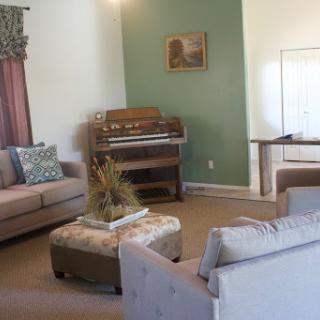
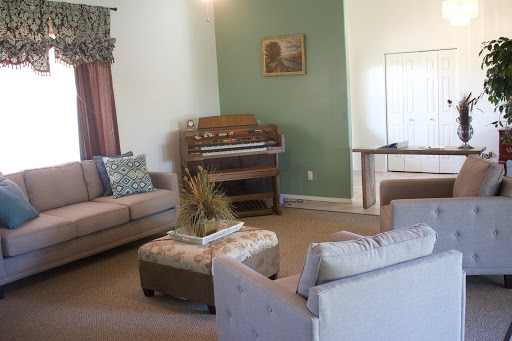
- The setting feels homey rather than hospital-like, with a cozy atmosphere and a beautiful outdoor patio.
Cons
 They quickly administered medication to sedate her and she passed shortly after her move-in date.
Review
Pura Vida Assisted Living in Tucson is best suited for families that want a warm, home-like setting where their loved one receives attentive, compassionate care and where communication with families is steady and clear. The community earns trust through large private rooms with bathrooms, high-quality, from-scratch-style meals, and a consistently clean, well-kept environment that feels more like a residence than a clinical facility. It appeals to families seeking ongoing, personal engagement from staff, regular updates, and a place that encourages family involvement in daily life rather than a sterile, institutional atmosphere.
That said, there are clear reasons some should consider alternatives. For residents with high-acuity medical needs, complex medication regimens requiring around-the-clock nursing, or a requirement for highly specialized memory care with formalized protocols, this setting may not be the best fit. Families should also scrutinize medical decision-making processes, especially in light of a single troubling report about sedation tied to a move-in scenario. If a short-term rehab trajectory, aggressive rehabilitation, or stringent safety and clinical oversight is non-negotiable, it pays to compare options that explicitly foreground those services.
The strongest pros, personalized attention, substantive family communication, and a homey atmosphere, do substantial work offsetting most cons. When staff are praised for generosity, responsiveness, and a genuine sense of care, families repeatedly describe a feeling that loved ones are treated as family, with attention to individual needs and meaningful check-ins. The setting’s cleanliness, well-kept grounds, and pleasant common spaces, coupled with large, comfortable rooms and consistent meal quality, contribute to a sense of stability and dignity that many families value highly over more clinical rivals. In short, the positives tend to produce genuine peace of mind for long-stay scenarios.
From a practical decision perspective, prospective movers should verify several specifics during a tour. Ask to see a current, written care plan and the policy for medication administration, including how changes are communicated to families. Inquire about how staff respond to bells or alarms and how often direct caregivers interact with residents’ families. Probe whether the community has a dedicated memory care pathway or if residents with dementia receive specialized programming and supervision. Taste-test a few meals, tour the kitchen, and observe how residents and staff interact in both communal areas and private rooms. Finally, request references from current families and, if possible, speak with someone who recently transitioned out to understand the full lifecycle of care.
The decision pathway should weigh the emotional and relational strengths against medical and programmatic limits. If a loved one thrives with a consistently warm, communicative team and values a home ambiance over hospital-like surroundings, Pura Vida stands out as a compelling option worth pursuing with disciplined due diligence. However, if stringent medical oversight, aggressive rehabilitation, or specialized dementia care with formalized clinical protocols are non-negotiable, families should actively compare alternatives, preferably facilities with dedicated skilled nursing or enhanced memory care units that can deliver those exact services without compromising the homelike atmosphere that Pura Vida cultivates.
In the end, Pura Vida Assisted Living presents a strong, practical choice for families prioritizing relationship-centered care, cleanliness, and a genuinely welcoming environment. It is especially well-suited for residents who benefit from steady, compassionate staff, transparent communication, and a setting that feels like home rather than a hospital. Caution is warranted for those who anticipate complex medical needs or require definitive, hospital-grade oversight; in those cases, pursuing additional options with explicit memory care design and stronger medical continuity is prudent. With careful questions and a thorough tour, families can determine whether this Tucson community aligns with the loved one’s long-term goals and daily lived experience.
 Studio apartments
 Board and Care Home
 Dining room
 Garden
 Housekeeping services
 Laundry
 Private
 Private bathrooms
 Tucson International (19 miles away)
 Diabetic care
 High acuity care
 Meal preparation and service
 Medication management
 English




 Comprehensive Guide to Blood Pressure Charts for Older Adults: Understanding Normal and High Readings by Age
 Financing Long-Term Nursing Home Care Through Social Security: A Thorough Exploration
 Essential Knowledge on Pneumonia in Older Adults