





Elderhaven Assisted Living

Save

  • Interior

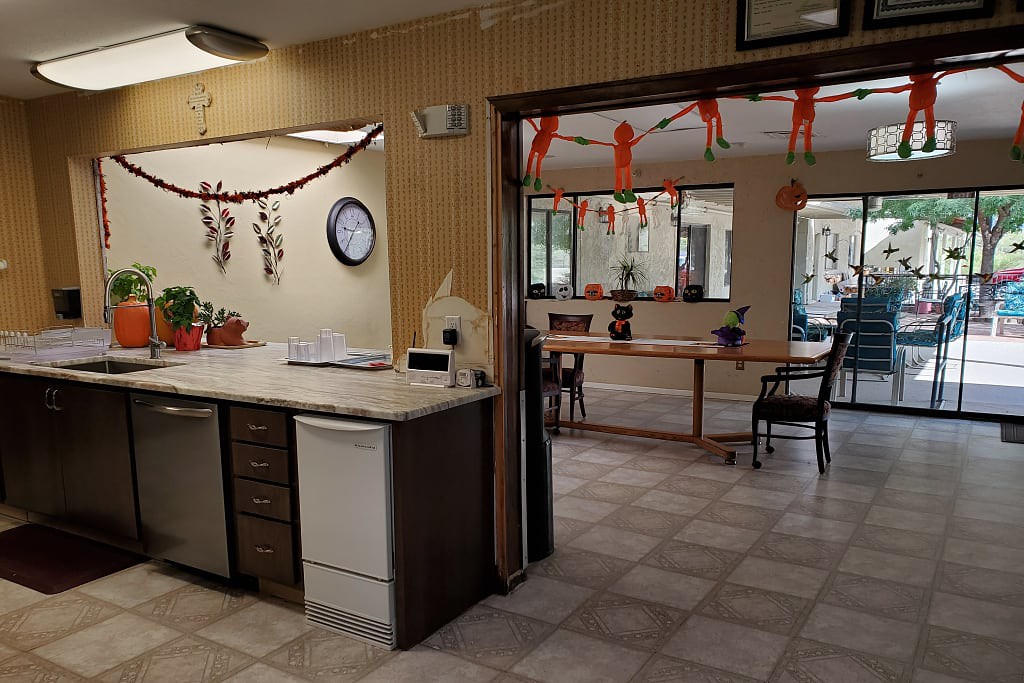
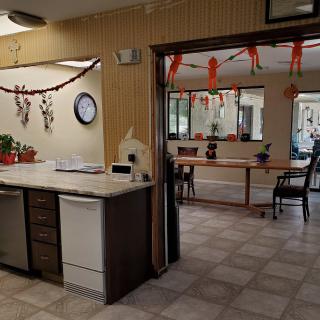
    A festive kitchen and dining area decorated with red streamers and ornaments.
  • Outdoors

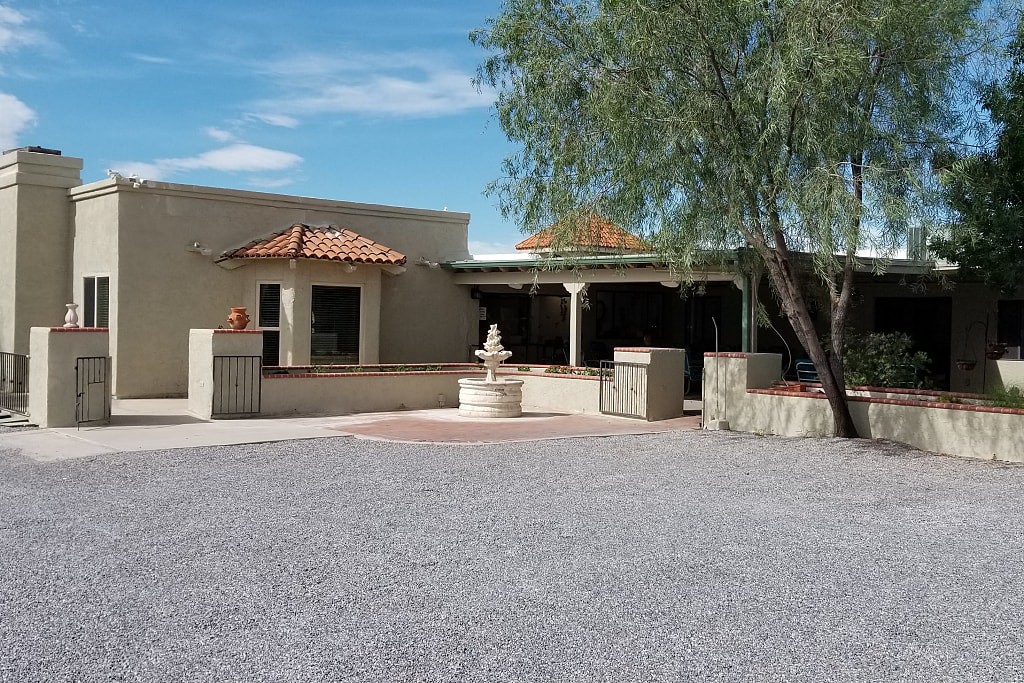
    A view of a building with a courtyard featuring a tree and a fountain under a clear blue sky.
  • Living Room

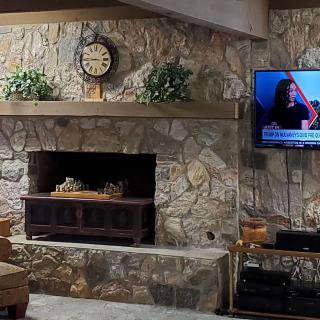
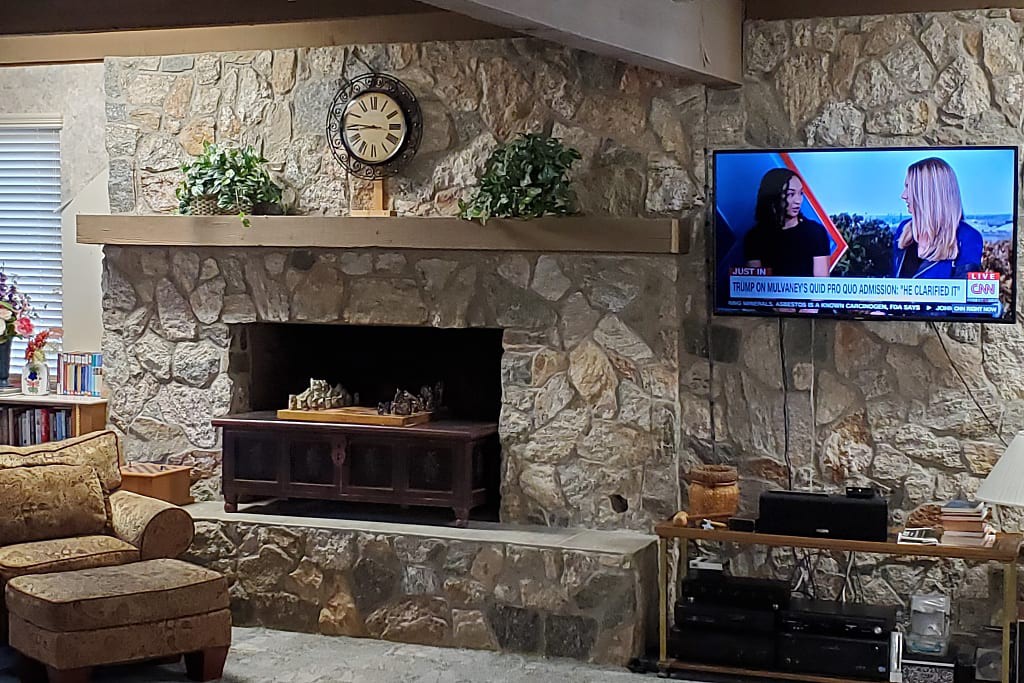
    A cozy living room with a stone fireplace and a television mounted on the wall.
  • Building

    A tree in front of a building with a red-tiled roof under a cloudy sky.
  • Architecture

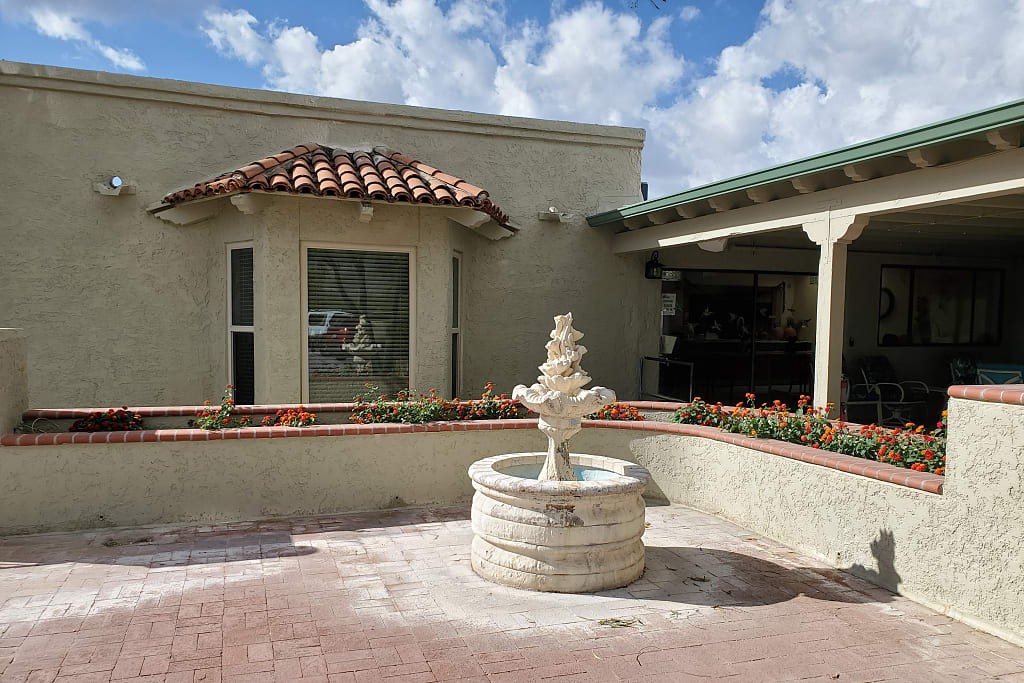
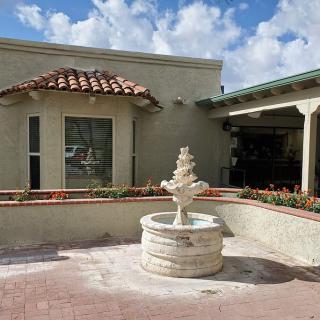
    A small courtyard featuring a decorative fountain in front of a building with a tiled roof under a partly cloudy sky.
  • Bedroom

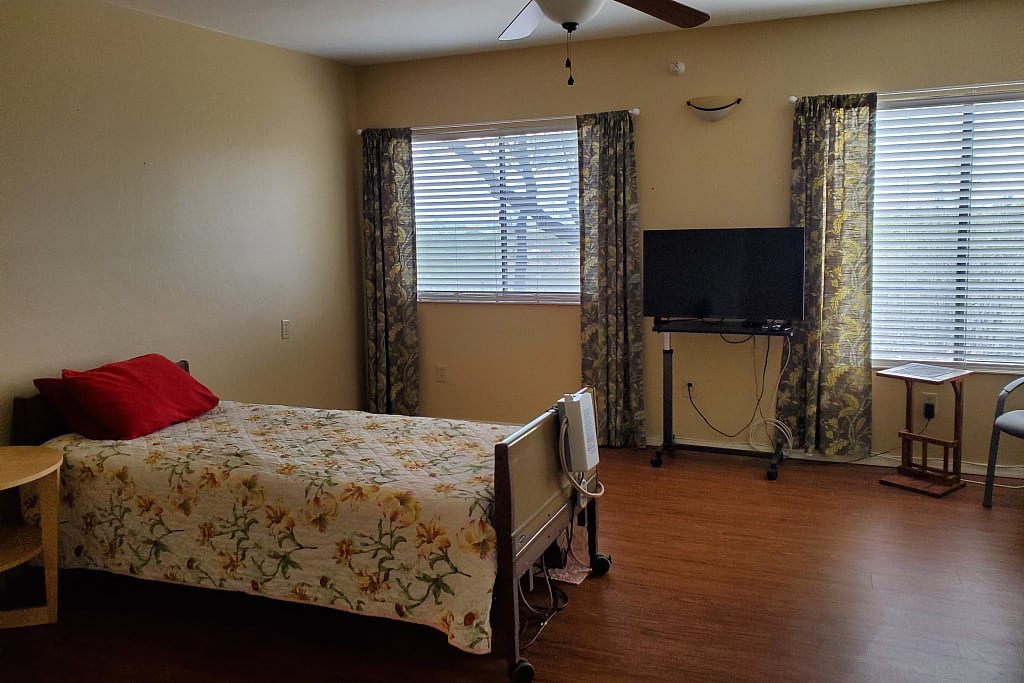
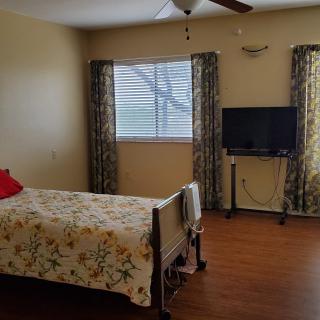
    A cozy bedroom with a floral-patterned bed, window draped with curtains, and a TV on a stand.
  • Kitchen

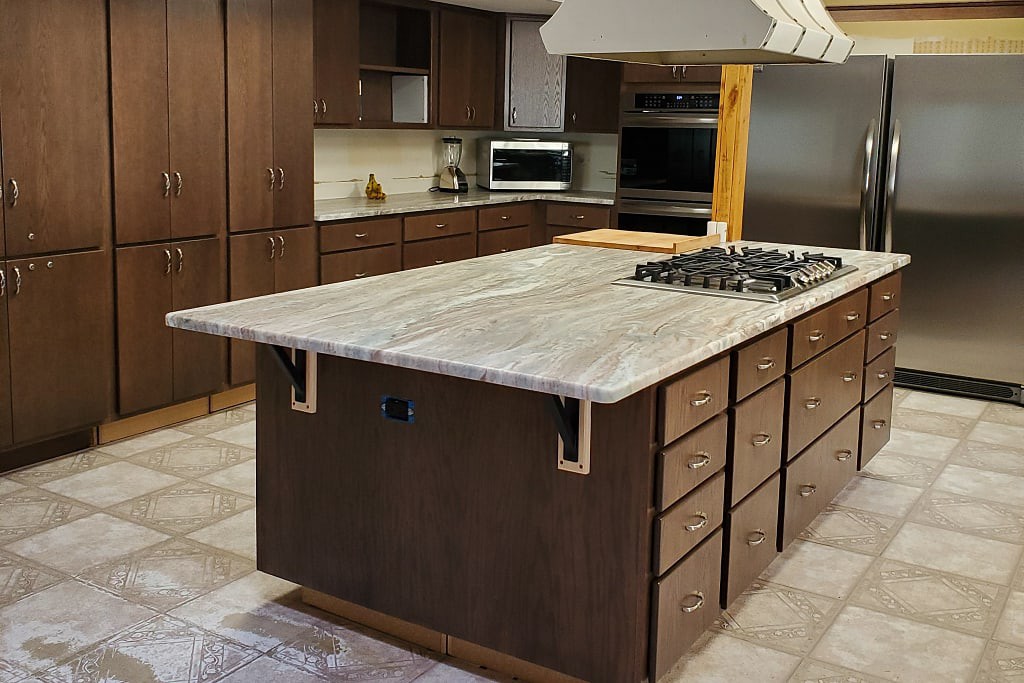
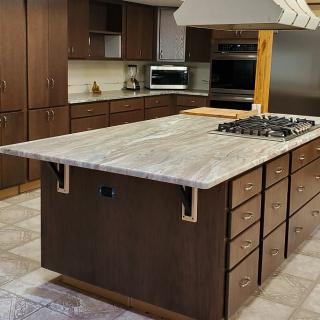
    A modern kitchen with a central island featuring a stove and ample cabinetry.
  • Lighting

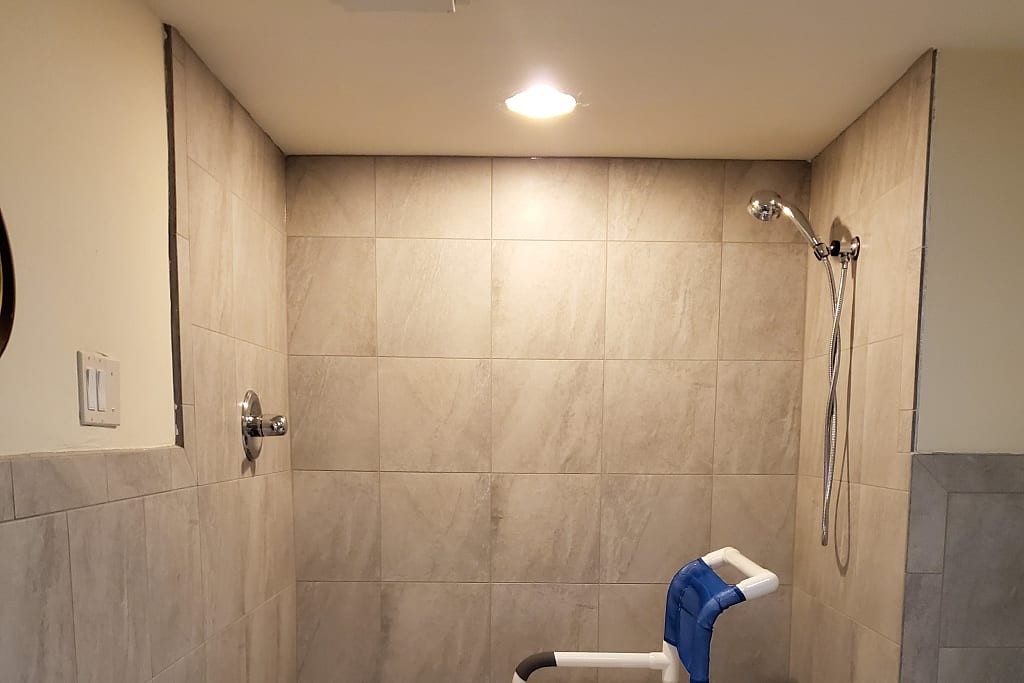
    A tiled bathroom featuring a shower area with a shower chair under bright lighting.
  • Outdoor

    A desert-style house with a courtyard and central fountain.
  • Patio

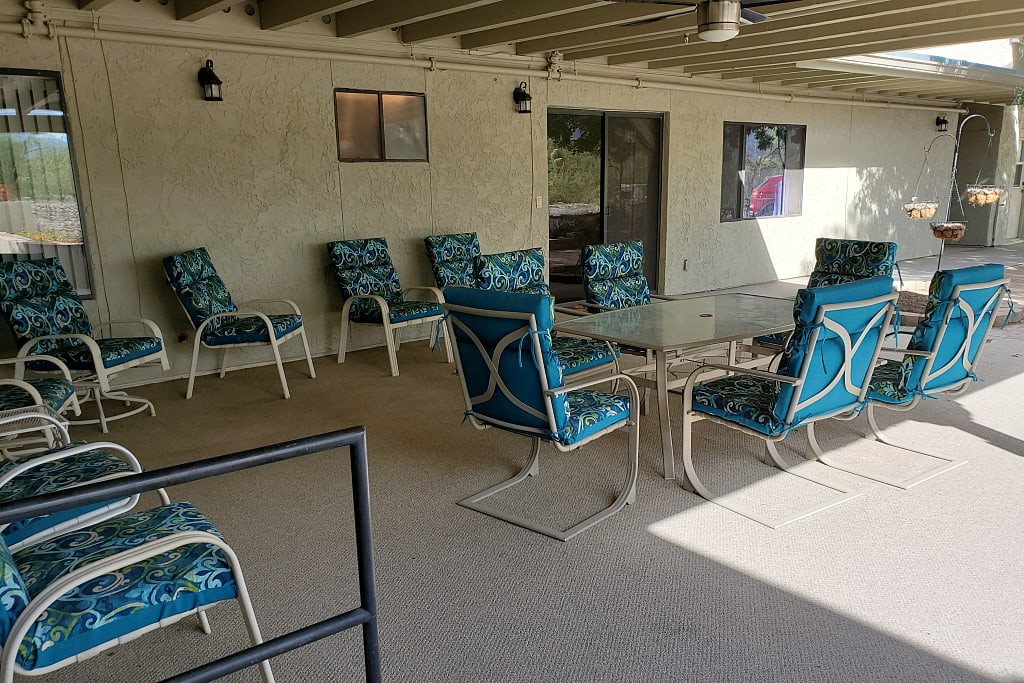
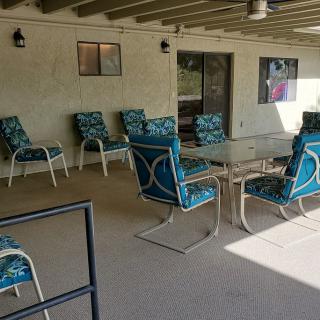
    A cozy outdoor patio with chairs and tables for relaxing.

Elderhaven Assisted Living

2501 North Soldier Trail, Tucson, AZ 85749

For more information about senior living options: (844) 490-3973

4.2 from 5 reviews
5 stars
3
4 stars
1
3 stars
0
2 stars
1
1 stars
0

Assisted Living Board and Care Home Independent Living Memory Care

Overall Review of Elderhaven Assisted Living

Pros

  • pro The owner and staff worked well with families and Hospice Family Care to provide a loving atmosphere and gentle care.
  • pro The care home is recommended for anyone seeking support for a loved one.
  • pro There are angels among the staff.
  • pro The facility is wonderful.
  • pro The grandmother has been living at Elderhaven for 1.5 years and loves it even more under new management.
  • pro The new employees are very attentive and caring.
  • pro The food is homemade and delicious.
  • pro There are new entertainment options, including a weekly piano player who performs for residents.

Cons

  • pro The general population is older and lower functioning.
  • pro This is not a place for people who need stimulation.
  • pro The activities are few and far between.
  • pro There were staffing inadequacies and internal conflicts that interfered with care quality.
  • pro Another home was described as quite inferior.

Review

In reviewing the tapestry of experiences shared by families and residents, what stands out most is the undeniable devotion to comfort, dignity, and connection at a care setting that has become a home for many. One account speaks to a moment of profound gratitude: amid the difficulties of very delicate health circumstances and the global strain of COVID-19, the staff and owner worked closely with Hospice Family Care to create a loving, gentle atmosphere for a mother in her final stages. The reviewer emphasizes how collaborative care, compassionate presence, and a respectful pace helped honor a loved one's dignity, and they encourage others to consider this care home for their own families, believing that there are "Angels among us" among the people who staff and manage the place.

Another voice in the chorus highlights a more extended span of satisfaction with Elderhaven, painting a picture of transformation and growth under new management. The reviewer's grandmother has lived there for about a year and a half, and while she previously found the facility agreeable, the change in leadership has brought a renewed sense of thriving. The new team is described as attentive and caring, with a genuine effort to know each resident and to engage with visiting family members who frequent the home. Food is praised as homemade and delicious, a detail that clearly matters to families who see the impact of nourishment on well-being. The reviewer notes a remarkable physical turn as well: a resident who once weighed about 85 pounds gains roughly 20 pounds after adopting a regimen of three healthy, homemade meals daily, reporting that she feels the best she has in years. The addition of new entertainment options - most notably a weekly piano performance - adds a social dimension that strengthens the sense of community, and the overall sentiment is one of deep appreciation for the care and the positive changes that have occurred.

Other reviewers situate Elderhaven within a broader geography and decision-making process. Described as an assisted living home located northeast of Tucson, it is presented as a comparison point after families toured several other options on the Eastside. One reviewer notes that their father, in particular, was glad to move from a different facility that they felt was inferior, implying that this home offered a more suitable environment and a placement that better aligned with their expectations. In this narrative, the location and the relative quality of care in this setting appear to be salient factors in the decision to move a loved one there, suggesting that the home can be a better fit for some families than other nearby options.

Yet the portrait is not purely unblemished. A later update introduces a cautious counterpoint: the general population within the home is described as older and lower functioning, and the reviewer warns that it is not a place for residents who require a high level of stimulation. This caution reflects real-world considerations about the spectrum of needs among residents and the importance of matching those needs with the home's daily rhythms and programming. The same thread of caution surfaces again in a subsequent update, which acknowledges that initial impressions of a homely atmosphere and attentive staff gave way to concerns about the breadth of activities and the consistency of care over time. The reviewer notes that activities were few and far between and that staffing inadequacies and internal conflicts began to interfere with the quality of care, signaling that even well-regarded facilities can face challenges as circumstances evolve. The closing tone here is not a blanket condemnation but rather a pragmatic invitation for others to stay tuned to ongoing developments and to assess how the home rises to meet evolving expectations.

Food continues to emerge as a shared strength in these testimonials, with reviewers highlighting American-style cuisine that is both reasonably priced and diverse in its offerings. There is a sense of balance between sit-down dining with options like rib-eye or salmon and quicker, grab-and-go choices such as pizza, which suggests a versatile dining program that accommodates different appetites and schedules. The presence of a well-regarded bar, where locals gather, adds a social dimension that complements the meals and supports a sense of community beyond the dining room. This culinary warmth appears to be a consistent point of pride and a practical everyday benefit for residents and visiting family members alike.

Taken together, these perspectives sketch a facility that many families find to be a compassionate, welcoming place where care is prioritized and relationships are valued. The improvements seen after new management brought tangible benefits: more engaged staff, stronger connections with families, and a dining program that supports residents' health and enjoyment. At the same time, the stories acknowledge that stable, high-quality care is an ongoing journey. They remind us that tailored stimulation, robust activity programming, consistent staffing, and harmonious internal operations are crucial to meeting the needs of all residents, especially those who require extra attention or who thrive on a more dynamic daily structure.

For families considering such a home, the mosaic of experiences suggests a nuanced decision. If you value a caregiving ethos that centers on dignity, personalized attention, and familial collaboration, this setting appears to offer a steady beacon of warmth and professional dedication. The improvements described under new leadership demonstrate that responsiveness to resident needs and family feedback can yield meaningful benefits, particularly in the realms of daily nutrition, social engagement, and the overall atmosphere. Yet potential residents and their families should also weigh the importance of stimulation, the availability of activities, and the consistency of staffing, recognizing that these factors can shape daily life as much as any other aspect of care. In this light, the reviews collectively present a portrait of care that is heartfelt and hopeful, tempered by practical cautions that underscore the essential work of sustaining a nurturing environment for aging minds and bodies.

Features

Housing

  • 10 resident community capacity 10 resident community capacity

Types of Care

  • Assisted Living Assisted LivingAssisted living facilities provide crucial support and care for seniors who may need help with daily tasks such as medication management, bathing, and meal preparation. These communities offer a safe and comfortable environment where seniors can maintain their independence while receiving the assistance they need to thrive in their golden years.
  • Board and Care Home Board and Care HomeBoard and care homes provide a smaller, more intimate setting for seniors who require assistance with daily tasks but do not need the level of care offered by a nursing home. They offer personalized care, meals, and social activities in a homelike environment, ensuring that seniors receive individualized attention and support in their golden years.
  • Independent Living Independent LivingIndependent living communities are important for seniors because they offer a safe and supportive environment where older adults can live independently while still having access to amenities and services that enhance their quality of life. These communities provide social opportunities, recreational activities, and assistance with daily tasks, promoting overall well-being and allowing seniors to maintain their independence for as long as possible.
  • Memory Care Memory CareMemory care is crucial for seniors as it provides specialized support and services for individuals with dementia or Alzheimer's disease. These programs offer a safe and secure environment where residents receive personalized care, cognitive stimulation, and help with daily activities. Memory care helps seniors maintain their independence, quality of life, and dignity while also providing peace of mind for their families.

Amenities

  • Cable or satellite TV Cable or satellite TVCable or satellite TV is important for seniors because it provides entertainment, news, and companionship, helping to combat loneliness and boredom. It also offers a wide range of programming options tailored to different interests and preferences.
  • Dining room Dining roomDining rooms are important for seniors as they provide a space for socialization, connection, and nutritious meals. They offer opportunities for residents to bond over shared meals, foster a sense of community, and promote healthy eating habits. Dining rooms also ensure that seniors have access to well-balanced meals tailored to their dietary needs and preferences.
  • Fully furnished Fully furnishedFully furnished senior living communities are important for seniors because they provide convenience, comfort, and a hassle-free moving experience. Seniors can easily settle into their new living space without the stress of having to buy and move furniture. This allows them to focus on enjoying their new home and community.
  • Garden GardenGardens are important for seniors as they provide a peaceful and therapeutic environment for relaxation, physical activity, and socialization. Being in nature has been shown to reduce stress, improve mood, and promote overall well-being. Gardens also offer opportunities for seniors to engage in gardening activities, which can improve mobility, flexibility, and cognitive function. Additionally, gardens create a sense of community and connection with others who share a passion for plants and outdoor spaces.
  • Housekeeping services Housekeeping servicesHousekeeping services are important for seniors because they help maintain a clean and safe living environment, promote independence, and reduce the risk of accidents or illnesses. Additionally, having assistance with household chores can alleviate physical strain and allow seniors to focus on other aspects of their well-being.
  • Move-in coordination Move-in coordinationMove-in coordination is important for seniors because it helps ease the transition into their new living environment. It ensures that all logistics, such as packing, organizing movers, and setting up utilities are taken care of, allowing seniors to focus on settling in and adjusting to their new home. Having a smooth move-in process can alleviate stress and anxiety, making the transition smoother and more enjoyable for seniors.
  • Outdoor space Outdoor spaceOutdoor spaces are important for seniors as they provide opportunities for physical activity, social interaction, exposure to natural light and fresh air, and a sense of connection to nature. Having access to outdoor spaces can improve overall well-being and quality of life for older adults living in senior communities.
  • Telephone TelephoneTelephones are important for seniors as they provide a lifeline for communication with loved ones, emergency services, and healthcare providers. They offer a sense of security and independence, enabling seniors to stay connected and access assistance when needed.
  • Wi-Fi/high-speed internet available Wi-Fi/high-speed internet availableWi-Fi/high-speed internet is important for seniors to stay connected with loved ones, access online resources, and participate in virtual activities to combat feelings of loneliness and isolation. It also allows them to easily manage healthcare needs, access entertainment, and engage in lifelong learning opportunities.

Transportation

  • Tucson International (15 miles away) Tucson International (15 miles away)

Care Services

  • 24-hour supervision 24-hour supervision24-hour supervision is important for seniors to ensure their safety, well-being, and access to immediate assistance in case of emergencies or health issues. This constant support provides peace of mind for both seniors and their loved ones, allowing them to age in place with dignity and security.
  • Activities of daily living assistance Activities of daily living assistanceActivities of daily living assistance are important for seniors because they provide essential support with tasks such as eating, bathing, dressing, and mobility. This assistance helps seniors maintain their independence, dignity, and overall quality of life as they age.
  • Assistance with bathing Assistance with bathingAssistance with bathing is crucial for seniors as it helps maintain personal hygiene, prevents infections, and ensures their overall well-being and comfort. It also provides a sense of dignity and independence for seniors who may struggle with this task on their own.
  • Assistance with dressing Assistance with dressingAssistance with dressing is important for seniors because it helps maintain their independence, promotes personal hygiene, prevents accidents and injuries, and improves overall quality of life. This service ensures that seniors can continue to dress comfortably and confidently, despite any physical limitations they may have.
  • Assistance with transfers Assistance with transfersAssistance with transfers is crucial for seniors as it helps prevent falls and injuries, maintains their independence, and ensures they can safely navigate their living environment. It also provides peace of mind for both seniors and their loved ones.
  • Coordination with health care providers Coordination with health care providersCoordination with health care providers is crucial for seniors to ensure proper medical care, medication management, and overall well-being. This collaboration helps prevent overlapping treatments, track progress more effectively, and provide comprehensive support tailored to individual needs.
  • Dementia waiver Dementia waiverDementia waivers are essential for seniors as they provide critical protections and accommodations for those experiencing cognitive decline. These waivers ensure individuals with dementia receive appropriate care, support, and resources to maintain their quality of life and dignity as they navigate the challenges of this progressive condition.
  • Diabetes diet Diabetes dietA diabetes diet is crucial for seniors as it helps manage blood sugar levels, reduce risks of complications, and improve overall health and well-being. By following a balanced and nutritious diet tailored to their specific needs, seniors can better control their diabetes and enhance their quality of life.
  • Hospice waiver Hospice waiverHospice waivers are important for seniors because they allow individuals to receive specialized end-of-life care and support at home or in a hospice facility. This waiver ensures that seniors can access the necessary resources and services to maintain comfort and dignity during their final days.
  • Meal preparation and service Meal preparation and serviceMeal preparation and service are crucial for seniors as they may have limited mobility or energy to cook nutritious meals. Having access to healthy and convenient food options can ensure they are getting the proper nutrition needed to maintain their overall health and well-being.
  • Medication management Medication managementMedication management is crucial for seniors to ensure they are taking the right medications at the correct dosages and times. This helps prevent adverse drug interactions, reduces the risk of medication errors, and promotes overall health and well-being. Proactive management also allows for adjustments as needed based on changing health conditions or new prescriptions.
  • Mental wellness program Mental wellness programMental wellness programs are essential for seniors as they promote cognitive stimulation, emotional support, and social engagement. These programs help prevent isolation, depression, and cognitive decline, ultimately enhancing the overall quality of life for older adults.
  • Mild cognitive impairment Mild cognitive impairment"Mild cognitive impairment" is important for seniors because it is an early stage of cognitive decline that can potentially progress to more severe conditions such as dementia. Recognizing and addressing mild cognitive impairment can help seniors receive appropriate care and support to maintain their quality of life and independence for as long as possible.
  • Special dietary restrictions Special dietary restrictionsSpecial dietary restrictions are important for seniors because age-related changes in metabolism and health conditions can make it difficult for their bodies to process certain foods. By following a diet tailored to their specific needs, seniors can maintain their overall health and well-being, manage chronic conditions, and reduce the risk of complications such as malnutrition or food interactions with medications.
  • Specialized memory care programming Specialized memory care programmingSpecialized memory care programming is crucial for seniors with cognitive impairments such as dementia or Alzheimer's disease. These programs provide a safe and supportive environment tailored to the unique needs of individuals with memory loss, helping them maintain their independence, dignity, and quality of life.
  • Transportation arrangement (medical) Transportation arrangement (medical)Transportation arrangements for medical purposes are essential for seniors as they may have difficulty driving themselves to appointments or accessing public transportation. Having reliable and safe transportation options ensures that seniors can receive timely medical care and maintain their health and well-being.
  • Transportation to doctors appointments Transportation to doctors appointmentsTransportation to doctors' appointments is crucial for seniors as it ensures they have access to necessary medical care and support for their health needs. Without reliable transportation, seniors may struggle to attend important appointments, leading to potential delays in treatment and health complications. Providing transportation services helps seniors maintain their overall well-being and quality of life.

Dining

  • Diabetes diet Diabetes dietA diabetes diet is crucial for seniors as it helps manage blood sugar levels, reduce risks of complications, and improve overall health and well-being. By following a balanced and nutritious diet tailored to their specific needs, seniors can better control their diabetes and enhance their quality of life.
  • Special dietary restrictions Special dietary restrictionsSpecial dietary restrictions are important for seniors because age-related changes in metabolism and health conditions can make it difficult for their bodies to process certain foods. By following a diet tailored to their specific needs, seniors can maintain their overall health and well-being, manage chronic conditions, and reduce the risk of complications such as malnutrition or food interactions with medications.

Activities

  • Community-sponsored activities Community-sponsored activitiesCommunity-sponsored activities are important for seniors as they provide opportunities for social interaction, mental stimulation, and physical activity. These activities can help improve overall well-being, combat loneliness and isolation, and promote a sense of belonging and purpose among older adults.
  • Scheduled daily activities Scheduled daily activitiesScheduled daily activities are important for seniors because they provide structure, socialization, mental stimulation, and physical activity. Engaging in regular activities can improve overall well-being and quality of life for seniors living in a community setting.

Description

Elderhaven Assisted Living in Tucson, AZ is a premier senior living community that provides a range of care services for seniors. Our community offers Board and Care Home, Independent Living, and Memory Care options to cater to the unique needs of each individual.

Residents at Elderhaven can enjoy a variety of amenities designed to enhance their comfort and convenience. Our dining room provides delicious meals prepared by our talented chefs, accommodating special dietary restrictions if necessary. Each living space is fully furnished, allowing residents to settle in quickly and easily. Our outdoor spaces and garden provide a tranquil environment for relaxation and recreation. Housekeeping services ensure that the residents' living spaces are always clean and tidy. Residents also have access to telephone service as well as Wi-Fi/high-speed internet connectivity.

At Elderhaven, we prioritize the well-being of our residents by offering a comprehensive range of care services. Our highly-trained staff assists with activities of daily living such as bathing, dressing, and transfers, ensuring that each resident receives the support they need. We also coordinate with health care providers to maintain continuity of care. For individuals with dementia or cognitive impairment, we provide specialized memory care programming tailored to their specific needs.

Our community goes above and beyond in providing additional support services. Meal preparation and service are available for those who require assistance with cooking or have specialized dietary restrictions. Medication management is handled by our skilled staff members to ensure proper administration. We also offer transportation arrangements for medical appointments as well as transportation to doctors' appointments within the area.

In addition to quality care services, Elderhaven offers a variety of activities tailored to engage residents physically, mentally, and socially on a daily basis. Scheduled daily activities ensure residents can participate in an array of enriching experiences.

Located in Tucson, AZ, our assisted living community is conveniently situated near cafes, parks, pharmacies, restaurants, and theaters to provide easy access for both residents and their families.

At Elderhaven Assisted Living, our mission is to provide a comfortable and supportive environment that promotes the well-being and independence of our residents.

Nearby Places of Interest

Theaters

  • Galaxy Theatres Tucson (3.1 miles)
  • Century Park Place 20 And Xd (7.8 miles)

Pharmacies

  • Walgreens (3.2 miles)
  • CVS Pharmacy (3.7 miles)
  • Osco Pharmacy (3.7 miles)
  • CVS Pharmacy (4.1 miles)
  • Walgreens (4.3 miles)
  • Fry's Pharmacy (4.4 miles)
  • Walgreens (4.6 miles)

Cafes

  • Le Buzz (3.5 miles)
  • Coffee X Change (6.3 miles)
  • Dutch Bros Coffee (6.5 miles)
  • Starbucks (6.6 miles)
  • Dutch Bros Coffee (7.3 miles)
  • Panera Bread (7.5 miles)
  • The Human Bean (7.7 miles)

Parks

  • McDonald Park (3.5 miles)
  • Udall Park Soccer Fields (5.6 miles)
  • Fantasy Island (6.9 miles)
  • Palo Verde Park (6.9 miles)

Restaurants

  • Canyon Ranch Dining Room (4.6 miles)
  • El Molinito (5 miles)
  • Los Betos Mexican Food (5.1 miles)
  • McDonald's (5.2 miles)
  • Taco Bell (5.3 miles)
  • Subway (5.8 miles)
  • Culver's (5.9 miles)

Physicians

  • Med Clinics (5 miles)
  • Arizona Inpatient Medicine Associates (5.6 miles)
  • Sheldon Dr - Marks Sheldon Marks MD (6.1 miles)
  • Tmj Disorders Orofacial Pain Center PC (6.1 miles)
  • Dr Debora Chelson-Naturopathic Physician (6.8 miles)
  • Jason M Levine (6.9 miles)
  • Saguaro Surgical (6.9 miles)

Places of Worship

  • Christ Presbyterian Church (7 miles)
  • Grace To The Nations (7.2 miles)
  • Tucson Arizona Rincon Stake (7.4 miles)
  • Rincon Congregational Church (8.2 miles)

Hospitals

  • St Joseph's Hospital (7 miles)
  • Kindred Hospital - Tucson (7.3 miles)
  • Curahealth Tucson (7.3 miles)
  • Tmc Labor and Delivery (8.1 miles)
  • Danville Services (8.1 miles)
  • Providence Service (8.1 miles)

Frequently Asked Questions

Where is Elderhaven Assisted Living?
Does Elderhaven Assisted Living provide care for residents with dementia or Alzheimer's disease?
What photos are available for Elderhaven Assisted Living in Tucson, Arizona?

Nearby Communities

Related Resources

  • list of drugs linked to dementiaMedications Associated with Dementia Risk: A Comprehensive Overview

    The article examines the link between certain medications and increased dementia risk, particularly in older adults, emphasizing that long-term or high-dose use of anticholinergics, benzodiazepines, and other drug classes can exacerbate cognitive impairment. It calls for careful medication evaluation and shared decision-making to mitigate these risks while managing treatment efficacy.

  • power of attorney for elderly parentGuiding Your Journey: Understanding Power of Attorney for Elderly Parents

    The article emphasizes the significance of establishing a power of attorney for elderly parents to enable an agent to make decisions on their behalf regarding health and finances, especially during cognitive or physical decline. It outlines various types of power of attorney, the importance of consulting legal professionals, and the responsibilities and challenges faced by agents, while also discussing alternatives and common misconceptions.

  • caregiver support group22 Remarkable Caregiver Support Groups Available Online and In-Person
    Caregiver support groups are crucial for providing emotional and practical assistance to those caring for loved ones, offering resources, coping strategies, and a sense of community through various organizations and platforms. These groups help alleviate isolation and burnout while addressing the unique challenges faced by caregivers of individuals with specific conditions.