

617 S Desert Steppes Dr, Tucson, AZ 85710
For more information about senior living options: (866) 208-4318
Desert Steppes Adult Care Costs & Pricing
Desert Steppes Adult Care offers competitive pricing for its services when compared to the wider market in Pima County and the state of Arizona. For a semi-private room, residents will find the cost set at $2,950 per month, which is slightly higher than the county average of $2,805 but remains within reach of the state average of $2,820. On the other hand, those opting for private accommodations can expect to pay $3,500 per month at Desert Steppes, which is above both Pima County's average of $3,332 and Arizona's state median of $3,345. This pricing reflects the facility's commitment to providing quality care in a comfortable setting while still being mindful of the local market trends.
| Floor plans | Desert Steppes Adult Care | Pima County | Arizona |
|---|---|---|---|
| Semi-Private | $2,950 | $2,805 | $2,820 |
| Private | $3,500 | $3,332 | $3,345 |
Senior living communities with a similar price nearby
-
from -$150 / mo
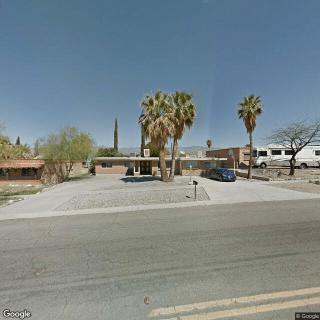
Abella Manor Senior Care, LLC
$2,800 to $3,200 / month1.1 miles away -
from +$200 / mo

Casa De Buena Vida
$3,150 to $3,450 / month12.9 miles away -
from +$250 / mo
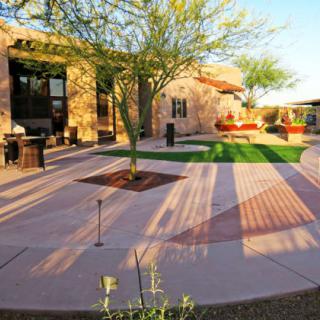
Academy Villas
$3,200 to $7,000 / month9.6 miles away -
from -$450 / mo
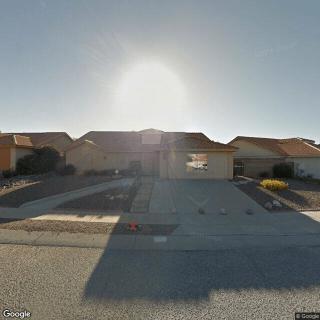
Grace Home I
$2,500 to $3,200 / month1.2 miles away -
About the same
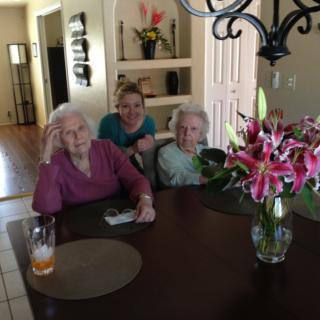
Lisa's Loft
$3,000 to $4,000 / month1.6 miles away
Overall Review of Desert Steppes Adult Care
Pros
 Desert Steppes offers a wide range of activities for residents to participate in.
- The grounds are very nice, with a shaded backyard area.
- The staff are compassionate and caring, while maintaining a respectful and professional attitude.
- The residence feels like home from the moment of arrival, with a clean, tidy, comfortable, and safe environment.
- The kitchen aromas are a delight, and the menu is rotated every two weeks.
- The owner brings advanced eldercare credentials and has led excellent staff training, setting a high standard for care.
Cons
 The facility felt very by the book and was run rigidly.
- The caregiver-to-resident ratio appeared too low, giving a hospital-like impression.
- There was no warm or inviting feeling at the facility.
- The tour guide did not give a good vibe.
- A smaller facility meant sacrificing some offerings that larger places provide.
- Most of the residents had severe dementia, which limited activities.
Review
Desert Steppes Adult Care is best suited for families seeking a small, all-female memory-care home in Tucson where dementia-focused supervision, dignity-driven care, and a thorough admissions process matter more than campus size or buzz. The residence sits in a circa-1957 house in a quiet San Rafael Estates neighborhood, which translates to a true home-like feel rather than a hospital ambiance. It can accommodate a tightly knit group of residents (roughly ten) with a mix of private and shared rooms, and the operational leadership is led by an owner/operator with specialized training in eldercare and dementia. For families prioritizing careful, compliant intake, personalized care, and a calm, predictable routine, Desert Steppes stands out.
Those who may want to consider alternatives include families seeking a larger campus with more residents, a broader social calendar, or a higher caregiver-to-resident ratio. Desert Steppes’ small size and all-female population create a very intimate environment, but they also mean fewer immediate staff on site and a more limited set of on-site options compared to bigger facilities. If a resident would benefit from more continuous, multi-staff coverage, more diverse activities, or male residents, a larger memory-care or assisted-living community may be a better fit. Likewise, families pursuing a more overtly buzzy, resort-like atmosphere should look elsewhere.
The strongest positives at Desert Steppes offset notable trade-offs. The setting provides a clean, tidy, safe, and decidedly homelike atmosphere, with attention to modesty and dignity in daily care. Staff are described as compassionate and professional, and the owner’s dementia specialization informs daily practices and staff training, an impressive credential for families worried about consistency and quality of care. The admissions process is thorough and compliant with state requirements, which helps families feel secure about transitions from hospital or hospice as needed. A quiet neighborhood, comfortable grounds, and a kitchen that delivers appealing aromas contribute to a sense of normalcy that many families value deeply.
That said, several recurring themes demand consideration. The facility’s “by the book” and somewhat rigid tenor can feel clinical rather than warmly welcoming to some visitors, especially when paired with a rotating pool of caregivers. A perceived lower caregiver-to-resident ratio raises concerns about quick responses during emergencies or high-need moments, and continuity of staff can be an issue for families used to more consistent on-site teams. The all-female, small-house model also limits the range of social interactions and amenities typically found in larger communities, which can matter to residents who still crave broad social engagement or male companionship.
Specific features edify the decision. Desert Steppes emphasizes a respectful, preventive approach, caregivers assist with dressing, feeding, and daily routines while prioritizing residents’ modesty and dignity. The grounds and interior feel safe and tidy, with a sense of home rather than institution. The staff’s commitment is repeatedly highlighted, and the owner’s hands-on involvement, including developing training modules used elsewhere, offers reassurance that care standards are intentional and teachable. Residents typically enjoy purposeful activities, including music therapy, and the menu rotates to provide variety; such programming can help sustain engagement for residents with dementia.
In practical terms, Desert Steppes is a strong choice for families who want a tightly run, dementia-focused home environment and who can align expectations with a smaller, intimate operation. It is less suitable for those prioritizing a bustling campus, male residents, or frequent, high-volume activities. Prospective families should engage directly with the owner, request a live activity calendar, and ask pointed questions about staffing coverage, shift continuity, and private-room availability. Visiting with an eye to how care feels in person, especially for the resident who would live there, will reveal whether the home’s quiet dignity translates into daily reassurance and genuine companionship, or whether a larger, more diversified setting would better match the expectations for long-term memory-care living.
 Board and Care Home
 Cats allowed
 Dogs allowed
 Private
 Respite or short term stays offered
 Tucson International (10 miles away)
 Ambulatory care
 Diabetic care
 Hospice care
 Incontinence care




 A Comprehensive Exploration of Common Misunderstandings about Powers of Attorney
 Senior Move Management: Understanding the Role, Value, and Associated Costs
 Weight Training for Seniors: Building Strength and Vitality