
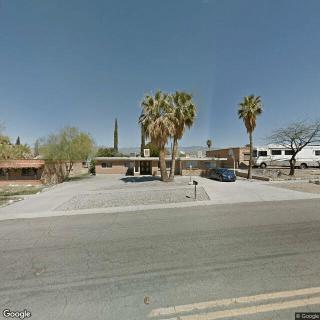
8732 East Appomattox Street, Tucson, AZ 85710
For more information about senior living options: (866) 208-4318
Overall Review of Casa De Dios
Pros
 The two people who run this place are good at their job and hardworking.
- They take good care of the elderly residents here.
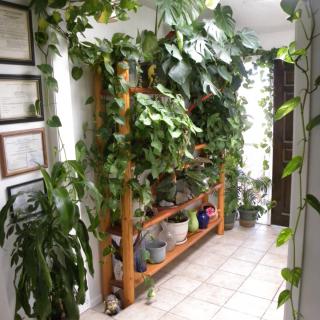
- The house feels very homey.
- The food here is amazing.
- People should definitely consider this place for their grandparents.
Review
Casa De Dios in Tucson is best suited for families seeking an intimate, home-like care setting where a small, dedicated team delivers visible, hands-on attention. The two operators running the place are described as hardworking and capable, and their direct involvement translates into residents who feel known and looked after. This is not a large campus with elaborate programming; it is a compact, warm environment where daily life is lived in close contact with caregivers who seem invested in each resident. For a senior who values personal rapport, predictable routines, and meals that feel like home cooking, Casa De Dios offers a compelling, practical fit.
Those evaluating options should explicitly consider alternatives if medical complexity or memory-care needs exceed what a small, two-person operation can reliably sustain. If constant clinical oversight, 24/7 nursing availability, intensive rehab services, or a broad slate of memory-care specialists are priorities, bigger facilities with dedicated clinical staff will likely be a safer match. Families seeking a robust activities calendar, frequent on-site therapy, and a wider array of specialized services may find that a larger community delivers greater peace of mind. In short, the strongest case for Casa De Dios rests on personalized care and a homelike vibe rather than extensive medical infrastructure or campus-scale amenities.
The core advantages here are tangible and meaningful: highly attentive, direct care from operators who are described as good at their jobs, a genuinely homey atmosphere, and meals that are highlighted as amazing. These factors combine to create comfort, trust, and a sense of belonging that can significantly ease the transition for seniors and their families. When care feels personal and the environment feels like a welcoming residence rather than a facility, the emotional and daily-life benefits can outweigh the absence of a large professional staff. The upside is a high level of responsiveness, clear accountability, and a culture that prioritizes residents’ day-to-day happiness over procedural formality.
Yet the same strengths illuminate the likely constraints. A two-person leadership and care model, while intimate, inherently limits staffing depth and the breadth of services available at any given moment. Emergencies that require rapid escalation, weekend coverage gaps, or the need for highly specialized staff may pose challenges. Activity options and therapy-on-site availability are apt to be more modest than in larger communities. Families should enter with a clear understanding of what is and is not included in daily care, and should inquire about care planning, escalation procedures, and the availability of outside specialists when needed. A candid discussion about staffing hours, on-call support, and transfer protocols can prevent surprises.
From a practical standpoint, this community shines when it comes to daily quality of life. The homey setting and excellent meals support dignity, comfort, and routine, making ordinary days feel meaningful. Prospective residents should confirm dietary accommodations, menu flexibility, and the degree to which family input is welcome in meal planning. It is wise to verify visiting hours, private accommodation options, and the admission-to-care plan timeline, along with how often care plans are reviewed and updated. A visit will reveal whether the intimate pace and personal attention align with expectations for medical oversight, safety protocols, and the resident’s preferred lifestyle.
The verdict is clear for families weighing options: Casa De Dios is a strong, practical choice for someone who prizes warmth, personal attention, and a home-like routine over formal programming or heavy clinical oversight. It excels for a senior who thrives on direct caregiver relationships and exceptional meals, and who does not require extensive on-site medical services. For those with complex clinical needs, memory-care requirements, or a desire for a broad activity roster and nursing support around the clock, alternatives should be compared to ensure all care dimensions are covered. A firsthand visit remains essential to assess fit, vibe, and the degree to which the two-person team can meet individualized needs.
 5 resident community capacity
 Assisted Living
 Board and Care Home
 Cable or satellite TV
 Dining room
 Fully furnished
 Garden
 Housekeeping services
 Move-in coordination
 Outdoor space
 Telephone
 Wi-Fi/high-speed internet available
 Tucson International (11 miles away)
 24-hour supervision
 Activities of daily living assistance
 Assistance with bathing
 Assistance with dressing
 Assistance with transfers
 Diabetes diet
 Meal preparation and service
 Medication management
 Special dietary restrictions
 Transportation arrangement (medical)
 Transportation to doctors appointments

 Medicare Coverage for Assisted Living: An In-Depth Exploration
 Choosing the Right Senior Care: A Detailed Exploration of Assisted Living and Nursing Homes
 Understanding the True Cost of Assisted Living in 2025: A Comprehensive Guide