
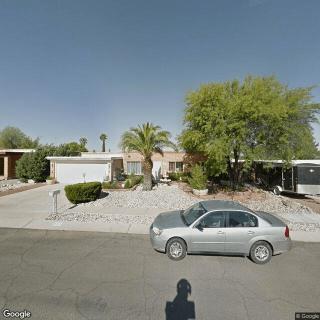
562 North Evelyn Avenue, Tucson, AZ 85710
For more information about senior living options: (866) 208-4318
Overall Review of Desert Haven Adult Care Home II
Cons
 The facility should be shut down.
- People should not bring their loved ones here.
- Holly allegedly manipulated the aunt with threats and emotional abuse.
- The aunt was admitted to the hospital after leaving the care.
- The care she received was completely preventable.
- There was negligence and cruelty experienced at the house.
Review
Desert Haven Adult Care Home II in Tucson is best considered by families that find themselves with very few options and are prepared to supervise care extremely closely. The reviews point to a setting where safety and humane treatment loom as central issues, and without strong oversight the risk of harm appears elevated. This is not a place to trust quietly; it demands active engagement, frequent check-ins, and readiness to step in if concerns arise. In practical terms, only those who can devote time and attention to monitoring daily care should consider it as a potential choice.
Explicitly, alternatives should be considered for anyone whose loved one requires reliable safety, respectful communication, and consistent, professional staffing. Families with residents who have significant medical needs, cognitive challenges, or behaviors that require skilled intervention would do well to explore facilities with clear licensing histories, transparent complaint records, and established clinical leadership. Those who cannot commit to ongoing, hands-on oversight should strongly prefer other options where staff turnover is lower and governance is more visible. For seniors who rely on predictable routines and compassionate caregiving, this community does not present a safe or dependable foundation.
The sparse pros suggested by the limited positive feedback are vastly outweighed by the main cons exposed in the available reviews. One episode describes manipulation and emotional pressure, framed as part of unsafe and potentially abusive care, culminating in a hospital admission after a discharge from this home. Even without more detail, such a report signals a breakdown in safeguarding, resident dignity, and medical prudence. In short, any perceived warmth or comfort from a small-house setting collapses under the weight of allegations about neglect and harm. The absence of corroborating, constructive, or verifiable positives makes the risk calculus clear: the downsides dominate.
Given these dynamics, a careful inquiry is essential if a tour is pursued. Ask for the facility’s licensing status and any prior or ongoing enforcement actions, request a complete complaint history, and review inspection reports with an eye for repeat deficiencies. Inquire about staff-to-resident ratios, the cadence of nurse or clinician visits, and the presence of a qualified administrator or clinical director who can be held accountable for daily operations. Demand concrete answers about how resident safety is monitored, how conflicts are de-escalated, and how grievances are documented and resolved. Such questions help separate a compliant shell from a culture of safety and respect.
On-site observation should focus on interaction quality and environment. Look for respectful, patient communication, not just cheerful surface-level smiles. Note how staff respond to distress, how quickly emergencies are addressed, and whether residents appear well-groomed and comfortable in their surroundings. Red flags include staff who speak to residents in a coercive tone, inconsistencies in how needs are acknowledged, and signs that residents are left unsupported during routine tasks. The physical setting matters too: cleanliness, accessibility of bathrooms, and absence of hazards (unlocked med cabinets, obstructed walkways) are essential indicators of daily care quality.
Ultimately, the decision leans toward pursuing other Tucson options that offer robust licensing, transparent accountability, and demonstrable care quality. If the choice is finite, pair any visit with a contemporaneous plan to verify staff stability and have a clear exit strategy should concerns arise. Consider in-home care or larger, licensed facilities with established clinical leadership and consistent staffing as safer long-term paths for seniors with medical or cognitive needs. Desert Haven II may appear small and approachable, but the hard truth is that safety and humane treatment cannot be gambled on; and in this market, the prudent move is to prioritize facilities with proven, verifiable care standards.
 5 resident community capacity
 Assisted Living
 Board and Care Home
 Cable or satellite TV
 Dining room
 Fully furnished
 Garden
 Housekeeping services
 Move-in coordination
 Outdoor space
 Telephone
 Wi-Fi/high-speed internet available
 Tucson International (11 miles away)
 24-hour supervision
 Activities of daily living assistance
 Assistance with bathing
 Assistance with dressing
 Assistance with transfers
 Diabetes diet
 Meal preparation and service
 Medication management
 Special dietary restrictions
 Transportation arrangement (medical)
 Transportation to doctors appointments
 Competitive pricing for semi-private and private rooms with private bathrooms and comprehensive care.

 An Extensive Exploration of the VA Aid and Attendance Benefit
 Senior Transition Services: Understanding Their Role, Cost, and Importance
 Exploring the Path to Senior Living: A Comprehensive Look at Independent Living and Assisted Living