
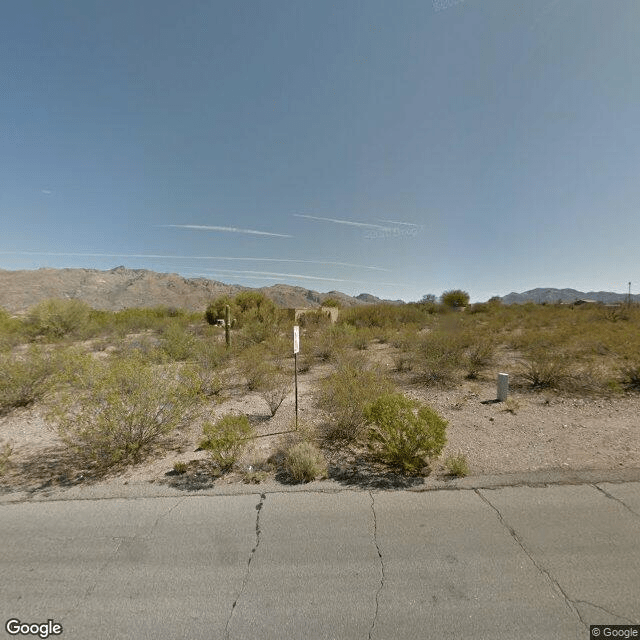
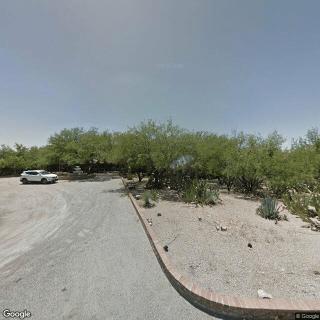
10561 East Roger Road, Tucson, AZ 85749
For more information about senior living options: (866) 208-4318
Dempsey's Adult Care Home Costs & Pricing
Dempsey's Adult Care Home offers competitive pricing for its residents, with costs that are generally lower than the average in both Pima County and the broader state of Arizona. For semi-private rooms, Dempsey's price ranges from $2,300 to $2,700, significantly undercutting Pima County's average of $2,805 and Arizona's statewide average of $2,820. Residents seeking private accommodations at Dempsey's can expect to pay between $2,800 and $3,240, again more economical compared to the county and state averages of approximately $3,332 and $3,345 respectively. Meanwhile, studio units at Dempsey's are priced at $3,510 - still a more affordable option compared to the local county rate of $3,786 and Arizona's average of $3,829. Overall, Dempsey's Adult Care Home presents a value-driven solution for adult care that prioritizes affordability while maintaining quality care standards.
| Floor plans | Dempsey's Adult Care Home | Pima County | Arizona |
|---|---|---|---|
| Semi-Private | $2,300 to $2,700 | $2,805 | $2,820 |
| Private | $2,800 to $3,240 | $3,332 | $3,345 |
| Studio | $3,510 | $3,786 | $3,829 |
Memory care communities with a similar price nearby
-
from +$400 / mo

Casa De Los Abuelos Dos
$2,700 to $3,200 / month14.8 miles away -
from +$200 / mo
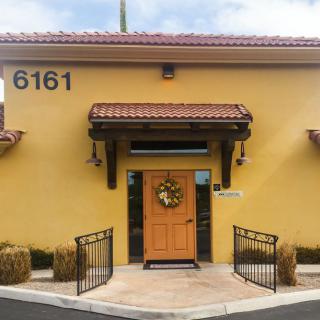
Fairmount Assisted Living
$2,500 to $3,500 / month6.2 miles away -
from -$172 / mo
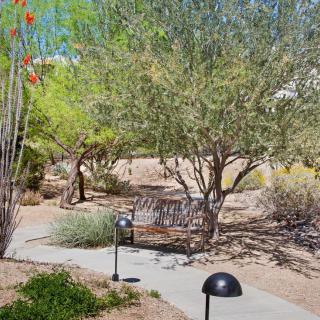
Sunrise at River Road
$2,128 to $3,530 / month11.5 miles away -
from +$295 / mo
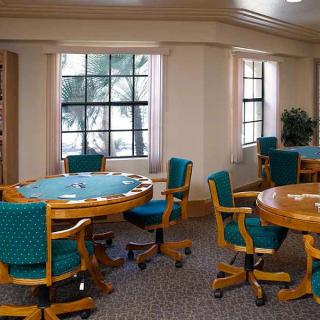
Atria Campana Del Rio
$2,595 to $7,095 / month10.7 miles away -
from +$200 / mo
Ocotillo House At Infinity Wilmot
$2,500 to $3,000 / month7.2 miles away
Overall Review of Dempsey's Adult Care Home
Pros
 Ruth and her assistants are caring people who direct residents in a loving manner.
- The home offers activities, great food, a clean environment, and many years of experience.
- Residents love the home.
- The caregivers genuinely care for the residents.
- The staff treat residents like family.
- Dempsey's provides love and care to all residents, creating a family-like atmosphere.
- Ruth is responsive and willing to help.
Cons
 The facility is described as horrible and not recommended for elderly sick people.
- The interior is nasty and dirty, with residents left without proper care.
- It’s described as the worst home care the reviewer has ever seen, with plans to report it to Adult Protective Services.
- The reviewer cannot believe elderly people live in that condition.
- The cost is criticized: $900 rent plus a $300 non-refundable deposit.
- The meals are only two tiny meals a day, and the fridge and front door are always locked.
- Cockroaches and bugs are present, and all residents seem to have declining health.
- The place is deemed dangerous, with cognitively impaired residents wandering and a past missing person incident.
Review
Dempsey’s Adult Care Home in Tucson is best suited for families seeking a small, home‑like setting where residents are treated as part of a family and where staff prioritize personal connection and daily warmth over clinical depth. This community tends to work well for seniors who thrive on close, individualized attention, predictable routines, and the sense that care comes from people who genuinely know them. It can be a reasonable fit for someone who does not require around‑the‑clock medical oversight and who values a compassionate, people‑first atmosphere more than modern amenities or institutional polish. In short, it serves as a practical option for those prioritizing heart and human touch above advanced care infrastructure.
Yet, clear cautions are warranted. Families should strongly consider alternatives if safety, sanitation, and consistent oversight are nonnegotiable. Multiple reviews flag serious concerns about cleanliness, pest issues, and overall upkeep, plus reports of doors or fridges being locked and residents with diminished mobility or cognitive challenges wandering or getting lost. A troubling history cited by some reviewers, an older incident involving a resident going missing and questions about responsiveness, signals potential gaps in supervision that may not align with every family’s risk tolerance. The credibility of some dementia‑related safety claims is disputed, but the tension between warmth and risk is real and should guide a careful due‑diligence process.
The strongest positives center on the human side of care. Several accounts describe Ruth and the caregiving team as genuinely caring, with staff who make residents feel valued and integrated into a family-like environment. Families report meaningful interactions, regular activities, good food, and a sense that a beloved family member is treated with respect and affection. The home’s intimate scale fosters relationships that can translate into improved mood, engagement, and a sense of belonging, benefits that can noticeably enhance quality of life when medical needs are stable. For some, the emotional support and continuity of caregivers outweigh other shortcomings.
Where the conversation turns decisively negative are the operational and safety concerns. The combination of limited daily meals (two small meals), locked storage and entry points, and allegations of unmanaged cleanliness creates a troubling mismatch with expectations for a safe, sanitary living space. The possibility of residents with cognitive impairments being unsupervised or insufficiently guided in a crowded or chaotic environment is a real risk for families already anxious about declining abilities. Add to that concerns raised about responsiveness and communication with staff, and the overall risk profile shifts toward requiring constant family involvement to mitigate gaps.
Balancing pros and cons hinges on what families can or will not tolerate in daily life. For caregivers who can actively supervise, visit frequently, and participate in ongoing oversight, the warmth and individualized attention offer meaningful value that can offset a number of logistical drawbacks. For others, especially those needing robust safety nets, consistent medical monitoring, cleaner facilities, and predictable supervision, the cons are likely to outweigh benefits. The decision rests on whether the anticipated emotional gains justify the potential risks and the level of family involvement required to keep care aligned with expectations.
Practical steps sharpen the decision. Prospective residents should schedule unannounced visits, speak with current residents and families, and request detailed care plans, staffing patterns, and daily routines. Verify licensing, complaint histories, and safety records with the Arizona Department of Health Services, and seek recent inspection outcomes. Ask for transparent cost breakdowns beyond the base rate, including meals, care services, and any deposits, and compare with nearby options that offer more robust safety features or dementia‑specific programming. If choosing Dempsey’s, enter with a plan for proactive oversight and clear expectations, recognizing the home’s distinctive warmth while remaining vigilant about cleanliness, safety, and responsiveness.
 9 resident community capacity
 Assisted Living
 Board and Care Home
 Memory Care
 Cable or satellite TV
 Dining room
 Fully furnished
 Garden
 Housekeeping services
 Move-in coordination
 Outdoor space
 Private
 Telephone
 Wi-Fi/high-speed internet available
 Tucson International (15 miles away)
 24-hour supervision
 Activities of daily living assistance
 Assistance with bathing
 Assistance with dressing
 Assistance with transfers
 Diabetes diet
 Meal preparation and service
 Medication management
 Special dietary restrictions
 Transportation arrangement (medical)
 Transportation to doctors appointments


 Comprehensive Guide to VA Nursing Homes: A Crucial Long-Term Care Resource for Veterans
 Estimating the Expenses of At-Home Dementia Care: A Detailed Exploration
 Comprehensive Insights on the Late Stages of Dementia: What to Expect and How to Provide Care