
6701 E Opatas St., Tucson, AZ 85715
To contact a resident: (520) 731-2915
For more information about senior living options: (866) 208-4318
Aging Grace, LLC Costs & Pricing
Aging Grace, LLC offers competitive pricing for its accommodations when compared to the broader market in Pima County and the state of Arizona. For a semi-private room, the cost is set at $2,850 per month, which is slightly above the county average of $2,805 and the state average of $2,820. Conversely, for a private room, Aging Grace's price of $3,550 positions it higher than both Pima County's average of $3,332 and Arizona's average of $3,345. These rates reflect Aging Grace's commitment to providing high-quality care and personalized services that may justify the premium in certain room types. Overall, while Aging Grace's costs are higher in some instances, they align with its goal of delivering exceptional value through enhanced living experiences for residents.
| Floor plans | Aging Grace, LLC | Pima County | Arizona |
|---|---|---|---|
| Semi-Private | $2,850 | $2,805 | $2,820 |
| Private | $3,550 | $3,332 | $3,345 |
Senior living communities with a similar price nearby
-
About the same

Abella Manor Senior Care, LLC
$2,800 to $3,200 / month3.3 miles away -
from +$300 / mo

Casa De Buena Vida
$3,150 to $3,450 / month9.4 miles away -
from +$350 / mo

Academy Villas
$3,200 to $7,000 / month13.2 miles away -
from -$550 / mo

Northwest Assisted Living
$2,300 to $2,500 / month10.8 miles away -
from -$350 / mo
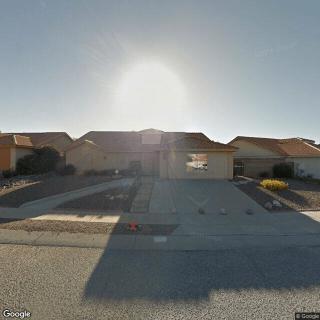
Grace Home I
$2,500 to $3,200 / month4.6 miles away
Overall Review of Aging Grace, LLC
Cons
 The owner refused to pay staff and there was no licensed care on site, forcing the family to move their mother.
- The owner refused to issue a refund.
- The staff were mean-spirited and cruel.
- The staff were always changing and had a bad attitude toward family inquiries.
- He was treated below average, and the management was below average and had a nasty attitude.
- That is why he no longer resides at Aging Grace.
Review
Aging Grace Adult Care in Tucson is best suited for independents who can move in with minimal on-site licensed care and for families prepared to take an active oversight role. The reviews imply a lean model where professional caregiving is not reliably on site, so residents must have external support and vigilant family advocacy. For seniors who need regular nursing, medication administration, or daily hands-on supervision, this arrangement is unlikely to meet needs and should prompt serious exploration of alternatives.
Those considering alternatives are families with loved ones who require consistent, licensed care, reliable staffing, and respectful, transparent communication. The pattern described by reviewers, frequent staff turnover, difficult or dismissive responses to family inquiries, and a management tone that many labeled as mean or nasty, creates a environment where trust and safety come into question. If dependable staffing, predictable routines, and constructive dialogue with leadership are non-negotiable, a different community is warranted.
When weighing any potential upside, the cons dominate and there is little visible evidence of meaningful compensating advantages. A smaller operation can offer a sense of familiarity in some settings, but the accounts here do not demonstrate stable, qualified on-site care or consistent staffing. The absence of licensed care on site is the single most consequential factor, effectively nullifying any claimed intimacy or attention. Financial practices and governance concerns, most notably disputes over payroll and refunds, further erode credibility and reliability, making it difficult to trust ongoing care and accountability.
The most troubling red flags center on staff stability, management demeanor, and responsiveness to family questions. One account describes an owner who refused to pay staff and a lack of licensed care on site, coupled with refusal to provide a refund. Another depicts residents treated below expected standards, compounded by a consistently negative attitude from leadership toward family inquiries. A third emphasizes ongoing staff turnover and a persistently poor attitude from management toward relatives seeking information. Taken together, these patterns threaten resident welfare, create uncertainty about day-to-day operations, and erode the foundational trust necessary for long-term placement.
For families evaluating options, a practical approach is essential. Verify licensing status and confirm that licensed professionals are available on site for routine care. Ask for a current staffing roster, turnover rate, and how shifts are staffed to ensure coverage. Request concrete examples of care plans, daily routines, and how medical needs are documented and implemented. Review refund and billing policies with precision, including any terms around dissatisfaction, move-outs, or changes in care levels. Finally, arrange a no-notice visit to observe interactions between staff, residents, and family members, and speak directly with current residents or their families about recent experiences. The goal is a reliable match between care requirements, staff consistency, and management transparency.
In conclusion, the consensus from these reviews is clear: Aging Grace presents meaningful risk for anyone needing dependable, licensed in-house care and stable, respectful communication. It is not a strong fit for most families seeking reliability and professional standards. Alternatives that offer licensed on-site care, steady staffing, and constructive engagement with families are strongly advised. If a decision is made to pursue Aging Grace, proceed with rigorous due diligence and explicit assurances on licensure, staff continuity, and transparent financial practices before committing.
 Board and Care Home
 Private
 Tucson International (11 miles away)
 Diabetic care
 Gentle, caring staff in a clean, small, close-knit community.





 Urinary Tract Infections in Older Adults: Comprehensive Insights on Symptoms, Treatment, and Prevention
 California's Form 602A: An In-Depth Examination of Senior Care Assessment
 Comprehensive Look at Senior Blood Pressure Charts: Normal and Elevated Levels by Age