
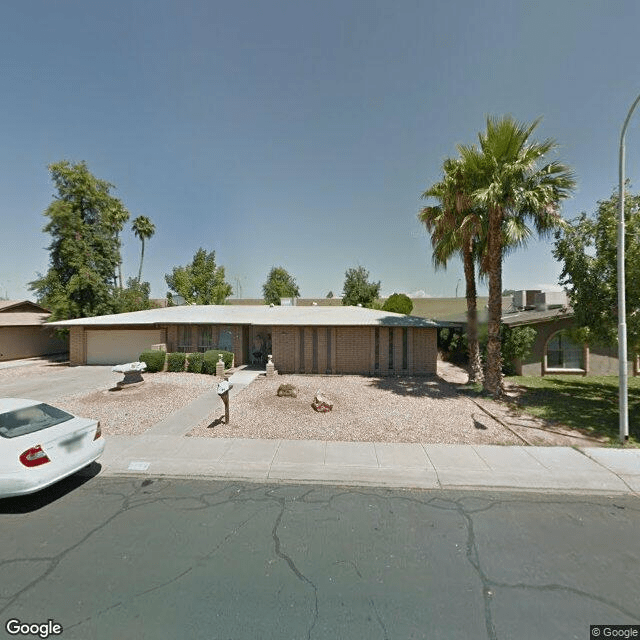
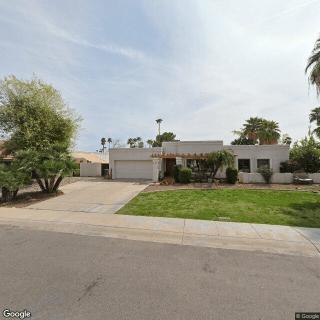
1884 East Greenway Drive, Tempe, AZ 85282
For more information about senior living options: (866) 208-4318
B And H Adult Care Home Costs & Pricing
B and H Adult Care Home offers a competitive monthly rate for private rooms, priced at $500, which is significantly lower than the average costs in Maricopa County and across Arizona. In contrast, the prevailing rates in Maricopa County stand at approximately $3,318, while state averages are slightly higher at about $3,345. This substantial difference highlights B and H Adult Care Home as an attractive option for families seeking quality adult care services without the financial strain typically associated with such facilities. Their affordable pricing not only underscores their commitment to accessible care but also positions them favorably within the broader market of elder care options in the region.
| Floor plans | B And H Adult Care Home | Maricopa County | Arizona |
|---|---|---|---|
| Private | $500 | $3,318 | $3,345 |
Assisted Living communities with a similar price nearby
-
from +$50 / mo
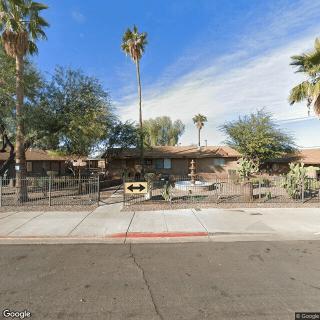
South Mountain Assisted Living
$550 to $5,000 / month7.4 miles away -
About the same
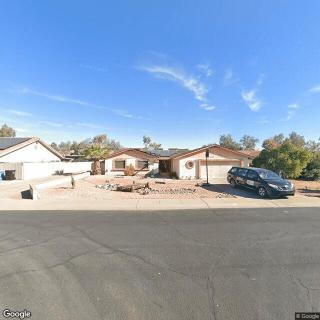
B & H Adult Care Home
$500 / month2.5 miles away
Overall Review of B And H Adult Care Home
Pros
 The wife was very pleased with the care and could easily visit her husband by walking in the front door.
- The home is well-run and clean.
- Rosemary and Sharon provide professional and loving care, treating residents like family.
- The staff monitors medications and serves excellent, balanced meals, keeping residents safe and well-nourished.
- The facility offers 24-hour qualified staffing and a family-style dining setting.
- Personal items are organized and residents are kept comfortable at all times.
- Elegant Care is a blessing to families and highly recommended for loved ones who can no longer remain independent.
Review
Elegant Care (B and H Adult Care Home) in Tempe emerges as a strong choice for seniors who want a warm, home-like assisted living experience where constant supervision, personalized attention, and dignified daily living are the standard. The setting suits memory-impaired residents, stroke survivors, and others who no longer live independently but still prize privacy, personal furnishings, and a family-style rhythm to meals and routines. Families seeking easy access to a trusted caregiver team will appreciate the arrangement that allows loved ones to be visited or checked in on without the barrier of a large campus. This community’s strength lies in turning care into a genuine, daily practice rather than a transactional service.
Those evaluating alternatives should note that this is not a large, clinical campus. For residents who require hospital-level medical interventions, aggressive rehabilitation, or highly specialized memory-care programming within a sprawling facility, other options with on-site physicians, broader therapy services, and a full array of medical supports may be more appropriate. The intimate, home-grounded model here prioritizes consistent, compassionate oversight over expansive clinical capabilities. Families contending with complex, multi-diagnostic needs or the expectation of a broad amenity slate should consider whether a larger setting with more specialized resources might better fit those demands.
The strongest pro set centers on the daily, around-the-clock presence of a qualified care team. Medication monitoring is practical and reliable, meals are described as well balanced and nourishing, and the residents’ safety and happiness are repeatedly highlighted. The environment remains clean and orderly, with personal items and clothing organized thoughtfully on arrival, helping residents feel settled quickly. Personal touches matter here: staff go the extra mile to maintain dignity, matching jewelry with outfits, ensuring each resident keeps their own clothing and furnishings, and creating a sense of normalcy that is rare in institutional settings. These details translate into consistently positive experiences for families.
This is precisely how the key positives offset potential drawbacks. While the home setting limits the breadth of services found in a larger facility, the reciprocal trust built with Rosemary and Sharon, who are repeatedly described as treating residents like family, compensates with depth of attention and emotional quality. The 24/7 staffing model means medical needs, daily routines, and safety checks are not deferred; instead, they’re integrated into a familiar, predictable day. For families, that translates into peace of mind: a loved one is known, cared for with warmth, and engaged in meaningful daily activities rather than isolated in a crowded, impersonal wing.
Another notable strength is the culture of positivity and hospitality that permeates the care environment. Reviews consistently describe a mood that feels uplifting, with staff who remember personal preferences, celebrate small daily milestones, and maintain a home atmosphere where residents feel valued. The staff’s willingness to arrange personal belongings, help with dressing, and maintain a certain sense of identity, whether that means wearing one’s own clothes or preserving jewelry, delivers a level of respect and continuity that many seniors struggle to find in more clinical settings. This culture lowers stress for families and reinforces the perception that care is both competent and compassionate.
For families weighing options, the practical conclusion is clear: Elegant Care stands out for those who want a nurturing, home-forward assisted-living experience backed by steady, attentive supervision. It is especially compelling for memory care, dementia progression, and stroke recovery scenarios where consistent, human-centered care can sustain quality of life and dignity. Prospective residents should plan a firsthand visit to observe caregiver interactions, meal routines, and how personal belongings are integrated into daily life. If the goal is a large, medically intensive campus with a broad spectrum of on-site medical services, alternatives should be explored; otherwise, this intimate setting offers a remarkably reliable balance of warmth, structure, and respect.
 10 resident community capacity
 Assisted Living
 Board and Care Home
 Respite Care
 Cable or satellite TV
 Dining room
 Fully furnished
 Garden
 Housekeeping services
 Move-in coordination
 Outdoor space
 Private
 Telephone
 Wi-Fi/high-speed internet available
 Phoenix Sky Harbor International (7 miles away)
 24-hour supervision
 Activities of daily living assistance
 Assistance with bathing
 Assistance with dressing
 Assistance with transfers
 Diabetes diet
 Diabetic care
 Meal preparation and service
 Medication management
 Special dietary restrictions
 Transportation arrangement (medical)
 Transportation to doctors appointments



 Exploring the Contrasts Between Assisted Living and Skilled Nursing
 8 Key Indicators That Suggest It May Be Time to Transition from Assisted Living to Skilled Nursing Care
 Vibrant Senior Living: A Comprehensive Guide for Active Older Adults