
15411 W. Becker Lane, Suprise, AZ 85379
To contact a resident: (602) 903-8385
For more information about senior living options: (866) 208-4318
VIP Assisted Living Costs & Pricing
VIP Assisted Living offers competitive pricing for its services, particularly when compared to the broader market in Maricopa County and throughout Arizona. For a semi-private room, residents can expect to pay $2,900 per month at VIP Assisted Living, which is slightly above the county average of $2,801 and the state average of $2,820. In contrast, for private accommodations, VIP Assisted Living's rate of $3,500 surpasses both the Maricopa County average of $3,318 and the state average of $3,345. These figures suggest that while VIP Assisted Living may be positioned at a higher price point for private rooms compared to local and state averages, it still provides valuable amenities and care options that justify this investment in quality senior living.
| Floor plans | VIP Assisted Living | Maricopa County | Arizona |
|---|---|---|---|
| Semi-Private | $2,900 | $2,801 | $2,820 |
| Private | $3,500 | $3,318 | $3,345 |
Senior living communities with a similar price nearby
-
About the same
Endeavor AL I
$2,950 to $4,200 / month24.3 miles away -
About the same
Royal Paradise Care
$2,900 to $3,800 / month3.6 miles away -
from -$100 / mo
Home of Helping Hands Assisted Living, LLC
$2,800 to $3,500 / month5.7 miles away -
from +$300 / mo
Assisted Living Home | Gardenia Care
$3,200 to $3,700 / month17.1 miles away -
from +$100 / mo

Bella Amore Assisted Living
$3,000 / month14.8 miles away
Overall Review of VIP Assisted Living
Pros
 VIP Assisted Living is an exceptional facility where residents are treated with VIP care.
- The staff provide excellent care and genuine compassion.
- Families can find peace knowing their loved ones are well cared for at VIP.
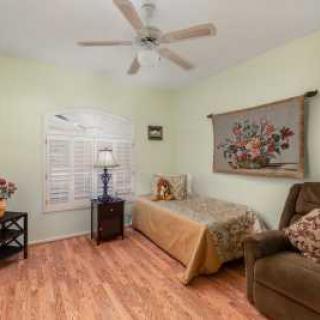
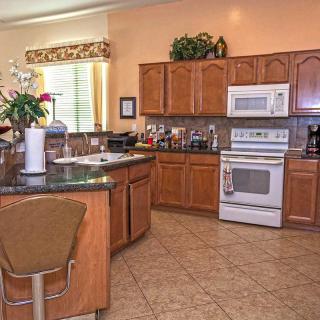
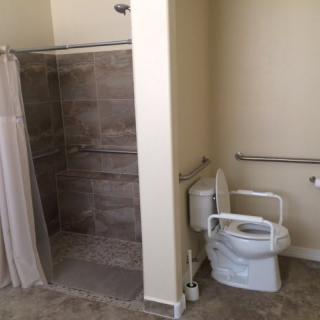
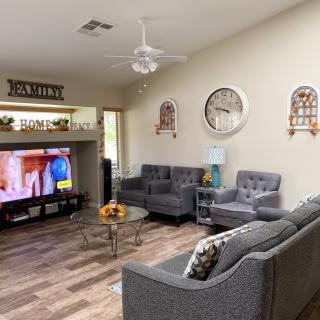
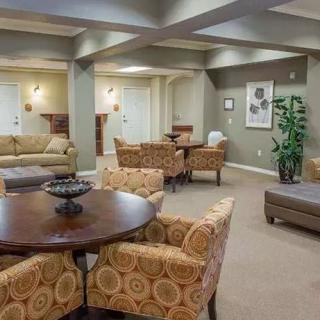
- The home is clean, spacious, and well maintained in a beautiful setting.
- The caregivers are gentle, loving, and attentive.
- The owner is compassionate and responsive, treating residents like family.
- The community is safe, reliable, and highly recommended for loved ones.
Review
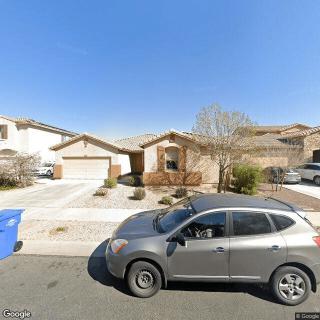
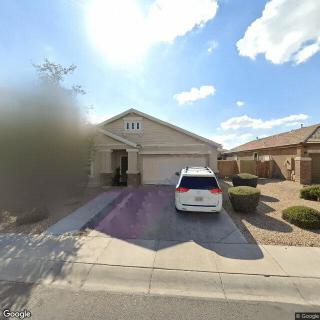
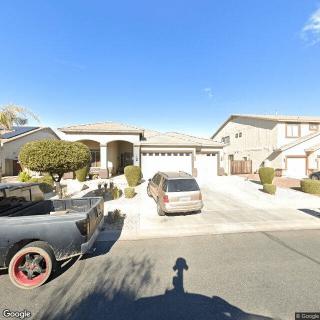
VIP Assisted Living in Surprise, AZ is best suited for families seeking an intimate, home‑like environment where residents receive deeply attentive, personalized care. The community consistently earns praise for a small‑scale, upscale setting that feels more like a family home than a medical facility. Reviews emphasize hands‑on involvement from the owner and leadership, a calm, clean atmosphere, and caregivers who treat residents with warmth, dignity, and respect. This is the kind of place where continuity matters: residents benefit from consistent staff and a culture that prioritizes comfort, security, and real human connection. For families prioritizing peace of mind through individualized attention, VIP stands out as a practical, emotionally reassuring option.
That said, not every situation is a perfect fit for VIP. Families facing high medical complexity or the need for robust, on‑site skilled nursing around the clock may want to consider alternatives. Larger commercial facilities can offer more comprehensive clinical services, broader rehab programming, and bigger campuses with more amenities. For those with tighter budgets or a preference for a more clinical, hospital‑like model, VIP may not align with expectations. In short, the best fit is a resident who thrives on a small, personalized setting where staff know names, routines, and preferences, and where medical needs are well managed within the scope of a small home environment.
The strongest pros, the standout caregivers, the owner’s direct responsiveness, and the consistently clean, well‑maintained surroundings, tend to offset the typical concerns one might have about a small home. Families repeatedly note that Andi, the owner, engages quickly by text, phone, or email, and that Abbey the manager is organized and intelligent in coordinating care. This level of accessibility matters tremendously when a resident’s day hinges on timely attention to changes in mood, appetite, or routine. The care team’s gentleness, patience, and genuine affection for residents translate into fewer anxious moments for families and more stability for elders who value predictability and a calm, respectful environment.
The testimonials collectively paint a portrait of reliability and warmth: residents with dementia or other conditions receive careful, compassionate care from caregivers who are described as loving and attentive. The setting, a neat, airy home within a gated, upscale community, appears to reinforce a sense of safety and belonging. In practice, this translates to fewer escalations and more opportunities for meaningful interaction, daily structure, and comfortable routines. Even when families face difficult transitions, the assurance that staff will respond with empathy and competence becomes a core strength of VIP, turning potential caregiver stress into confidence.
For families weighing the decision, several practical checks help determine fit. Ask about caregiver-to-resident ratios during peak hours, and inquire how memory care needs are specifically addressed in daily routines and safety protocols. Probe the care‑planning process: how often plans are updated, who signs off on changes, and how families are kept in the loop. Visit during different times of the day to assess engagement, activity options, and the level of supervision. Discuss costs relative to services offered and consider whether the premium placed on a small, highly personal setting aligns with the resident’s needs and family expectations. These conversations illuminate whether VIP’s strengths will translate into lasting comfort.
In the end, VIP Assisted Living delivers a clear verdict for the right audience. It is an ideal pick for families prioritizing intimate, personalized care, quick and thoughtful management responsiveness, and a setting that feels like home rather than a hospital. The strong downside , a smaller footprint with correspondingly limited medical programming , is largely mitigated by the proven quality of care, the outstanding staff culture, and the owner’s hands‑on commitment. For elders who thrive on continuity, personal attention, and a dignified, loving environment, VIP is a compelling, well‑founded choice. For those needing broad clinical services on a large campus, or a more expansive rehab program, alternatives should be explored without hesitation.
 Board and Care Home
 Phoenix Sky Harbor International (24 miles away)



 Compassionate Conversations: How to Comfort Someone Who Is Grieving
 Home Health Care Aides: Understanding Their Role and Supporting Your Family
 Urinary Tract Infections in Older Adults: Comprehensive Insights on Symptoms, Treatment, and Prevention