
16038 West Evans Drive, Surprise, AZ 85379
For more information about senior living options: (866) 208-4318
Sunrise Assisted Living Home II Costs & Pricing
Sunrise Assisted Living Home II offers a range of living arrangements that reflect the premium nature of its services. The costs for semi-private rooms stand at $3,600 per month, which is notably higher than the averages for both Maricopa County and the state of Arizona, priced at $2,801 and $2,820 respectively. For those seeking more privacy, studio apartments are available at $4,500 monthly, far surpassing the county and state averages of $3,960 and $3,829. Finally, private rooms are offered for $4,800 each month - again above the regional figures of $3,318 in Maricopa County and $3,345 statewide. These prices highlight Sunrise Assisted Living Home II's focus on providing enhanced care and amenities that come with a commensurate investment in quality living conditions for residents.
| Floor plans | Sunrise Assisted Living Home II | Maricopa County | Arizona |
|---|---|---|---|
| Semi-Private | $3,600 | $2,801 | $2,820 |
| Studio | $4,500 | $3,960 | $3,829 |
| Private | $4,800 | $3,318 | $3,345 |
Assisted Living communities with a similar price nearby
-
from -$700 / mo
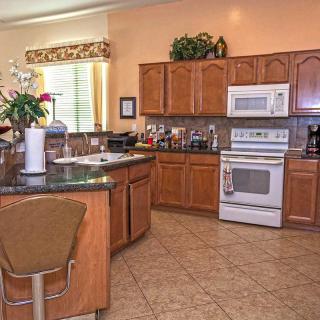
Royal Paradise Care
$2,900 to $3,800 / month3.2 miles away -
from -$600 / mo

Bella Amore Assisted Living
$3,000 / month15.6 miles away -
from +$240 / mo

Elite Senior Living
$3,840 to $4,992 / month19.0 miles away -
from -$600 / mo
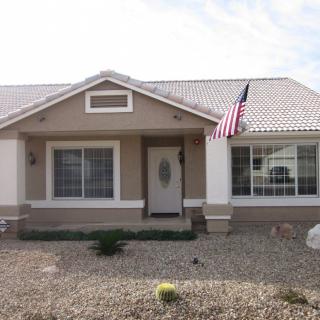
Parkview Assisted Living
$3,000 to $4,000 / month2.9 miles away -
from +$400 / mo
Desert Joy Assisted Living
$4,000 / month8.9 miles away
Overall Review of Sunrise Assisted Living Home II
Pros
 They did an excellent job taking care of aunt.
Cons
 The staff are taking more than an hour to clean her.
- She is sitting in her bed screaming for help.
- This lady peed on herself.
Review
Sunrise Assisted Living Home II in Surprise, AZ appears best suited for families seeking a smaller, home-like setting where care can be attentive on a day-to-day basis and where residents with moderate needs can get hands-on assistance without a higher-cost, institutional feel. The community likely serves individuals who mainly require help with activities of daily living, reminders for medications, and supervision rather than 24/7 intensive medical attention. It is a fit for families prioritizing personal interaction and a more intimate environment over aggressive programming or highly specialized dementia units. Those with stable, uncomplicated needs who value a grounded, approachable staff may find this setting meets reasonable expectations at a reasonable price.
For anyone evaluating alternatives, the warning label is clear: those who demand consistently rapid response to call bells, flawless incontinence management, or round-the-clock vigilance should look elsewhere. Residents with advanced dementia, aggressive behaviors, or frequent medical crises require facilities with stronger staffing ratios, more formalized escalation processes, andcertified memory-care expertise. Families who insist on uniform, end-to-end reliability and transparent staffing patterns, where one can count on immediate help in a crisis, will want to compare other communities with stronger track records in urgent responsiveness and safety to avoid the risk of delayed assistance.
One concrete pro evident in the available feedback is that when staff are aligned and attentive, care can be genuinely compassionate. The remark that “they did an excellent job taking care of aunt” signals that competent, warm, and effective assistance is possible within this home. In scenarios with supportive leadership and consistent caregiving teams, residents can experience dignity, personal attention, and well-managed routines. That positive note should not be dismissed; it demonstrates that the facility can deliver high-quality care in the right conditions and with the right staff assignments.
The most troubling con is a clear lapse in responsiveness and safety. A resident reportedly experienced incontinence and distress, with staff taking more than an hour to respond and assist, leaving the person in bed and crying for help. Such an incident raises serious concerns about call-system reliability, staffing coverage, and the ability to rapidly de-escalate a distressing situation. It also touches on dignity and comfort, since prolonged neglect undermines trust and can exacerbate anxiety for residents and families. This kind of slowdown is not a minor issue; it is a fundamental risk that families must weigh when assessing the overall quality of care.
In weighing the pros against the cons, the sharp contrast matters more than a lone favorable anecdote. The facility can deliver excellent care under the right conditions, but the negative example highlights systemic vulnerabilities that can undermine daily safety and peace of mind. For families that can implement rigorous oversight, request consistent caregiver assignments, and insist on clearly documented response times, Sunrise II may be workable. For others, particularly those unable to tolerate potential delays in urgent needs or who require steadier and more transparent staffing, alternatives with stronger track records are worth prioritizing.
Final guidance centers on due diligence and clear expectations. Prospective residents should demand a detailed visit focused on staffing patterns, call-bell response data, and how the home handles incontinent episodes and emergencies. Ask to meet care teams and observe a shift, specifically noting response times to residents in distress and the quality of interactions during routine tasks. If the answers feel uncertain or if supervision appears inconsistent, consider other communities with larger staffing pools and proven incident-free performance. In Surprise, AZ, a choice should reflect both the capacity for compassionate moments and the unmistakable absence of slow, unsettling delays in care.
 7 resident community capacity
 Assisted Living
 Board and Care Home
 Respite Care
 Cable or satellite TV
 Dining room
 Fully furnished
 Garden
 Housekeeping services
 Move-in coordination
 Outdoor space
 Telephone
 Wi-Fi/high-speed internet available
 24-hour supervision
 Activities of daily living assistance
 Assistance with bathing
 Assistance with dressing
 Assistance with transfers
 Diabetes diet
 Meal preparation and service
 Medication management
 Special dietary restrictions
 Transportation arrangement (medical)
 Transportation to doctors appointments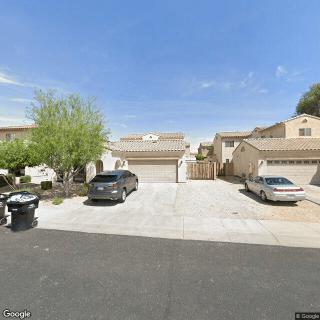





 Securing Financial Support for Assisted Living: A Comprehensive Overview
 Social Security Benefits and Assisted Living: Navigating Options Across the U.S.
 An Extensive Exploration of the VA Aid and Attendance Benefit