
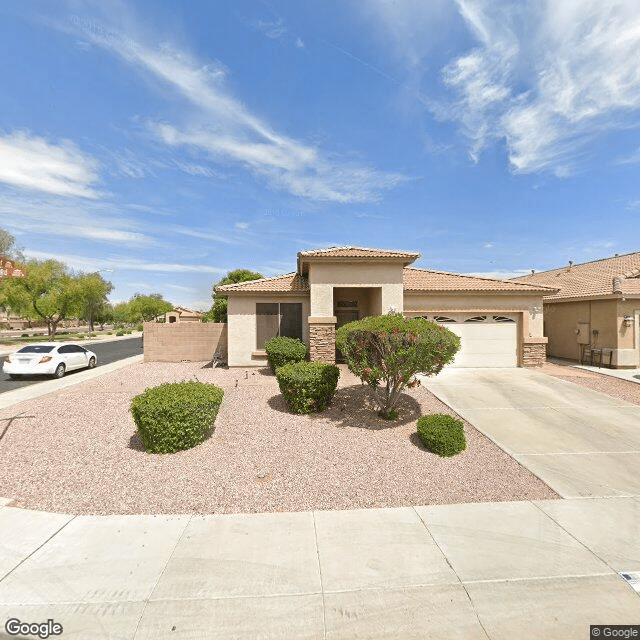
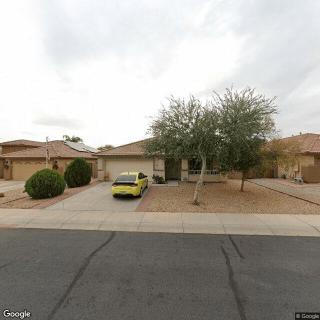
15978 West Redfield Road, Surprise, AZ 85379
For more information about senior living options: (866) 208-4318
Redfield Assisted Living Care Home Costs & Pricing
Redfield Assisted Living Care Home offers competitive pricing for its services, particularly in comparison to the broader market in Maricopa County and across the state of Arizona. For semi-private rooms, Redfield's cost of $1,800 per month is significantly lower than the county average of $2,801 and the state average of $2,820. Similarly, private room accommodations are priced at $2,500 per month, which again falls well below both Maricopa County's average of $3,318 and Arizona's overall average of $3,345. These favorable rates make Redfield Assisted Living an appealing option for families seeking quality care without compromising their budget.
| Floor plans | Redfield Assisted Living Care Home | Maricopa County | Arizona |
|---|---|---|---|
| Semi-Private | $1,800 | $2,801 | $2,820 |
| Private | $2,500 | $3,318 | $3,345 |
Assisted Living communities with a similar price nearby
-
from +$200 / mo
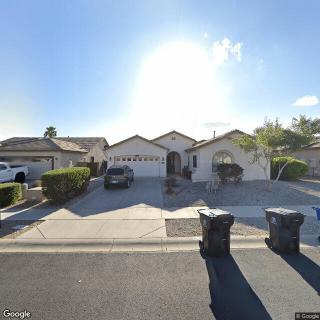
All Stars Assisted Living
$2,000 to $2,500 / month1.7 miles away -
from +$75 / mo
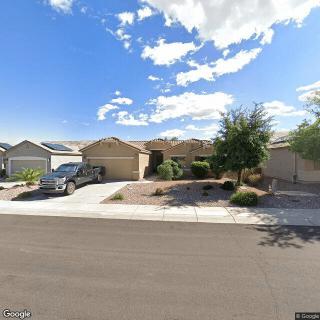
Marybela's Loyal Care
$1,875 to $3,010 / month1.9 miles away -
from +$200 / mo
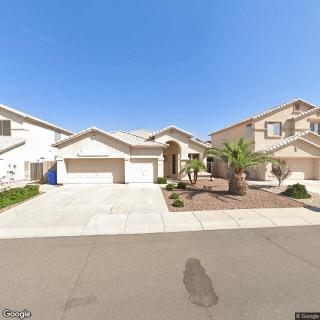
Desert Breeze Care Home
$2,000 / month16.5 miles away -
from +$200 / mo
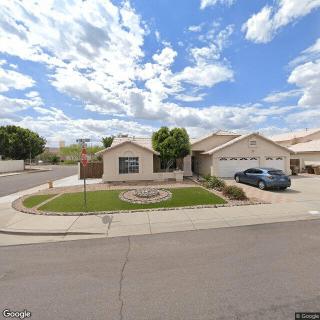
Christine's Rose Garden Home Care
$2,000 to $2,500 / month8.9 miles away -
from +$200 / mo

All Care Assisted
$2,000 to $2,500 / month2.8 miles away
Overall Review of Redfield Assisted Living Care Home
Pros
 Rob Craig took them in and made them feel right at home.
- The care staff are well trained and consistently ready to help, even in the middle of the night.
- Redfield Assisted Living and Rob Craig are highly recommended, and they take very good care of residents and make them feel like family.
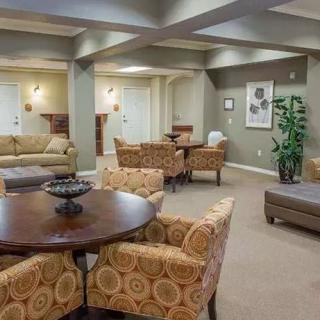
- The facility is clean and homey.
- Caregivers become like family or friends.
- The owner, Rob, is kind and goes out of his way to ensure residents are well taken care of and happy.
- Families feel immense relief knowing their loved ones are safe and cared for.
Cons
 Her mother was not treated very well at several other assisted living facilities in the Phoenix area.
Review
Redfield Assisted Living Care Home in Surprise, AZ is best suited for families seeking a compact, home-like setting where care is personal, immediate, and guided by a hands-on owner. This community shines for seniors who prize steady warmth and visible staff presence, especially at night, and who want to feel that day-to-day needs are met with a familiar routine rather than a fragmented corporate model. In practice, it appeals to relatives who have experienced impersonal care elsewhere and now want a place that treats mom or dad as part of the family, with responsiveness as a core operating principle.
Those with modest to moderate care needs and a desire for emotional security will find it a strong match. However, some families should consider alternatives if the priority is high-end medical management, complex memory care, or a broad spectrum of structured activities and amenities not typically found in smaller homes. The community’s strength lies in the human connection and the home atmosphere, not in sprawling campuses or hospital-like services. For residents who require frequent specialized therapies, constant clinical oversight, or an extensive calendar of programs, a larger assisted living or a specialized facility may deliver a more comprehensive suite of options.
Key strengths clearly center on the relational side of care. The owner, Rob Craig, is described as kind and proactively involved, ensuring that every resident feels cared for and appreciated. Staff are well trained and readily available, with a noted willingness to respond even in the middle of the night. The environment is clean, orderly, and homelike, with caregivers who become like family or close friends. Families repeatedly express relief and gratitude, noting that their loved ones are safe, engaged, and emotionally supported. Those elements, the trust, accessibility, and warmth, create a foundation where practical day-to-day needs are reliably met.
From a practical standpoint, the daily reality aligns with the glowing impressions: attentive assistance, dependable supervision, and a culture of warmth that reduces stress for families. The care model centers on consistent, person-centered attention rather than impersonal schedules. Residents enjoy a sense of belonging and continuity, which translates into greater peace of mind for relatives during a difficult life transition. The branding of care as a family affair is not marketing; it is the lived experience described by multiple residents and their families. In short, the core pro, accessibility, attentiveness, and a home-like environment, performs exceptionally well.
Are there downsides? The reviews illuminate none of the common criticisms that plague larger communities. The implicit trade-off in a smaller setting, fewer tiered services, a tighter social circuit, appears to be offset by the high level of staff accessibility and the emotional security of a close-knit community. For some families, that balance is exactly what improves quality of life; for others, the desire for a more expansive activity calendar or more clinical oversight might prompt exploration elsewhere. The bottom line: Redfield delivers remarkable personal care, and only families with those more expansive needs should look beyond.
Decisionwise, Redfield Assisted Living Care Home in Surprise stands out for seniors who value direct care, rapid responsiveness, and a real sense of home. It is particularly well-suited for those who want a caregiver-led environment that feels like family, with owners and staff who harmonize safety with emotional well-being. Those prioritizing medical complexity, aggressive therapy options, or broad-spectrum programming should consider alternatives that scale to those demands. For families seeking relief from the stress of finding a trusted, affectionate, and reliable place, this community delivers on every front. In informed terms, it earns strong confidence as a top option in its niche.
 7 resident community capacity
 Assisted Living
 Board and Care Home
 Cable or satellite TV
 Dining room
 Fully furnished
 Garden
 Housekeeping services
 Move-in coordination
 Outdoor space
 Private
 Respite or short term stays offered
 Telephone
 Wi-Fi/high-speed internet available
 24-hour supervision
 Activities of daily living assistance
 Ambulatory care
 Assistance with bathing
 Assistance with dressing
 Assistance with transfers
 Diabetes diet
 Diabetic care
 High acuity care
 Meal preparation and service
 Medication management
 Special dietary restrictions
 Transportation arrangement (medical)
 Transportation to doctors appointments
 Christian services



 Comprehensive Insights into Activities of Daily Living (ADLs) and Their Assessment
 Guiding Elderly Parents Who Refuse Assisted Living: 6 Practical Steps
 Your Comprehensive Guide to Luxury Assisted Living: Elevated Facilities, Amenities, and Costs