
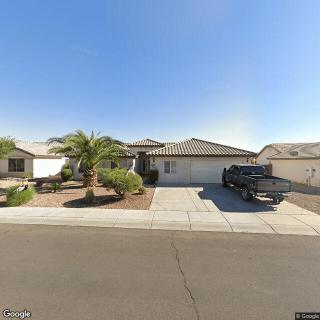
16752 N Greasewod, Surprise, AZ 85378
To contact a resident: (623) 584-4999
For more information about senior living options: (866) 208-4318
Overall Review of Lucy Anne' s Place
Pros
 Benevilla's staff are caring and attentive, and residents are often seen having fun and smiling.
- The people and facilities at Benevilla are nice, with activities available all day.
- Benevilla offers great hospitality, and the staff's efforts are greatly appreciated.
- Benevilla provides a supportive adaptive gym with camaraderie in fitness classes; Lori, Rudy, and Coach Briggs are fantastic, and visitors feel compassion and inspiration.
- The programs provide a great opportunity to work on physical issues.
- The organization welcomes volunteers and encourages community involvement.
- The care center in Surprise is very nice, with good facilities.
- Benevilla provides many great resources, and families have benefited from Purposeful Playgroup and Wirtzie's Child Development Center; all staff are caring and helpful.
Cons
 None found.
Review
Lucy Anne’s Place in Surprise, AZ is best suited for seniors who want an active, socially rich environment powered by a team that feels genuinely invested in daily well‑being. This community excels for residents who thrive on ongoing engagement, group activity, and practical wellness work rather than a purely residence-without-structure model. The reviews depict a place where activities fill the day in a meaningful way, where a sense of camaraderie forms around fitness and shared goals, and where staff are described as caring and attentive. The adaptive gym stands out as a core strength, a space where stroke recovery and other physical goals become a group effort, not a solitary quest. The overall atmosphere leans toward a service ethos that combines practical health benefits with social participation, so residents feel connected, supported, and competent in pursuing better quality of life. Add to that the intergenerational mix, child development and community programs that invite families into the experience, and the community becomes a hub for living well at every stage, not just passing time.
This is a clear fit for families who want a place that prioritizes heart-forward care and a robust menu of programs rather than a bare-bones, clinical setting. People arrive at Lucy Anne’s Place expecting to be engaged, to have opportunities to volunteer, and to participate in events that feel meaningful rather than routine. The reviews emphasize real hospitality, consistent kindness, and a staff culture that inspires trust. For caregivers, the ability to see a loved one smiling and having fun when picked up is a powerful signal that the environment is delivering emotional as well as physical benefits. The emphasis on adaptive fitness, social activities, and program access, ranging from purposeful playgroups to community outreach, suggests a philosophy of aging that centers strength, joy, and purpose. In practice, this means residents are not isolated in a room but embedded in a living, breathing community where progress and well‑being are collective goals.
On the strength side, the positives align with a clear resident outcome: improved mobility, boosted confidence, and a richer social life. The adaptive gym program, in particular, provides a practical path for those recovering from illness or managing chronic issues. The staff named in the feedback, Lori, Rudy, Coach Briggs, are highlighted as credible, compassionate catalysts for improvement, capable of turning exercise into a source of inspiration and daily momentum. The breadth of services, hospitality, daily activities, volunteer opportunities, and community‑center resources, creates a safety net beyond just meals and housing. Families also value the way Benevilla’s resources extend beyond the building, delivering benefits through child development and playgroups that reinforce a culture of caregiving and community. Taken together, these elements reduce isolation, amplify daily wins, and sustain engagement, which often translates into better mood, steadier routines, and longer participation in meaningful activities.
Yet there are practical boundaries to match the strengths. This setting appears to function best as a community-based, multi-service hub rather than a traditional, 24/7 medically oriented assisted living facility. For seniors who require continuous nursing supervision, skilled memory care, or private, medically monitored rooms, alternatives with dedicated memory-care wings or on-site licensed nurses will be a better fit. The busy schedule and rich programming may feel overwhelming for residents who prefer a quieter, more subdued pace, or for families seeking a narrowly focused care plan rather than a broad, community-wide ecosystem. The integrated model, while deeply restorative for many, also means navigation can involve coordinating with multiple programs and services rather than having a single point of medical oversight. Those expecting a conventional turnkey care setting should be prepared to evaluate how medical needs will be met elsewhere.
When these pros and potential trade-offs are weighed, Lucy Anne’s Place becomes a compelling choice for families prioritizing engagement, social vitality, and accessible wellness resources. For a resident who values daily activities, ongoing fitness opportunities, and intergenerational programming, the benefits clearly offset the lack of an in-house, traditional long-term care framework. The strong sense of community, paired with practical supports and a culture of genuine care, makes it easier to sustain motivation, participate in events, and maintain independence within a supported environment. The ability to volunteer, to participate in breakfast or special events, and to benefit from resources like playgroups or child development programs adds tangible texture to daily life that many facilities struggle to provide. In short, the major pro‑con tension here tilts decisively toward “yes” for those who want vitality, connection, and a broad safety net of community services.
For families evaluating Lucy Anne’s Place, a calculated next step is essential: arrange a visit that includes conversations with the care team about how health needs are managed, observe an activity in progress, and ask for a realistic sense of schedule, capacity, and costs. Clarify what happens when medical or escalating care needs emerge, and confirm how the adaptive gym fits into a long-term wellness plan. Consider the importance of volunteer opportunities and intergenerational programming as a gatekeeper for overall happiness and engagement. If the goal is a traditional, nurse-led, 24/7 care setting, look toward facilities that foreground constant medical oversight. If the aim is a near‑immediate lift in mood, mobility, and social connectedness through a well‑rounded community hub, Lucy Anne’s Place is a proven, practical choice that delivers on energy, empathy, and measurable quality‑of‑life gains.
 Day Program
 Phoenix Sky Harbor International (23 miles away)





 Caregiver Exhaustion: Recognizing the Signs and Restoring Your Well-Being
 Understanding Hospice Care at Home: Comprehensive Services, Key Benefits, and Eligibility
 Understanding the Full Cost of 24/7 In-Home Care: A Detailed Overview