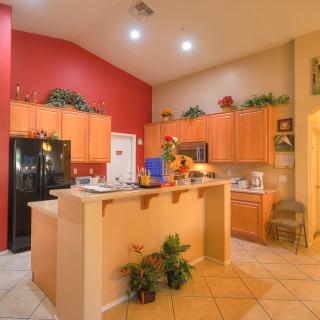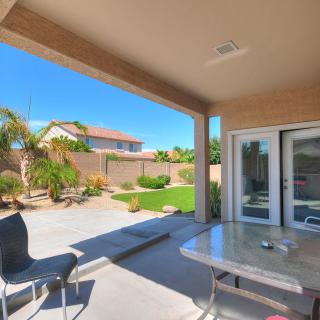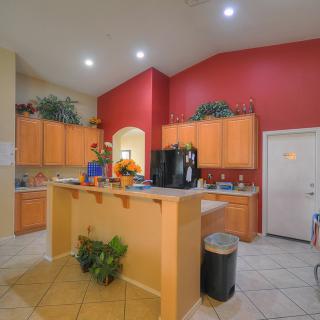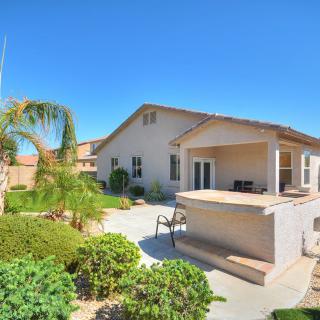
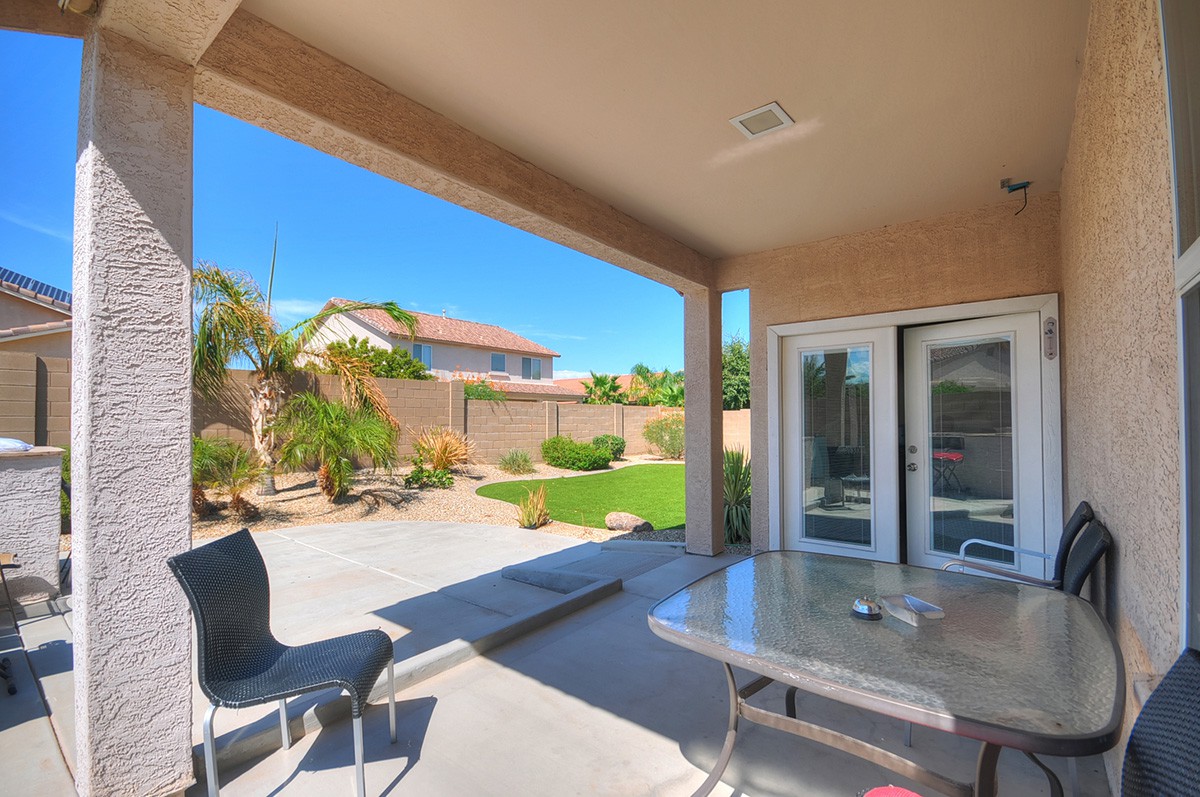
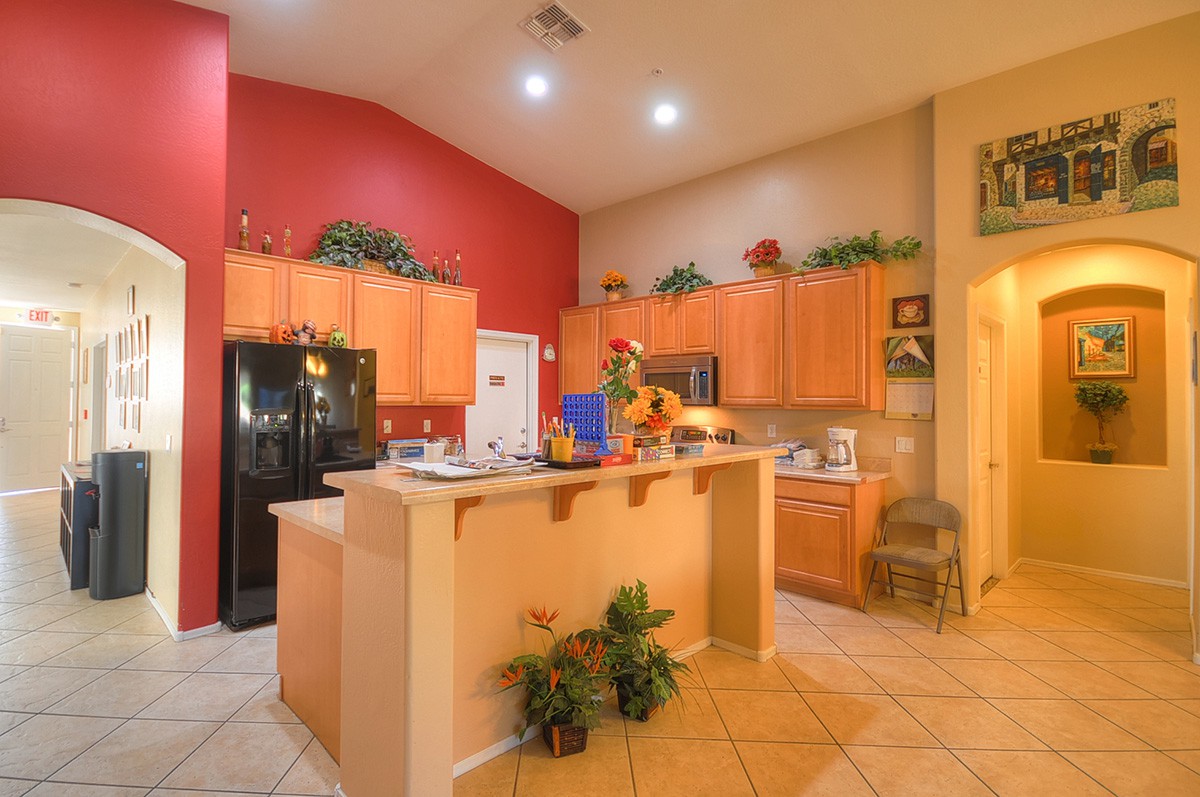
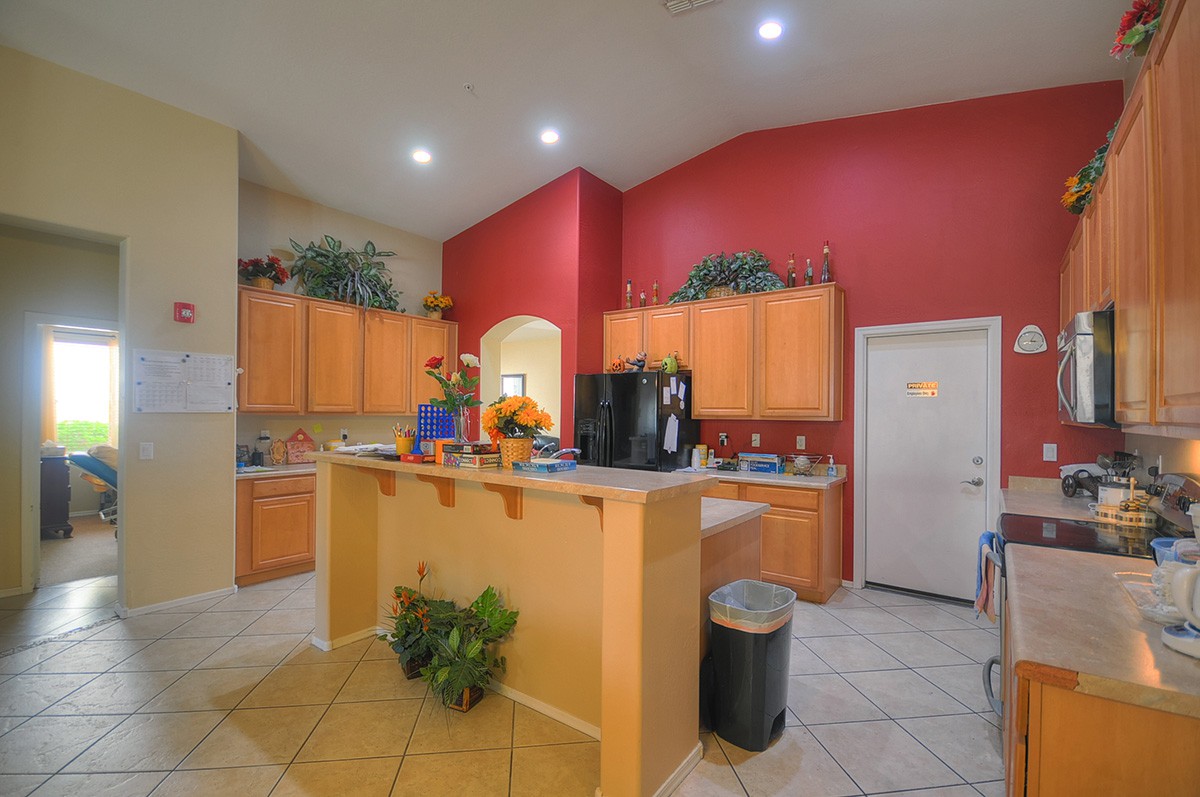
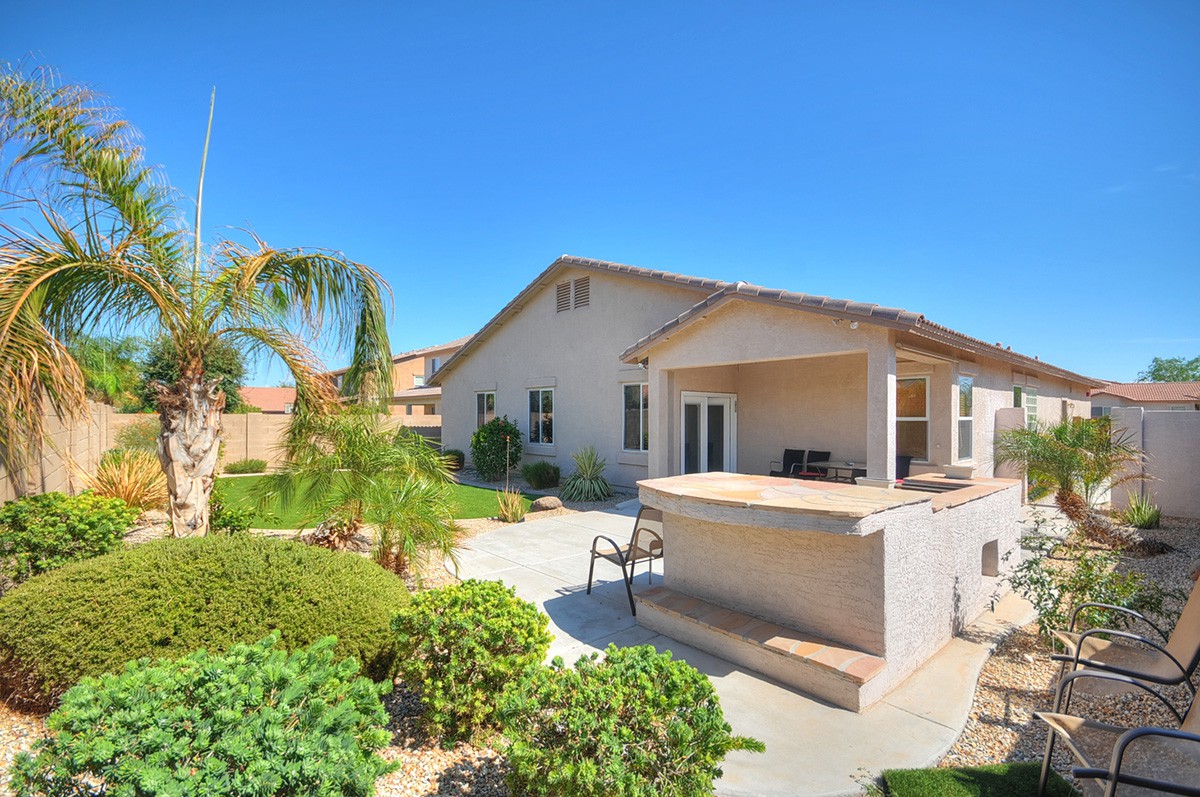
18530 West Port Au Prince Lane, Surprise, AZ 85388
For more information about senior living options: (866) 208-4318
Love And Care Assisted Living Costs & Pricing
Love And Care Assisted Living offers a range of accommodations at prices that reflect the quality of care and services provided. For semiprivate rooms, residents can expect to pay $4,030 per month, which is significantly higher than the average costs in both Maricopa County ($2,801) and the state of Arizona ($2,820). Similarly, private room rates at Love And Care stand at $4,836, again surpassing the local averages of $3,318 for Maricopa County and $3,345 statewide. While these costs may be above market rates, they often correlate with enhanced amenities and personalized care that ensure a supportive environment for residents.
| Floor plans | Love And Care Assisted Living | Maricopa County | Arizona |
|---|---|---|---|
| Semi-Private | $4,030 | $2,801 | $2,820 |
| Private | $4,836 | $3,318 | $3,345 |
Assisted Living communities with a similar price nearby
-
from -$190 / mo

Elite Senior Living
$3,840 to $4,992 / month21.7 miles away -
About the same
Desert Joy Assisted Living
$4,000 / month11.2 miles away -
About the same
Quail Manor Assisted Living
$4,000 to $4,900 / month14.8 miles away -
from -$470 / mo

The Inn Assisted Living & Memory Care
$3,560 to $5,210 / month11.4 miles away -
from -$280 / mo

Desert Sanctuary Assisted Living
$3,750 to $4,000 / month18.0 miles away
Overall Review of Love And Care Assisted Living
Pros
 Carolyn felt welcomed as family from day one and was surrounded by staff who met both her physical and emotional needs.
- Carolyn’s caregivers were described as angels, a true blessing to her and her family.
- The Love and Care team is amazing, professional, and genuinely caring.
- The mom was treated with love, respect, kindness, gentleness, professionalism, and care.
- The hospice care coordination, communication, and medication management at Port Au Prince were superb.
- The facility is among the best assisted living options west of Phoenix, with staff who go above and beyond and make residents feel like family.
Review
Love And Care Assisted Living in Surprise, Arizona is best suited for families seeking a profoundly home-like, emotionally grounded caregiving environment for a loved one who requires steady daily assistance and thoughtful medical coordination. The community earns its strength from a staff that makes residents feel welcomed as family from day one, delivering kindness, patience, and professional competence in equal measure. This is not a facility that treats aging as a checklist; rather, it treats the person as a whole, addressing physical needs while tending to mood, dignity, and connection. For seniors in the final chapter who benefit from consistent companionship, attentive supervision, and a sense of belonging, this is a standout option.
Those with substantial medical complexity that demands on-site 24/7 nursing, or residents who require specialized memory-care programming, might want to compare with larger, more clinical communities. If a family prioritizes a broader menu of amenities, a more active calendar, or a campus with multiple houses or campuses spread across the metropolitan area, alternatives may offer fewer compromises. Location considerations also matter: proximity to hospitals or family neighborhoods can influence the choice, and some families may prefer a single, larger footprint rather than a boutique setup.
Key benefits clearly revolve around the human relationships at the core: caregivers who are described as angels, a team that treats each resident like family, and a culture of respect and gentleness. Medication management and hospice coordination are highlighted as standout strengths, with families confident that complex care needs are shepherded smoothly. The professional, knowledgeable staff not only handles the routine tasks of caregiving but also supports emotional well-being, reducing anxiety for families and ensuring residents feel seen and safe. This combination, loving attention paired with competent clinical touch, creates a rare alignment that many families search for but seldom find in a mid-sized operation.
However, the trade-off comes in scale and scope. A boutique operation may not offer the same breadth of medical subspecialties or on-site rehab programs found in larger communities. The two-house arrangement referenced in reviews suggests some variability in environment or services between locations, which means outcomes can hinge on which house a resident calls home. For those who require robust social programming, memory-care design features, or immediate access to a wide network of specialists, there may be legitimate reasons to look at other options in the West Valley or beyond.
Yet the strongest advantages, unambiguous warmth, consistent communication, and a proven track record of compassionate, personalized care, substantially offset these potential gaps. When a resident is not simply cared for but genuinely cherished, the need for aggressive clinical saturation recedes as families gain trust that the care plan is being executed with both precision and heart. The hospice coordination and medication oversight, in particular, act as a stabilizing force that preserves continuity of care during difficult times. In short, the emotional peace of mind and the practical reliability of the caregiving team often outweigh the absence of a larger, more impersonal campus.
Decision-makers should approach with a clear set of questions: what is the current staff-to-resident ratio on each shift; how does the home handle medication management and emergency response; what is the process for integrating hospice or palliative needs; and how consistent is the experience across the different houses or rooms. If the goal is a loving, family-like environment with expert care coordination that respects dignity and offers genuine companionship, Love And Care Assisted Living in Surprise stands out as a compelling choice. For elders whose needs skew toward intensive medical oversight or specialized memory-care programming, alternatives should be considered, with visits and conversations to compare staffing, routines, and culture before committing.
 10 resident community capacity
 Assisted Living
 Board and Care Home
 Respite Care
 Cable or satellite TV
 Dining room
 Fully furnished
 Garden
 Housekeeping services
 Move-in coordination
 Outdoor space
 Telephone
 Wi-Fi/high-speed internet available
 24-hour supervision
 Activities of daily living assistance
 Assistance with bathing
 Assistance with dressing
 Assistance with transfers
 Diabetes diet
 Meal preparation and service
 Medication management
 Special dietary restrictions
 Transportation arrangement (medical)
 Transportation to doctors appointments




 Understanding the True Cost of Assisted Living in 2025: A Comprehensive Guide
 Understanding Medicaid Coverage for Assisted Living: A Comprehensive Guide
 How and When Medicaid May Cover Assisted Living Costs