




18431 West Port Royale Lane, Surprise, AZ 85388
For more information about senior living options: (866) 208-4318
Best Care Assisted Living Costs & Pricing
At Best Care Assisted Living, the monthly costs for accommodations are designed to be competitive and accessible, particularly when compared to broader rates in Maricopa County and the state of Arizona. For a semi-private room, residents can expect to pay $2,200 per month, which is significantly below the county average of $2,801 and the state average of $2,820. Similarly, for a private room, the cost is set at $2,500 - again more affordable than both Maricopa County's average of $3,318 and Arizona's statewide average of $3,345. This pricing structure reflects Best Care's commitment to providing quality care while ensuring that financial considerations remain manageable for families seeking assisted living options.
| Floor plans | Best Care Assisted Living | Maricopa County | Arizona |
|---|---|---|---|
| Semi-Private | $2,200 | $2,801 | $2,820 |
| Private | $2,500 | $3,318 | $3,345 |
Overall Review of Best Care Assisted Living
Pros
 They seem to be very friendly.
- The room is large.
- The food is not too bad.
- They offer activities for those who are able to participate.
- She is getting adjusted to it.
Cons
 Not licensed.
- It was a large room, but it's shared with someone else.
- There don't seem to do too many activities at Best Care Assisted Living because most of the patients aren't able to do too many activities.
Review
Best Care Assisted Living in Surprise, AZ is best suited for seniors who want a warm, budget-conscious setting where staff friendliness is evident and companionship can compensate for limited private space. The community leans toward a home-like, informal vibe, with relatively roomy shared accommodations and meals that are acceptable rather than upscale. It serves residents with light to moderate care needs and those who don’t require a packed daily programming slate. Families prioritizing social warmth over privacy or luxury amenities will likely find value here, provided realistic expectations about space and programming are in place.
Those evaluating options should explicitly consider alternatives if strict regulatory oversight or strong privacy protections are nonnegotiable. A core caveat from the reviews is ambiguous or lacking licensure, a red flag for safety, accountability, and access to standard protections. If licensure, clear medication oversight, staffing qualifications, and regulatory compliance matter most, it is prudent to explore licensed communities with verifiable credentials. For families insisting on documented standards, licensed board-and-care homes or larger licensed assisted living facilities in the area represent more reliable paths.
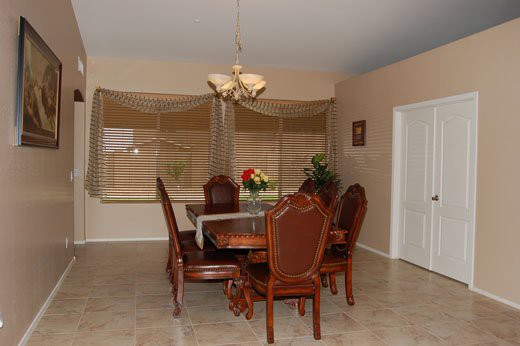
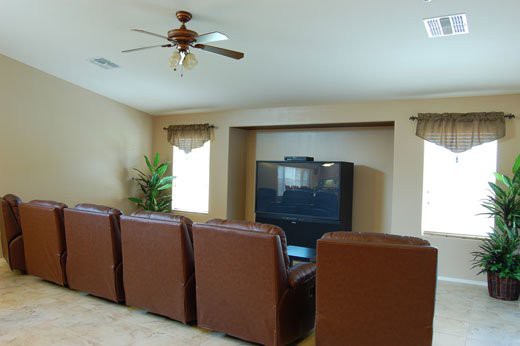
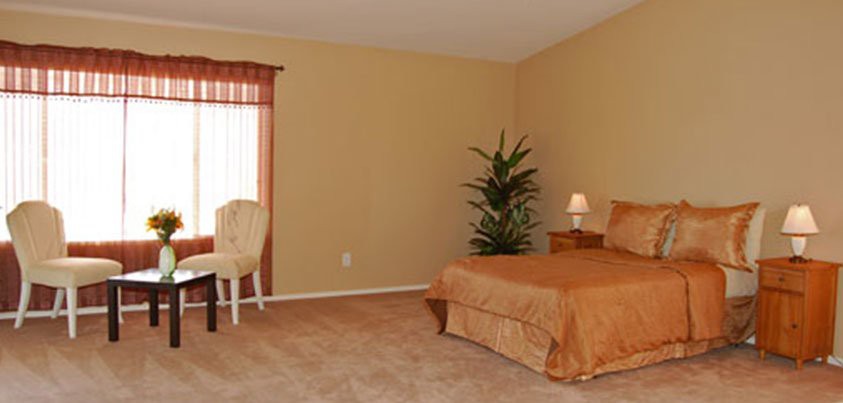
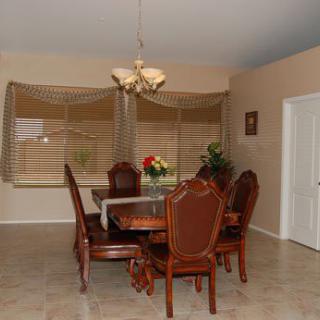
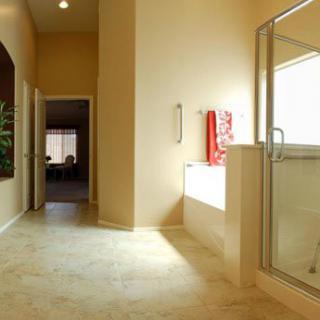
On the upside, Best Care’s staff are described as friendly and approachable, an important factor for daily routines and safety. Residents benefit from a generous room size, even when shared, which can alleviate some congestion and provide a feel of personal space within a communal setting. The dining experience is not deemed extravagant but is passable, offering meals that can sustain routine life without becoming a focal point of dissatisfaction. For residents who can participate in activities, there is some programming and social opportunity, which can anchor a sense of community and structure.
The major drawbacks, however, carry substantial weight. The most consequential issue is the facility’s licensure status, which undermines confidence in regulatory compliance, safety protocols, and consistent care practices. In practical terms, this means families must reassess risk tolerance and potential exposure to standards that are typically guaranteed by licensed operations. Even when staff are friendly and rooms are decent, the absence of robust licensing casts a long shadow on medication management, emergency response, and overall accountability. Additionally, the activity calendar is thin for residents with higher care needs, leaving fewer options for ongoing engagement and stimulation, and privacy is compromised by the shared-room setup, a mismatch for couples or residents who value quiet, personal space.
For families weighing next steps, a disciplined due-diligence plan is essential. Request current licensure status in writing and verify it with the state’s licensing authority before making a commitment. Seek a detailed, written description of care services, staffing patterns, and emergency procedures, and insist on a tour that includes private spaces, dining areas, and activity rooms. Interview current residents and family members to surface broader experiences beyond initial impressions. Compare costs and terms with licensed facilities that offer private rooms or more robust activity programming. If privacy, predictable oversight, and a well-rounded activity calendar are priorities, steer toward licensed options that meet established standards.
In sum, Best Care Assisted Living is a narrowly suitable choice for a specific slice of families: those who prioritize a friendly, homey atmosphere and budget-friendly living, and who can tolerate a shared room and a lean activity program amid uncertain licensure. For most seniors and their families, especially those who require dependable regulatory oversight, greater privacy, and more comprehensive programming, the recommendation is to explore alternatives. Prioritize licensed facilities with transparent care metrics and proven compliance to ensure safety, consistency, and meaningful engagement over time.
 10 resident community capacity
 Assisted Living
 Board and Care Home
 Respite Care
 Cable or satellite TV
 Dining room
 Fully furnished
 Garden
 Housekeeping services
 Move-in coordination
 Outdoor space
 Private
 Private bathrooms
 Telephone
 Wi-Fi/high-speed internet available
 24-hour supervision
 Activities of daily living assistance
 Ambulatory care
 Assistance with bathing
 Assistance with dressing
 Assistance with transfers
 Diabetes diet
 Diabetic care
 High acuity care
 Meal preparation and service
 Medication management
 Special dietary restrictions
 Transportation arrangement (medical)
 Transportation to doctors appointments
 Christian services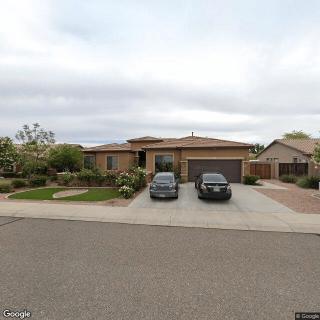







 Understanding the Distinctions: Assisted Living and Memory Care Explained
 Guiding Elderly Parents Who Refuse Assisted Living: 6 Practical Steps
 Your Comprehensive Guide to Luxury Assisted Living: Elevated Facilities, Amenities, and Costs