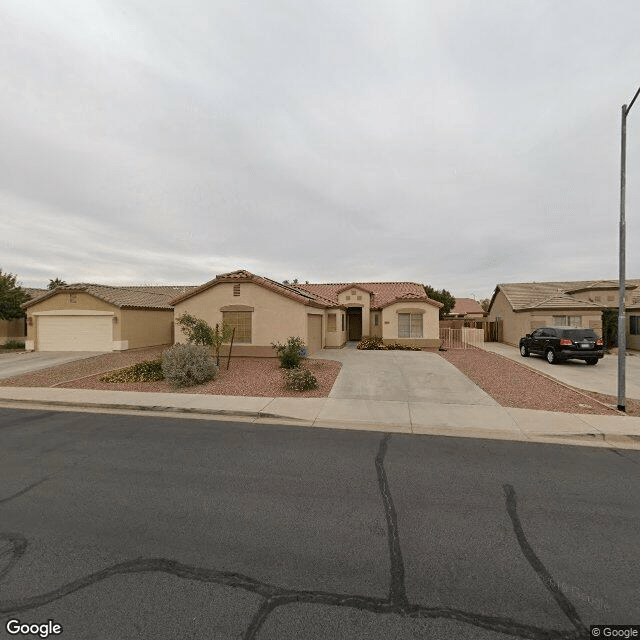
Dt Care 2 in Surprise, AZ

Save
Dt Care 2

Dt Care 2 in Surprise, AZ

Information last verified:

16422 West Sandra Lane, Surprise, AZ 85388

For more information about senior living options: (844) 490-3973

3.4 from 10 reviews
5 stars
6
4 stars
0
3 stars
0
2 stars
0
1 stars
4

Overall Review of Dt Care 2

Pros

  • pro Clients have had a wonderful experience at Then and Now.
  • pro The therapists have been kind and very helpful.
  • pro Rochelle has been an amazing help to clients over the past year.
  • pro Rochelle has been nothing but God-sent and supportive.
  • pro The children have built a good, trusting, healthy, professional client relationship with Elodia.

Cons

  • pro The facility is described as not a safe zone, with accusations of selfishness and a lack of real skills.
  • pro They warn that one should not come here for safety reasons.
  • pro The company is called horrible, with a billing error that led to a balance being sent to collections in the reviewer’s name and no prior notice.
  • pro Elodia and Rochelle are described as extremely unprofessional, yelling at clients, being condescending, and not encouraging an unbiased viewpoint for the family.
  • pro The counseling experience is labeled as the worst ever.
  • pro They advise not to trust anything when dealing with the staff.

Review

Dt Care 2 in Surprise, AZ presents a mixed profile that is best understood as workable for families who can anchor care around a trusted therapist and who are prepared to police billing and safety issues closely. The strongest case for this community rests on the presence of genuinely capable therapists in at least some sessions. Several accounts highlight kindness, attentiveness, and real progress when a specific counselor, most notably Rochelle, builds a sustained, supportive relationship. For families with a preferred clinician, the therapeutic rapport can translate into meaningful gains, steady motivation, and a sense of continuity across sessions. In short, when the care plan centers on one or two highly competent providers, meaningful therapeutic outcomes are accessible and tangible.

Yet this is not a uniform experience, and that discrepancy matters for decision-making. Families that require universal professionalism, consistent staffing, and dependable oversight across all encounters should proceed cautiously. The same set of reviews that extol the attentive work of certain counselors also recount episodes of unprofessional conduct from others, including yelling, condescension, and a lack of unbiased engagement with families. The safety and tone concerns cited by multiple reviewers are not minor flukes; they speak to a pattern that undermines trust in the overall environment. Those prioritizing a calm, respectful, consistently administered care process will want clearer commitments from leadership before committing.

Financial transparency adds another critical layer. Reports of unexpected bills, followed by collections actions years later, indicate a vulnerability in billing discipline that cannot be ignored. In senior care and therapy settings alike, such experiences erode trust and complicate care planning for families already juggling complex budgets. While some clients report prompt communication and straightforward billing with specific staff, the broader pattern described by several reviewers raises serious questions about accountability, documentation, and proactive communication. Any decision to engage should come with explicit, written assurances about billing practices, dispute resolution, and a defined escalation path.

On the pro side, the positive experiences repeatedly tied to Rochelle and a few other clinicians illustrate that skilled, compassionate therapy can deliver real value. Families with a compatible counselor often feel seen, understood, and able to work through difficult topics in a constructive way. The personal rapport translated into practical benefits, consistent attendance, a sense of safety in discussing sensitive issues, and a clear pathway toward objectives. When clients experience this level of engagement, it can compensate for some shortcomings elsewhere, provided the care team maintains that standard across sessions and stays accessible for questions or concerns.

The core dilemma, then, centers on consistency and safety versus bespoke therapeutic gains. The most compelling incentive to pursue Dt Care 2 is the presence of dedicated, effective clinicians who can anchor a family’s care plan over time. The most compelling reason to look elsewhere is the risk that other staff, or the institution at large, fails to maintain professional boundaries, safe practices, and transparent financial processes. In practice, the payoff of strong, ongoing therapy can be substantial enough to tolerate some variability in staff, but only if the system is willing to address core misalignments head-on and with visible accountability.

Practical steps separate the viable option from the constrained one. Start with a dedicated meeting involving the patient, a primary therapist (preferably Rochelle or another clearly effective clinician), and a billing liaison to set expectations, confirm a fixed care plan, and establish a transparent fee structure. Ask for a written statement of safety commitments, incident reporting procedures, and a clear escalation protocol for any negative interactions. Require a detailed, itemized billing schedule with timelines and a dispute resolution channel. Tour the facility with a critical eye on how staff interact with clients and families, and request recent references from current clients who have stayed with the practice long enough to gauge consistency.

Ultimately, Dt Care 2 can be a prudent choice for families that want to leverage high-quality therapy and are prepared to actively manage the risk landscape. When the care plan is anchored to a trusted clinician and backed by explicit protections around billing and safety, meaningful progress is very possible. For those unwilling to gamble on inconsistent staff, opaque charges, or unprofessional conduct, alternatives with a demonstrable track record of stable leadership, transparent processes, and uniform standards deserve serious consideration. The decision hinges on one core question: can the family secure a consistently positive therapeutic alliance while demanding uncompromising clarity and safety assurances, or is the risk profile too high to justify the potential gains?

Features

Housing

  • 6 resident community capacity 6 resident community capacity

Types of Care

  • Assisted Living Assisted LivingAssisted living facilities provide crucial support and care for seniors who may need help with daily tasks such as medication management, bathing, and meal preparation. These communities offer a safe and comfortable environment where seniors can maintain their independence while receiving the assistance they need to thrive in their golden years.
  • Board and Care Home Board and Care HomeBoard and care homes provide a smaller, more intimate setting for seniors who require assistance with daily tasks but do not need the level of care offered by a nursing home. They offer personalized care, meals, and social activities in a homelike environment, ensuring that seniors receive individualized attention and support in their golden years.
  • Respite Care Respite CareRespite care provides temporary relief for caregivers, allowing them to recharge and attend to their own needs. It also gives seniors the opportunity to socialize, receive professional care, and experience a change of scenery, promoting overall well-being and reducing feelings of isolation.

Amenities

  • Activities on-site Activities on-siteActivities on-site are important for seniors because they provide opportunities for socialization, mental stimulation, physical activity, and overall well-being. Engaging in activities can help seniors stay active, maintain their independence, and improve their quality of life.
  • Cable or satellite TV Cable or satellite TVCable or satellite TV is important for seniors because it provides entertainment, news, and companionship, helping to combat loneliness and boredom. It also offers a wide range of programming options tailored to different interests and preferences.
  • Devotional services off-site Devotional services off-siteDevotional services off-site are important for seniors as they provide spiritual nourishment, social engagement, and a sense of community outside of the senior living facility. This can enhance overall well-being and help combat feelings of isolation and loneliness often experienced by older adults.
  • Dining room Dining roomDining rooms are important for seniors as they provide a space for socialization, connection, and nutritious meals. They offer opportunities for residents to bond over shared meals, foster a sense of community, and promote healthy eating habits. Dining rooms also ensure that seniors have access to well-balanced meals tailored to their dietary needs and preferences.
  • Fully furnished Fully furnishedFully furnished senior living communities are important for seniors because they provide convenience, comfort, and a hassle-free moving experience. Seniors can easily settle into their new living space without the stress of having to buy and move furniture. This allows them to focus on enjoying their new home and community.
  • Garden GardenGardens are important for seniors as they provide a peaceful and therapeutic environment for relaxation, physical activity, and socialization. Being in nature has been shown to reduce stress, improve mood, and promote overall well-being. Gardens also offer opportunities for seniors to engage in gardening activities, which can improve mobility, flexibility, and cognitive function. Additionally, gardens create a sense of community and connection with others who share a passion for plants and outdoor spaces.
  • Housekeeping services Housekeeping servicesHousekeeping services are important for seniors because they help maintain a clean and safe living environment, promote independence, and reduce the risk of accidents or illnesses. Additionally, having assistance with household chores can alleviate physical strain and allow seniors to focus on other aspects of their well-being.
  • Indoor common areas Indoor common areasIndoor common areas are crucial for seniors as they provide a space for socialization, recreation, and community engagement, promoting overall well-being and reducing feelings of isolation and loneliness.
  • Move-in coordination Move-in coordinationMove-in coordination is important for seniors because it helps ease the transition into their new living environment. It ensures that all logistics, such as packing, organizing movers, and setting up utilities are taken care of, allowing seniors to focus on settling in and adjusting to their new home. Having a smooth move-in process can alleviate stress and anxiety, making the transition smoother and more enjoyable for seniors.
  • Outdoor space Outdoor spaceOutdoor spaces are important for seniors as they provide opportunities for physical activity, social interaction, exposure to natural light and fresh air, and a sense of connection to nature. Having access to outdoor spaces can improve overall well-being and quality of life for older adults living in senior communities.
  • Telephone TelephoneTelephones are important for seniors as they provide a lifeline for communication with loved ones, emergency services, and healthcare providers. They offer a sense of security and independence, enabling seniors to stay connected and access assistance when needed.
  • Wi-Fi/high-speed internet available Wi-Fi/high-speed internet availableWi-Fi/high-speed internet is important for seniors to stay connected with loved ones, access online resources, and participate in virtual activities to combat feelings of loneliness and isolation. It also allows them to easily manage healthcare needs, access entertainment, and engage in lifelong learning opportunities.

Care Services

  • 24-hour supervision 24-hour supervision24-hour supervision is important for seniors to ensure their safety, well-being, and access to immediate assistance in case of emergencies or health issues. This constant support provides peace of mind for both seniors and their loved ones, allowing them to age in place with dignity and security.
  • Activities of daily living assistance Activities of daily living assistanceActivities of daily living assistance are important for seniors because they provide essential support with tasks such as eating, bathing, dressing, and mobility. This assistance helps seniors maintain their independence, dignity, and overall quality of life as they age.
  • Ambulatory care Ambulatory care"Ambulatory care services provide essential medical support and treatment to seniors without requiring hospitalization, allowing them to maintain their independence and quality of life while managing chronic conditions or receiving routine medical care."
  • Assistance with bathing Assistance with bathingAssistance with bathing is crucial for seniors as it helps maintain personal hygiene, prevents infections, and ensures their overall well-being and comfort. It also provides a sense of dignity and independence for seniors who may struggle with this task on their own.
  • Assistance with dressing Assistance with dressingAssistance with dressing is important for seniors because it helps maintain their independence, promotes personal hygiene, prevents accidents and injuries, and improves overall quality of life. This service ensures that seniors can continue to dress comfortably and confidently, despite any physical limitations they may have.
  • Assistance with transfers Assistance with transfersAssistance with transfers is crucial for seniors as it helps prevent falls and injuries, maintains their independence, and ensures they can safely navigate their living environment. It also provides peace of mind for both seniors and their loved ones.
  • Coordination with health care providers Coordination with health care providersCoordination with health care providers is crucial for seniors to ensure proper medical care, medication management, and overall well-being. This collaboration helps prevent overlapping treatments, track progress more effectively, and provide comprehensive support tailored to individual needs.
  • Diabetes diet Diabetes dietA diabetes diet is crucial for seniors as it helps manage blood sugar levels, reduce risks of complications, and improve overall health and well-being. By following a balanced and nutritious diet tailored to their specific needs, seniors can better control their diabetes and enhance their quality of life.
  • Diabetic care Diabetic careDiabetic care is crucial for seniors as they are more susceptible to developing diabetes due to aging and other health conditions. Proper management of diabetes can help prevent complications such as heart disease, vision loss, and nerve damage, improving the overall quality of life for seniors in senior living communities.
  • Meal preparation and service Meal preparation and serviceMeal preparation and service are crucial for seniors as they may have limited mobility or energy to cook nutritious meals. Having access to healthy and convenient food options can ensure they are getting the proper nutrition needed to maintain their overall health and well-being.
  • Medication management Medication managementMedication management is crucial for seniors to ensure they are taking the right medications at the correct dosages and times. This helps prevent adverse drug interactions, reduces the risk of medication errors, and promotes overall health and well-being. Proactive management also allows for adjustments as needed based on changing health conditions or new prescriptions.
  • Special dietary restrictions Special dietary restrictionsSpecial dietary restrictions are important for seniors because age-related changes in metabolism and health conditions can make it difficult for their bodies to process certain foods. By following a diet tailored to their specific needs, seniors can maintain their overall health and well-being, manage chronic conditions, and reduce the risk of complications such as malnutrition or food interactions with medications.
  • Transportation arrangement (medical) Transportation arrangement (medical)Transportation arrangements for medical purposes are essential for seniors as they may have difficulty driving themselves to appointments or accessing public transportation. Having reliable and safe transportation options ensures that seniors can receive timely medical care and maintain their health and well-being.
  • Transportation to doctors appointments Transportation to doctors appointmentsTransportation to doctors' appointments is crucial for seniors as it ensures they have access to necessary medical care and support for their health needs. Without reliable transportation, seniors may struggle to attend important appointments, leading to potential delays in treatment and health complications. Providing transportation services helps seniors maintain their overall well-being and quality of life.
Dining

  • Diabetes diet Diabetes dietA diabetes diet is crucial for seniors as it helps manage blood sugar levels, reduce risks of complications, and improve overall health and well-being. By following a balanced and nutritious diet tailored to their specific needs, seniors can better control their diabetes and enhance their quality of life.
  • Meals provided Meals provided"Meals provided" are crucial for seniors in assisted living communities as it ensures they have access to nutritious, balanced meals without the stress of meal planning and preparation. This can help promote overall health and well-being for seniors who may have limited mobility or cognitive abilities.
  • Special dietary restrictions Special dietary restrictionsSpecial dietary restrictions are important for seniors because age-related changes in metabolism and health conditions can make it difficult for their bodies to process certain foods. By following a diet tailored to their specific needs, seniors can maintain their overall health and well-being, manage chronic conditions, and reduce the risk of complications such as malnutrition or food interactions with medications.

Activities

  • Activities on-site Activities on-siteActivities on-site are important for seniors because they provide opportunities for socialization, mental stimulation, physical activity, and overall well-being. Engaging in activities can help seniors stay active, maintain their independence, and improve their quality of life.
  • Community-sponsored activities Community-sponsored activitiesCommunity-sponsored activities are important for seniors as they provide opportunities for social interaction, mental stimulation, and physical activity. These activities can help improve overall well-being, combat loneliness and isolation, and promote a sense of belonging and purpose among older adults.
  • Devotional activities offsite Devotional activities offsiteDevotional activities offsite are important for seniors because they provide social engagement, spiritual growth, and a sense of community outside of their living environment. This can improve overall well-being, mental health, and combat feelings of isolation or loneliness.
  • Scheduled daily activities Scheduled daily activitiesScheduled daily activities are important for seniors because they provide structure, socialization, mental stimulation, and physical activity. Engaging in regular activities can improve overall well-being and quality of life for seniors living in a community setting.

Description

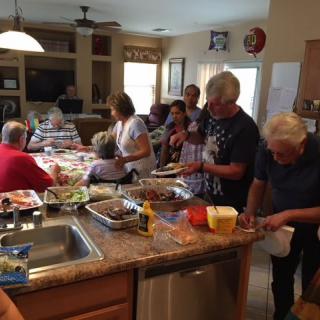
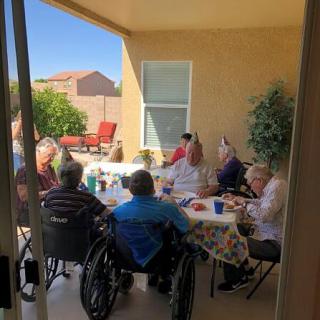
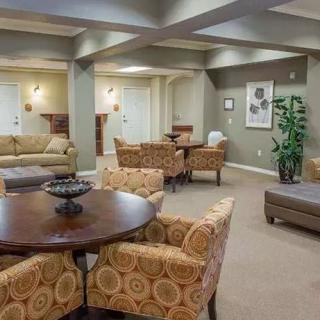
The DT Care 2 assisted living community in Surprise, AZ offers a comfortable and supportive environment for seniors needing board and care home or respite care services. Our fully furnished facility provides a range of amenities to enhance the residents' stay. With cable or satellite TV, Wi-Fi/high-speed internet, and devotional services off-site, our residents can enjoy entertainment and spiritual growth.

Meals are provided in our dining room, with special dietary restrictions taken into consideration. Housekeeping services ensure that our indoor common areas and private rooms are always clean and tidy. Residents can also relax and socialize in our beautiful garden and outdoor spaces.

Our dedicated staff provides various care services to assist with daily activities such as bathing, dressing, transfers, and ambulatory care. We collaborate closely with healthcare providers to ensure coordinated medical care for our residents. We also offer diabetes diet management and diabetic care.

Medication management is another essential service we provide to ensure the well-being of our residents. Our team also assists with transportation arrangements for medical appointments.

In addition to these personalized care services, we offer a variety of community-sponsored activities and scheduled daily activities to keep our residents engaged and active. For those looking to explore the area, we have numerous cafes, parks, pharmacies, physicians' offices, restaurants, places of worship, theaters, and hospitals nearby.

At DT Care 2 in Surprise, AZ, we strive to create a warm and inviting atmosphere where seniors can feel at home while receiving the support they need for an enjoyable retirement experience.

Nearby Places of Interest

This particular part of Surprise, Arizona offers a convenient and diverse range of amenities for seniors looking to settle down in a welcoming community. With a variety of dining options including Popeyes Louisiana Kitchen, Babbo Italian Eatery, and Culver's, residents can enjoy a mix of cuisines just a short distance away. Nearby cafes such as Sumo Snow and multiple Starbucks locations provide opportunities for socializing and relaxation. Access to medical care is also readily available with physicians like Northwest Valley Oral And Facial Surgery and pharmacies like Walgreens and CVS Pharmacy in close proximity. Additionally, the area offers places of worship like St Clare of Assisi Catholic Church, parks such as Kingswood Parke HOA Park and Veramonte Park for outdoor activities, as well as easy access to healthcare facilities like Apricus Medical Group. For entertainment, seniors have the option to visit theaters like AMC Surprise Pointe 14. Overall, this part of Surprise provides a well-rounded setting for seniors seeking a vibrant yet peaceful living environment.

Restaurants

  • Popeyes Louisiana Kitchen (0.4 miles)
  • Babbo Italian Eatery (0.5 miles)
  • McDonald's (0.5 miles)
  • Taco Bell (0.5 miles)
  • Culver's (0.5 miles)
  • Jack In The Box (0.7 miles)
  • Wendy's (0.7 miles)

Cafes

  • Sumo Snow (0.5 miles)
  • Starbucks (0.8 miles)
  • Starbucks (1.3 miles)
  • The Grand Cafe (2 miles)
  • Starbucks (2 miles)
  • Starbucks (2.7 miles)
  • Starbucks (3.5 miles)

Physicians

  • Northwest Valley Oral And Facial Surgery (0.9 miles)
  • Radiant Complexions Dermatology Clinics (0.9 miles)
  • Nationwide Vision (0.9 miles)
  • Young Arizona Pediatrics (1.1 miles)
  • Arizona Vein & Laser Institute - Surprise (1.3 miles)
  • Desert Valley Pediatrics (1.5 miles)
  • Jalal Abbas, MD (1.7 miles)

Pharmacies

  • Walgreens (1 miles)
  • CVS Pharmacy (1.1 miles)
  • Fry's Pharmacy (1.1 miles)
  • CVS Pharmacy (1.2 miles)
  • Walgreens (1.2 miles)
  • Walmart Pharmacy (1.3 miles)
  • Walmart Pharmacy (1.4 miles)

Places of Worship

  • St Clare of Assisi Catholic Church (1.1 miles)

Parks

  • Kingswood Parke HOA Park (1.9 miles)
  • Surprise Community Park (2 miles)
  • Pet Park Sun City Grand (2.1 miles)
  • Veramonte Park (3.7 miles)
  • Indoor Playgrounds International (4 miles)
  • Asante Park (4.4 miles)

Hospitals

  • Apricus Medical Group (3.1 miles)

Theaters

  • AMC Surprise Pointe 14 (3.7 miles)

Frequently Asked Questions

Where is Dt Care 2?

Nearby Communities

  • DT Care

    DT Care

    Surprise, AZ

    4 from 2 reviews
     

    pro Clean, home-like setting with attentive staff and an affordable semi-private option.

  • A Paradise for Parents 164th Lane

    A Paradise for Parents 164th Lane

    Surprise, AZ

    4.9 from 23 reviews
    $2,800 to $3,500 / month

    pro Long-tenured, attentive staff with strong communication and safe, well-managed care.

  • A Parent's Paradise

    A Parent's Paradise

    Surprise, AZ

    4.9 from 9 reviews
     

    pro 24-hour supervision and ADL support with diabetes-friendly dining in a home-like setting and organized activities.

  • The Oasis At Fellowship Square Surprise

    The Oasis At Fellowship Square Surprise

    Surprise, AZ

    5 from 10 reviews
     

    pro Extensive amenities and 24/7 care on-site.

  • The Oasis at Fellowship Square Surprise

    The Oasis at Fellowship Square Surprise

    Surprise, AZ

    5 from 10 reviews
     

    pro Specialized memory care with on-site activities and diabetic care.

  • Dolce Vita

    Dolce Vita

    Surprise, AZ

    4.8 from 5 reviews
     

    pro Small, home-like setting with personalized care and on-site dining.

  • Orchard Pointe at Surprise

    Orchard Pointe at Surprise

    Surprise, AZ

    4.5 from 119 reviews
    $2,860 to $5,465 / month

    pro Warm, friendly staff and a clean, engaging community.

  • Vineyard Park of Surprise

    Vineyard Park of Surprise

    Surprise, AZ

    4 from 68 reviews
    $3,400 to $4,900 / month

    pro Clean, well-maintained facility with friendly staff and engaging activities.

  • Surprise Farms Assisted Living

    Surprise Farms Assisted Living

    Surprise, AZ

    4.9 from 12 reviews
    $2,700 to $3,500 / month

    pro Exceptional staff and a clean, welcoming environment.

Related Resources

  • active senior livingVibrant Senior Living: A Comprehensive Guide for Active Older Adults

    Vibrant Senior Living emphasizes active senior living communities that promote independence and engagement through diverse amenities and activities, fostering wellness and social interaction among older adults. These communities range from independent to assisted living, with a focus on personal growth, family involvement, financial planning, and leveraging technology to enhance residents' experiences.

  • when to move from assisted living to memory careWhen to Transition from Assisted Living to Memory Care: Key Indicators, Steps, and Finding the Right Community

    Transitioning from assisted living to memory care is driven by an individual's cognitive decline and specific needs, requiring careful evaluation of indicators like increased confusion and wandering. The process involves consulting medical professionals, researching suitable communities, considering financial and legal aspects, and ensuring effective communication for personalized care plans.

  • assisted living vs memory careAssisted Living and Memory Care: Understanding Their Core Differences

    Assisted living provides moderate support for seniors seeking independence, while memory care offers specialized support for individuals with dementia or cognitive impairments through structured routines and trained staff. Key differences include care approaches, environment security measures, staff training levels, activity types, and cost considerations.