
15664 North 164Th Lane, Surprise, AZ 85388
To contact a resident: (623) 214-9262
For more information about senior living options: (866) 208-4318
Dolce Vita Costs & Pricing
At Dolce Vita, the monthly costs for various room types present a competitive value when compared to the broader market in Maricopa County and the state of Arizona. For instance, residents opting for a semi-private room at Dolce Vita will pay $2,000, which is significantly lower than the county average of $2,801 and the state average of $2,820. Similarly, both private rooms and one-bedroom suites are priced at $3,500 at Dolce Vita, offering affordability against Maricopa County's pricing of $3,318 and Arizona's average of $3,345 for private accommodations. This pricing structure not only highlights Dolce Vita's commitment to providing excellent living options but also ensures that residents enjoy substantial savings without compromising on quality or comfort.
| Floor plans | Dolce Vita | Maricopa County | Arizona |
|---|---|---|---|
| Semi-Private | $2,000 | $2,801 | $2,820 |
| 1 Bedroom | $3,500 | $3,473 | $3,532 |
| Private | $3,500 | $3,318 | $3,345 |
Overall Review of Dolce Vita
Pros
 The reviewer expresses gratitude and notes it was great doing business with them.
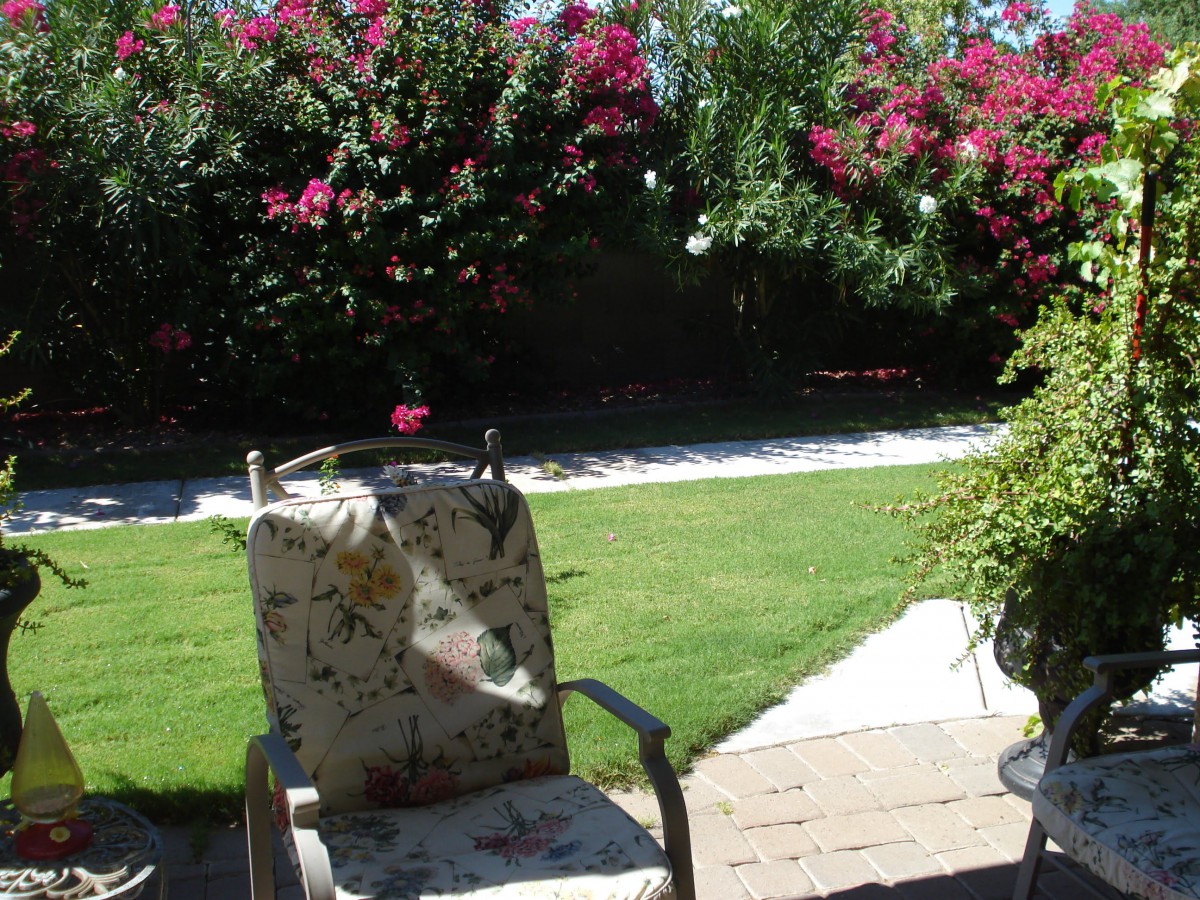
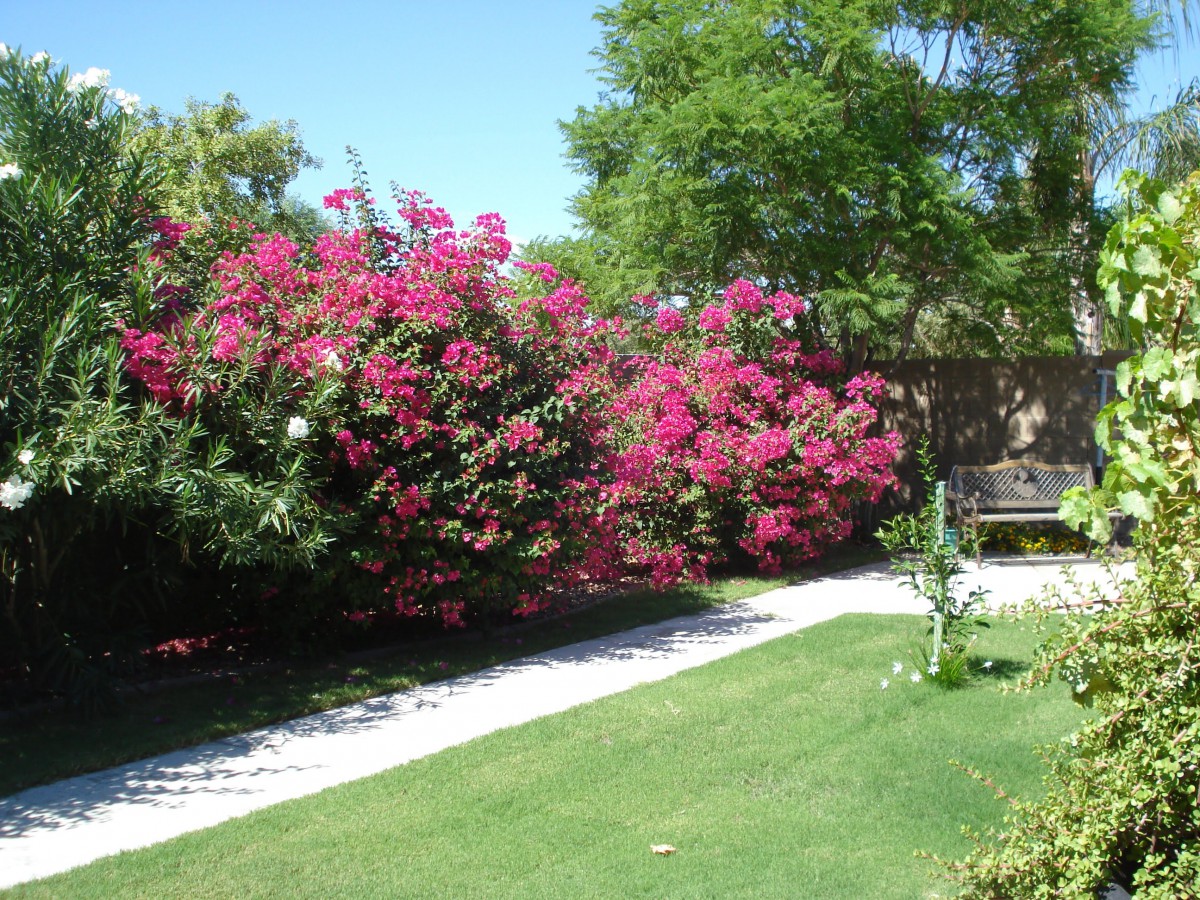
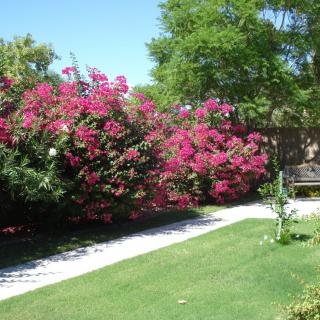
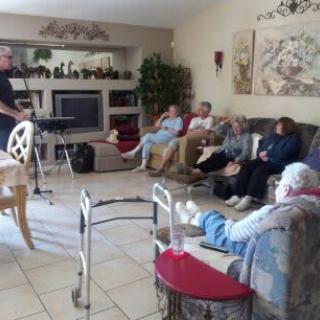
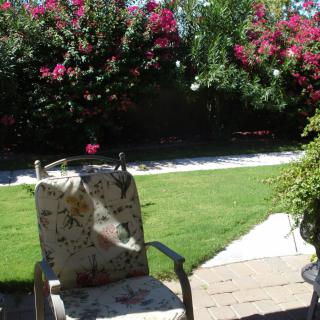
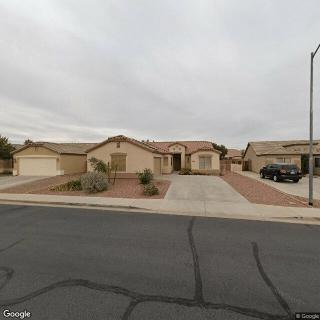
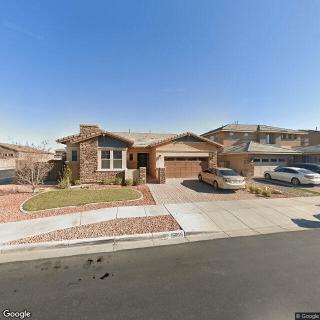
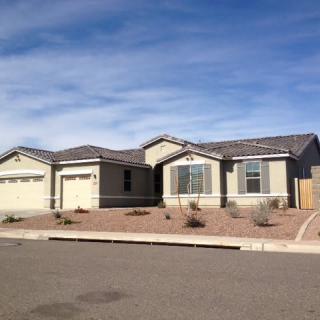
- The home is in a safe, family-oriented neighborhood with an enclosed backyard and security systems to support resident well-being.
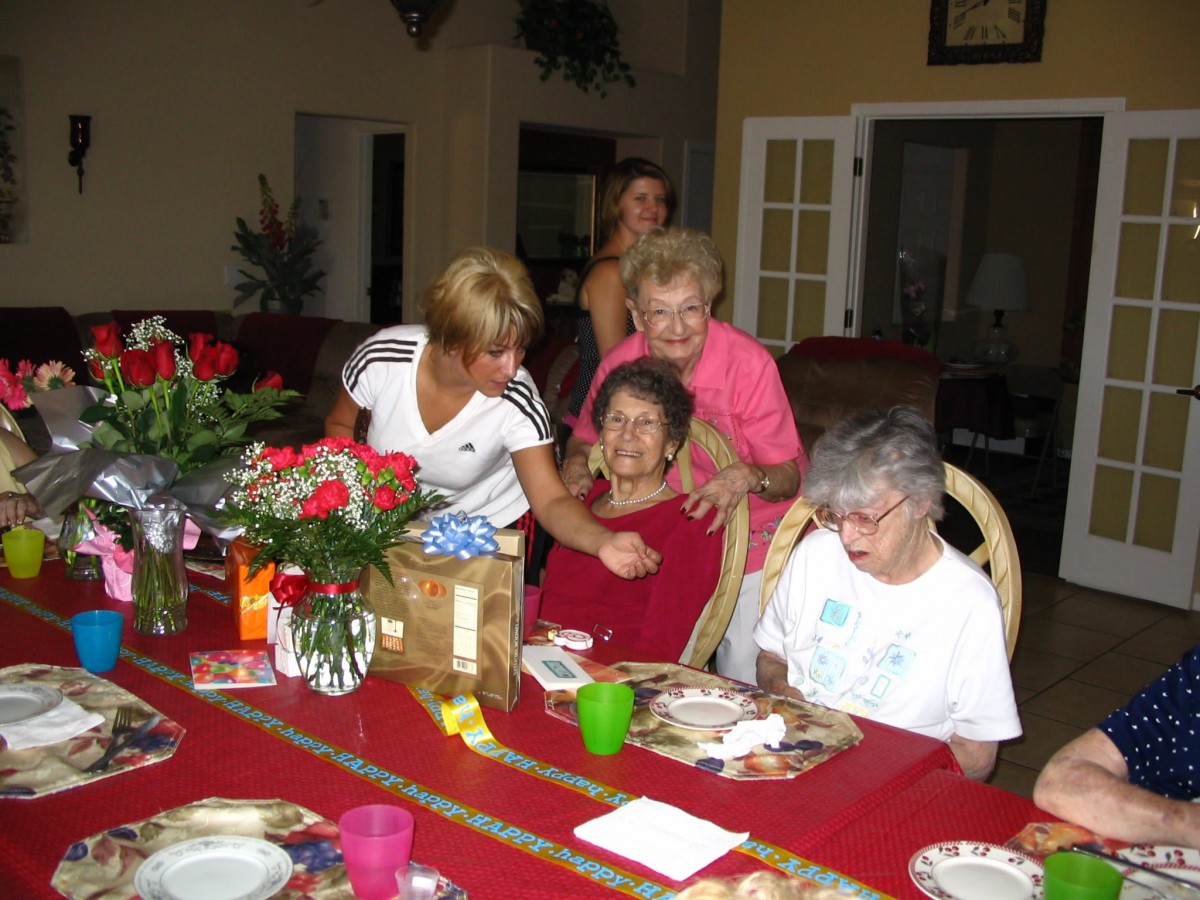
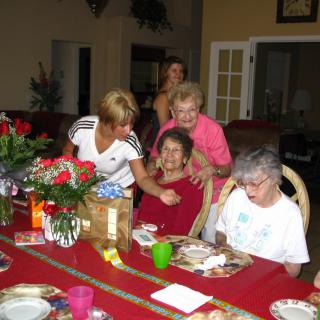
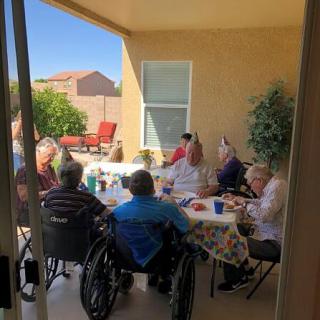
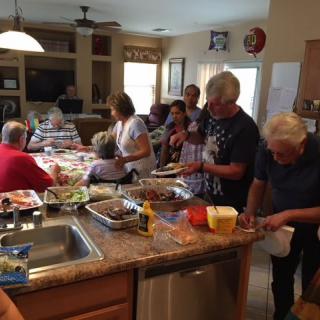
- Care is personalized and includes celebration of key events.
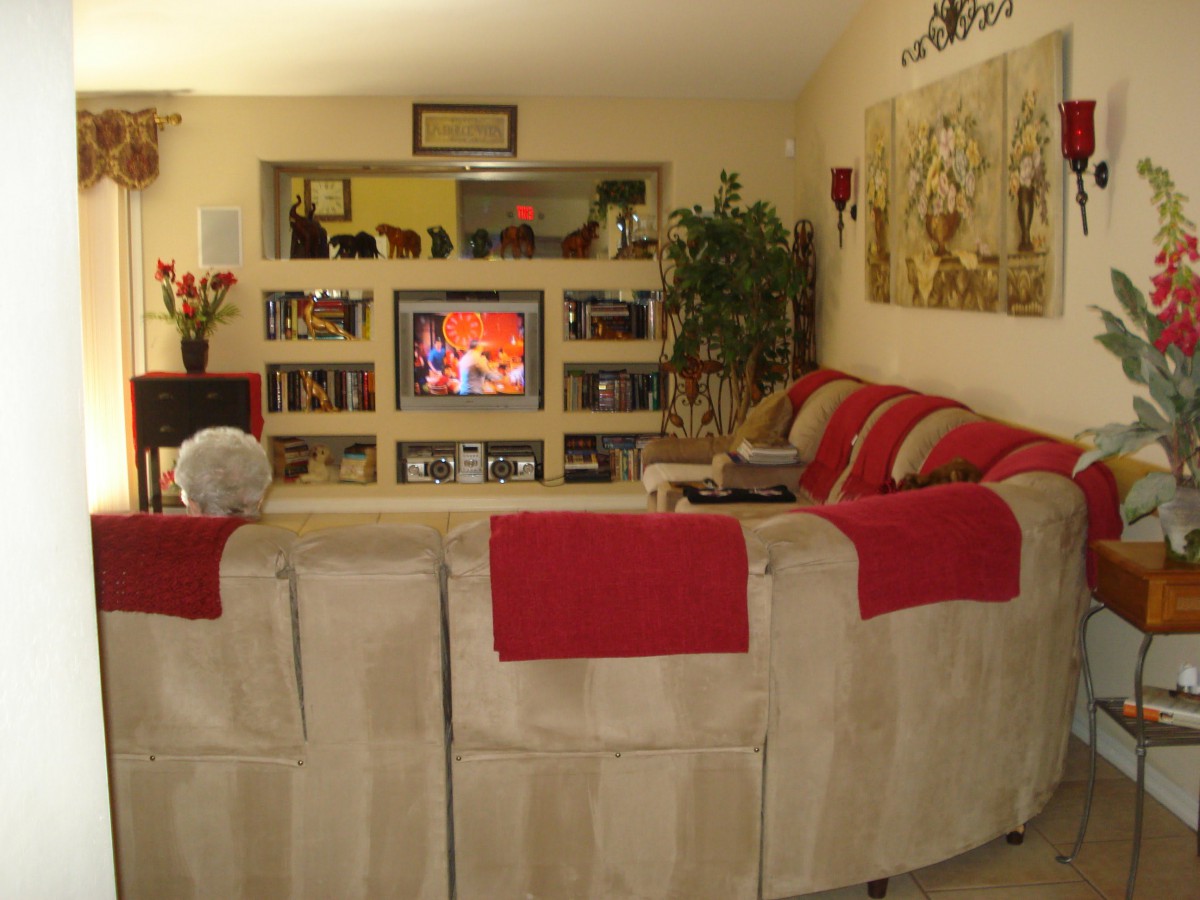
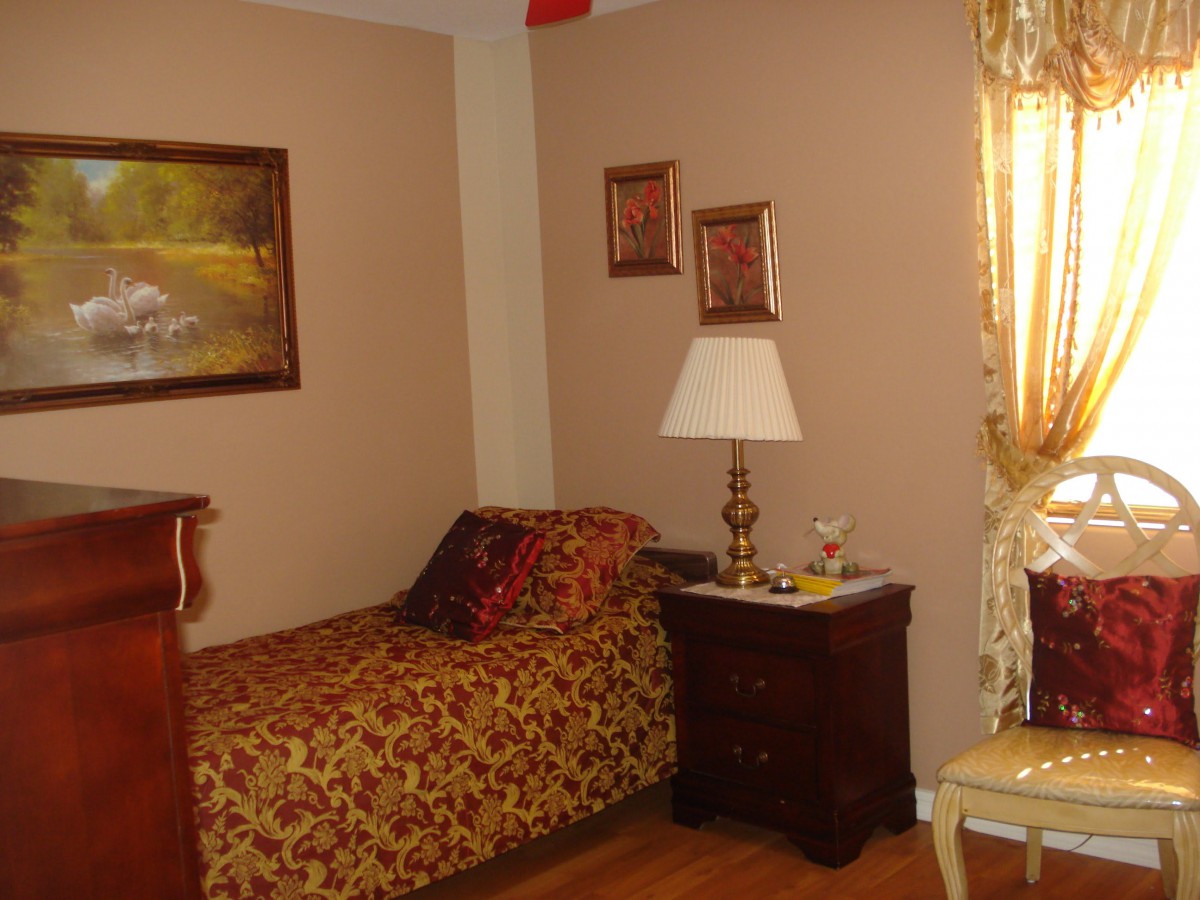
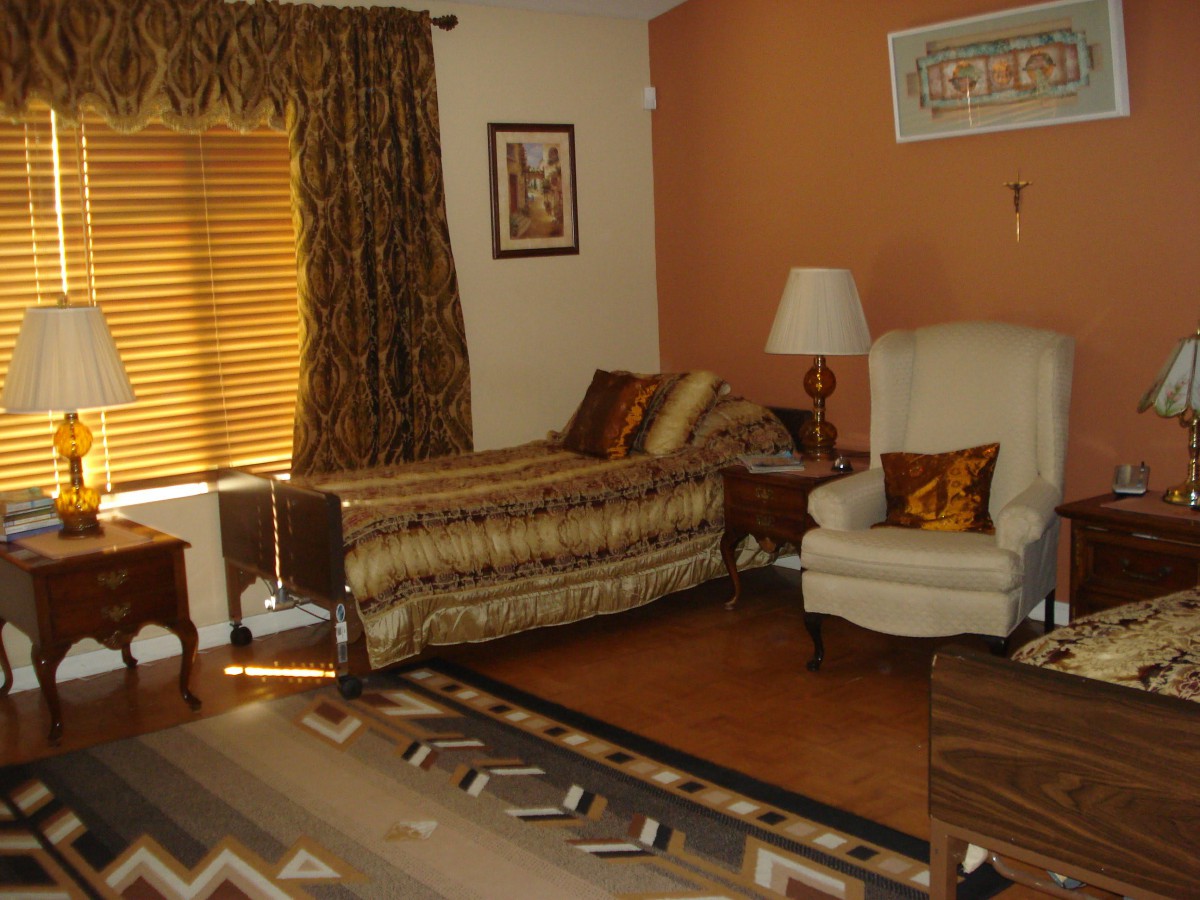
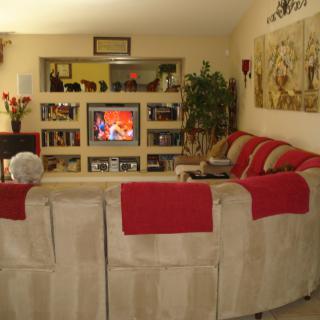
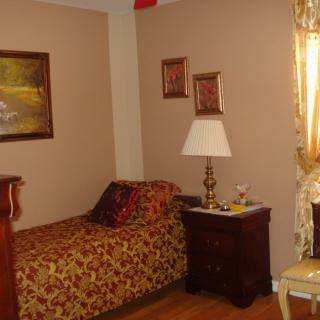
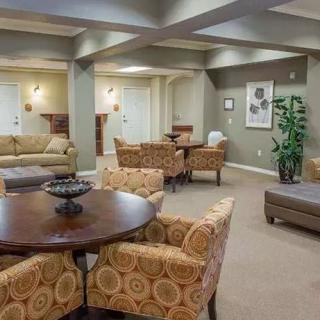
- The home is warm, cozy, and accessible, with modifications for mobility, privacy, and care.
- Dolce Vita is described as an essential partner, ensuring medical services are well informed of changes to residents.
- The staff and owners are the nicest, most caring people, providing excellent one-on-one care and consistently meeting residents’ needs.
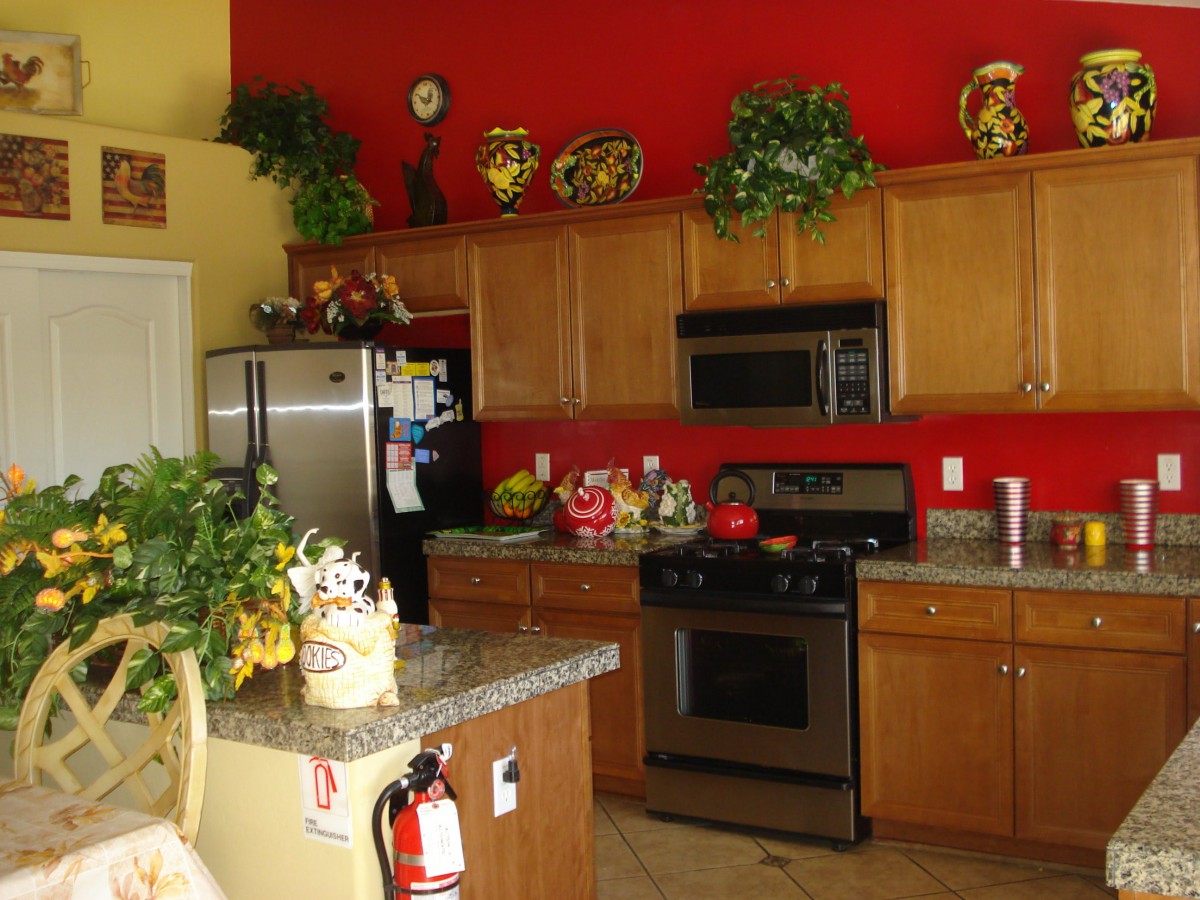
- The aunt is happy there; the home is clean, the food is wonderful, and the RN owner is a plus.
Cons
 It is not quite a perfect fit for her at the moment.
- The home would not be able to provide the one-on-one care they were seeking.
Review
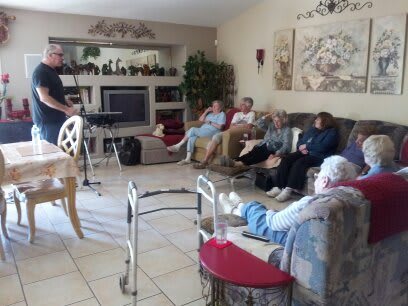
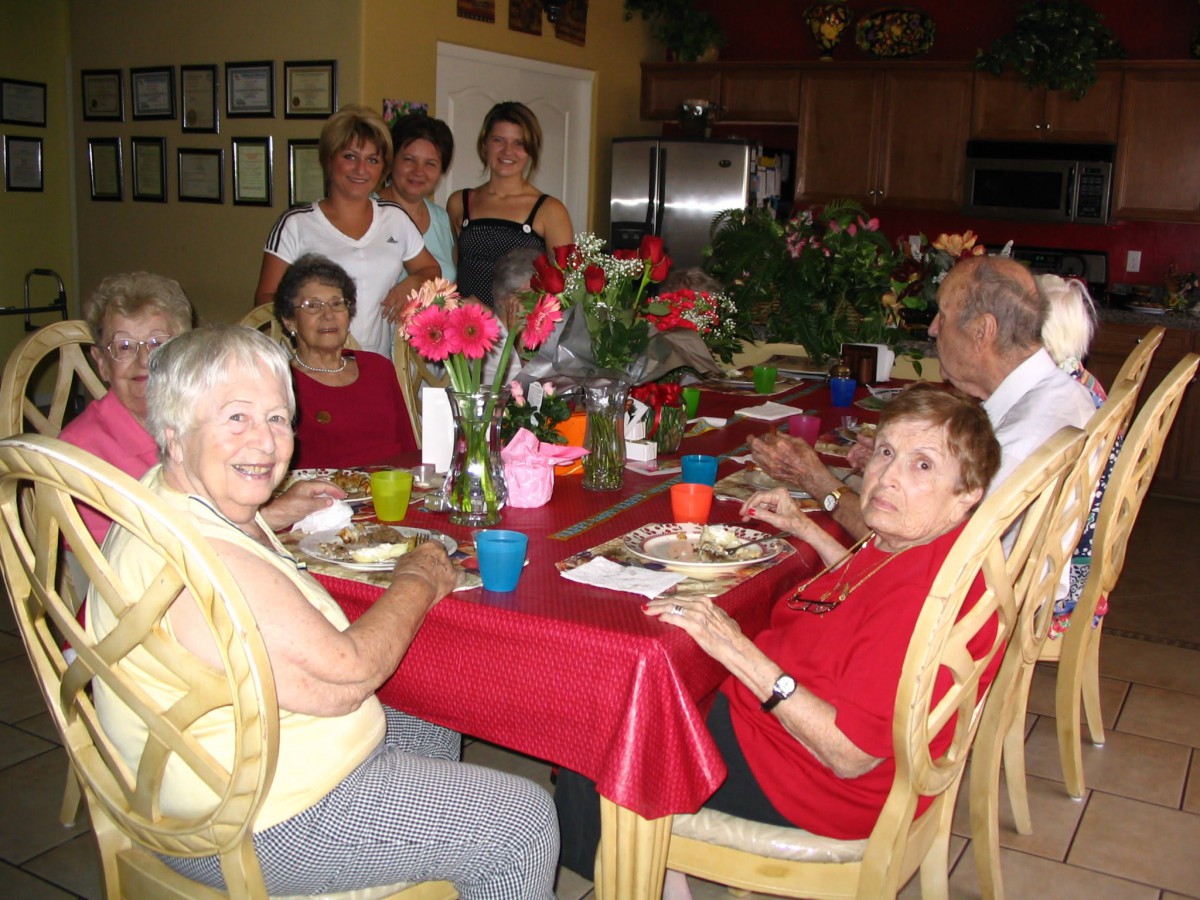
Dolce Vita is best suited for families seeking a quiet, home-like setting where a senior can receive highly personalized, attentive care from a small team. The house-to-resident ratio is clearly designed for intimacy: a single-family-neighborhood environment with an enclosed backyard and safety systems, combined with a warm, cozy interior and careful accessibility modifications. It caters to residents who thrive on routine, one-on-one interactions, and daily collaboration with care partners who know their preferences, medical history, and celebration-worthy moments. For seniors who value privacy, familiar surroundings, and a partner in health that treats daily needs with customized responsiveness, this community is a strong match.
That said, not every care plan will align with Dolce Vita’s model. Families should consider alternatives if the resident requires more intensive, 24/7 nursing oversight or a broader menu of structured activities. One reviewer indicated that one-on-one attention may not be guaranteed at all times, suggesting that residents with complex or rapidly changing medical needs might be better served by a larger facility with more extensive staffing. In short, those seeking a highly formalized program, expansive social calendars, or specialized memory-care infrastructure should compare other options carefully.
The strongest positives consistently emerge from the facility’s intimate scale and carefully curated operating philosophy. A small resident population enables highly personalized care, with staff who can track subtle shifts in well-being and immediately relay changes to medical providers. On-site cooking produces meals that emphasize variety and accommodate dietary restrictions, which is not just about taste but about consistent nutrition. Cleanliness is a recurrent hallmark, as is a homey atmosphere that feels safe and private. The owner’s RN background in at least one account adds another layer of clinical credibility, reinforcing confidence that medical issues will be recognized and addressed promptly.
Critically, the environment itself reinforces care quality. A quiet, safe neighborhood reduces daily stress and supports mobility and independence, while an enclosed yard offers safe outdoor access and opportunities for gentle activity. The personal tone of care extends to emotional well-being, with care teams celebrating key life events and maintaining daily interactions that help residents feel valued rather than processed. For families who want assurance that a loved one is not just living but thriving in a compassionate, family-centered setting, these factors can offset the trade-off of a smaller operation.
Nevertheless, the potential downsides deserve clear consideration. The very strengths that yield such personalized attention, limited staff, smaller scale, and a narrower program slate, mean some residents may miss the breadth of services or the zero-gap coverage found in larger communities. One prospective resident’s experience illustrates this tension: the home looked good and felt welcoming, yet the match wasn’t perfect because the level of one-on-one care or the degree of medical support she desired wasn’t guaranteed. It is essential to verify the current level of nursing support, availability of 24/7 coverage, and the specific care plan the resident requires before committing.
Prospective families should come prepared with concrete questions to validate fit. Ask how staffing is structured across shifts, how frequently medical updates are communicated to families and to physicians, and what happens when a resident’s needs escalate. Clarify whether the RN owner is actively involved and how that involvement translates into daily care and emergency response. Inquire about activity programming, memory-care capabilities if applicable, and the home’s readiness to scale care (including mobility aids and privacy considerations). If warmth, personalized attention, and a safe, homelike setting align with the senior’s values, Dolce Vita offers a compelling, well-regarded option, especially for those who prize a close-knit, family-style environment over larger, more impersonal campuses.
 10 resident community capacity
 Assisted Living
 Board and Care Home
 Memory Care
 Respite Care
 Cats allowed
 Dogs allowed
 Cable or satellite TV
 Dining room
 Fully furnished
 Garden
 Housekeeping services
 Indoor common areas
 Move-in coordination
 Outdoor common areas
 Private
 Telephone
 Wi-Fi/high-speed internet available
 24-hour supervision
 Activities of daily living assistance
 Assistance with bathing
 Assistance with dressing
 Assistance with transfers
 Diabetes diet
 Diabetic care
 High acuity care
 Incontinence care
 Meal preparation and service
 Medication management
 Special dietary restrictions
 Transportation arrangement (medical)
 Transportation to doctors appointments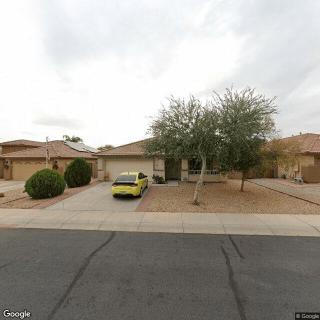

 Delirium and Dementia: Unraveling the Key Differences
 Are Dementia and Alzheimer's Disease Lethal? A Comprehensive Exploration
 Exploring the Power of Reminiscence Therapy for Individuals With Dementia