
14302 West Becker Lane, Surprise, AZ 85379
For more information about senior living options: (866) 208-4318
Overall Review of Assisted Living Place
Pros
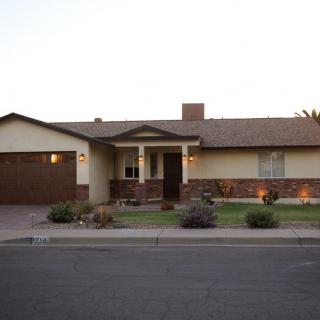
 VIP Assisted Living is described as an exceptional facility with next-level staff, amenities, and care.
- The staff are compassionate, gentle, loving, and attentive to residents.
- Families find peace of mind knowing their loved ones are well cared for at VIP.
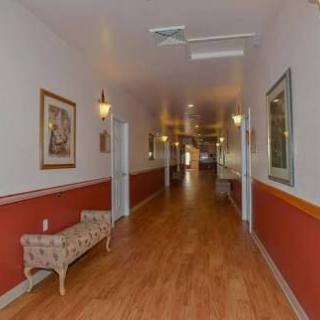
- The home is upscale, beautiful, clean, and well maintained, offering a safe environment.
- Andi is praised for compassion and quick responsiveness, while caregivers Dana and Mary are noted for their kindness.
- The care provided at VIP is superior and unsurpassed, often surpassing that of larger facilities.
- The facility is a safe and loving environment for loved ones and comes highly recommended.
- The care remains excellent even during challenging times, such as a pandemic.
- The overall atmosphere is described as amazing, with hardworking staff and residents who appear comfortable and happy.
Cons
 The reviewer notes that quick responses from facility personnel do not happen in other large and understaffed commercial nursing facilities.
Review
VIP Assisted Living Place in Surprise, Arizona is best suited for seniors who flourish in a small, home‑like setting where residents are known personally and staff cultivate genuine relationships. It serves individuals who need steady daily assistance and memory support without surrendering warmth or privacy to a sprawling campus. Families prioritizing care that feels intimate, dignified, and consistently attentive will find the balance of service and quiet safety especially compelling. The upscale, gated environment and the owner’s hands‑on involvement translate into a level of reassurance that larger, more impersonal facilities often cannot match. For memory care needs, the small‑team model tends to yield steadier, more personalized attention.
Those who may want to consider alternatives are precisely the ones where capacity and breadth become decisive. For residents with higher medical acuity requiring around‑the‑clock licensed nursing, intensive rehab, or specialized clinical programming, a larger facility with deeper staffing may be necessary. Families seeking an expansive activity calendar, a broad menu of on‑site therapies, or hospital‑grade resources might find options elsewhere more aligned with expectations. Budget considerations also matter; while care here is clearly high‑touch, some families discover more favorable cost structures in bigger communities. In short, when medical needs or financial constraints eclipse the advantages of intimacy, alternatives deserve serious consideration.
The core pros more than offset the potential limitations of a small operation. The standout asset is the care culture: compassionate caregivers, responsive management, and clear, regular communication consistently surface in feedback. The owner’s involvement and willingness to answer questions quickly create a trust bridge that large, understaffed facilities rarely replicate. Cleanliness, maintenance, and a home atmosphere reinforce safety and dignity. For families evaluating quality of life, these factors deliver a level of reassurance that often makes the difference between a good placement and a great one. When peace of mind for a loved one and confidence in staff are non‑negotiables, these advantages carry substantial weight.
The compact model does carry a natural risk: fewer simultaneous activities and a narrower clinical footprint than bigger communities. Yet the practical impact is muted by high staff engagement and direct access to leadership, ensuring care plans stay coordinated and problems are addressed promptly. The environment’s cleanliness and the home‑like cadence reduce impersonality and support easier adjustment for residents and families alike. In dementia care, where routine, patience, and steady interactions matter most, the setting’s strengths frequently outweigh the potential downsides. The takeaway is clear: intimacy and warmth can coexist with reliability and safety when leadership is committed and staff are consistently oriented toward residents’ well‑being.
For families evaluating fit, a practical checklist helps separate fits from misses. Observe during visits how caregivers interact in routine moments, meals, medication reminders, mobility help, and whether the tone is respectful and patient. Probe nurse availability, how medical questions are managed, and the escalation process after hours. Inspect safety features, meal quality, and room configurations, and confirm how family involvement is structured, visits, care conferences, and updates. Clarify pricing, inclusions, and potential add‑on charges, then assess whether the communication style aligns with expectations: prompt, transparent, and accessible leadership when concerns arise. A transparent, responsive environment is a reliable predictor of ongoing satisfaction.
Verdict: VIP Assisted Living Place is a compelling choice for families seeking a high‑touch, intimate environment where memory‑related needs are addressed with patient, individualized attention within an upscale, secure home setting. It excels for residents whose care demands benefit from consistent relationships with compassionate caregivers and a leadership team that treats residents like family. Alternatives matter for those with higher medical complexity, broader programming desires, or tighter budgets, but for the right resident, the blend of warmth, safety, and personal dignity here is remarkably strong. In the decision process, align expectations with the setting: intimate, attentive care often yields the best quality of life when daily living support and memory needs are the central concerns.
 10 resident community capacity
 Assisted Living
 Cable or satellite TV
 Dining room
 Fully furnished
 Garden
 Housekeeping services
 Move-in coordination
 Outdoor space
 Telephone
 Wi-Fi/high-speed internet available
 Phoenix Sky Harbor International (23 miles away)
 24-hour supervision
 Activities of daily living assistance
 Assistance with bathing
 Assistance with dressing
 Assistance with transfers
 Diabetes diet
 Meal preparation and service
 Medication management
 Special dietary restrictions
 Transportation arrangement (medical)
 Transportation to doctors appointments

 Social Security Benefits and Assisted Living: Navigating Options Across the U.S.
 An Extensive Exploration of the VA Aid and Attendance Benefit
 Senior Transition Services: Understanding Their Role, Cost, and Importance