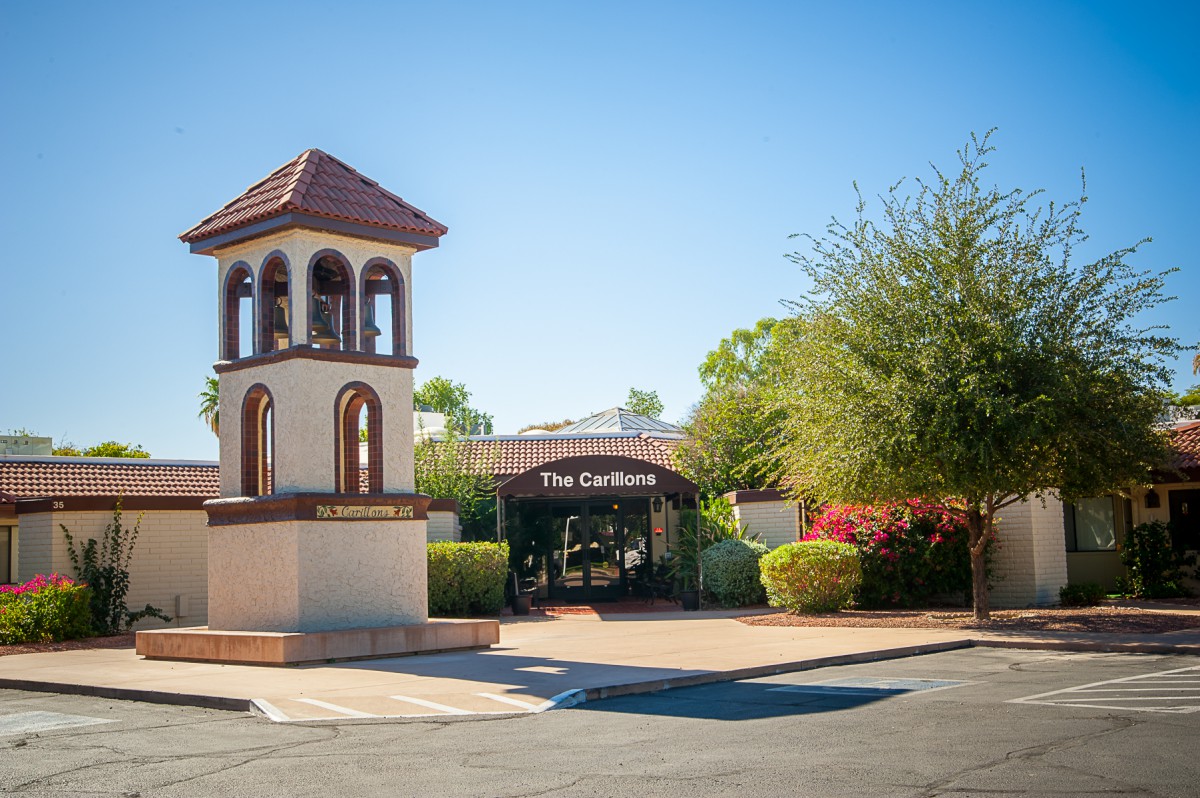
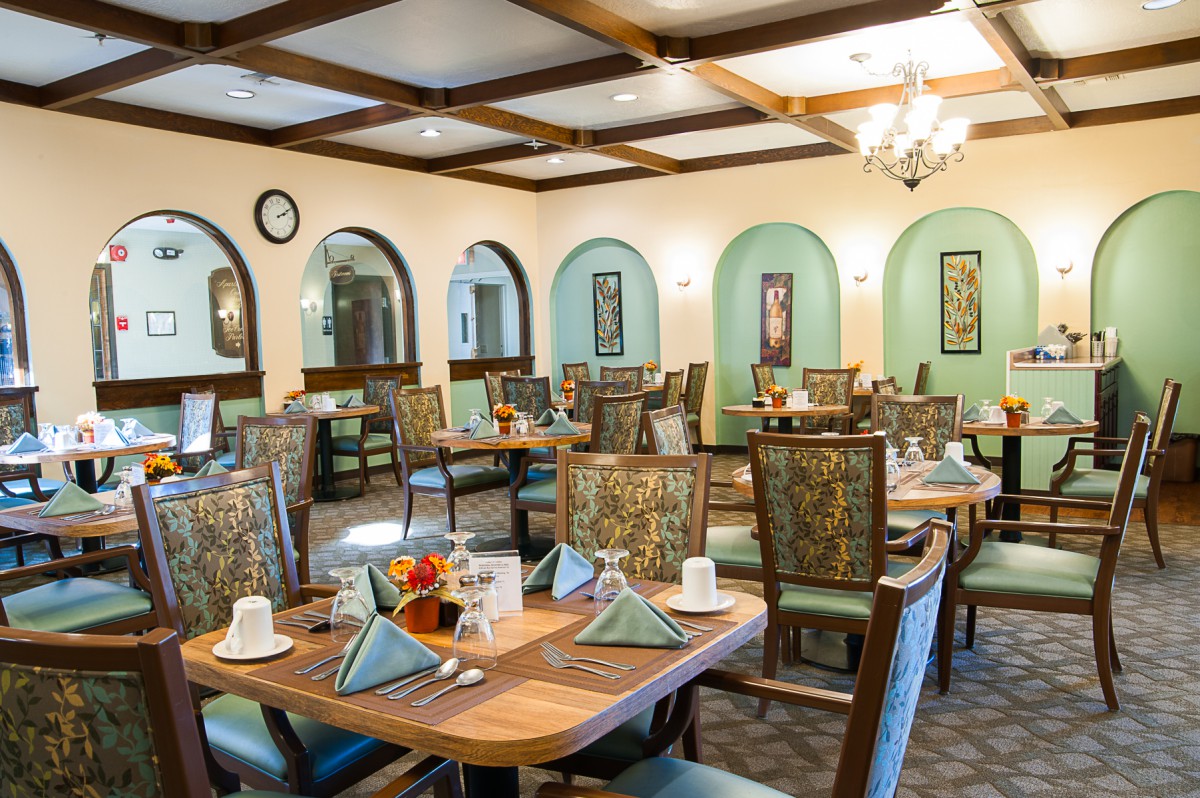
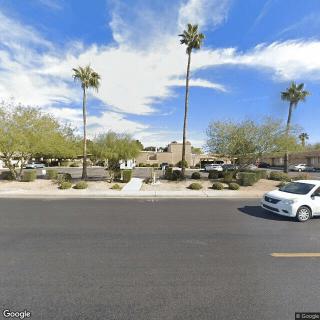
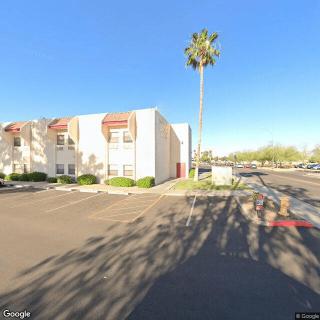
10045 West Royal Oak Road, Sun City, AZ 85351
For more information about senior living options: (866) 208-4318
The Carillons Costs & Pricing
The Carillons offers an attractive pricing structure for its residents, particularly when compared to the average costs in Maricopa County and the state of Arizona. With a monthly rent of $1,230 for a one-bedroom unit, The Carillons provides significant savings over the county's average of $3,473 and the state's average of $3,532. This makes it an appealing option for those seeking quality living arrangements without the hefty price tag typically associated with comparable facilities in the region. Residents can enjoy a comfortable lifestyle at The Carillons while benefiting from substantial cost advantages relative to broader market trends.
| Floor plans | The Carillons | Maricopa County | Arizona |
|---|---|---|---|
| 1 Bedroom | $1,230 | $3,473 | $3,532 |
Assisted Living communities with a similar price nearby
-
About the same
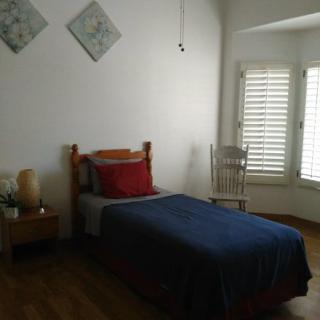
Rhodas Assisted Living Home 1
$1,200 to $3,000 / month7.8 miles away -
from +$170 / mo
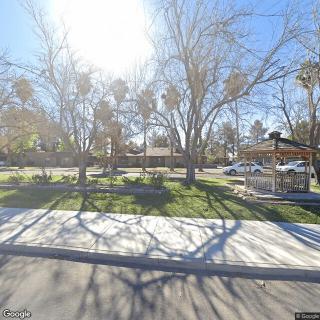
LifeStream at Youngtown
$1,400 to $2,300 / month2.2 miles away -
from -$180 / mo
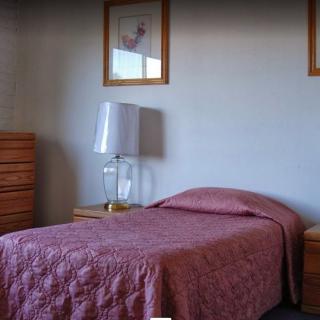
Burkeshire Retirement Hotel
$1,050 to $3,670 / month16.0 miles away -
from -$68 / mo

Immanuel Gardens
$1,162 to $1,916 / month1.2 miles away -
from -$155 / mo
Fountain Retirement Hotel
$1,075 to $2,000 / month1.5 miles away
Overall Review of The Carillons
Pros
 The facility is small, allowing more attention.
 - The community is single-level and easy to navigate.
- The food is good.
- The staff are very friendly.
- The residents are friendly and well cared for.
- The community is fantastic, offering a professional, friendly atmosphere with engaging activities.
Cons
 The staff neglected her mother, failing to administer medications on time and to provide escorts and security checks as contracted.
- She was found outside in cold weather and became unresponsive, leading to hospitalization and eventual death from exposure.
- At the hospital, her temperature was recorded as 84 degrees, with the doctors questioning how long she had been exposed, indicating neglect.
- Unsanitary conditions were present in her apartment—moldy food and soiled incontinence items—while weekly housekeeping did not occur.
- There were extra charges for services that were not provided.
- The reviewer advises others to investigate thoroughly before signing a contract with the facility.
Review
The Carillons in Sun City is best suited for families seeking a compact, one-level assisted living environment where staff can deliver close daily attention and residents can cultivate a warm, neighborly social scene. It’s a setting that rewards familiarity: easy navigation for mobility-challenged residents, fewer transitions, and a feel of a small, home-like community rather than a large campus. For seniors who do not require intensive memory-care programming but still need help with activities of daily living, this can be an appealing match when the aim is steady, personable interaction and a manageable, social atmosphere.
Those evaluating alternatives should note that safety oversight and demonstrable, current care standards matter as much as ambiance. If memory care or high-touch supervision is non-negotiable, or if reliable, on-time medication administration and stringent housekeeping are non-negotiable expectations, it is prudent to compare with other options that publish ongoing safety metrics and licensing histories. Families should request up-to-date incident logs, the latest survey/citation reports, and clear answers about med-pass routines, staff supervision levels, and the process for escorts or accompany services included in any contract.
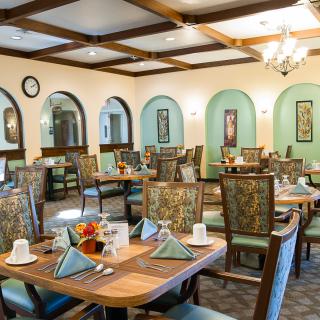
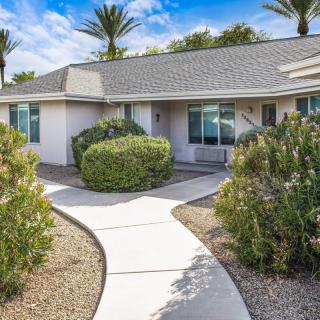
On the plus side, the small size pays off in tangible ways. Members consistently describe more personalized attention, with staff who appear available and approachable. The one-level design reduces fall risk and makes mobility easier for residents who struggle with stairs. The dining experience is highlighted as a strength, pairing good quality meals with a friendly, social dining environment. Residents are said to be friendly and engaged, and the overall environment, clean, well-kept, and visually appealing, contributes to a sense of pride and safety for many families.
Yet a historical red flag lingers in the narrative: a severe, long-ago incident involving a resident with dementia who went missing, with claims of delayed medication administration, missing security checks, and unsanitary conditions uncovered after the fact. This is not a subtle concern; it speaks to fundamental questions about oversight, accountability, and the ability to prevent harm. While it is essential to acknowledge that the account spans several years, the gravity of such allegations means any current decision must be grounded in updated, verifiable information about governance, staffing, and safety culture. Without current confirmation, these reports rightly trigger caution.
To make an informed choice, pursue concrete, up-to-date assurances. Insist on a comprehensive tour focused on safety systems and daily routines: how medication passes are tracked, who supervises medication administration overnight, and what happens if a dose is missed. Probe housekeeping practices, laundry turnover, room cleanliness, and the frequency of sanitation checks. Verify memory-care capabilities if dementia care is needed, including staff training, monitoring protocols, wandering precautions, and availability of a memory-care-certified unit if applicable. Review the activity calendar and transportation options to confirm that meaningful engagement remains robust beyond social events. Finally, demand transparent pricing, including any surcharges for escorted assistance and what is included in the base rate.
The bottom line is practical and clear: The Carillons can be a strong fit for families prioritizing a tight-knit, attentive setting with a social, active environment, provided current operations demonstrate consistent safety and care standards. If ongoing safety assurances, reliable medication management, and rigorous housekeeping are essential, use due diligence to confirm that these controls are now in place and effective. For residents with higher dementia care needs or for families unwilling to accept any risk of care gaps, it may be wiser to compare other communities with explicit, current safety track records and more robust memory-care capabilities. A deliberate visit, candid conversations with staff, and a review of the latest licensing and inspection data will reveal whether this intimate environment can meet the specific, non-negotiable needs of the person evaluating it.
 45 resident community capacity
 Assisted Living
 Respite Care
 Beauty salon
 Cable or satellite TV
 Dining room
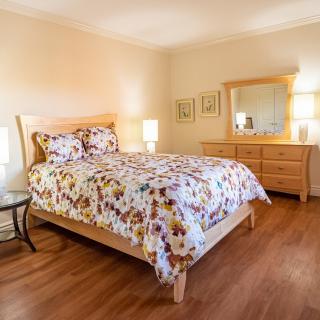
 Fully furnished
 Garden
 Housekeeping services
 Kitchenette
 Move-in coordination
 Outdoor space
 Restaurant-style dining
 Small library
 Telephone
 Wi-Fi/high-speed internet available
 Phoenix Sky Harbor International (19 miles away)
 24-hour call system
 Activities of daily living assistance
 Assistance with bathing
 Assistance with dressing
 Assistance with transfers
 Diabetes diet
 Medication management
 Mental wellness program
 Special dietary restrictions
 Assisted Living Support for Veterans: A Complete and Detailed Overview
 Exploring the Contrasts Between Assisted Living and Skilled Nursing
 8 Key Indicators That Suggest It May Be Time to Transition from Assisted Living to Skilled Nursing Care