
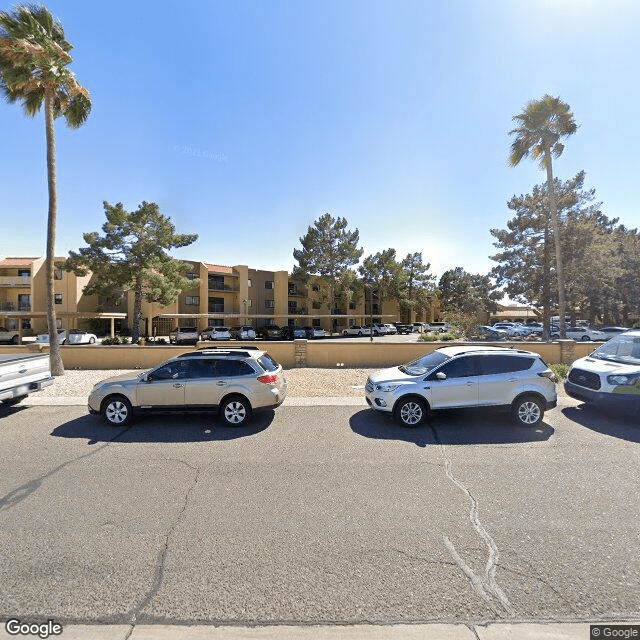
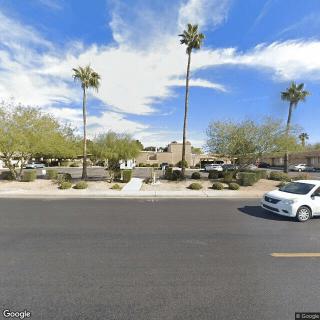
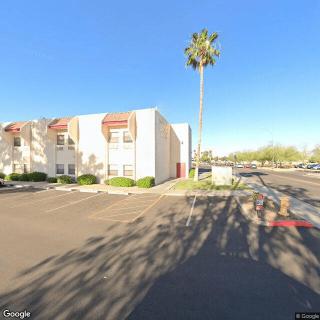
9965(A) 9925(B) And 10025(C) W Royal Oak Road, Sun City, AZ 85351
To contact a resident: (623) 815-4126
For more information about senior living options: (866) 208-4318
Royal Oaks-CCRC comm Costs & Pricing
At Royal Oaks Continuing Care Retirement Community (CCRC), the monthly costs reflect a premium for the comprehensive care and amenities offered. For a semi-private room, residents can expect to pay $4,560 per month, significantly higher than the average costs in Maricopa County and across Arizona, which are around $2,801 and $2,820 respectively. The price for a private room at Royal Oaks is set at $7,890, again outpacing the county's average of $3,318 and the state's average of $3,345. This pricing structure underscores the value placed on personalized services and an enriching lifestyle that Royal Oaks provides to its residents compared to more standard options in the region.
| Floor plans | Royal Oaks-CCRC comm | Maricopa County | Arizona |
|---|---|---|---|
| Semi-Private | $4,560 | $2,801 | $2,820 |
| Private | $7,890 | $3,318 | $3,345 |
Skilled Nursing Facilities with a similar price nearby
-
from +$440 / mo
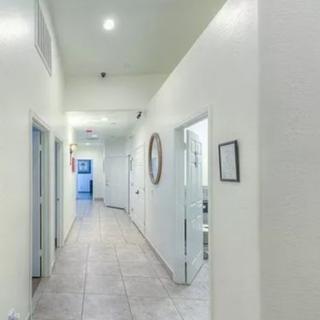
American Dream Home
$5,000 / month12.7 miles away -
from +$440 / mo
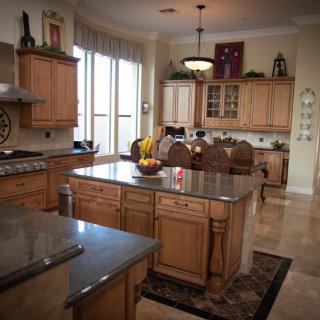
Mountain Cove Luxury Senior Care
$5,000 / month19.9 miles away -
About the same
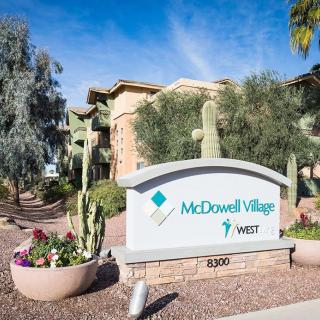
McDowell Village
$4,500 to $5,500 / month23.3 miles away -
from +$240 / mo

Sante Of North Scottsdale
$4,800 / month22.7 miles away -
from +$685 / mo

Belmont Village Scottsdale
$5,245 to $6,845 / month23.9 miles away
Overall Review of Royal Oaks-CCRC comm
Pros
 The community is very nice.
- The staff members are nice and friendly.
- The community offers a lot of activities.
- There is a big theater room to watch movies.
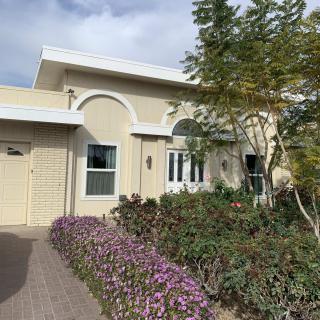
- The facility offers a range of living options including condos, small houses, and apartments.
- It is a beautiful place.
- The residents are happy and welcoming.
- The food is very good.
- The staff are accommodating and ready to help residents.
- The staff and residents seem like a family.
Cons
 The couple felt uncomfortable and the wife felt out of place and unwanted because all residents were White and the interview was directed toward the husband.
- They left after the tour and never returned.
- The community is very expensive, with high monthly costs and a large buy-in fee.
Review
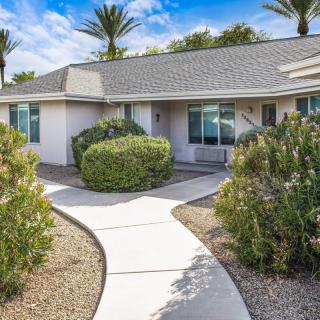
Royal Oaks Sun City is best suited for financially comfortable seniors who want a high-end, continuum-of-care experience with plenty of on-site amenities and a broad spectrum of living options. This is a community built for residents who value polish and stability: clean, inviting environments, a robust calendar of activities, a sizable theater, and the ability to age in place as care needs evolve. The presence of multiple housing styles, condos, small houses, and apartments, appeals to those who want some architectural variety without leaving the same campus. For families seeking prestige, predictability, and an “all-in-one” senior living solution, Royal Oaks presents a compelling, if costly, package.
At the same time, alternatives deserve consideration for those with tighter budgets or more specific cultural expectations. Several reviews flag the price as a major obstacle, noting both the monthly costs and a substantial buy-in fee. Prospective residents who must prioritize affordability should look elsewhere, as the financial hurdle can overshadow otherwise strong qualities. Additionally, a subset of experiences points to a troubling social dynamic, perceived lack of diversity and, in at least one instance, uncomfortable treatment tied to race and discomfort during initial interviews. Those who place a premium on inclusivity and a welcoming, diverse community should scrutinize these aspects before committing.
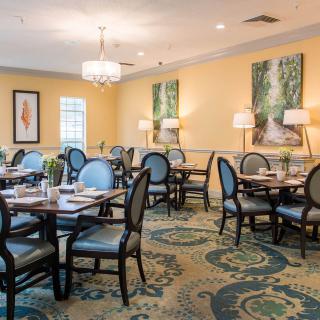
The strongest positives center on care quality and community life. The staff are repeatedly described as friendly, accommodating, and responsive, with residents and families forming a genuinely “family-like” atmosphere. The facility’s cleanliness, the breadth of activities, and the range of care levels are consistently highlighted, along with the appeal of large common spaces such as a theater and well-maintained dining options. For families navigating transitions, the ability to move among living options and care tiers without evacuating the campus can be a decisive advantage, especially for households seeking long-term continuity as caregiving needs evolve.
Yet these strengths do not fully neutralize the principal drawbacks. The cost barrier remains substantial, and the buy-in model can be a deterrent for those evaluating lifetime value against upfront commitment. The potential for discriminatory impressions, whether real or perceived, complicates the decision for couples or individuals who prize an openly inclusive community. While some residents thrive and describe a supportive, near-family culture, the existence of two clearly negative accounts cannot be ignored. If inclusivity and transparent, equitable treatment are non-negotiable, this is a crucial area to verify in conversations with administrative leadership and current residents.
To turn advantages into a confident decision, focus on practical due diligence. Request a detailed, itemized breakdown of all fees, including the buy-in, monthly service charges, and what those charges cover in terms of care level, meals, activities, and housing maintenance. Seek candid discussions with current residents across demographics about their experiences, and tour with both spouses present to see how dynamics are handled in real life. Inquire about staff training on cultural sensitivity, and ask for examples of how the community responds to concerns about inclusivity. Finally, map out a realistic five-to-ten-year plan: will the expected care needs and monthly costs remain sustainable, and does the community still align with core family values and long-term goals?
The bottom line is clear. Royal Oaks Sun City delivers a high-quality, all-inclusive senior living environment that appeals to those who can afford premium living and who value stability, abundant activities, and a continuum of care under one roof. It stands out for its pristine facilities, strong staff engagement, and the sense of a well-run, family-like community. However, the price tag and questions about inclusivity require careful scrutiny. For families prioritizing cost containment or seeking a demonstrably diverse, openly inclusive culture, this community should be weighed against other CCRCs or independent options with lower financial barriers and different social dynamics. A well-informed choice hinges on aligning financial realities with the non-financial promises of care, community, and belonging.
 Assisted Living
 Independent Living
 Skilled Nursing Facility
 Activities on-site
 Devotional services off-site
 Indoor common areas
 Private
 Phoenix Sky Harbor International (19 miles away)
 Ambulatory care
 Diabetic care
 Meals provided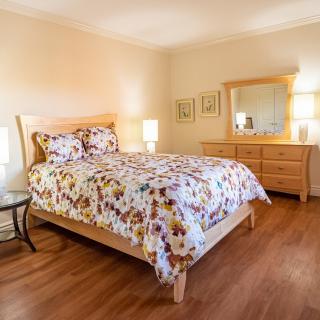


 Comprehensive Insights into Activities of Daily Living (ADLs) and Their Assessment
 Medicare Coverage for Assisted Living: An In-Depth Exploration
 Choosing the Right Senior Care: A Detailed Exploration of Assisted Living and Nursing Homes