14403 North 60Th Street, Scottsdale, AZ 85254
For more information about senior living options: (866) 208-4318
4.9 from 119 reviews
Top Quality ALH is an assisted living community in Scottsdale, AZ.
Information last verified:
14403 North 60Th Street, Scottsdale, AZ 85254
For more information about senior living options: (866) 208-4318
 10 resident community capacity
 Assisted Living
 Board and Care Home
 Cable or satellite TV
 Dining room
 Fully furnished
 Garden
 Housekeeping services
 Move-in coordination
 Outdoor space
 Telephone
 Wi-Fi/high-speed internet available
 Phoenix Sky Harbor International (13 miles away)
 24-hour supervision
 Activities of daily living assistance
 Assistance with bathing
 Assistance with dressing
 Assistance with transfers Coordination with health care providers
 Diabetes diet
 Meal preparation and service
 Medication management
 Special dietary restrictions
 Transportation arrangement (medical)
 Transportation to doctors appointments Diabetes diet Special dietary restrictions Community-sponsored activities Scheduled daily activities
Top Quality ALH is located at 14403 North 60Th Street, Scottsdale, AZ 85254 in Maricopa County, Arizona
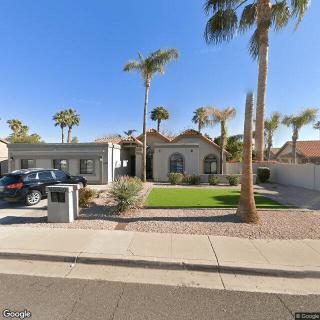
Phoenix Assisted Living LLC
Scottsdale, AZ
 Competitive pricing (semi-private and private options) compared with local averages.
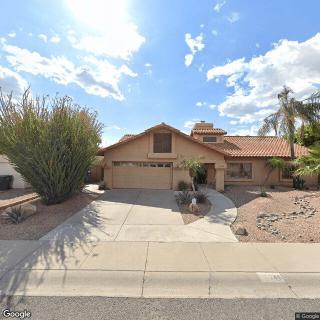
Sun Valley Manor
Scottsdale, AZ
Competitive pricing below county/state averages for semi-private and private rooms.
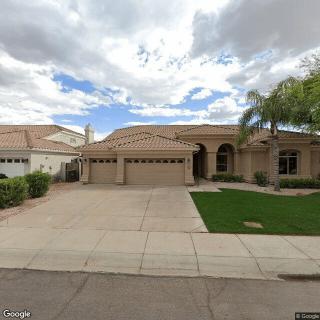
Nirvana Sedona
Scottsdale, AZ
Competitive pricing for semi-private and private rooms with diabetic and ambulatory care, plus on-site activities and indoor common areas near abundant local amenities.

Agape Care Home Of Scottsdale
Scottsdale, AZ
Caring, attentive staff in a small, home-like setting with personalized attention and clean, well-maintained facilities.
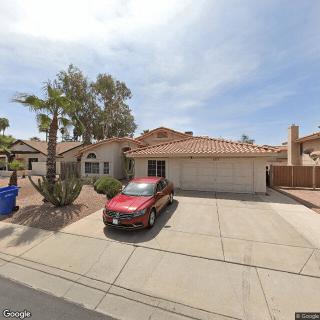
Diamond Quality Assisted Living Care Home
Scottsdale, AZ
Personalized 24/7 care with engaging activities in a welcoming setting.
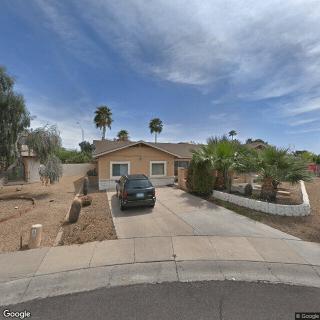
Kierland Manor
Scottsdale, AZ
Competitive pricing with broad care services and on-site amenities.
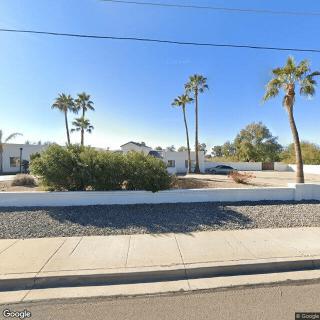
Agave Manor
Scottsdale, AZ
Caring staff with 24/7 RN support, gourmet meals, and engaging activities in a spacious, welcoming setting.
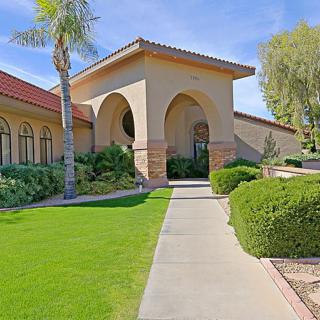
Pueblo Norte Senior Living Community
Scottsdale, AZ
Attentive staff with engaging activities in a well-maintained, amenity-rich community.

Maravilla Scottsdale
Scottsdale, AZ
Spacious, well-appointed rooms with attentive staff, a strong activity lineup, and multiple care options; notably competitive pricing for 1- and 2-bedroom units compared with local averages.
 How and When Medicaid May Cover Assisted Living Costs
Medicaid coverage for assisted living varies by state and is primarily available to low-income individuals, with eligibility dependent on strict income and asset limits. Some states offer HCBS waivers for specific services in assisted living, but families must generally cover room and board costs, and should verify facility acceptance of Medicaid while considering potential waiting lists.
 A Detailed Exploration of Assisted Living Medicaid Waivers Across the United States
Medicaid waivers for assisted living services provide vital support for seniors and individuals with disabilities in need of long-term care, with varying state-specific eligibility criteria and benefits. These waivers cover personal care and case management but often do not fully cover room and board, leading to waiting lists for many applicants.
 Comprehensive Residential Support and Assisted Living Solutions for Individuals with Disabilities
The article examines the complexities of assisted living for individuals with disabilities, emphasizing the need for tailored care solutions that enhance quality of life and social inclusion, while addressing financial challenges and advocating for community integration. It discusses various housing options, the importance of financial assistance through public benefits, and highlights trends towards integrated and technology-driven solutions in disability-focused housing.