
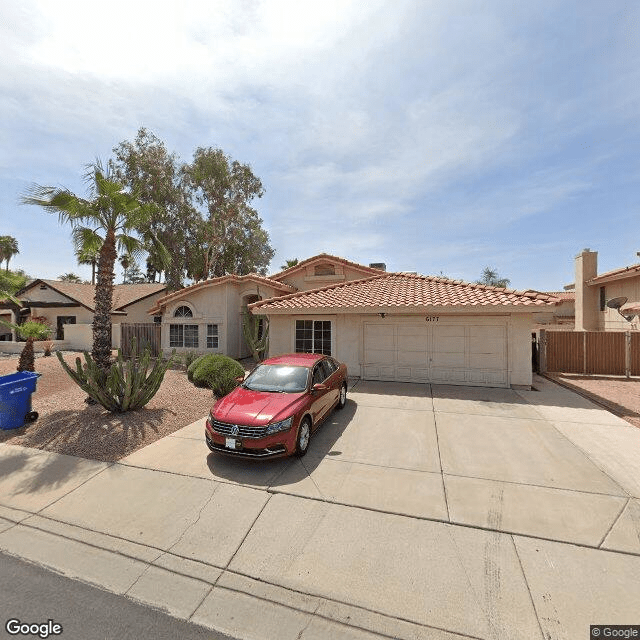
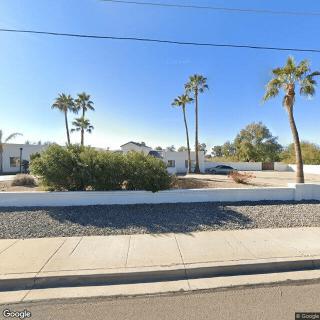
6177 East Blanche Drive, Scottsdale, AZ 85254
For more information about senior living options: (866) 208-4318

Diamond Quality Assisted Living Care Home Costs & Pricing
Diamond Quality Assisted Living Care Home offers a competitive pricing structure for its services within the context of Maricopa County and the broader state of Arizona. For those opting for semi-private accommodations, the monthly cost is set at $3,500, which is notably higher than the county average of $2,801 and the state average of $2,820. The private room option reflects a similar trend, with a monthly fee of $4,500 compared to Maricopa County's average of $3,318 and Arizona's statewide average of $3,345. These figures suggest that while Diamond Quality Assisted Living Care Home may be positioned at a premium price point relative to local alternatives, potential residents can expect added value in terms of personalized care and enhanced living conditions.
| Floor plans | Diamond Quality Assisted Living Care Home | Maricopa County | Arizona |
|---|---|---|---|
| Semi-Private | $3,500 | $2,801 | $2,820 |
| Private | $4,500 | $3,318 | $3,345 |
Assisted Living communities with a similar price nearby
-
from -$600 / mo
Royal Paradise Care
$2,900 to $3,800 / month23.2 miles away -
from -$500 / mo
Bella Amore Assisted Living
$3,000 / month10.9 miles away -
from +$340 / mo

Elite Senior Living
$3,840 to $4,992 / month11.6 miles away -
from -$300 / mo
Evergreen Assisted Living
$3,200 to $7,500 / month2.2 miles away -
About the same
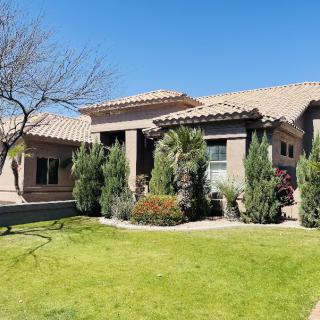
The Greenway Manor II
$3,500 to $4,000 / month1.4 miles away
Overall Review of Diamond Quality Assisted Living Care Home
Pros
 The staff are caring and responsive throughout the resident’s stay.
- The facility is located in a great location and is first-rate.
- The director is consistently available to answer questions and genuinely cares for residents.
- The home is beautiful, clean, well-maintained, and feels like a true home.
- The meals are gourmet and appetizing.
- Families are encouraged to visit, and pets are welcome, enhancing the welcoming atmosphere.
- The residents are happy and well cared for, with a warm and friendly environment.
- The care team provides attentive, around-the-clock care with well-prepared, nutritious meals.
- The facility is described as fantastic and best in the business with top-notch care.
- The setting offers exemplary patient service and comfortable accommodations.
- The facility is highly recommended.
Review
Diamond Quality Assisted Living Care Home in Scottsdale is best suited for seniors who want a warm, home-like setting where caregiving is personal, constant, and deeply responsive. The reviews repeatedly spotlight a staff that reads more as a caring extended family than a cold care team, with caregivers who are attentive, patient, and quick to respond. The space itself is described as beautiful, well-maintained, and tucked into a safe, upscale neighborhood, offering several common areas that invite easy social interaction. For residents who prize dignity, comfort, and regular human connection alongside everyday routines, this community checks the right boxes and feels like a natural extension of home.
Those weighing alternatives should note this setting may not meet needs that hinge on hospital-level intensity or specialized programs. Families with residents requiring heavy medical oversight, complex clinical management, or formal memory-care protocols may discover the scale and focus here are not a perfect match. The home emphasizes a personalized, intimate approach over a large-campus model, which can be a drawback when a resident’s care plan demands a broad slate of on-site specialists, structured medical services, or a densely scheduled therapeutic calendar. If affordability is a primary concern, families may also want to compare options that position care within a different pricing tier, recognizing this setting often carries premium for the level of attention and atmosphere.
The strongest positives are vivid and persuasive. Caregivers are described as highly dedicated and well-trained, with a leadership presence that feels accessible and responsive. The care environment is consistently clean, with interior spaces that convey warmth and comfort. Nutritious, freshly prepared meals, combined with a home-like atmosphere, support both physical health and mood. The ability to visit with pets, the emphasis on family involvement, and the belief that residents receive around-the-clock attention cultivate a sense of security and belonging. An especially compelling note is the demonstrated compassion at life’s end, underscoring a culture of comfort, dignity, and unwavering support when families need it most. These strengths collectively compensate for any supposed limitations of a smaller, less clinical footprint.
A fair assessment acknowledges potential gaps that may matter to certain families. The intimate size means fewer on-site resources and specialists than larger facilities, and there may be less fluid access to hospital-like services or memory-care-specific programming. The reviews do not spell out a formal memory-care designation or a comprehensive clinical suite, so those seeking robust, disease-specific facilities should verify capabilities and contingency plans. It’s also worth confirming how care is ramped to evolving needs, and whether transitional arrangements exist should medical demands increase. In short, this environment excels at personal, compassionate care, but its structure is not built to mirror a large medical campus.
Despite those trade-offs, the practical impact of the community’s strengths often outweighs the drawbacks. The stability of a home-like daily rhythm, paired with consistent, high-touch caregiving, reduces anxiety for residents and families alike. Leadership accessibility ensures concerns are heard and addressed swiftly, while the combined emphasis on companionship, safety, and nutrition supports ongoing well-being. For families prioritizing a dignified, comfortable living experience with a clear focus on personal attention and emotional support, these factors create a compelling value proposition. The positive care ethos evidenced in life moments, big and small, reads as a durable differentiator.
For Scottsdale families evaluating options, the decisive question is whether warmth, personal attention, and a home-centric model align with the resident’s needs and family expectations. If the answer is yes, Diamond Quality Assisted Living Care Home stands out as a robust, reliable choice that delivers a truly domestic, well-supported living experience. If, however, the resident requires intensive clinical oversight, specialized memory care, or a larger, more program-dense campus, it’s prudent to pursue alternatives that offer that breadth of services. The recommended course is a deliberate tour, conversations with leadership and caregiving staff, and a clear plan for current and future needs to ensure alignment with long-term well-being and family goals.
 10 resident community capacity
 Assisted Living
 Board and Care Home
 Respite Care
 Cable or satellite TV
 Dining room
 Fully furnished
 Garden
 Housekeeping services
 Move-in coordination
 Outdoor space
 Private
 Telephone
 Wi-Fi/high-speed internet available
 Phoenix Sky Harbor International (13 miles away)
 24-hour supervision
 Activities of daily living assistance
 Assistance with bathing
 Assistance with dressing
 Assistance with transfers
 Diabetes diet
 Diabetic care
 Incontinence care
 Meal preparation and service
 Medication management
 Special dietary restrictions
 Transportation arrangement (medical)
 Transportation to doctors appointments



 Vibrant Senior Living: A Comprehensive Guide for Active Older Adults
 When to Transition from Assisted Living to Memory Care: Key Indicators, Steps, and Finding the Right Community
 Assisted Living and Memory Care: Understanding Their Core Differences