
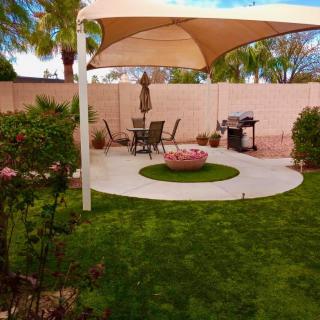
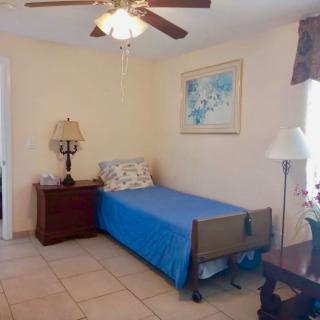
12802 N 57th St, Scottsdale, AZ 85254
To contact a resident: (509) 228-2735
For more information about senior living options: (866) 208-4318
Legacy Comfort Homes Costs & Pricing
At Legacy Comfort Homes, the monthly costs for accommodation reflect a commitment to quality and personalized care. For a semi-private room, residents can expect to invest $3,500 per month, which is notably higher than the average rates in Maricopa County at $2,801 and throughout Arizona at $2,820. When considering private rooms, the cost at Legacy Comfort Homes is set at $4,000, surpassing the county's average of $3,318 and the state figure of $3,345. These pricing structures highlight Legacy Comfort Homes' focus on delivering an exceptional living experience that goes beyond mere accommodation by offering superior services and amenities tailored to enhance residents' well-being.
| Floor plans | Legacy Comfort Homes | Maricopa County | Arizona |
|---|---|---|---|
| Semi-Private | $3,500 | $2,801 | $2,820 |
| Private | $4,000 | $3,318 | $3,345 |
Senior living communities with a similar price nearby
-
from +$150 / mo

SeniorBridge - Scottsdale, AZ
$3,650 / month3.9 miles away -
from -$550 / mo
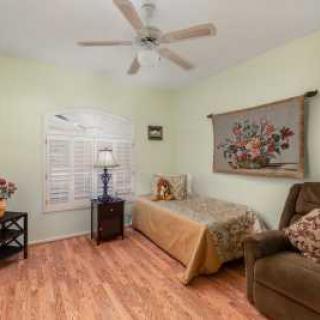
Endeavor AL I
$2,950 to $4,200 / month3.4 miles away -
from +$200 / mo
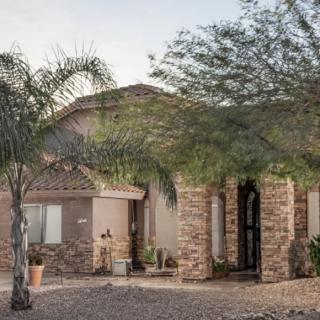
Endeavor AL III
$3,700 to $4,000 / month3.2 miles away -
About the same
Endeavor AL II
$3,500 to $4,000 / month2.9 miles away -
from -$600 / mo
Royal Paradise Care
$2,900 to $3,800 / month22.6 miles away
Overall Review of Legacy Comfort Homes
Pros
 The staff are wonderful, very helpful, and kind.
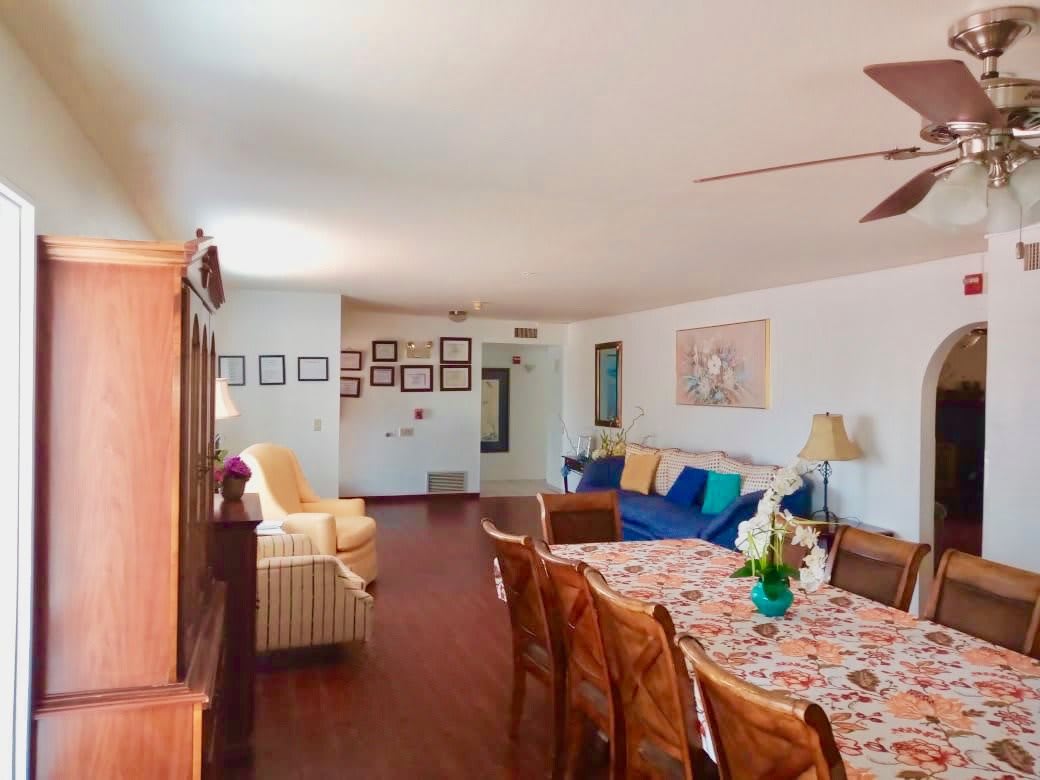
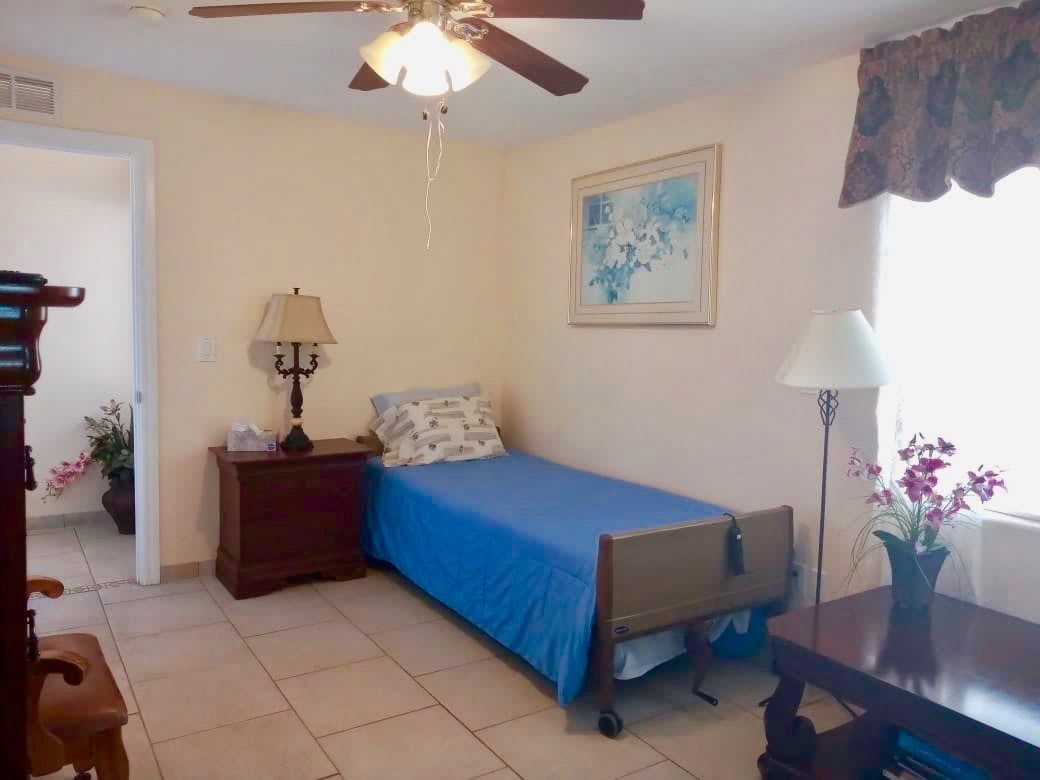
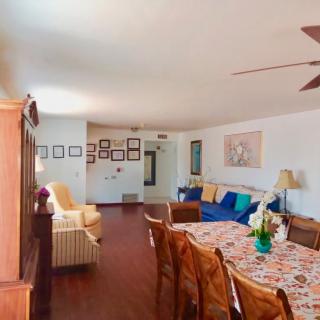
- The facility is bright, cheerful, and clean.
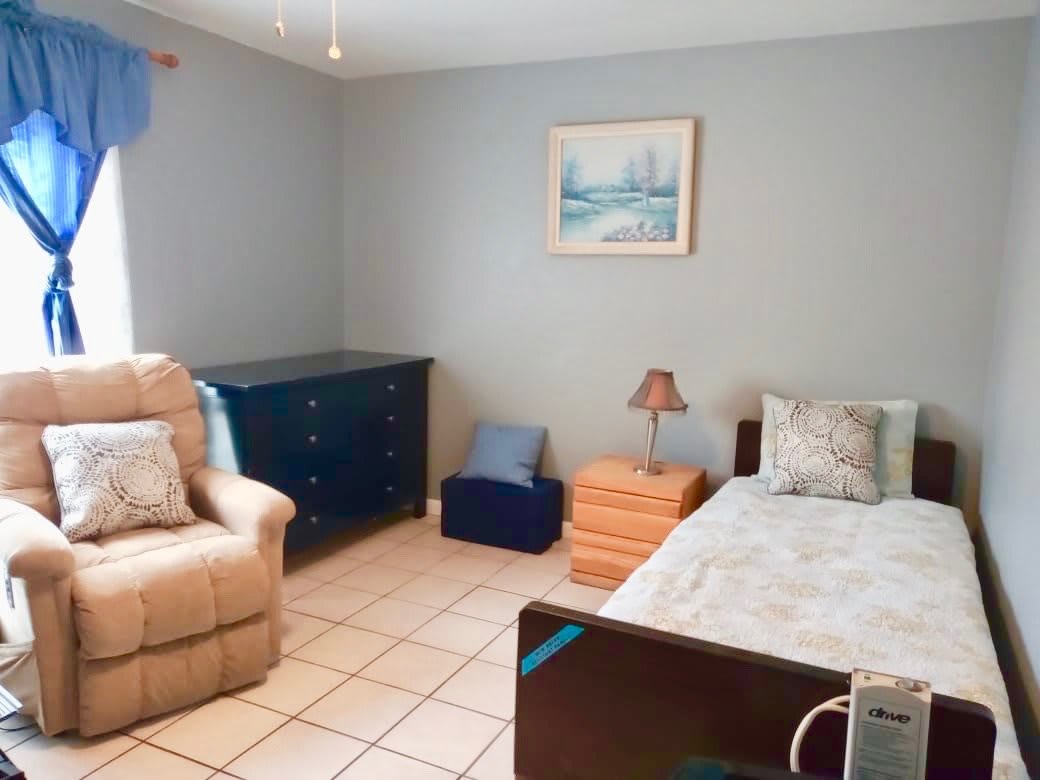
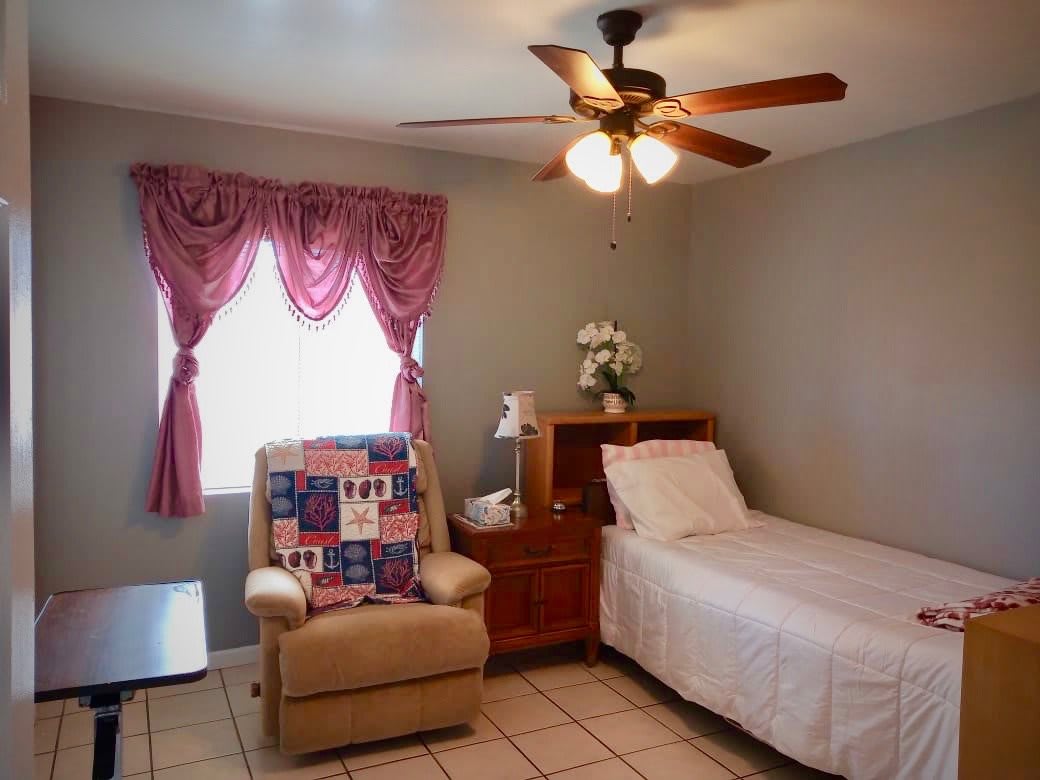
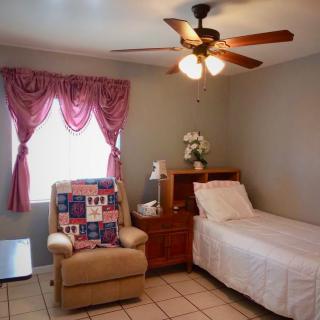
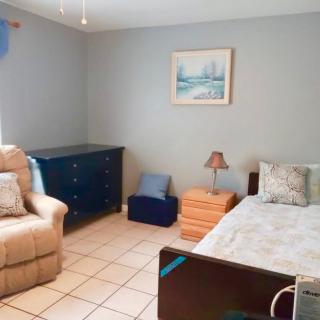
- The rooms are nice and offer private options.
- The meals are delicious and beautifully cooked.
- The home feels peaceful and joyous.
- The care is diligent and coordinated with hospice teams and outside appointments.
- The management maintains constant communication, giving families peace of mind.
- The care is available 24/7 with excellent, compassionate staff.
Cons
 They don’t have any particular activities.
- The previous home had failed in its promises.
Review
Legacy Comfort Homes in Scottsdale is best suited for seniors who want a warm, home-like assisted living environment with attentive, hands-on caregiving. This community shines for residents who have recently undergone medical procedures or live with conditions requiring steady daily support, coordinated therapy, and reliable communication with family members. Families seeking a setting where staff are visible, responsive, and willing to coordinate with outside providers will find a strong match here. Private rooms, wholesome meals, and the freedom to move about or go out with minimal friction make it an excellent fit for those who prize a calm, intimate atmosphere over a formal campus feel. It’s especially well-suited for post-acute recovery periods and ongoing personal care needs.
Those who should consider alternatives are those who crave a highly structured activity calendar or require more extensive on-site medical services. A few residents noted a lack of formal programming, which can leave some wanting more daily engagement or organized social opportunities. For families prioritizing robust dementia or memory-care programming, or seeking a larger, more clinical environment with specialized staff, a bigger senior living campus may better meet expectations. In short, the option that favors a quiet, residential vibe with flexible routines may not satisfy families seeking constant, schedule-driven activities or intensive clinical oversight.
The strongest positives consistently cited, excellent physical therapy support, diligent care coordination, and proactive communication, are significant offsets for the most common concerns. The staff’s accessibility and the manager’s ongoing updates provide real peace of mind for families managing recovery or complex medication schedules. The bright, clean rooms, pleasant dining, and the ability for residents to move freely or depart with family reinforce a sense of autonomy within a protective framework. A private room at competitive rates adds tangible value, while the home’s peaceful, joyous atmosphere reduces stress for both residents and caregivers.
Care quality here rests on 24/7 compassionate staffing and a culture of responsiveness. The ability to align care plans with hospice teams and outside appointments demonstrates a practical, family-centered approach that many families find essential during transitions from hospital to home-like settings. The combination of constant personal attention, reliable meals, and a living environment that feels like a well-run home reduces the fear of isolation or neglect. This practical responsiveness matters most when medical needs fluctuate, and the community’s strength in this area often distinguishes it from more impersonal facilities.
Cost perception plays a meaningful role in the decision, and Legacy Comfort Homes presents a value proposition that reflects its care level. Private rooms, regular caregiver availability, and the convenience of on-site therapy contribute to a price point that families describe as competitive for the Scottsdale market. While not the lowest option, the returns come in the form of steady care, ease of coordination with external providers, and the reassurance of a calm, predictable routine. Those weighing budget against outcomes should measure the emotional and logistical relief provided by consistent staff and flexible outing opportunities.
For families considering whether this is the right place, a practical path forward begins with a firsthand visit to gauge fit beyond the brochure. Ask about physical therapy scheduling, ongoing caregiver-to-family communication practices, and the process for coordinating with hospice or outside specialists. Inquire about memory-care capabilities if memory-related needs are present, and probe how outings and social interactions unfold in a no-formal-activities environment. Confirm rooms, dining quality, and safety features, then compare with alternatives that offer more structured programming or a larger clinical footprint. When alignment exists between needs and the community’s strengths, Legacy Comfort Homes stands out as a capable, reassuring choice.
 Board and Care Home
 Activities off-site
 Air-conditioning
 Bath tubs
 Beautician on-site
 Cable or satellite TV
 Devotional services off-site
 Full kitchen
 Ground floor units
 Handicap accessible
 Indoor common areas
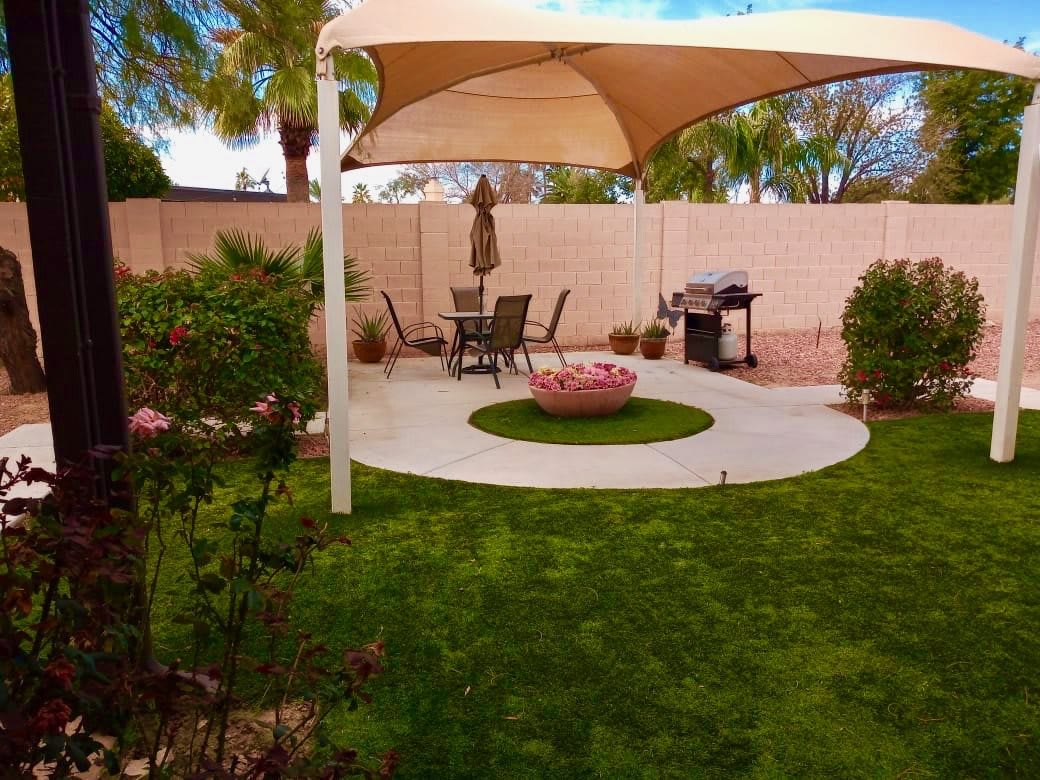
 Outdoor common areas
 Private
 Private bathrooms
 Respite or short term stays offered
 Wheelchair accessible showers
 Wi-Fi/high-speed internet available
 Phoenix Sky Harbor International (12 miles away)
 Diabetic care
 High acuity care
 Incontinence care
 Medication management
 Anytime dining
 Art classes
 Catholic services
 Day trips and outings
 Educational speakers / life long learning
 Jewish services
 Karaoke
 Live musical performances
 Wine tasting

 Powerful Realities of Elder Abuse and the Most Effective Ways to Report It
 Ten Vital Duties of a Senior Caregiver: A Comprehensive Guide
 9 Stimulating Memory Activities for Seniors: Puzzles, Cards, and Much More