
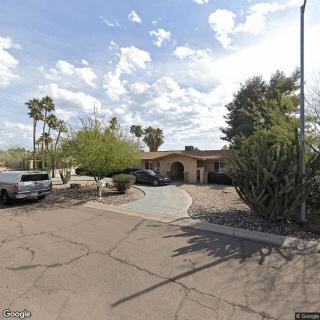
12802 North 57Th Street, Scottsdale, AZ 85254
For more information about senior living options: (866) 208-4318
Overall Review of Comfort Givers Assisted Living
Pros
 The Comfort Keepers staff are very professional and communicate with the family about all the father's needs.
- They have been doing an excellent job caring for the client's wife for three years, and the family is very happy with their work.
- The Comfort Keepers caregivers assigned to the client's 96-year-old mom were kind and compassionate, helped her enjoy crossword puzzles, and one even danced with her.
- Comfort Keepers have enabled the clients' parents to stay in their home; Melissa is an incredibly capable and kind caregiver.
- The client has used Comfort Keepers since 2004 and is more than satisfied with them and the providers, hoping to continue as long as needed.
- The client loves the place; their parents have been there for years, and they praise the staff and owners, noting improvements from remodeling.
Review
This Scottsdale option is best suited for seniors who want dependable, professional caregiving delivered in a home-like framework, with a clear emphasis on aging in place or receiving support that feels personal and intimate. The reviews repeatedly praise caregivers who communicate well with families and adapt to individual needs, from managing a nearly blind and deaf parent’s daily activities to keeping a cherished pastime, like crossword puzzles, alive. The strongest fit is for families seeking continuity and trusted relationships, with caregivers who stay engaged over years and treat the care recipient as a person, not a task. It is a practical choice for those prioritizing warmth, responsiveness, and a service model that folds into daily life rather than pushing a loved one into a generic facility setting.
Key strengths are unmistakable. Professionalism and reliability stand out in every account, with staff described as capable, kind, and communicative about every facet of care. Caregivers are praised for their compassion and for building meaningful connections, a factor that translates into lower stress for families and greater daily comfort for seniors. The model supports staying at home or receiving in-home care with a level of attentiveness that can keep independence intact longer, while still delivering regular supervision and assistance. A proven track record, years of service backed by a history of positive experiences, underpins trust, and remodeling or updates suggest ongoing investment in the environment. The personal touch, like caregivers dancing with a resident or thoughtfully facilitating favorite activities, adds measurable quality to daily life.
While the positives are strong, there are practical considerations that families should weigh when comparing options. This model is less about a traditional, campus-style assisted living and more about in-home or home-like care arrangements and a dispersed staff network. For seniors who require intensive, on-site nursing, structured group activities every day, or immediate access to a full-time medical team on a single campus, a larger facility with built-in programs may be a better fit. The arrangement can hinge on caregiver availability and matching, which means families should plan for scheduling flexibility and back-up coverage. Costs can also be a factor, particularly if the care plan evolves toward higher levels of in-home support, demanding careful budgeting and insurance considerations.
Those potential downsides are not fatal; they are the leverage points where the service’s strengths shine brightest. The boundless accessibility of professional caregivers and the emphasis on clear family communication help mitigate concerns about continuity, even when multiple caregivers are involved. Long-standing relationships between families and caregivers reduce the friction that often accompanies transitions, and the ability to tailor activities to personal interests offsets the risk of social isolation by embedding meaningful engagement into the day. The remodeling and attentiveness suggested by ownership imply that the environment will remain safe, welcoming, and adaptable as needs change. In short, the model converts potential consistency risks into a dependable, person-centered experience.
For families deciding whether to pursue this path, the practical next steps are straightforward. Assess whether aging in place with professional support is the priority, versus a campus-based social environment with on-site peers and formal nursing services. Confirm licensing and credentials, request caregiver matching processes, and ask for a transparent schedule and back-up plan. Discuss anticipated costs, potential changes in care level, and how transitions between different care intensities would be handled. Seek references from other families with similar needs and request a sample care plan that outlines daily activities, safety measures, and communication routines with family members.
In the final analysis, Comfort Givers Assisted Living through the Comfort Keepers network stands as a robust, experienced choice for Scottsdale families prioritizing reliable, compassionate in-home or home-like care. It earns high marks for professionalism, caregiver quality, and the ability to preserve independence while providing meaningful daily support. For seniors who crave personal attention, consistent caregivers, and a living environment that remains intimately connected to daily life, this option is hard to beat. Families needing a more traditional, fully staffed campus with constant on-site medical oversight should evaluate alternative facilities to ensure the setting aligns with long-term health requirements and social goals.
 10 resident community capacity
 Assisted Living
 Board and Care Home
 Respite Care
 Cable or satellite TV
 Dining room
 Fully furnished
 Garden
 Housekeeping services
 Move-in coordination
 Outdoor space
 Telephone
 Wi-Fi/high-speed internet available
 Phoenix Sky Harbor International (12 miles away)
 24-hour supervision
 Activities of daily living assistance
 Assistance with bathing
 Assistance with dressing
 Assistance with transfers
 Diabetes diet
 Meal preparation and service
 Medication management
 Special dietary restrictions
 Transportation arrangement (medical)
 Transportation to doctors appointments






 Exploring the Contrasts Between Assisted Living and Skilled Nursing
 8 Key Indicators That Suggest It May Be Time to Transition from Assisted Living to Skilled Nursing Care
 Vibrant Senior Living: A Comprehensive Guide for Active Older Adults