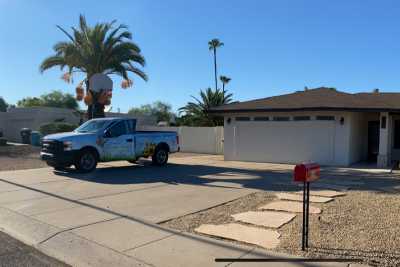
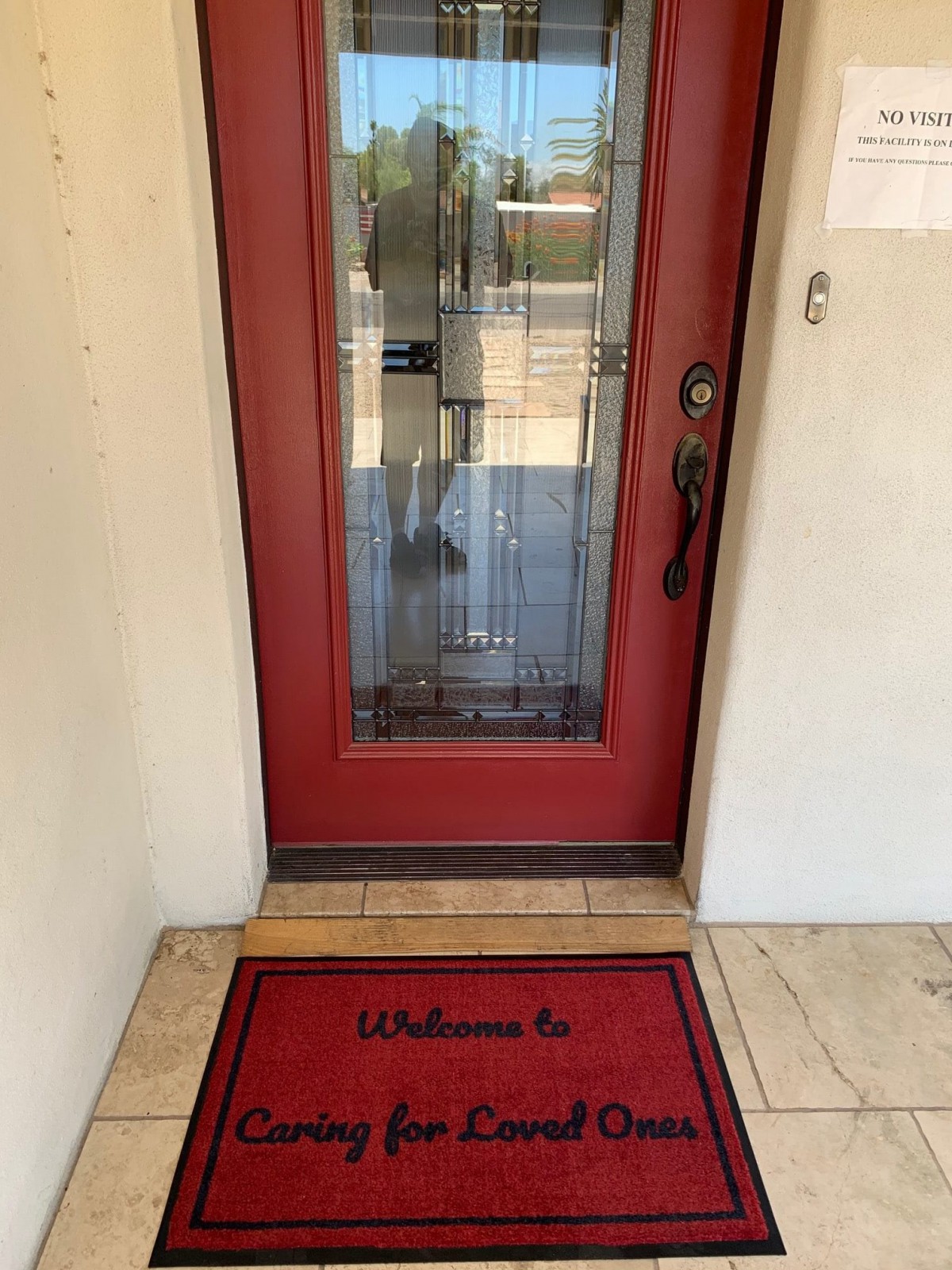
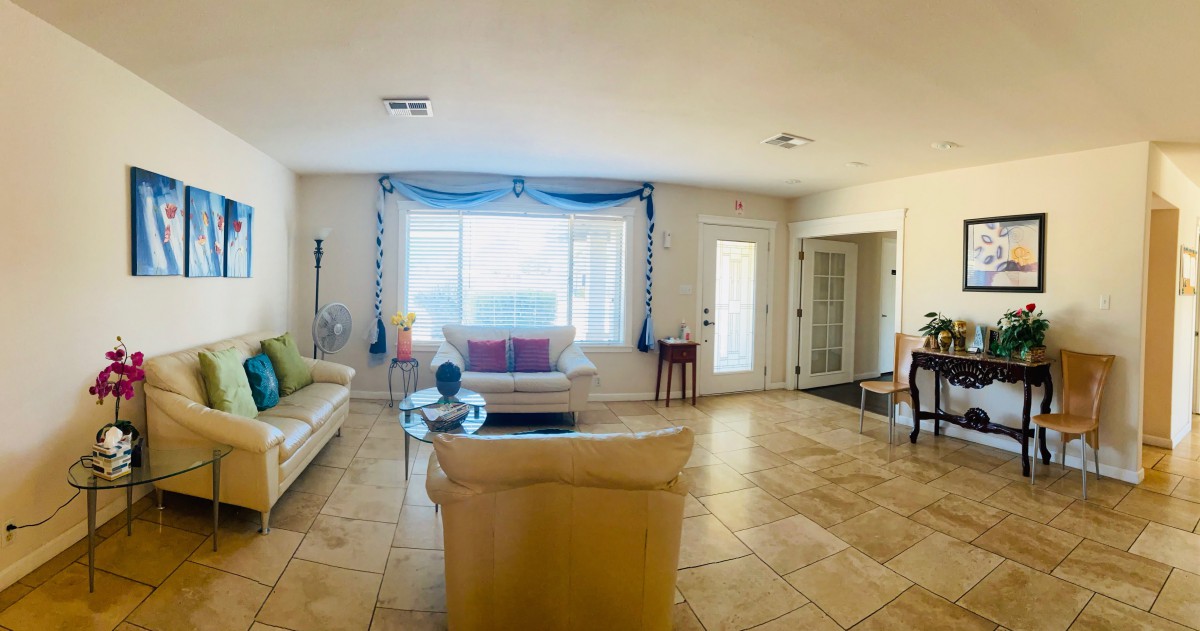
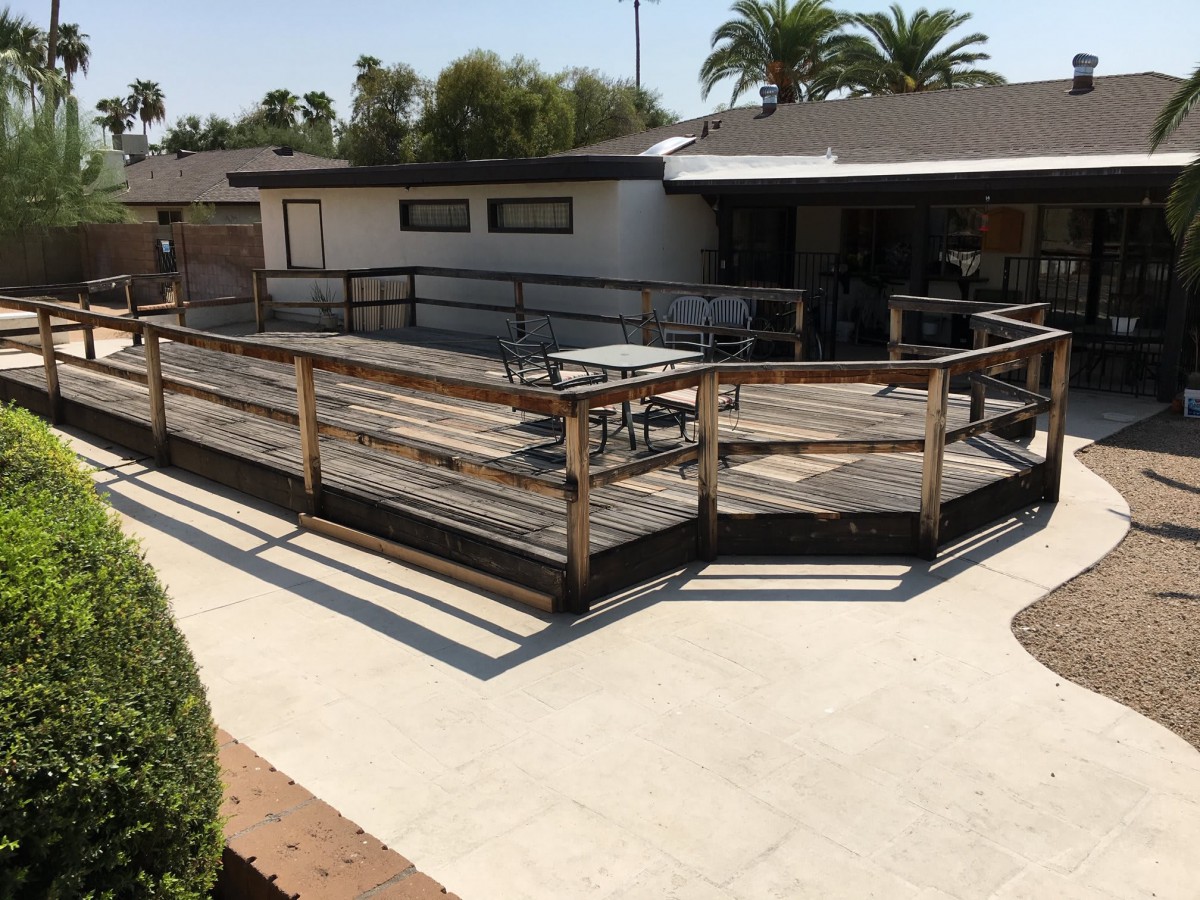
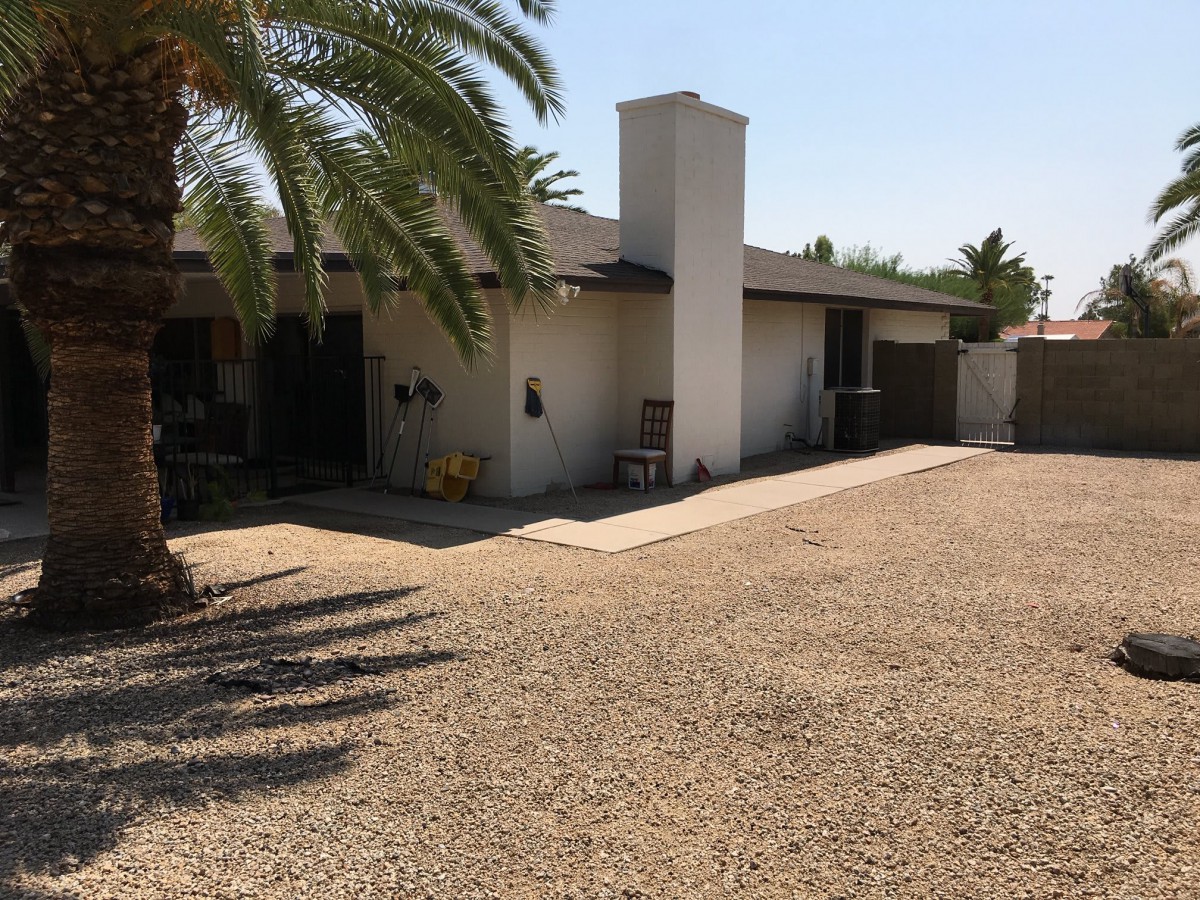
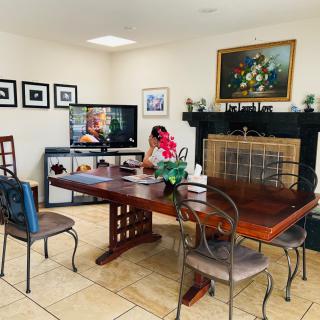
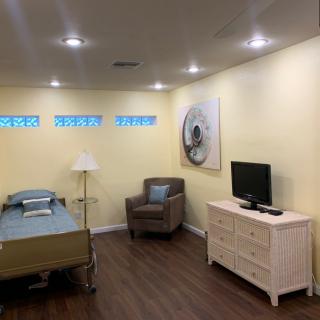
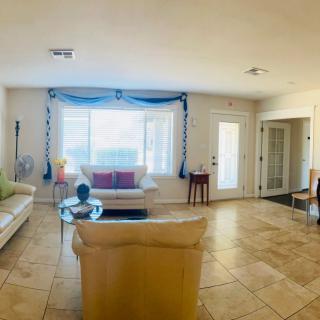
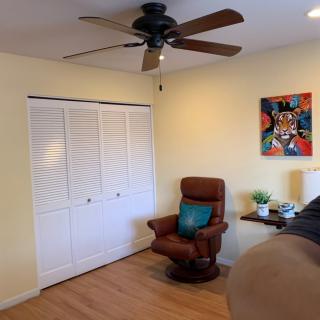
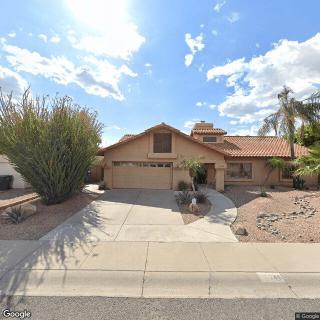
5718 E Sharon Dr, Scottsdale, AZ 85254
To contact a resident: (602) 561-6025
For more information about senior living options: (866) 208-4318
Caring for Loved Ones Costs & Pricing
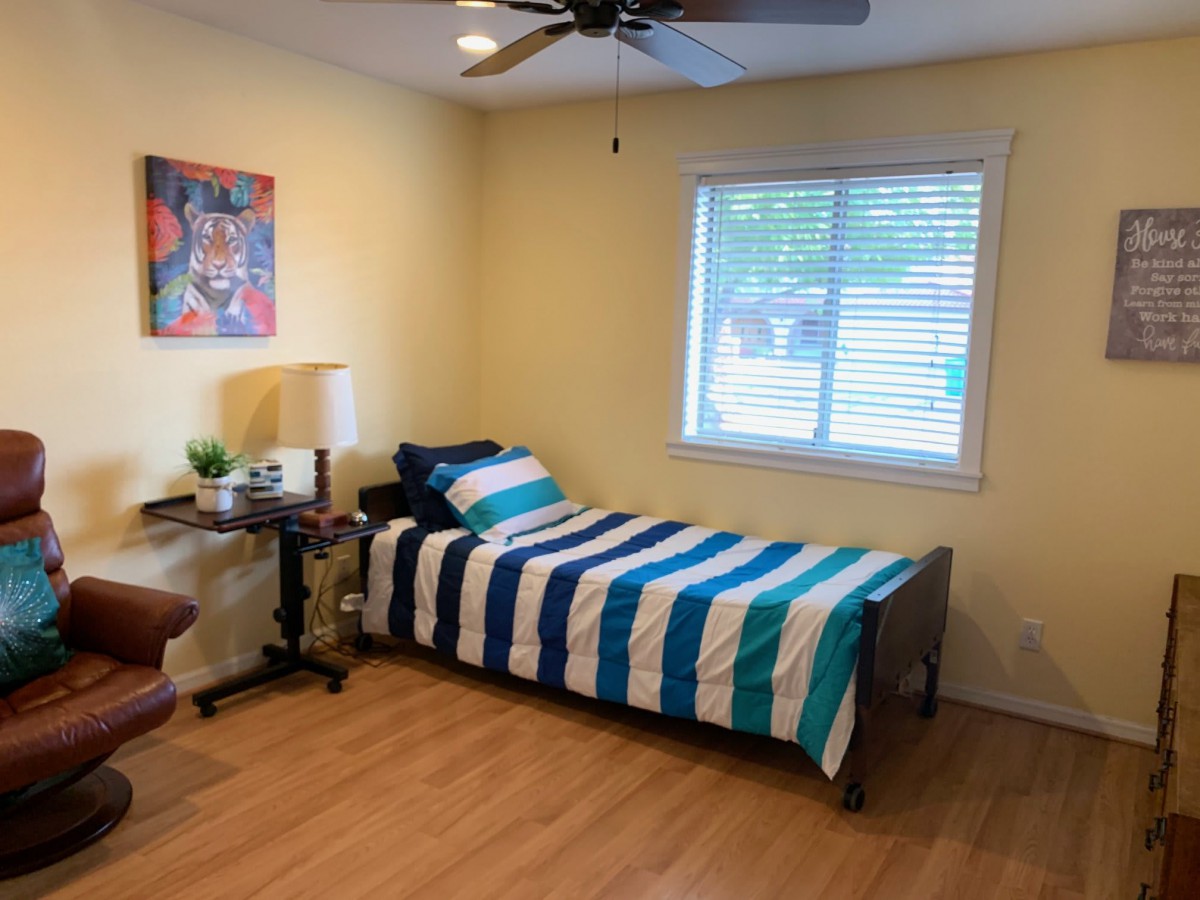
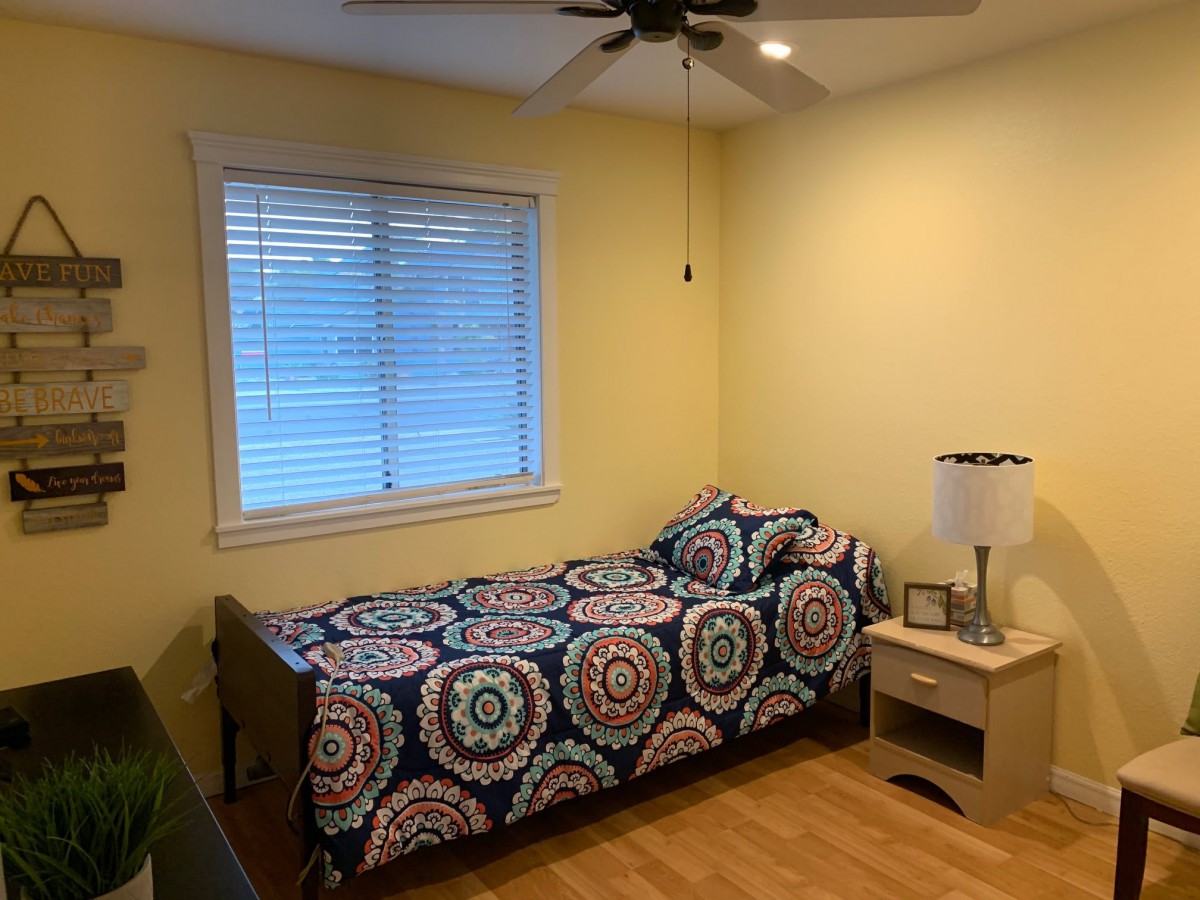
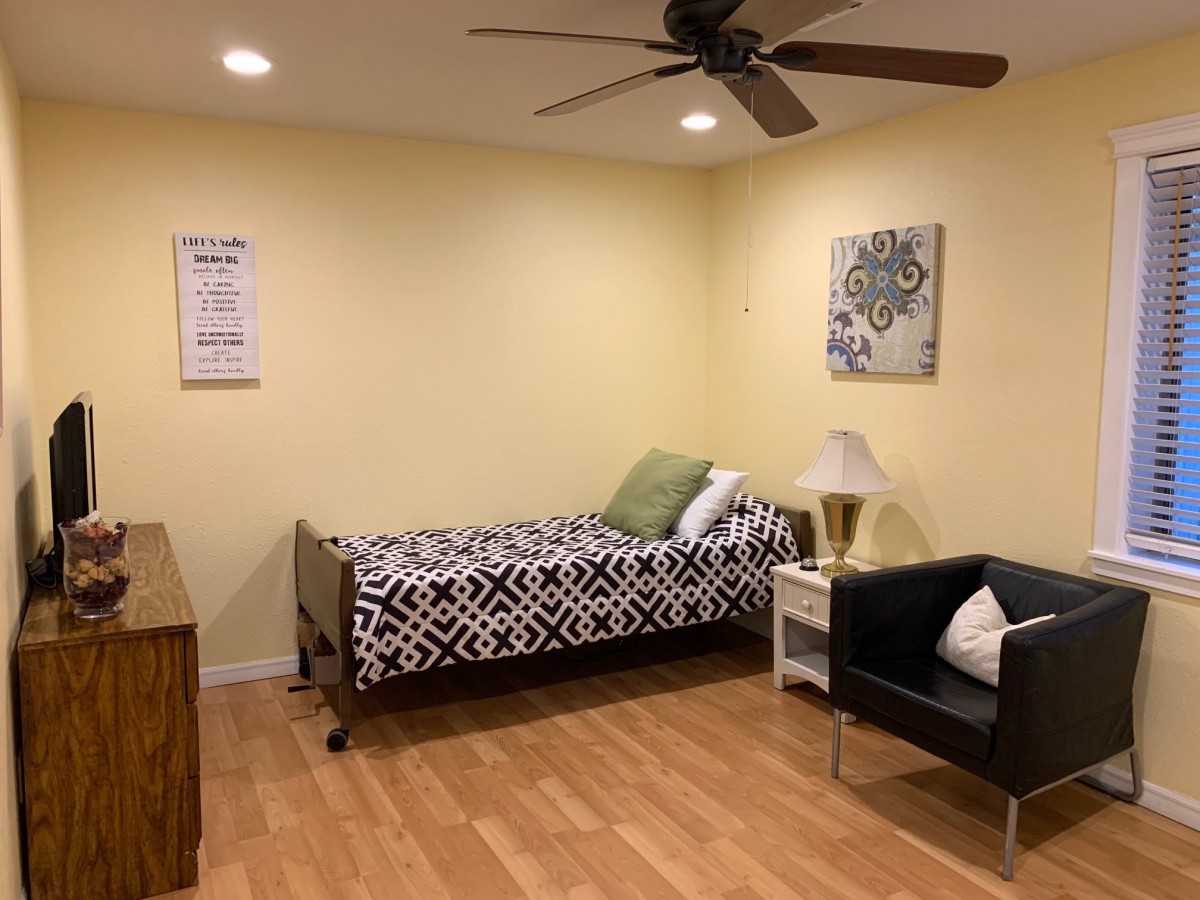
Caring for Loved Ones offers a range of care options, with private room accommodations priced at $3,500 per month. This figure reflects the supportive environment and personalized attention that residents receive. In comparison, the average costs in Maricopa County stand at approximately $3,318, while the statewide average in Arizona is slightly higher at around $3,345. These figures highlight a competitive pricing landscape where Caring for Loved Ones positions itself as a premium choice for those seeking quality care. Ultimately, families can consider these costs alongside the unique amenities and services provided to ensure their loved ones receive the best possible support.
| Floor plans | Caring for Loved Ones | Maricopa County | Arizona |
|---|---|---|---|
| Private | $3,500 | $3,318 | $3,345 |
Senior living communities with a similar price nearby
-
from +$150 / mo
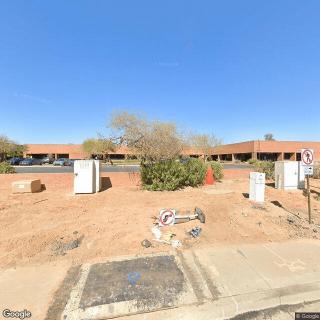
SeniorBridge - Scottsdale, AZ
$3,650 / month4.0 miles away -
from -$550 / mo
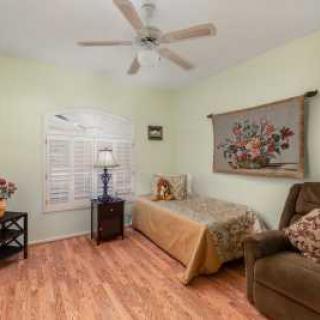
Endeavor AL I
$2,950 to $4,200 / month2.9 miles away -
from +$200 / mo
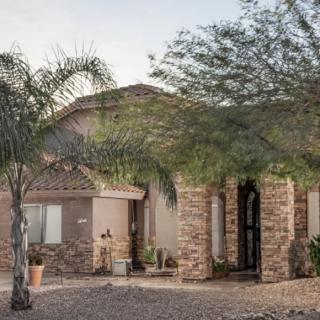
Endeavor AL III
$3,700 to $4,000 / month2.6 miles away -
About the same
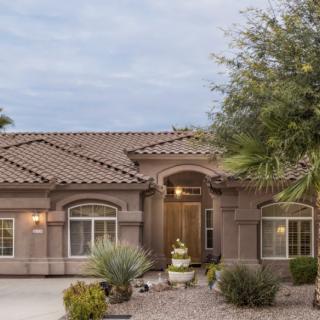
Endeavor AL II
$3,500 to $4,000 / month2.3 miles away -
from -$600 / mo
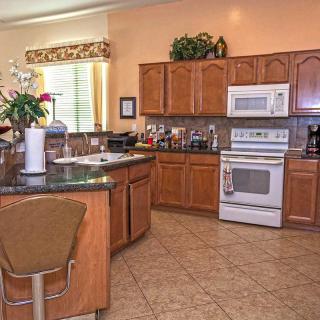
Royal Paradise Care
$2,900 to $3,800 / month22.6 miles away
Overall Review of Caring for Loved Ones
Pros
 The caregivers are very attentive, friendly, and constant.
- Everyone there has different needs and everyone seems happy and taken care of.
- She receives three meals a day and regular showers, and she is happy there.
- They found a place where he was safe and cared for during his final days.
Review
This Scottsdale community is best suited for families seeking intimate, hands-on daily care where caregivers are consistently attentive and residents receive reliable meals and personal care. It fits seniors who thrive in a smaller, relationship-oriented environment where staff are accessible, know residents’ routines, and demonstrate a steady, compassionate presence. The emphasis on individualized attention, caring for varied needs while maintaining a sense of happiness and well-being, makes it a strong choice for those who value everyday comfort, dependable meals, and assistance with basics like showers as part of a stable, predictable routine.
Those considering alternatives should weigh whether the senior’s needs extend beyond routine daily living and general caregiving. For families facing complex medical oversight, frequent skilled nursing requirements, or a robust memory care program, other communities with explicit, documented medical staffing and dementia-specific services may be more appropriate. Couples or individuals who want a wide array of on-site therapies, extensive rehab services, or substantial social programming could find more comprehensive options elsewhere. Additionally, families seeking aggressive pricing transparency, larger campuses, or expansive activity calendars may want to comparison-shop beyond this smaller, tightly focused setting.
The strongest pro, consistently attentive and friendly caregivers who are present with residents, directly addresses core concerns about safety, engagement, and daily reassurance. When a facility can meet each resident’s varying needs with a steady team, the risk of isolation or neglect drops significantly, and families gain confidence that their loved ones are not simply housed but cared for. The reported three meals a day and regular showers reinforce that practical fundamentals are reliably managed, reducing parental worry around nutrition, hydration, and personal hygiene. The most compelling proof comes from the end-of-life scenario described: caregivers found a place where a loved one could be safe and well cared for during final days, a testament to genuine, compassionate oversight when medical or emotional support becomes paramount.
Yet the information available leaves important questions unaddressed, and that constitutes a meaningful practical con for families evaluating options. The reviews do not specify the staff-to-resident ratio, the regular presence of licensed medical professionals, or the availability of on-site therapy and skilled nursing services. There is no explicit confirmation of memory care programming, emergency response protocols beyond general safety practices, or the depth of social and cognitive-activating activities. While happiness and attentiveness are repeatedly praised, the absence of concrete details about medical oversight and program breadth means risk exists for seniors whose needs evolve beyond routine assistance.
In making a decision, families should map their priorities to the realities described. If the goal is daily reassurance from a steady caregiving team, with predictable meals and personal care handled reliably, this community delivers. Prospective buyers should still verify critical operational questions: who staffs nights and weekends, what medical supervision is available, and whether dementia-specific care or rehabilitation services are part of the package. Price transparency, room options, and transportation services are other practical checks. The strongest move is to visit with a specific care plan in hand, confirming that staff capability aligns with the senior’s current and anticipated needs.
Ultimately, for Scottsdale families prioritizing warmth, attentiveness, and dependable everyday care, this community offers a persuasive match. The positive caregiver dynamics and the demonstrated commitment to safety and comfort provide a solid foundation for choosing it as a home care option. However, the limited number of reviews signals caution: a broader, in-depth exploration is essential to ensure medical needs, memory care considerations, and future flexibility are fully addressed. When those factors align, the decision becomes clear: this is a strong candidate to consider seriously, particularly for seniors seeking a close-knit, consistently supported daily living environment.
 Board and Care Home
 Cats allowed
 Dogs allowed
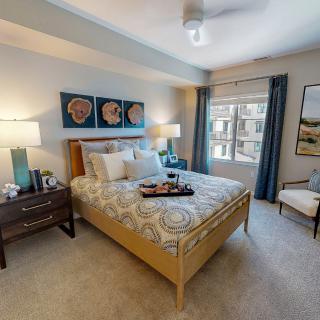
 Private
 Phoenix Sky Harbor International (13 miles away)
 Diabetic care
 High acuity care
 Incontinence care

 Comprehensive Insights into Palliative Home Care: What It Is and What to Expect
 Skilled Nursing Facilities vs. Nursing Homes: Making Sense of the Differences
 A Detailed Examination of Nursing Home Costs Across the U.S.