
29914 North 78Th Street, Scottsdale, AZ 85262
For more information about senior living options: (866) 208-4318
Overall Review of Dixileta Adult Care Home II
Pros
 Leti’s Home is described as a blessing for families, with Lori’s warm and genuine personality making newcomers feel welcome and cared for.
 - The staff at Leti’s Home are patient, compassionate, and attentive, keeping residents comfortable and happy and giving families peace of mind.
- The place feels like a home, not just a facility, where loved ones are treated with kindness and respect.
- Residents enjoy engaging activities (games, music, exercise) and good meals in a friendly atmosphere that families appreciate.
- The staff and owner are absolutely amazing, offering care and activities at a level comparable to larger facilities.
- Leti’s Home is regarded as a hidden gem, with staff who go above and beyond, including during respite care.
- The neighborhood is clean and safe, and families highly recommend Leti’s Home for their loved ones.
Cons
 None found in the provided reviews.
Review
This Dixileta community is best suited for families seeking a warm, home-like setting where care feels personal and consistently attentive. The archetype reflected in the arriving reviews is a small, caregiver-led environment in which the owner or a dedicated supervisor remains highly reachable, and staff build genuine relationships with residents. It suits seniors who thrive on daily routines, meaningful activities, and meals that feel like home rather than a clinical, institution-like ambiance. Families prioritizing transparent communication and peace of mind will find this model particularly compelling, because the care experience centers on comfort, dignity, and a sense of belonging rather than sheer volume of services.
Those who may want to consider alternatives are those with substantial medical complexity or a need for robust, around-the-clock nursing oversight. Facilities with larger clinical teams, on-site physicians, and formalized memory care programs often handle high-acuity needs and specialized behavioral supports more readily. For residents requiring frequent professional medical interventions, complex wound care, 24/7 nurse coverage, or intensive supervision for wandering or safety, a bigger campus or a dedicated memory-care setting could prove more appropriate. In short, the Dixileta option shines when the emphasis is on personalized attention and home-like living, not on industrial-grade clinical care.
The strongest positives, a warm owner presence, patient and compassionate staff, a genuinely homey atmosphere, and engaging daily activities, act as powerful counterweights to the potential downsides of a smaller setting. The staff’s attentiveness and willingness to keep families informed nourish confidence and reduce anxiety about a loved one’s daily well-being. A calm, safe neighborhood milieu, good food, and regular activities such as games, music, and exercise help residents stay connected, alert, and content. The personalized touch, evidenced by consistent communication about needs or concerns, often offsets the limits inherent in a smaller operation, where resources and staffing are inevitably leaner than at a large facility.
Prospective families should therefore structure their evaluation around how well the setting can sustain personal, ongoing connections and flexible programming. During visits, inquire about caregiver-to-resident ratios, the policy for continuity of caregivers, and how shifts are staffed on weekends and holidays. Review how the community documents and shares updates on health changes or new needs, and ask to observe direct interactions between staff and residents to gauge warmth and responsiveness. Look for evidence of variety in activities that match the resident’s interests, as well as the quality and variety of meals. The neighborhood’s safety, cleanliness, and the feel of a genuine home environment should be tangible cues in the decision process.
In practice, the bottom line is that this Dixileta option delivers what families often seek in intimate, companionable care: a personable, hands-on approach that treats residents as individuals, not as numbers. The trade-off is fewer clinical fireworks and less of a hospital-like cadence, which is precisely where the advantages of a close-knit team and open family communication come into play. For families prioritizing daily life quality, emotional security, and staff relationships, these strengths create a compelling value proposition. The decisive move then becomes confirming that the resident’s medical needs stay within what the community can reliably manage, and ensuring comfort with the cadence of updates and the responsiveness of care.
Actionable next steps are clear: arrange a firsthand visit to assess how the home atmosphere translates into real daily life; ask for recent resident activity calendars and sample menus; request a candid discussion about staffing patterns and response times for common needs; and speak with current families about their experiences with communication and decision-making involvement. If the resident’s requirements align with a warm, resourceful, home-centered setting, Dixileta stands out as a prudent choice. If medical complexity or a highly structured clinical program is non-negotiable, exploring alternatives with larger scale operations will likely yield a more seamless fit.
 8 resident community capacity
 Assisted Living
 Board and Care Home
 Respite Care
 Cable or satellite TV
 Dining room
 Fully furnished
 Garden
 Housekeeping services
 Move-in coordination
 Outdoor space
 Telephone
 Wi-Fi/high-speed internet available
 Phoenix Sky Harbor International (23 miles away)
 24-hour supervision
 Activities of daily living assistance
 Assistance with bathing
 Assistance with dressing
 Assistance with transfers
 Diabetes diet
 Meal preparation and service
 Medication management
 Special dietary restrictions
 Transportation arrangement (medical)
 Transportation to doctors appointments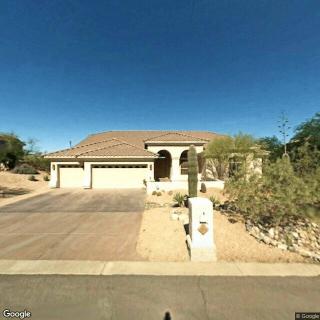




 Comprehensive Residential Support and Assisted Living Solutions for Individuals with Disabilities
 Comprehensive Supportive Living Arrangements for Adults with Disabilities
 Funding and Affording Assisted Living: A Thorough Overview