

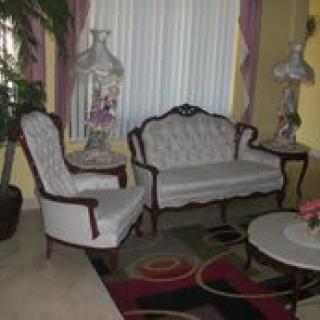
5343 East Woodridge Drive, Scottsdale, AZ 85254
For more information about senior living options: (866) 208-4318
Bell Adult Care Home Costs & Pricing
At Bell Adult Care Home, the monthly costs reflect a commitment to quality care and personalized living experiences. For a semi-private room, residents can expect to pay $3,500, which is notably higher than the average of $2,801 in Maricopa County and $2,820 across Arizona. For those seeking more privacy, the cost for a private room is set at $4,000 - again exceeding the county's average of $3,318 and the state's average of $3,345. These figures suggest that while Bell Adult Care Home may have higher rates compared to local and state averages, this investment likely corresponds with enhanced amenities and individualized attention that cater to the unique needs of its residents.
| Floor plans | Bell Adult Care Home | Maricopa County | Arizona |
|---|---|---|---|
| Semi-Private | $3,500 | $2,801 | $2,820 |
| Private | $4,000 | $3,318 | $3,345 |
Assisted Living communities with a similar price nearby
-
from -$600 / mo
Royal Paradise Care
$2,900 to $3,800 / month22.2 miles away -
from -$500 / mo

Bella Amore Assisted Living
$3,000 / month10.1 miles away -
from +$340 / mo

Elite Senior Living
$3,840 to $4,992 / month10.0 miles away -
from -$300 / mo

Evergreen Assisted Living
$3,200 to $7,500 / month3.4 miles away -
About the same

The Greenway Manor II
$3,500 to $4,000 / month1.0 miles away
Overall Review of Bell Adult Care Home
Pros
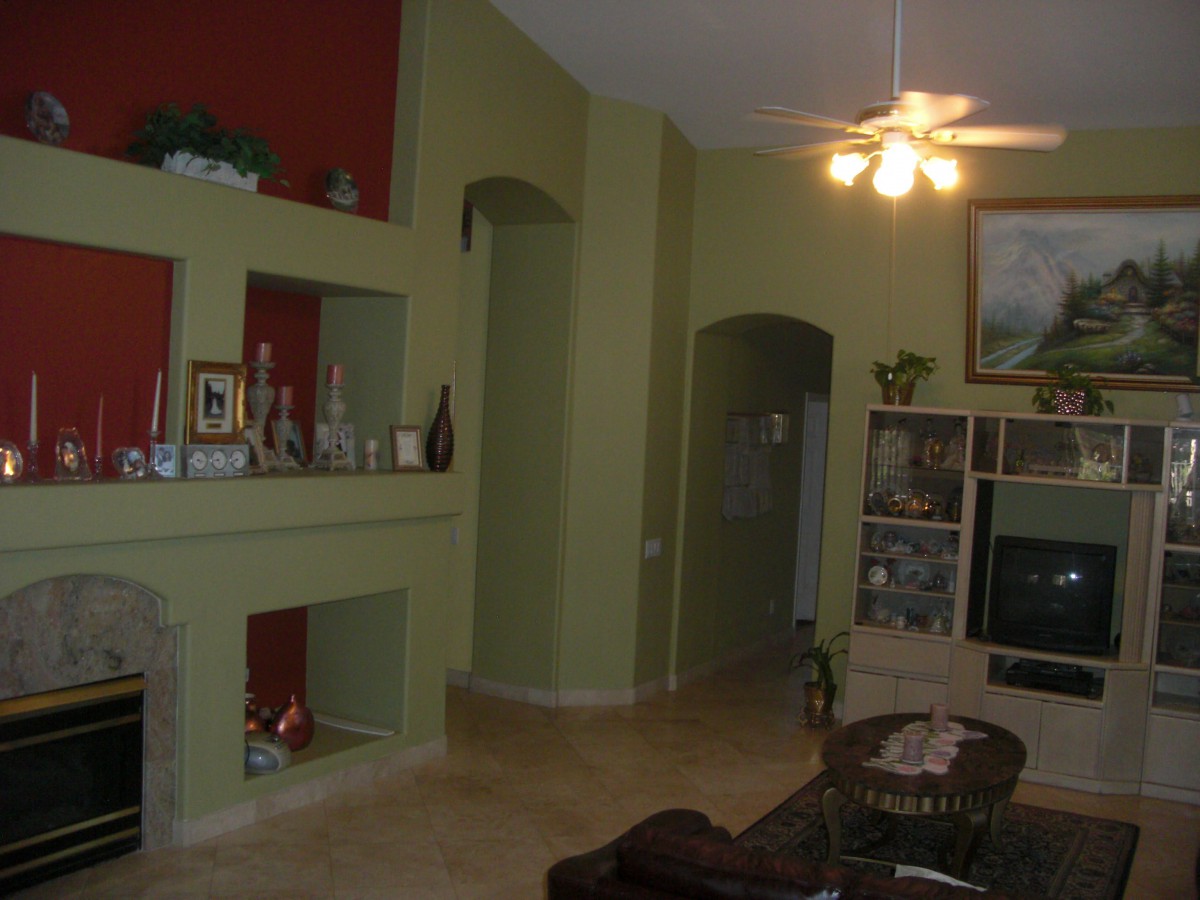
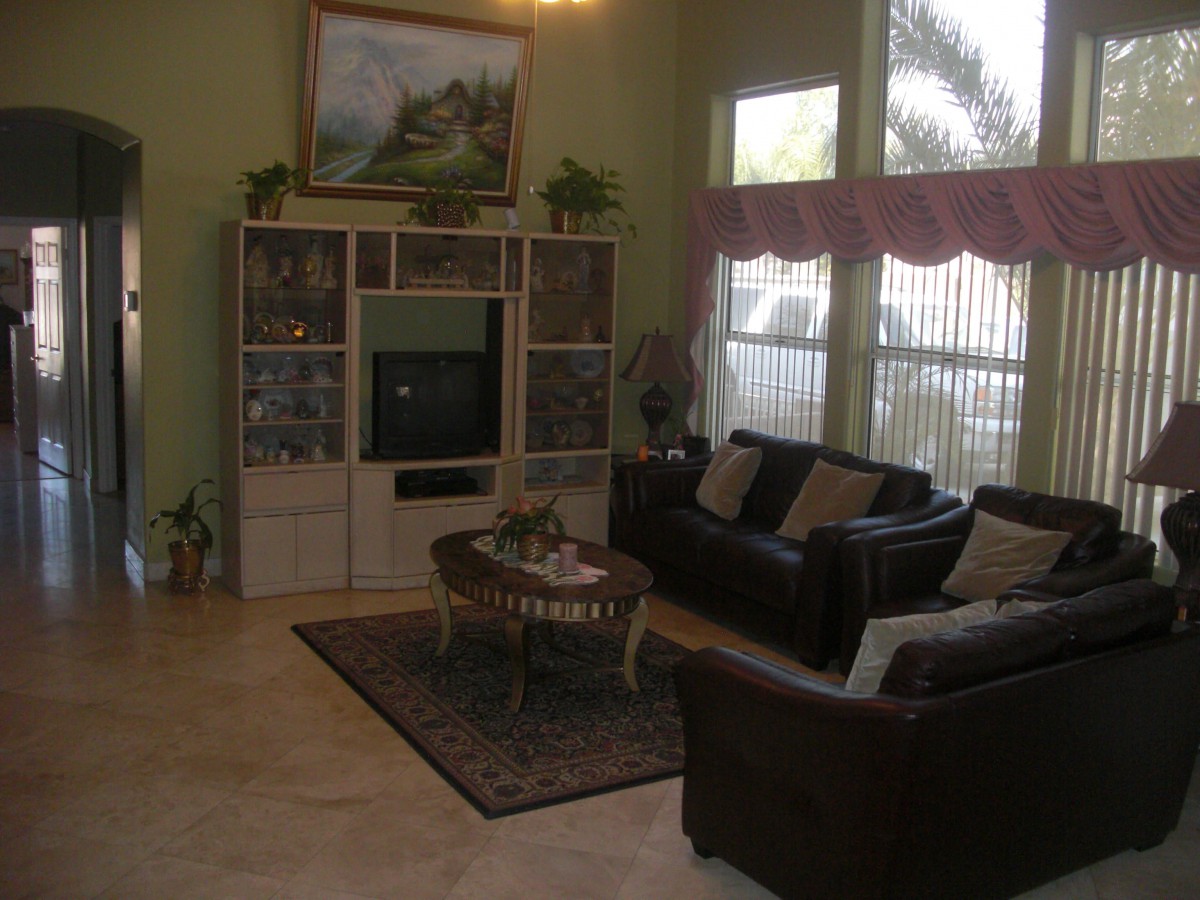
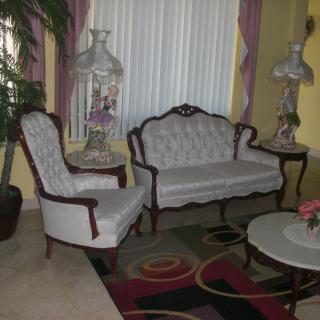
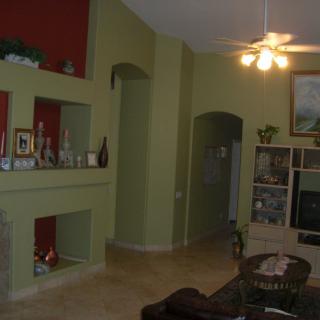
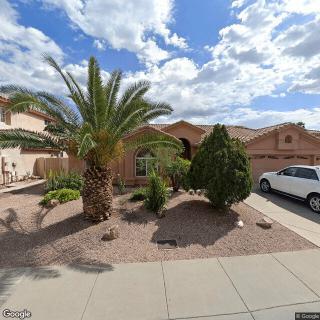
 The home is well kept and in a great location, with the 101 and 51 less than five minutes away.
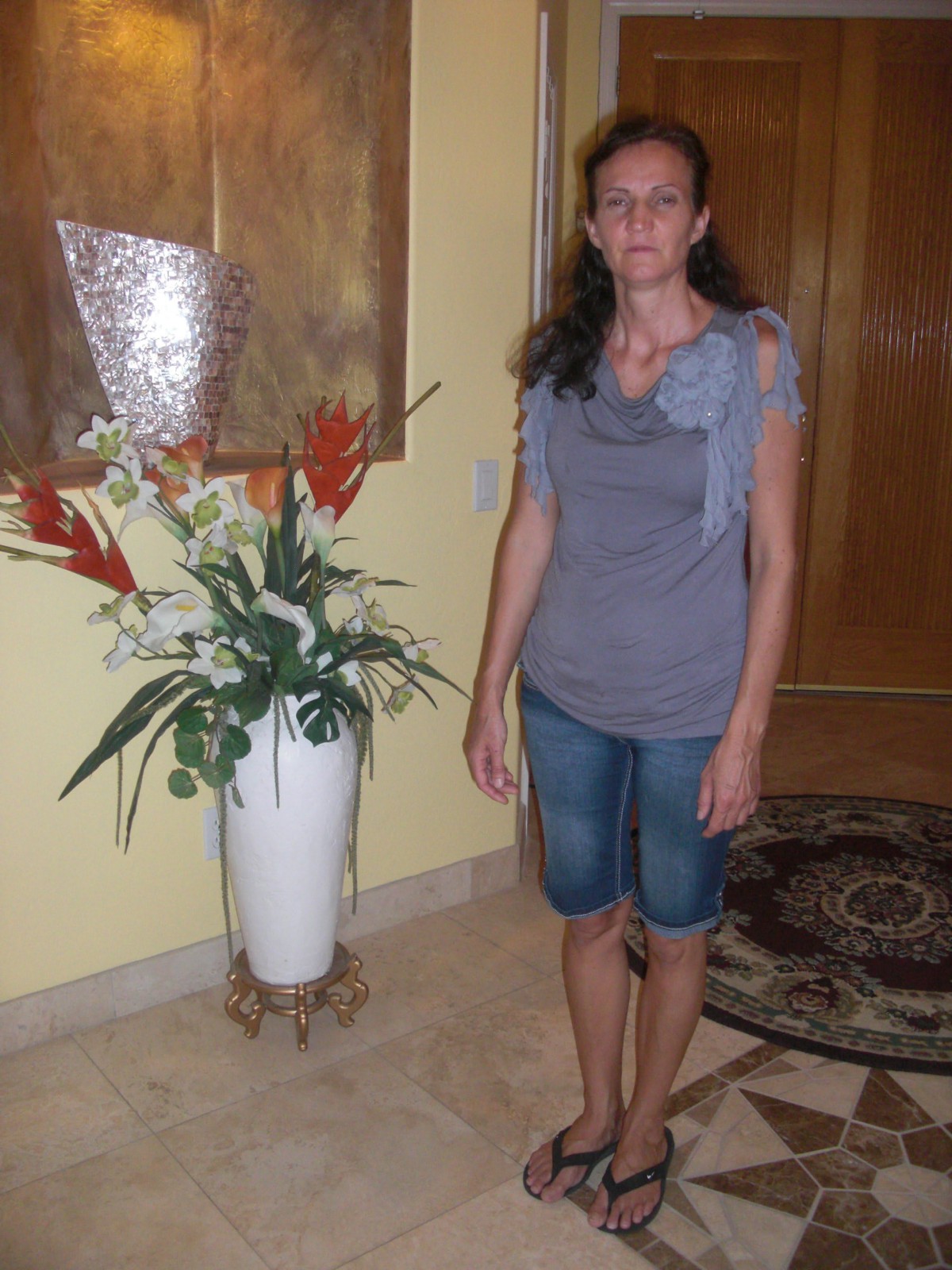
- Maggie greets guests with a smile.
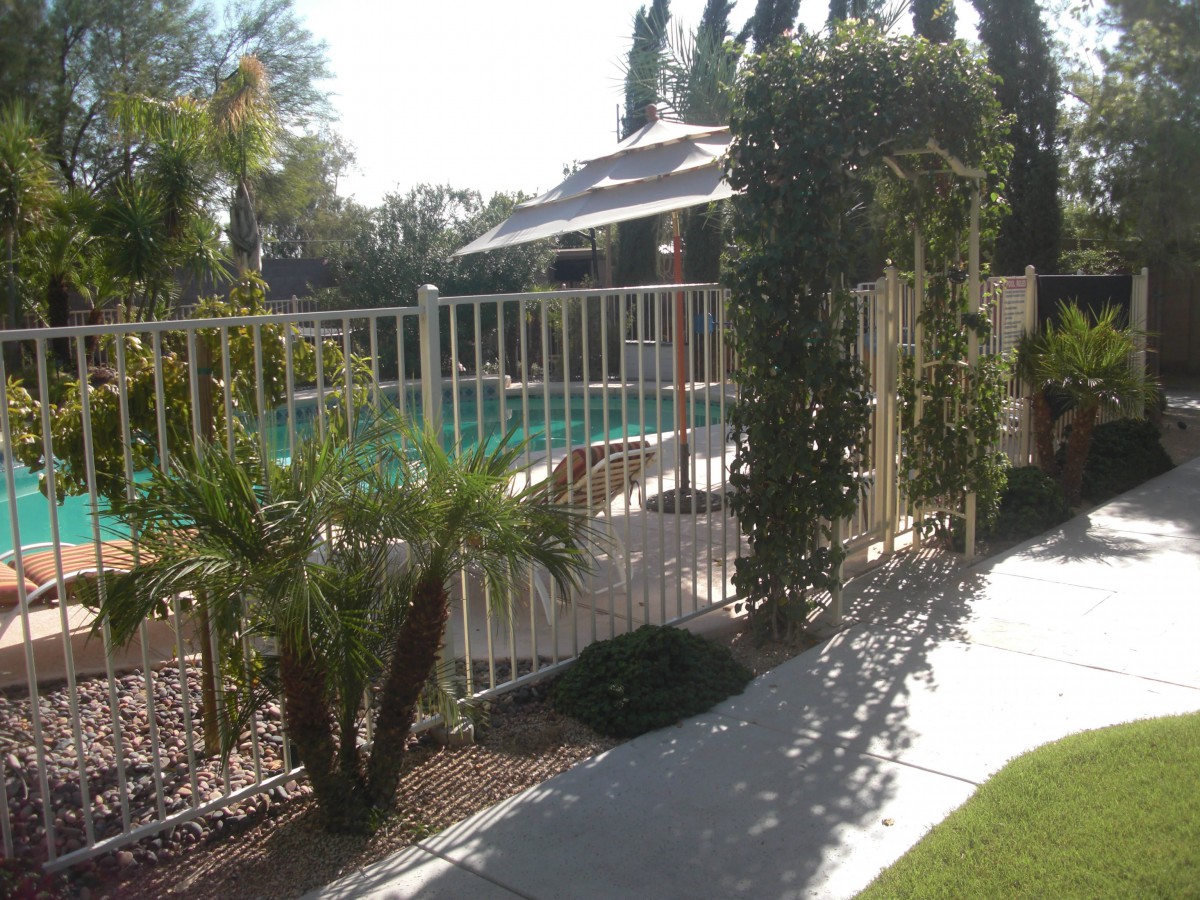
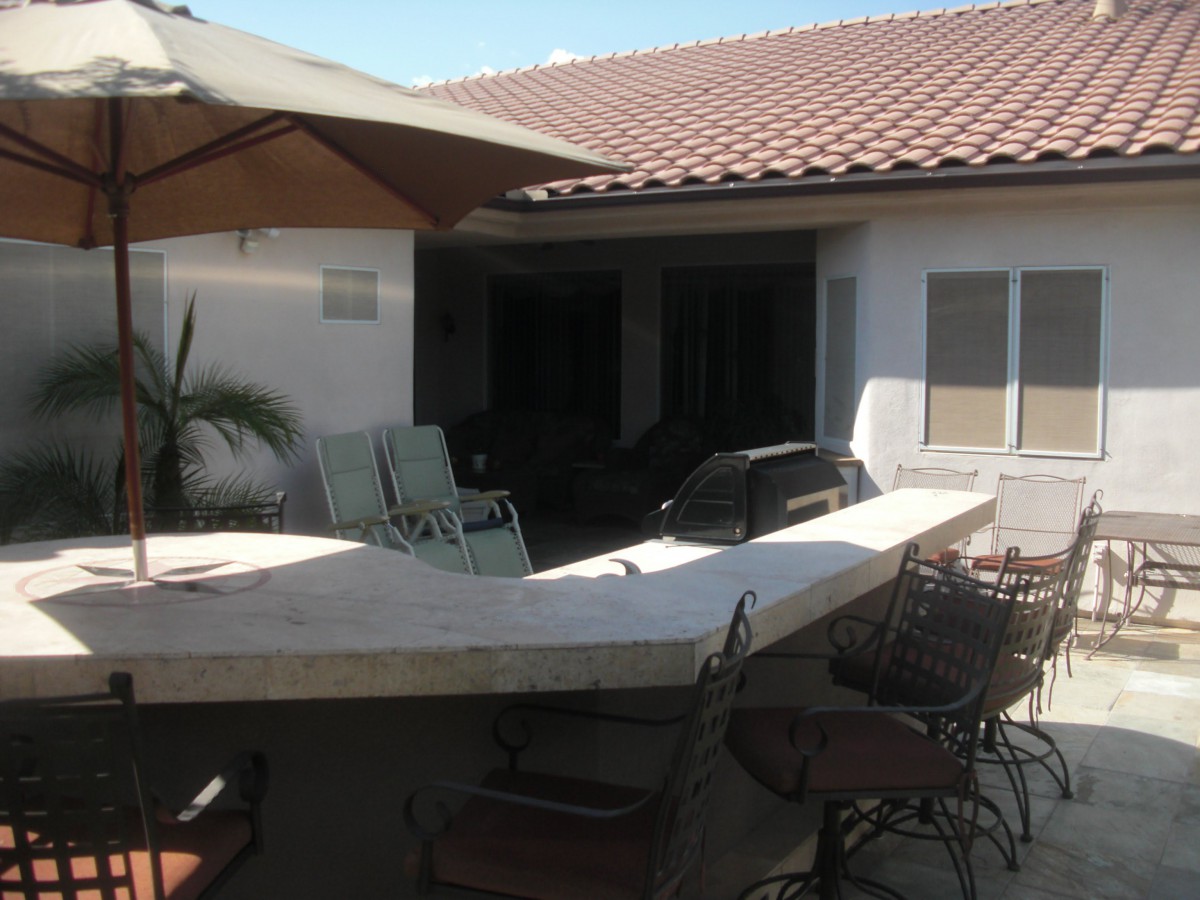
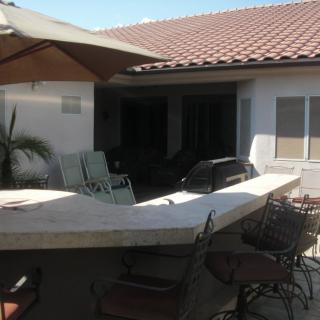
- Residents are up and active, dining at the table or sitting outside on the covered patio when it’s cool.
- The staff are nice people who run the place.
- The staff provide excellent care and monitor residents’ nutrition, hydration, hygiene, and room cleanliness.
- Conversations about care have been positive.
- The site manager personally groomed residents, gave haircuts, and provided shoes for outings.
Cons
 The caretaker was absolutely rude and unprofessional; she was abrupt and cold.
- They do not recommend this home; the care has not been for the better.
- Residents developed bed sores due to not being turned or moved.
- Residents were not given adequate fluids; thirst and dehydration were common.
- There was a persistent odor of urine in the facility.
- The home owner has been rude and cross, and patients were reportedly over-medicated.
Review
Bell Adult Care Home in Scottsdale is best suited for families seeking a small, home-like setting where private rooms and direct, hands-on oversight by an owner-operator translate into a warm, individualized daily routine. It works well for residents who prefer an intimate environment over a large campus and who value regular caregiver interactions, visible leadership, and personal touches that feel more like a family home than a facility. The practical location near the 101 and 51 supports easy visits and appointments, a real plus for commuters and out-of-town families. In practice, the residents described as active, sharing meals at the table, enjoying time on a shaded patio, signal a focus on social engagement within a compact footprint. This setting can be especially effective for someone who thrives on predictable routines and a familiar, affectionate atmosphere.
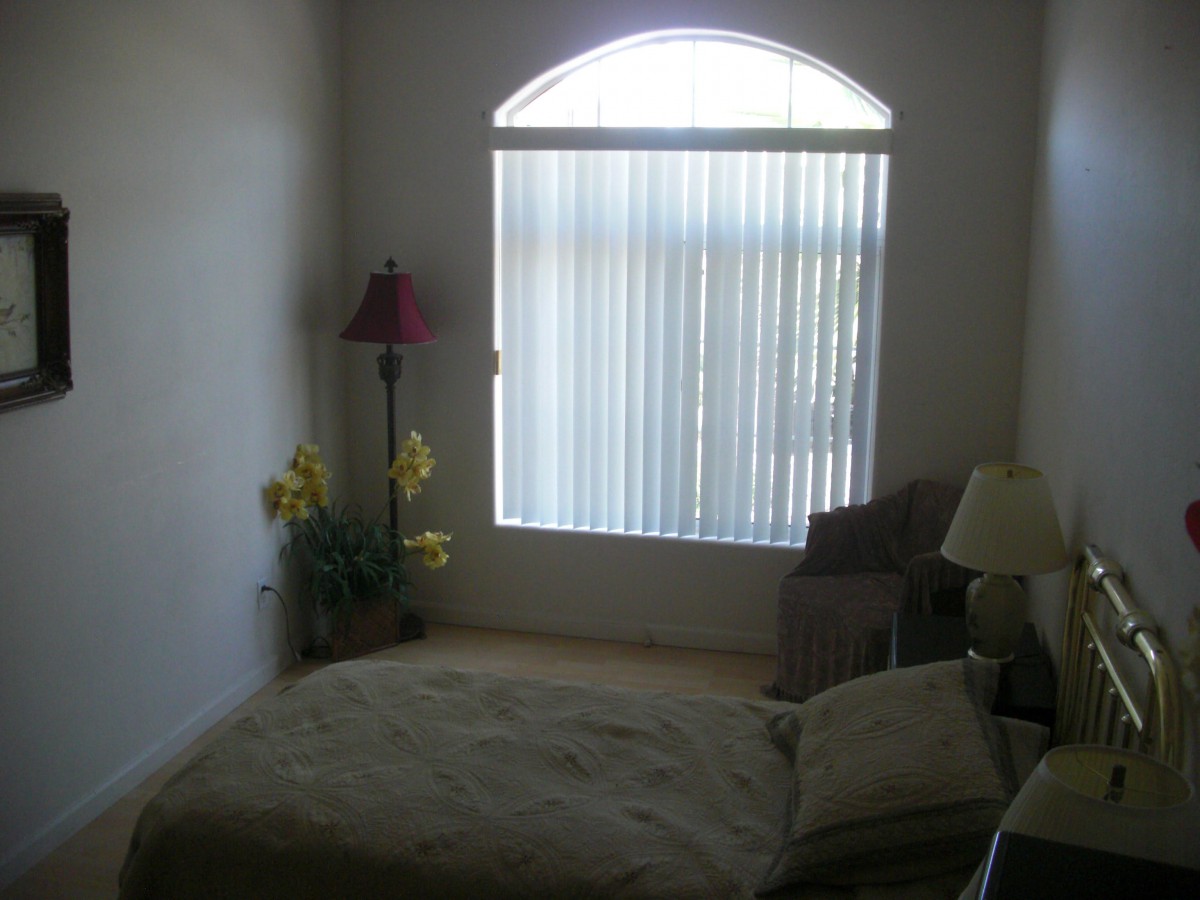
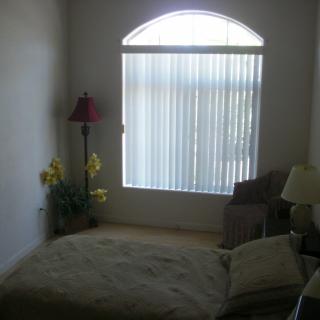
The strongest positives rest on private, comfortable accommodations and a home that appears well kept. Private rooms with private baths minimize the friction of sharing spaces and support personal dignity. Reviews repeatedly highlight attentive daily care, checking that residents eat, drink fluids, bathe, and keep their rooms clean, an important baseline for well-being in a small home. The staff’s care and the owner’s active involvement shape a consistent, personal touch that many families find reassuring. The owner’s willingness to groom a resident and even provide items for outings demonstrates a level of hands-on stewardship that translates into tangible, daily reassurance for relatives seeking closeness and responsiveness.
Yet, the experience is not uniformly reliable. Frustration centers on allegations of rude, unprofessional caretakers and a family’s decision to relocate a loved one after difficult interactions. More troubling claims point to critical lapses: bed sores allegedly due to insufficient turning, dehydration from limited fluids, and persistent urine odors that raise questions about hygiene and monitoring. Perceptions of residents not being up and about, plus suggestions of overmedication, intensify worries about safety, oversight, and medical coordination. The sense of disarray is reinforced by reports of the home environment being busier and more crowded with visitors, including the operator’s family, which some find intrusive and distracting from resident privacy. These issues collectively cast a long shadow over care quality for anyone who prioritizes consistent clinical governance.
When the favorable factors align, personal attention, a homey feel, and visible ownership, the positives can offset some of the drawbacks for residents who require light to moderate assistance and who thrive on a nurturing atmosphere. The intimate scale enables staff to tailor routines, monitor nutrition, and maintain a sense of continuity that larger settings can struggle to deliver. In such cases, a steady, engaged owner who is present daily can sustain reliable care and quickly address emerging concerns. However, the problems cited by other families, staff behavior, hygiene lapses, and questions about medication practices, undercut those advantages. For residents at risk of inconsistent staffing or whose conditions demand rigorous daily oversight, the upsides may not be sufficient to offset the downsides.
Families whose expectations center on medical safety, predictable oversight, and a controlled, quieter environment may want to consider alternatives. If a resident needs frequent turning to prevent pressure injuries, strict hydration management, or more robust clinical monitoring, larger communities with dedicated nursing teams and formal care plans are typically a better fit. The presence of many visitors and a busier home atmosphere can compromise privacy and steady routines, so a facility with tighter visitation controls and clearer care protocols could be more suitable for those who prize quiet, predictable days. For those seeking more formal governance, QA processes, and consistent nurse-led coordination, especially for sensitive medical or memory-care needs, exploring other Scottsdale options is a prudent move.
Prospective families should approach Bell Adult Care Home with clear, structured due diligence. Plan multiple visits at varied times to observe routine, meal service, and staff interactions; request a detailed care plan and hydration protocol; and interview the proposed caregiver in charge of daily oversight. Inquire about staff-to-resident ratios, turning procedures, and the escalation process for medical concerns. Speak with current residents and families about consistency, responsiveness, and privacy, and verify the owner’s availability alongside a disciplined approach to staff training and supervision. If lingering doubts about safety, odors, or medical support persist after these conversations, it is wise to compare Scottsdale alternatives that better align with the resident’s medical needs and the family’s expectations for reliable, high-quality care.
 10 resident community capacity
 Assisted Living
 Board and Care Home
 Respite Care
 Cats allowed
 Activities off-site
 Air-conditioning
 Beautician on-site
 Cable or satellite TV
 Devotional services on-site
 Dining room
 Fully furnished
 Garden
 Ground floor units
 Handicap accessible
 Housekeeping services
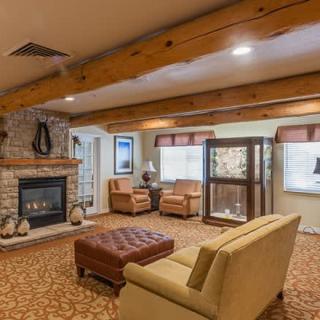
 Indoor common areas
 Move-in coordination
 Outdoor common areas
 Private
 Private bathrooms
 Swimming pool / hot tub
 Telephone
 Wheelchair accessible showers
 Wi-Fi/high-speed internet available
 Phoenix Sky Harbor International (15 miles away)
 24-hour supervision
 Assistance with bathing
 Assistance with dressing
 Assistance with transfers
 Diabetes diet
 Diabetic care
 High acuity care
 Incontinence care
 Meal preparation and service
 Medication management
 Special dietary restrictions
 Transportation arrangement (medical)
 Transportation to doctors appointments
 Catholic services
 Jewish services
 Live dance or theater performances
 Live musical performances
 Stretching classes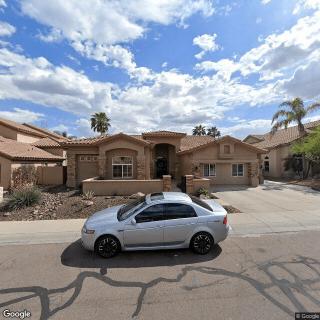


 Social Security Benefits and Assisted Living: Navigating Options Across the U.S.
 An Extensive Exploration of the VA Aid and Attendance Benefit
 Senior Transition Services: Understanding Their Role, Cost, and Importance