A & I Adult Care Home

Save
A & I Adult Care Home

A & I Adult Care Home

5241 East Anderson Drive, Scottsdale, AZ 85254

For more information about senior living options: (844) 490-3973

3.6 from 5 reviews
5 stars
2
4 stars
1
3 stars
0
2 stars
2
1 stars
0

Assisted Living Board and Care Home Respite Care

What level of care are you interested in?

Assisted Living

Memory Care

Independent Living

Skilled Nursing Facility

Continuing Care Retirement Community (CCRC)CCRC

Other


Request a tour at A & I Adult Care Home

    Overall Review of A & I Adult Care Home

    Pros

    • pro The resident is very pleased with the quality of care received.
    • pro The resident expresses satisfaction with the care provided during their time at the home.

    Cons

    • pro The review implies the home is only suitable for bedridden or very independent residents, not for others.
    • pro It states that Alzheimer's patients who are confused, need bathroom scheduling/assistance, or refuse medications should not be placed there.
    • pro It claims staff cannot spend the necessary time with residents.
    • pro It alleges staff from other countries have no designated living quarters and are treated in a servitude role.
    • pro It reports that some staff reportedly slept on the bus or in the mall on days off.
    • pro It alleges staff did not give the husband needed medications when the patient refused them.
    • pro It asserts the facility kept the deposit and care fees despite a stay of only three months.
    • pro It contends hospital admission could have been avoided with better medication management, support, a routine bathroom schedule, and engaging activities.

    Review

    A resident who has lived in this home for two years shares a candid and multifaceted perspective on the quality of care, mixing praise with frank concerns about who is most suited for the setting, how staffing is managed, and how financial and medical decisions are handled. The overall tone suggests that the care itself feels solid in many respects, but the fit of residents, the staffing dynamics, and some administrative practices leave the reviewer with questions and serious cautions. The voice here reflects a caregiver-trained professional's lens as well as a long-term resident's experience, which makes the observations particularly pointed and detailed.

    On the question of resident fit, the reviewer states that the home "does best with paralyzed non demand bedridden clients or independent less needy independent client." In other words, the author believes the facility functions most effectively when residents are either largely self-sufficient or require only routine, predictable care. By contrast, there is a strong warning against placing Alzheimer's patients who are confused, need a bathroom routine schedule or assistance, or who refuse medications. The reviewer describes these cases as ones for which the home cannot consistently provide the level of time, attention, and structured support that such individuals require. The consequence, in the reviewer's view, is that placing those more complex cases might stretch staff too thin, compromising the level of individualized care that others receive.

    The reviewer goes further to critique broader staffing dynamics. There is a claim that staff from other countries are caring for residents but are working in what is described as a servitude role, with an implication that staffing structures do not provide designated spaces or resources that would support both staff and residents effectively. The absence of designated bedrooms for staff from abroad is cited as part of a broader concern about how staffing is organized and supported. Taken together, these observations suggest that, while the care delivered to some residents is solid, the operational framework - how staff are assigned, supported, and accommodated - may be misaligned with the demands and realities of caring for a more diverse and higher-need resident population.

    The review contains specific anecdotes about staff behavior and day-to-day functioning that illustrate deeper unease. The author recalls a time when staff, "confided on day off sleep on the bus and at the mall," which is described in a way that implies fatigue or distractions impacting daytime responsibilities. In the same vein, the reviewer notes an incident in which "did not give husband needed meds if refused," a claim that underscores fears about medication management and the consistency of critical medical support for residents who may be refusing treatments for personal or medical reasons. These passages are not only about individual lapses but are used to question the reliability of routine care in situations where routine and timely medication can be crucial.

    Financial handling is another area of tension in the account. The reviewer asserts that the home "kept deposit and care fees despite being there only three months." Accusations of retaining deposits and ongoing care charges despite a short tenancy cast doubt on the fairness and transparency of the financial arrangements, and they stand in contrast to the positive notes about the quality of clinical care. This tension between perceived financial loss and experienced care quality can color a resident's overall impression, inviting scrutiny of billing practices, contract terms, and the process by which fees are assessed and retained when a resident leaves.

    In terms of health outcomes and preventable distress, the reviewer links a hospitalization to what they see as potential opportunities for preventive care and consistent routines. The hospitalization is described as "most likely [something] that could have been avoided with medication, support, routine BR schedule, some activities of interest, etc." This framing points to a belief that with better medication management, steadier daily routines, and more engaging activities, a serious medical event might have been prevented or its impact mitigated. The emphasis on a routine BR schedule - whatever BR stands for in this context (the reviewer's shorthand for a consistent daily routine in bathroom, bedtime, or bowel regimen, as appropriate to the setting) - underscores the importance the author places on predictable, structured care as a foundation for health stability.

    Taken as a whole, the account reflects a complex picture: the quality of care when it comes to medical oversight and day-to-day nursing might be strong, but there are serious concerns about resident selection, staffing structures, and the ethics and transparency of financial arrangements. The narrative's emotional weight arises from a lived experience that blends appreciation for competent care with concern about whether the facility is truly equipped to handle the full spectrum of resident needs - especially for those with cognitive impairment, complex medication regimens, or higher care demands that require sustained time, attention, and specialized resources.

    The author signs with credentials that signal expertise in mental health and clinical care - Kate Monroe, RN, MSN, PMH-NP - adding a professional voice to a deeply personal account. The combination of clinical background and two years of residency at the home gives the review a distinctive authority: it speaks to both the lived experience of a resident and the informed perspective of a nurse with a psychiatric and primary care emphasis. The overall takeaway is not a simple verdict of "good" or "bad," but rather a nuanced narrative about where the care home excels and where it presents substantive concerns that warrant closer examination by prospective residents, families, and administrators alike.

    Features

    Housing

    • 10 resident community capacity 10 resident community capacity

    Types of Care

    • Assisted Living Assisted LivingAssisted living facilities provide crucial support and care for seniors who may need help with daily tasks such as medication management, bathing, and meal preparation. These communities offer a safe and comfortable environment where seniors can maintain their independence while receiving the assistance they need to thrive in their golden years.
    • Board and Care Home Board and Care HomeBoard and care homes provide a smaller, more intimate setting for seniors who require assistance with daily tasks but do not need the level of care offered by a nursing home. They offer personalized care, meals, and social activities in a homelike environment, ensuring that seniors receive individualized attention and support in their golden years.
    • Respite Care Respite CareRespite care provides temporary relief for caregivers, allowing them to recharge and attend to their own needs. It also gives seniors the opportunity to socialize, receive professional care, and experience a change of scenery, promoting overall well-being and reducing feelings of isolation.

    Amenities

    • Cable or satellite TV Cable or satellite TVCable or satellite TV is important for seniors because it provides entertainment, news, and companionship, helping to combat loneliness and boredom. It also offers a wide range of programming options tailored to different interests and preferences.
    • Dining room Dining roomDining rooms are important for seniors as they provide a space for socialization, connection, and nutritious meals. They offer opportunities for residents to bond over shared meals, foster a sense of community, and promote healthy eating habits. Dining rooms also ensure that seniors have access to well-balanced meals tailored to their dietary needs and preferences.
    • Fully furnished Fully furnishedFully furnished senior living communities are important for seniors because they provide convenience, comfort, and a hassle-free moving experience. Seniors can easily settle into their new living space without the stress of having to buy and move furniture. This allows them to focus on enjoying their new home and community.
    • Garden GardenGardens are important for seniors as they provide a peaceful and therapeutic environment for relaxation, physical activity, and socialization. Being in nature has been shown to reduce stress, improve mood, and promote overall well-being. Gardens also offer opportunities for seniors to engage in gardening activities, which can improve mobility, flexibility, and cognitive function. Additionally, gardens create a sense of community and connection with others who share a passion for plants and outdoor spaces.
    • Housekeeping services Housekeeping servicesHousekeeping services are important for seniors because they help maintain a clean and safe living environment, promote independence, and reduce the risk of accidents or illnesses. Additionally, having assistance with household chores can alleviate physical strain and allow seniors to focus on other aspects of their well-being.
    • Move-in coordination Move-in coordinationMove-in coordination is important for seniors because it helps ease the transition into their new living environment. It ensures that all logistics, such as packing, organizing movers, and setting up utilities are taken care of, allowing seniors to focus on settling in and adjusting to their new home. Having a smooth move-in process can alleviate stress and anxiety, making the transition smoother and more enjoyable for seniors.
    • Outdoor space Outdoor spaceOutdoor spaces are important for seniors as they provide opportunities for physical activity, social interaction, exposure to natural light and fresh air, and a sense of connection to nature. Having access to outdoor spaces can improve overall well-being and quality of life for older adults living in senior communities.
    • Private PrivatePrivacy is important for seniors as it allows them to maintain their independence, dignity, and sense of control over their own lives. It also gives them the space and freedom to relax, reflect, and engage in activities that bring them joy and fulfillment. Creating private spaces within senior living facilities is crucial for promoting overall well-being and quality of life.
    • Telephone TelephoneTelephones are important for seniors as they provide a lifeline for communication with loved ones, emergency services, and healthcare providers. They offer a sense of security and independence, enabling seniors to stay connected and access assistance when needed.
    • Wi-Fi/high-speed internet available Wi-Fi/high-speed internet availableWi-Fi/high-speed internet is important for seniors to stay connected with loved ones, access online resources, and participate in virtual activities to combat feelings of loneliness and isolation. It also allows them to easily manage healthcare needs, access entertainment, and engage in lifelong learning opportunities.

    Transportation

    • Phoenix Sky Harbor International (15 miles away) Phoenix Sky Harbor International (15 miles away)

    Care Services

    • 24-hour supervision 24-hour supervision24-hour supervision is important for seniors to ensure their safety, well-being, and access to immediate assistance in case of emergencies or health issues. This constant support provides peace of mind for both seniors and their loved ones, allowing them to age in place with dignity and security.
    • Activities of daily living assistance Activities of daily living assistanceActivities of daily living assistance are important for seniors because they provide essential support with tasks such as eating, bathing, dressing, and mobility. This assistance helps seniors maintain their independence, dignity, and overall quality of life as they age.
    • Assistance with bathing Assistance with bathingAssistance with bathing is crucial for seniors as it helps maintain personal hygiene, prevents infections, and ensures their overall well-being and comfort. It also provides a sense of dignity and independence for seniors who may struggle with this task on their own.
    • Assistance with dressing Assistance with dressingAssistance with dressing is important for seniors because it helps maintain their independence, promotes personal hygiene, prevents accidents and injuries, and improves overall quality of life. This service ensures that seniors can continue to dress comfortably and confidently, despite any physical limitations they may have.
    • Assistance with transfers Assistance with transfersAssistance with transfers is crucial for seniors as it helps prevent falls and injuries, maintains their independence, and ensures they can safely navigate their living environment. It also provides peace of mind for both seniors and their loved ones.
    • Coordination with health care providers Coordination with health care providersCoordination with health care providers is crucial for seniors to ensure proper medical care, medication management, and overall well-being. This collaboration helps prevent overlapping treatments, track progress more effectively, and provide comprehensive support tailored to individual needs.
    • Diabetes diet Diabetes dietA diabetes diet is crucial for seniors as it helps manage blood sugar levels, reduce risks of complications, and improve overall health and well-being. By following a balanced and nutritious diet tailored to their specific needs, seniors can better control their diabetes and enhance their quality of life.
    • Meal preparation and service Meal preparation and serviceMeal preparation and service are crucial for seniors as they may have limited mobility or energy to cook nutritious meals. Having access to healthy and convenient food options can ensure they are getting the proper nutrition needed to maintain their overall health and well-being.
    • Medication management Medication managementMedication management is crucial for seniors to ensure they are taking the right medications at the correct dosages and times. This helps prevent adverse drug interactions, reduces the risk of medication errors, and promotes overall health and well-being. Proactive management also allows for adjustments as needed based on changing health conditions or new prescriptions.
    • Special dietary restrictions Special dietary restrictionsSpecial dietary restrictions are important for seniors because age-related changes in metabolism and health conditions can make it difficult for their bodies to process certain foods. By following a diet tailored to their specific needs, seniors can maintain their overall health and well-being, manage chronic conditions, and reduce the risk of complications such as malnutrition or food interactions with medications.
    • Transportation arrangement (medical) Transportation arrangement (medical)Transportation arrangements for medical purposes are essential for seniors as they may have difficulty driving themselves to appointments or accessing public transportation. Having reliable and safe transportation options ensures that seniors can receive timely medical care and maintain their health and well-being.
    • Transportation to doctors appointments Transportation to doctors appointmentsTransportation to doctors' appointments is crucial for seniors as it ensures they have access to necessary medical care and support for their health needs. Without reliable transportation, seniors may struggle to attend important appointments, leading to potential delays in treatment and health complications. Providing transportation services helps seniors maintain their overall well-being and quality of life.

    Dining

    • Diabetes diet Diabetes dietA diabetes diet is crucial for seniors as it helps manage blood sugar levels, reduce risks of complications, and improve overall health and well-being. By following a balanced and nutritious diet tailored to their specific needs, seniors can better control their diabetes and enhance their quality of life.
    • Special dietary restrictions Special dietary restrictionsSpecial dietary restrictions are important for seniors because age-related changes in metabolism and health conditions can make it difficult for their bodies to process certain foods. By following a diet tailored to their specific needs, seniors can maintain their overall health and well-being, manage chronic conditions, and reduce the risk of complications such as malnutrition or food interactions with medications.

    Activities

    • Community-sponsored activities Community-sponsored activitiesCommunity-sponsored activities are important for seniors as they provide opportunities for social interaction, mental stimulation, and physical activity. These activities can help improve overall well-being, combat loneliness and isolation, and promote a sense of belonging and purpose among older adults.
    • Scheduled daily activities Scheduled daily activitiesScheduled daily activities are important for seniors because they provide structure, socialization, mental stimulation, and physical activity. Engaging in regular activities can improve overall well-being and quality of life for seniors living in a community setting.

    Description

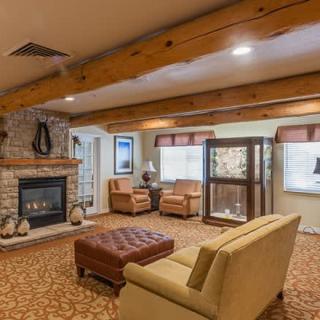
    A & I Adult Care Home in Scottsdale, AZ is a warm and inviting assisted living community offering a variety of care services and amenities to meet the unique needs of our residents. Our board and care home provides a comfortable and secure environment for individuals who may require assistance with daily activities.

    Our fully furnished facility boasts a cozy dining room where delicious meals are prepared and served to accommodate special dietary restrictions. Our housekeeping services ensure that residents can enjoy a clean and tidy living space at all times. The beautiful garden and outdoor spaces give residents the opportunity to relax, socialize, or simply enjoy some fresh air.

    At A & I Adult Care Home, our dedicated staff provides personalized assistance with bathing, dressing, transfers, medication management, and other activities of daily living. We work closely with health care providers to coordinate any necessary medical appointments or treatments. For those with diabetes or special dietary needs, our staff ensures that appropriate meal preparation and diabetes diets are followed.

    We understand the importance of maintaining an active lifestyle, which is why we offer scheduled daily activities to engage residents physically, mentally, and socially. Residents can also take advantage of convenient transportation arrangements provided for medical appointments or outings.

    Located in Scottsdale, our community is surrounded by various amenities such as cafes, parks, pharmacies, physicians' offices, restaurants, places of worship, theaters, and hospitals. Residents have easy access to these nearby establishments should they wish to explore the local area or require any additional services.

    At A & I Adult Care Home in Scottsdale, AZ, we are committed to providing exceptional care in a supportive environment that truly feels like home.

    Nearby Places of Interest

    This area of Scottsdale, Arizona offers a convenient and diverse range of amenities for senior living. With several restaurants nearby such as Taco Bell, McDonald's, and Carlos O'Brien's Mexican Restaurant, there are plenty of dining options to choose from. Places of worship like New Vision Center for Spiritual Living and St Bernadette Catholic Church provide opportunities for spiritual fulfillment. Additionally, there are numerous parks in the vicinity including Desert Horizon Park and Kierland Park for enjoying outdoor activities. Access to healthcare is also readily available with HonorHealth Medical Group and Phoenix Campus Mayo Specialty Building close by. For entertainment, there are theaters like Harkins Theatres Scottsdale and AMC DINE-IN Desert Ridge 18 within a short distance. Transportation options are easily accessible with Scottsdale Municipal Airport and Enterprise Rent-A-Car located nearby. Overall, this part of Scottsdale offers a well-rounded community with amenities suited for senior residents looking to enjoy their retirement years in comfort and convenience.

    Restaurants

    • Taco Bell (0.5 miles)
    • McDonald's (0.6 miles)
    • Carlos O'Brien's Mexican Restaurant (2.1 miles)
    • Thirsty Lion Gastropub & Grill (2.2 miles)
    • Breakfast Kitchen Bar (2.2 miles)
    • Islands Restaurant Phoenix (2.3 miles)
    • Cold Beers & Cheeseburgers (2.3 miles)

    Places of Worship

    • New Vision Center for Spiritual Living (0.8 miles)
    • St Bernadette Catholic Church (1.1 miles)
    • Impact Church (3 miles)

    Parks

    • Desert Horizon Park (0.9 miles)
    • Kierland Park (2.2 miles)
    • Sun Devil Ridge Park (2.9 miles)
    • Aviano Park (3.6 miles)
    • Thompson Peak Park (3.8 miles)
    • Sonoran Hills Park (4.8 miles)

    Physicians

    • HonorHealth Medical Group - Primary and Immediate Care - Saguaro (1 miles)
    • Phoenix Campus Mayo Specialty Building (1.2 miles)
    • 2nd Chance Treatment Center (1.8 miles)
    • Desert Center For Allergy (2.2 miles)
    • Care MD (2.3 miles)
    • Contemporary Obstetrics & Gynecology of Scottsdale (3.2 miles)
    • The Joint Replacement Center of Scottsdale (3.2 miles)

    Hospitals

    • Mayo Clinic (1.2 miles)

    Pharmacies

    • Walgreens (1.3 miles)
    • Walgreens (1.9 miles)
    • CVS Pharmacy (2.3 miles)
    • Walgreens (2.4 miles)
    • CVS Pharmacy (2.5 miles)
    • CVS Pharmacy (2.8 miles)
    • CVS Pharmacy (3.1 miles)

    Theaters

    • Harkins Theatres Scottsdale (2.2 miles)
    • AMC DINE-IN Desert Ridge 18 (2.3 miles)

    Cafes

    • Starbucks (2.5 miles)
    • Starbucks (2.7 miles)
    • Dutch Bros Coffee (3 miles)
    • Dutch Bros Coffee (3.3 miles)
    • Dutch Bros Coffee (4.2 miles)
    • Butters Pancakes & Cafe (4.3 miles)
    • Starbucks (4.6 miles)

    Transportation

    • Scottsdale Municipal Airport (SDL) (3.3 miles)
    • Enterprise Rent-A-Car (3.5 miles)

    Frequently Asked Questions

    Where is A & I Adult Care Home?

    Nearby Communities

    Related Resources

    • assisted living for disabled adultsComprehensive Residential Support and Assisted Living Solutions for Individuals with Disabilities

      The article examines the complexities of assisted living for individuals with disabilities, emphasizing the need for tailored care solutions that enhance quality of life and social inclusion, while addressing financial challenges and advocating for community integration. It discusses various housing options, the importance of financial assistance through public benefits, and highlights trends towards integrated and technology-driven solutions in disability-focused housing.

    • assisted living for disabled adultsComprehensive Supportive Living Arrangements for Adults with Disabilities

      Assisted living for adults with disabilities has transformed to provide personalized care and support services aimed at improving residents' quality of life while balancing independence and assistance. However, low-income individuals often face challenges in affording these services, requiring navigation of various financial resources and advocacy for better policies and solutions.

    • how to pay for assisted livingFunding and Affording Assisted Living: A Thorough Overview

      Assisted living facilities provide support for older adults needing help with daily activities without extensive medical care, but their costs can be high and vary by location and services offered. Families often seek various funding options and financial strategies to manage these expenses effectively while considering future needs and potential price increases.


    Get Pricing Ask A Question Schedule A Tour Contact Senior Advisor