Adagio House II

5328 East Anderson Drive, Scottsdale, AZ 85254

For more information about senior living options: (844) 490-3973

3.6 from 5 reviews
5 stars
2
4 stars
1
3 stars
0
2 stars
2
1 stars
0

Assisted Living Board and Care Home Respite Care

What level of care are you interested in?

Assisted Living

Memory Care

Independent Living

Skilled Nursing Facility

Continuing Care Retirement Community (CCRC)CCRC

Other


Request a tour at Adagio House II

    Overall Review of Adagio House II

    Pros

    • pro The resident is very pleased with the quality of care received.
    • pro The resident has lived there for two years.
    • pro The facility does best with paralyzed, non-demand bedridden clients or independent, less needy clients.

    Cons

    • pro The facility is described as only suitable for bedridden, non-demanding residents and not for Alzheimer's patients who are confused or need routine scheduling or medication assistance.
    • pro It is claimed that staff do not spend enough time with residents.
    • pro The review alleges there are no designated bedrooms for staff from other countries, implying a servitude role rather than proper staffing.
    • pro The reviewer asserts that staff confide on days off, sleep in public places (bus and mall), and do not administer needed medications when refused by a family member.
    • pro Deposits and care fees were kept despite the resident's stay lasting only three months.
    • pro The hospital admission is described as likely avoidable with better medication management, support, a regular routine, and more activities of interest.

    Review

    A resident who has lived in this home for two years describes a largely positive experience with the overall quality of care, noting that the care they have received has been commendable in many respects. The opening sentiment emphasizes satisfaction with the level of attention, responsiveness, and professional standards observed over the course of the stay. This sense of approval provides a foundation for a nuanced perspective that balances praise with specific, pointed concerns about what the reviewer perceives as gaps or mismatches in care needs and facility policies.

    Alongside the general appreciation, the account flags a strong sense that the home functions best when it serves particular types of residents. The reviewer suggests that the facility excels with paralyzed, non-demand, bedridden clients or with independent, less-needy residents who do not require intensive oversight. By contrast, the account raises reservations about admitting Alzheimer's patients or others who are confused, require a strict bathroom schedule, or need ongoing assistance with medications. The implication is that the home may lack the capacity to deliver the level of individualized attention that these more complex needs demand, and that such admissions could stretch staff time and resources in ways that affect overall care quality.

    A salient thread throughout the account concerns staffing dynamics and the daily realities of resident care. The reviewer contends that there are serious concerns about whether staff can consistently provide the time and attention required for residents with cognitive impairment or behavioral needs. The language used suggests a perception that staff may be spread thin or unable to dedicate the necessary time to each resident, particularly those who require routine assistance or structured medication management. The account conveys a sense that the care environment may not always align with the expectations of families for thorough, proactive engagement with residents who have more complex medical or cognitive needs.

    The narrative also touches on troubling incidents related to caregiving practices and staff conduct. In particular, the reviewer references an episode described as involving a day-off behavior by a caregiver, characterized by sleeping in public spaces such as a bus or a mall. Alongside this, there is a claim about the withholding of medications from a resident's husband when he refused them. These details are presented as part of a broader pattern of concern about reliability, accountability, and the consistency of medication administration, all of which the reviewer believes could compromise safety and well-being. Even though the account does not provide exhaustive corroboration, it anchors a sense of unease about how medication and daily routines are managed and monitored.

    Another set of concerns centers on staff accommodations and the broader implications of housing practices for caregivers. The reviewer notes a lack of designated sleeping or resting spaces for staff members who come from other countries, describing a situation in which caring staff function in a servitude role rather than a clearly defined, supported professional environment. The impression conveyed is that staffing logistics - such as where staff rest, how shifts are organized, and how staff welfare is safeguarded - may not be optimal, potentially affecting morale, retention, and the consistency of care delivered to residents.

    Financial matters are described as a significant point of contention in the reviewer's experience. The account asserts that deposits and ongoing care fees were retained even though the resident had been in the facility for only a short period - three months in this case. This element of the narrative underscores a tension between the perceived value of the services received and the financial commitments demanded by the home. The combination of a relatively brief stay, an ensuing hospitalization, and questions about whether medication management, routine scheduling (including bathroom routines), and engagement in meaningful activities could have helped prevent hospital admission all contribute to a sense of dissatisfaction with the financial and administrative practices of the facility.

    In addition to these concerns, the reviewer notes that there were opportunities for improvement in terms of activities and daily structure. The account suggests that a more predictable routine, with a clearly defined bathroom schedule, improved medication adherence and overall wellness, and that engagement in activities aligned with the resident's interests could have contributed to better health outcomes and possibly prevented the hospitalization that occurred during the stay. This emphasis on routine, meaningful engagement, and person-centered programming reflects a belief that non-pharmacological supports are central to quality aging care and that such supports should be integral to the care plan for any resident.

    The person behind these observations identifies themselves with professional credentials - Kate Monroe, RN, MSN, PMH-NP - adding a dimension of professional accountability to the account. The inclusion of these credentials signals an insistence on professional standards in the discussion of care quality, medication management, and the ethical considerations surrounding staff practices and resident welfare. The author's perspective blends lived experience with an expectation that clinical expertise and nursing leadership should inform both daily care and the governance of facility policies.

    Taken together, the account presents a portrait of a care home that is capable of delivering solid quality care in many contexts but that also reveals notable areas of concern. There is praise for the overall care quality in many respects, paired with strong warnings about the suitability of the facility for residents with dementia or multiple complex needs, questions about how medications are managed, and criticisms of staffing practices and financial policies. The narrative underscores the importance of clear admission guidelines for cognitively impaired residents, robust medication administration procedures, transparent financial practices, and attentive, well-supported staffing that can dedicate the necessary time to each resident's individualized needs.

    For families and residents evaluating this home, the account highlights critical considerations beyond surface-level impressions of competence and kindness. Key issues to scrutinize include dementia care capacity, the availability of dedicated caregiving resources for cognitively complex residents, the transparency and fairness of deposit and ongoing fees, the facility's policies around medication administration, and the welfare and working conditions of staff who are responsible for delivering daily care. Addressing these areas could significantly impact both the quality of life for residents and the overall sustainability of high-quality care within the home.

    Features

    Housing

    • 10 resident community capacity 10 resident community capacity

    Types of Care

    • Assisted Living Assisted LivingAssisted living facilities provide crucial support and care for seniors who may need help with daily tasks such as medication management, bathing, and meal preparation. These communities offer a safe and comfortable environment where seniors can maintain their independence while receiving the assistance they need to thrive in their golden years.
    • Board and Care Home Board and Care HomeBoard and care homes provide a smaller, more intimate setting for seniors who require assistance with daily tasks but do not need the level of care offered by a nursing home. They offer personalized care, meals, and social activities in a homelike environment, ensuring that seniors receive individualized attention and support in their golden years.
    • Respite Care Respite CareRespite care provides temporary relief for caregivers, allowing them to recharge and attend to their own needs. It also gives seniors the opportunity to socialize, receive professional care, and experience a change of scenery, promoting overall well-being and reducing feelings of isolation.

    Amenities

    • Cable or satellite TV Cable or satellite TVCable or satellite TV is important for seniors because it provides entertainment, news, and companionship, helping to combat loneliness and boredom. It also offers a wide range of programming options tailored to different interests and preferences.
    • Dining room Dining roomDining rooms are important for seniors as they provide a space for socialization, connection, and nutritious meals. They offer opportunities for residents to bond over shared meals, foster a sense of community, and promote healthy eating habits. Dining rooms also ensure that seniors have access to well-balanced meals tailored to their dietary needs and preferences.
    • Fully furnished Fully furnishedFully furnished senior living communities are important for seniors because they provide convenience, comfort, and a hassle-free moving experience. Seniors can easily settle into their new living space without the stress of having to buy and move furniture. This allows them to focus on enjoying their new home and community.
    • Garden GardenGardens are important for seniors as they provide a peaceful and therapeutic environment for relaxation, physical activity, and socialization. Being in nature has been shown to reduce stress, improve mood, and promote overall well-being. Gardens also offer opportunities for seniors to engage in gardening activities, which can improve mobility, flexibility, and cognitive function. Additionally, gardens create a sense of community and connection with others who share a passion for plants and outdoor spaces.
    • Housekeeping services Housekeeping servicesHousekeeping services are important for seniors because they help maintain a clean and safe living environment, promote independence, and reduce the risk of accidents or illnesses. Additionally, having assistance with household chores can alleviate physical strain and allow seniors to focus on other aspects of their well-being.
    • Move-in coordination Move-in coordinationMove-in coordination is important for seniors because it helps ease the transition into their new living environment. It ensures that all logistics, such as packing, organizing movers, and setting up utilities are taken care of, allowing seniors to focus on settling in and adjusting to their new home. Having a smooth move-in process can alleviate stress and anxiety, making the transition smoother and more enjoyable for seniors.
    • Outdoor space Outdoor spaceOutdoor spaces are important for seniors as they provide opportunities for physical activity, social interaction, exposure to natural light and fresh air, and a sense of connection to nature. Having access to outdoor spaces can improve overall well-being and quality of life for older adults living in senior communities.
    • Telephone TelephoneTelephones are important for seniors as they provide a lifeline for communication with loved ones, emergency services, and healthcare providers. They offer a sense of security and independence, enabling seniors to stay connected and access assistance when needed.
    • Wi-Fi/high-speed internet available Wi-Fi/high-speed internet availableWi-Fi/high-speed internet is important for seniors to stay connected with loved ones, access online resources, and participate in virtual activities to combat feelings of loneliness and isolation. It also allows them to easily manage healthcare needs, access entertainment, and engage in lifelong learning opportunities.

    Transportation

    • Phoenix Sky Harbor International (15 miles away) Phoenix Sky Harbor International (15 miles away)

    Care Services

    • 24-hour supervision 24-hour supervision24-hour supervision is important for seniors to ensure their safety, well-being, and access to immediate assistance in case of emergencies or health issues. This constant support provides peace of mind for both seniors and their loved ones, allowing them to age in place with dignity and security.
    • Activities of daily living assistance Activities of daily living assistanceActivities of daily living assistance are important for seniors because they provide essential support with tasks such as eating, bathing, dressing, and mobility. This assistance helps seniors maintain their independence, dignity, and overall quality of life as they age.
    • Assistance with bathing Assistance with bathingAssistance with bathing is crucial for seniors as it helps maintain personal hygiene, prevents infections, and ensures their overall well-being and comfort. It also provides a sense of dignity and independence for seniors who may struggle with this task on their own.
    • Assistance with dressing Assistance with dressingAssistance with dressing is important for seniors because it helps maintain their independence, promotes personal hygiene, prevents accidents and injuries, and improves overall quality of life. This service ensures that seniors can continue to dress comfortably and confidently, despite any physical limitations they may have.
    • Assistance with transfers Assistance with transfersAssistance with transfers is crucial for seniors as it helps prevent falls and injuries, maintains their independence, and ensures they can safely navigate their living environment. It also provides peace of mind for both seniors and their loved ones.
    • Coordination with health care providers Coordination with health care providersCoordination with health care providers is crucial for seniors to ensure proper medical care, medication management, and overall well-being. This collaboration helps prevent overlapping treatments, track progress more effectively, and provide comprehensive support tailored to individual needs.
    • Diabetes diet Diabetes dietA diabetes diet is crucial for seniors as it helps manage blood sugar levels, reduce risks of complications, and improve overall health and well-being. By following a balanced and nutritious diet tailored to their specific needs, seniors can better control their diabetes and enhance their quality of life.
    • Meal preparation and service Meal preparation and serviceMeal preparation and service are crucial for seniors as they may have limited mobility or energy to cook nutritious meals. Having access to healthy and convenient food options can ensure they are getting the proper nutrition needed to maintain their overall health and well-being.
    • Medication management Medication managementMedication management is crucial for seniors to ensure they are taking the right medications at the correct dosages and times. This helps prevent adverse drug interactions, reduces the risk of medication errors, and promotes overall health and well-being. Proactive management also allows for adjustments as needed based on changing health conditions or new prescriptions.
    • Special dietary restrictions Special dietary restrictionsSpecial dietary restrictions are important for seniors because age-related changes in metabolism and health conditions can make it difficult for their bodies to process certain foods. By following a diet tailored to their specific needs, seniors can maintain their overall health and well-being, manage chronic conditions, and reduce the risk of complications such as malnutrition or food interactions with medications.
    • Transportation arrangement (medical) Transportation arrangement (medical)Transportation arrangements for medical purposes are essential for seniors as they may have difficulty driving themselves to appointments or accessing public transportation. Having reliable and safe transportation options ensures that seniors can receive timely medical care and maintain their health and well-being.
    • Transportation to doctors appointments Transportation to doctors appointmentsTransportation to doctors' appointments is crucial for seniors as it ensures they have access to necessary medical care and support for their health needs. Without reliable transportation, seniors may struggle to attend important appointments, leading to potential delays in treatment and health complications. Providing transportation services helps seniors maintain their overall well-being and quality of life.

    Dining

    • Diabetes diet Diabetes dietA diabetes diet is crucial for seniors as it helps manage blood sugar levels, reduce risks of complications, and improve overall health and well-being. By following a balanced and nutritious diet tailored to their specific needs, seniors can better control their diabetes and enhance their quality of life.
    • Special dietary restrictions Special dietary restrictionsSpecial dietary restrictions are important for seniors because age-related changes in metabolism and health conditions can make it difficult for their bodies to process certain foods. By following a diet tailored to their specific needs, seniors can maintain their overall health and well-being, manage chronic conditions, and reduce the risk of complications such as malnutrition or food interactions with medications.

    Activities

    • Community-sponsored activities Community-sponsored activitiesCommunity-sponsored activities are important for seniors as they provide opportunities for social interaction, mental stimulation, and physical activity. These activities can help improve overall well-being, combat loneliness and isolation, and promote a sense of belonging and purpose among older adults.
    • Scheduled daily activities Scheduled daily activitiesScheduled daily activities are important for seniors because they provide structure, socialization, mental stimulation, and physical activity. Engaging in regular activities can improve overall well-being and quality of life for seniors living in a community setting.

    Description

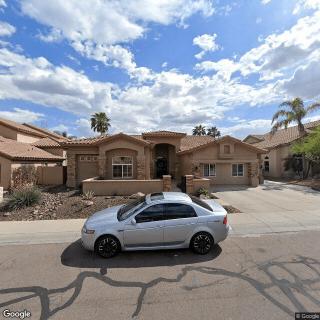
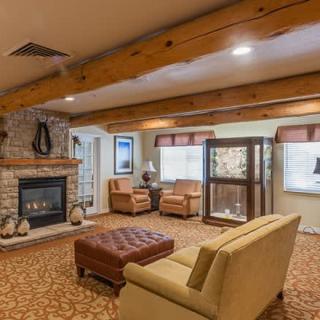
    Adagio House II in Scottsdale, AZ is a warm and inviting assisted living community that provides personalized care in a home-like setting. Residents will find comfort and peace of mind knowing that their needs are taken care of by our dedicated staff.

    Our facility offers various types of care, including board and care home services as well as respite care for those who may need temporary assistance. Each resident is provided with a fully furnished room to make them feel right at home. Our spacious dining room allows residents to enjoy delicious meals together, while accommodating any special dietary restrictions they may have.

    At Adagio House II, we understand the importance of maintaining an active and engaging lifestyle. That's why we offer scheduled daily activities to keep residents entertained and stimulated. From group exercises to arts and crafts, there is something for everyone to enjoy.

    We prioritize the health and well-being of our residents by providing assistance with activities of daily living such as bathing, dressing, and transfers. Our staff also coordinates with healthcare providers to ensure that each resident's medical needs are met. Medication management is available to ensure medications are taken accurately and on time.

    Our community is conveniently located near various amenities including cafes, parks, pharmacies, physicians' offices, restaurants, transportation options, places of worship, theaters, and hospitals. Transportation arrangements can be made for medical appointments for added convenience.

    Adagio House II strives to create a comfortable and nurturing environment where residents can thrive both physically and emotionally. With our exceptional care services, amenities such as Wi-Fi/high-speed internet access throughout the facility, beautiful outdoor spaces, housekeeping services, move-in coordination support, residents can truly embrace a worry-free lifestyle in Scottsdale.

    Nearby Places of Interest

    Restaurants

    • Taco Bell (0.6 miles)
    • McDonald's (0.7 miles)
    • Carlos O'Brien's Mexican Restaurant (2 miles)
    • Thirsty Lion Gastropub & Grill (2.2 miles)
    • Breakfast Kitchen Bar (2.2 miles)
    • Cold Beers & Cheeseburgers (2.2 miles)
    • Islands Restaurant Phoenix (2.2 miles)

    Places of Worship

    • New Vision Center for Spiritual Living (0.8 miles)
    • St Bernadette Catholic Church (1 miles)
    • Impact Church (3 miles)

    Parks

    • Desert Horizon Park (0.9 miles)
    • Kierland Park (2.1 miles)
    • Sun Devil Ridge Park (2.9 miles)
    • Aviano Park (3.6 miles)
    • Thompson Peak Park (3.7 miles)
    • Sonoran Hills Park (4.7 miles)

    Physicians

    • HonorHealth Medical Group - Primary and Immediate Care - Saguaro (1 miles)
    • Phoenix Campus Mayo Specialty Building (1.2 miles)
    • 2nd Chance Treatment Center (1.9 miles)
    • Desert Center For Allergy (2.1 miles)
    • Care MD (2.3 miles)
    • Contemporary Obstetrics & Gynecology of Scottsdale (3.1 miles)
    • The Joint Replacement Center of Scottsdale (3.1 miles)

    Hospitals

    • Mayo Clinic (1.1 miles)

    Pharmacies

    • Walgreens (1.4 miles)
    • Walgreens (1.8 miles)
    • CVS Pharmacy (2.2 miles)
    • Walgreens (2.4 miles)
    • CVS Pharmacy (2.5 miles)
    • CVS Pharmacy (2.8 miles)
    • CVS Pharmacy (3.2 miles)

    Theaters

    • Harkins Theatres Scottsdale (2.1 miles)
    • AMC DINE-IN Desert Ridge 18 (2.2 miles)

    Cafes

    • Starbucks (2.5 miles)
    • Starbucks (2.7 miles)
    • Dutch Bros Coffee (3.1 miles)
    • Dutch Bros Coffee (3.2 miles)
    • Dutch Bros Coffee (4.1 miles)
    • Butters Pancakes & Cafe (4.3 miles)
    • Starbucks (4.5 miles)

    Transportation

    • Scottsdale Municipal Airport (SDL) (3.2 miles)
    • Enterprise Rent-A-Car (3.4 miles)

    Frequently Asked Questions

    Where is Adagio House II?

    Nearby Communities

    Related Resources

    • assisted living for disabled adultsComprehensive Residential Support and Assisted Living Solutions for Individuals with Disabilities

      The article examines the complexities of assisted living for individuals with disabilities, emphasizing the need for tailored care solutions that enhance quality of life and social inclusion, while addressing financial challenges and advocating for community integration. It discusses various housing options, the importance of financial assistance through public benefits, and highlights trends towards integrated and technology-driven solutions in disability-focused housing.

    • assisted living for disabled adultsComprehensive Supportive Living Arrangements for Adults with Disabilities

      Assisted living for adults with disabilities has transformed to provide personalized care and support services aimed at improving residents' quality of life while balancing independence and assistance. However, low-income individuals often face challenges in affording these services, requiring navigation of various financial resources and advocacy for better policies and solutions.

    • how to pay for assisted livingFunding and Affording Assisted Living: A Thorough Overview

      Assisted living facilities provide support for older adults needing help with daily activities without extensive medical care, but their costs can be high and vary by location and services offered. Families often seek various funding options and financial strategies to manage these expenses effectively while considering future needs and potential price increases.


    Get Pricing Ask A Question Schedule A Tour Contact Senior Advisor