
12201 North 61St Street, Scottsdale, AZ 85254
For more information about senior living options: (866) 208-4318
Avant One Assisted Living Costs & Pricing
At Avant One Assisted Living, the monthly cost for a private room is set at $3,500, which positions it slightly above both the Maricopa County average of $3,318 and the state average of $3,345 in Arizona. This pricing reflects the facility's commitment to providing a high level of care and services tailored to the needs of its residents. While it may be higher than local and state benchmarks, many families find that the comprehensive amenities and personalized support offered at Avant One justify the additional expense. Overall, this investment aims to ensure a comfortable and enriching living environment for seniors.
| Floor plans | Avant One Assisted Living | Maricopa County | Arizona |
|---|---|---|---|
| Private | $3,500 | $3,318 | $3,345 |
Overall Review of Avant One Assisted Living
Pros
 The care at Agave Manor was beyond exceptional.
- The owners and staff at Agave Manor are loving, patient, caring, and supportive.
- The mother was treated like a queen until the very last hour.
- Placing their mother in Agave Manor’s care was the best decision the family made.
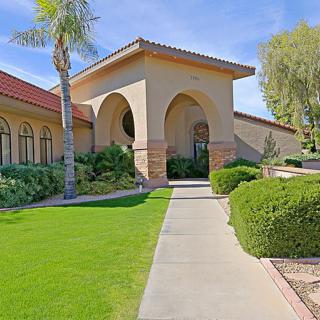
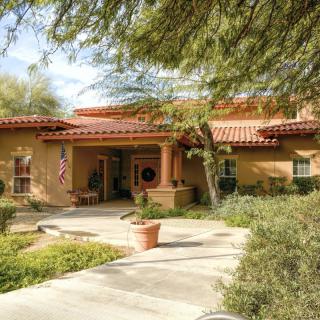
- Avant One's grounds are amazing, with a classy, well-designed backyard and ample visitor parking.
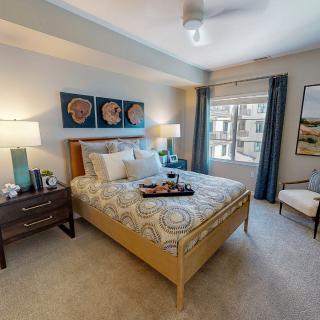
- The residents' rooms at Avant One are like suites, with wheelchair-accessible walk-in showers.
- Avant One offers ten private rooms that are worth every dollar.
- The staff at Avant One are caring, and outside agencies have praised the home for great care.
- The smaller facility provides private rooms with private half bathrooms and is fully equipped for all three levels of care.
- All meals are home-cooked with fresh fruits and vegetables.
Cons
 They gave her medication she shouldn't have had, and she came home with bruises from a fall that wasn't disclosed to the family.
- The staff was not impressive in their caring attitude.
- There was a lack of activities for residents.
Review
Avant One Assisted Living in Scottsdale is best suited for families seeking a small, home-like setting where privacy, warmth, and personal attention are the central priorities. It works particularly well for seniors who value a clearly managed, intimate environment, private rooms, comfortable common areas, and direct access to the owners who designed and run the home. The model appeals to families who want straightforward, all-in-one care within a compact community, where residents can enjoy stable routines, home-cooked meals, and conveniences like an enclosed yard and on-site beauty services. It is not the pick for those chasing a large, buzzing campus with constant programming and a broad professional care roster.
Careful consideration should be given to who may want to explore alternatives. Those requiring intensive, round-the-clock nursing oversight or a memory-care-focused program may find the small-scale, owner-operated structure insufficient. Families prioritizing a robust, highly proactive activity calendar or a facility with a bigger staff-to-resident ratio may prefer a larger community. Also, anyone concerned about meticulous communication around incidents and daily care, especially medication handling and post-fall updates, will want to compare options with stronger documented incident reporting and more transparent caregiver responsiveness.
The strongest arguments in favor of Avant One rest on its tangible, people-centered advantages. The grounds are appealing, the home is described as clean, warm, and spacious, with a design that fosters socializing, walking, and easy movement for residents. Private rooms feel like suites, equipped with accessible showers and ample space to maneuver. The owners themselves are a constant presence, and their hands-on approach tends to translate into a sense of safety and continuity in daily routines. The facility accepts all three levels of care, supports visitors with transportation for walking residents, and offers on-site services such as home-cooked meals, a beautician, and regular activity programming, albeit on a limited schedule. When care aligns with a family’s expectations for a quiet, intimate setting, these positives can create a genuinely comforting living experience.
However, the drawbacks are meaningful and may eclipse the upside for many families. A troubling incident in one review highlights a risk in medication oversight: a resident received an improper medication and returned home with bruising from a fall, with no timely disclosure. That type of lapse raises serious questions about safety protocols, communication, and accountability, and it cannot be dismissed as a minor flaw. Additional concerns center on perceived gaps in staff compassion and engagement, the sense that caregivers’ attitudes were not consistently attentive, coupled with a notable lack of structured activities beyond occasional events. In a small home, every staffing decision carries outsized impact, and these critiques suggest room for improvement in responsiveness and program richness.
Size and staffing realities reinforce the need for careful weighing. With around ten private rooms and a hand-picked, small caregiving team (two certified caregivers, plus a live-in and rotating support, plus a visiting physician), Avant One cultivates close-knit care but can struggle to deliver constant, proactive coverage. Families should probe the schedule, confirm how medication management is handled day-to-day, and seek clarity on how egress and falls are documented and communicated. The reliance on family members to coordinate outings and activities, while understandable in a home setting, can also limit consistent engagement for residents who rely on staff to sustain daily stimulation and social connection.
For families deciding between options, Avant One should be on the short list for those who prize a homelike vibe, private accommodations, and a direct, hands-on owner presence, provided safety and engagement protocols are airtight. Those who demand robust programming, aggressive medical oversight, or a community-scale environment may want to evaluate larger facilities first. Pros offset cons when the resident fits the tiny, intimate mold and when staff communication improves, yet the current mix of safety concerns, variable caregiver engagement, and limited activity slate should prompt rigorous due diligence. A visit with targeted questions about medication controls, incident reporting, and program calendars will reveal whether this appears as a stable, well-run home or a place to continue the search.
 10 resident community capacity
 Assisted Living
 Board and Care Home
 Respite Care
 Activities off-site
 Beautician on-site
 Cable or satellite TV
 Dining room
 Fully furnished
 Garden
 Housekeeping services
 Indoor common areas
 Move-in coordination
 Outdoor common areas
 Private
 Private bathrooms
 Telephone
 Wheelchair accessible showers
 Wi-Fi/high-speed internet available
 Phoenix Sky Harbor International (12 miles away)
 24-hour supervision
 Assistance with bathing
 Assistance with dressing
 Assistance with transfers
 Diabetes diet
 High acuity care
 Incontinence care
 Meal preparation and service
 Medication management
 Special dietary restrictions
 Transportation arrangement (medical)
 Transportation to doctors appointments





 Understanding the True Cost of Assisted Living in 2025: A Comprehensive Guide
 Understanding Medicaid Coverage for Assisted Living: A Comprehensive Guide
 How and When Medicaid May Cover Assisted Living Costs