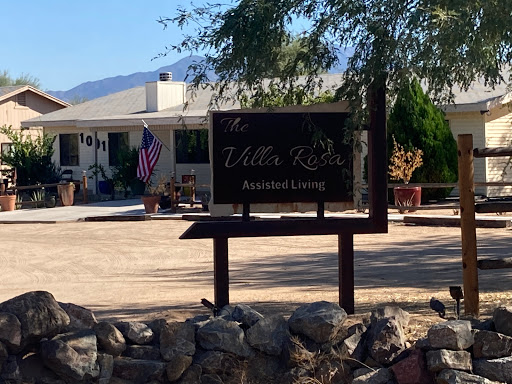
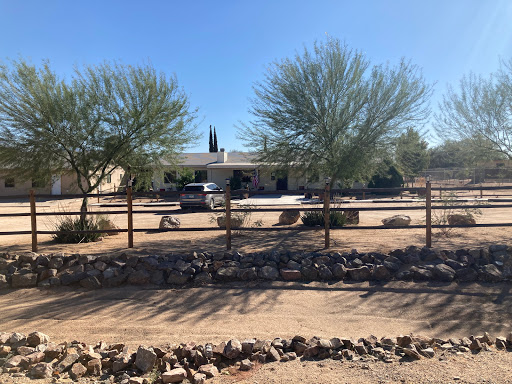
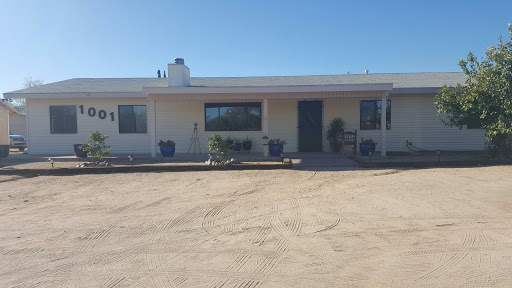
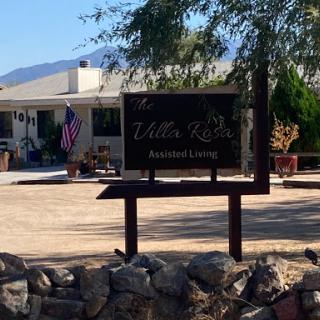
The Villa Rosa in Sahuarita, AZ

Save

  • Interior

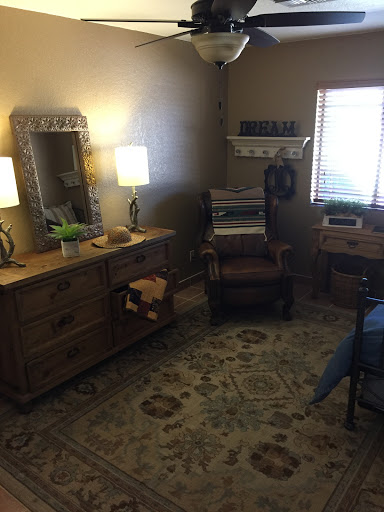
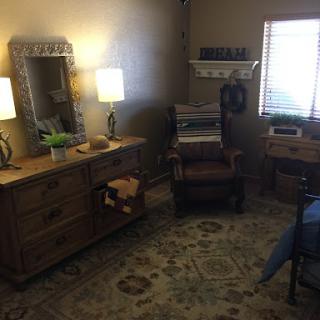
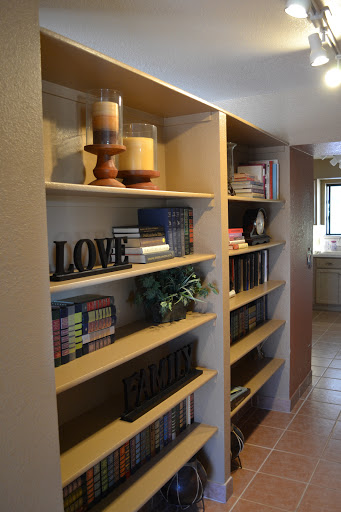
    A cozy and stylish room featuring wooden furniture, soft lighting, and a decorative rug.
  • Outdoors

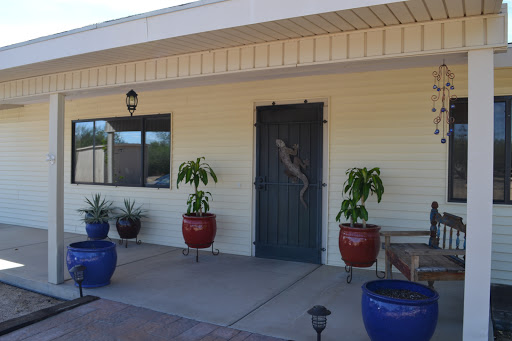
    A front view of a single-story house with a clear blue sky.
  • Decor

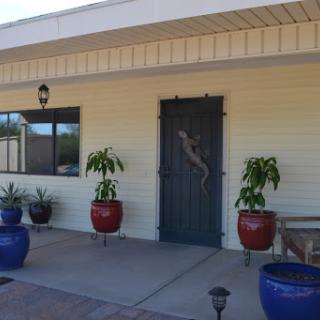
    A charming southwestern-style home entrance with vibrant potted plants.
  • Living Room

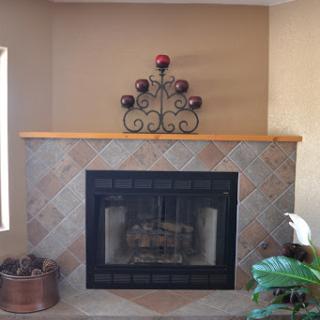
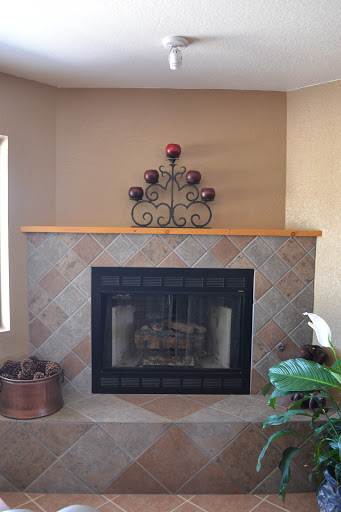
    A cozy fireplace adorned with decorative elements, perfect for a warm home ambiance.
  • Building

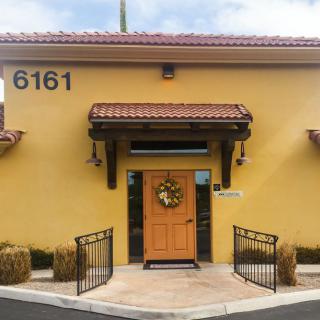
    Entrance to a facility named 'Little Tree' with a sign and surrounding landscape.
  • Bedroom

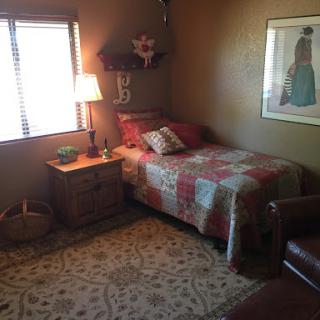
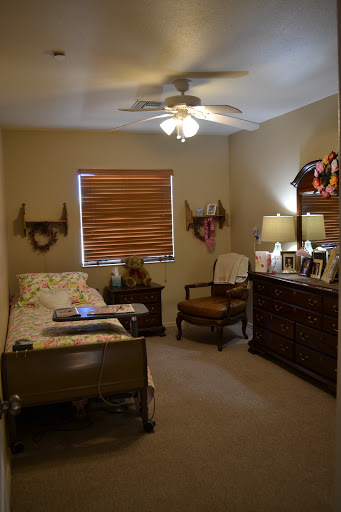
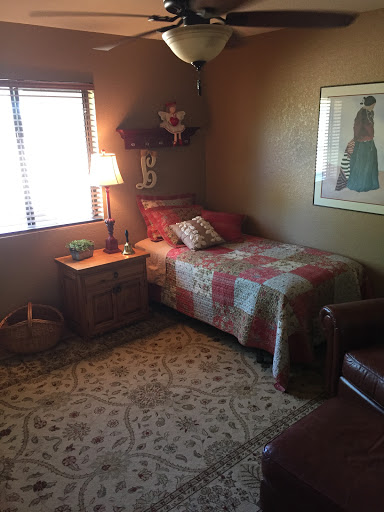
    A cozy bedroom featuring a single bed dressed in a colorful quilt, accompanied by a nightstand and lamp, with natural light flowing through a window.
  • Trees

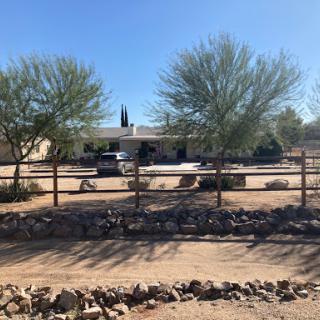
    A serene view of a desert house surrounded by trees and a rustic fence.
  • Windows

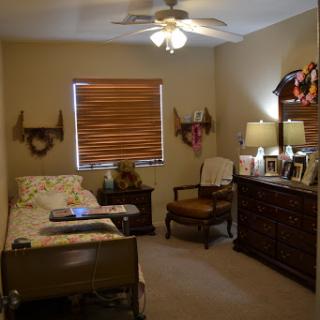
    A cozy and well-decorated bedroom featuring a comfortable bed, a stylish chair, and warm lighting.
  • Bathroom

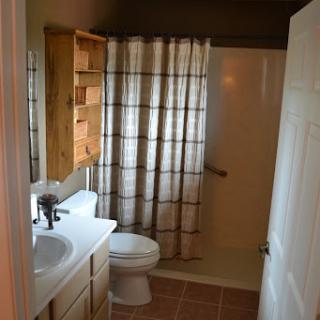
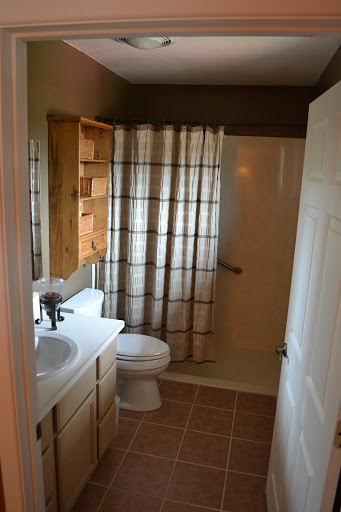
    A tidy bathroom featuring a shower area, toilet, and sink with wooden storage.

The Villa Rosa in Sahuarita, AZ

Information last verified:

1001 West Calle San Jose, Sahuarita, AZ 85629

For more information about senior living options: (844) 490-3973

4.6 from 32 reviews
5 stars
23
4 stars
7
3 stars
0
2 stars
2
1 stars
0

The Villa Rosa Costs & Pricing

The Villa Rosa offers competitive pricing for its residents compared to broader regional averages in Pima County and the state of Arizona. With a monthly cost of $2,200 for semi-private accommodations, The Villa Rosa is notably more affordable than the county average of $2,805 and the state average of $2,820. Similarly, the private rooms at The Villa Rosa are priced at $2,500, which stands in stark contrast to the higher costs of $3,332 in Pima County and $3,345 in Arizona overall. This positioning not only highlights The Villa Rosa's commitment to providing quality care at accessible prices but also makes it an attractive option for those seeking value without compromising on service.

Floor plansThe Villa RosaPima CountyArizona
Semi-Private$2,200$2,805$2,820
Private$2,500$3,332$3,345

Overall Review of The Villa Rosa

Pros

  • pro Villa Rosa delivers care with love and compassion.
  • pro The support, understanding, and care provided are amazing.
  • pro The staff are consistently friendly, competent, and eager to help.
  • pro The facility is clean, welcoming, and feels like a home.
  • pro Bryce and Jovanna provide compassionate leadership and exceptional end-of-life care.
  • pro They work seamlessly with home care and hospice nurses.
  • pro They listen to concerns and help in every possible way.
  • pro They go above and beyond to arrange hospice care when needed.
  • pro Meals are prepared fresh daily, often from an on-site garden.
  • pro The home is cozy, well-kept, with a family-like atmosphere, where residents are treated as family.

Cons

  • pro The care wasn't there when the father entered hospice.
  • pro The father was refused ice in his water in hospice, which was described as inconvenient.
  • pro The end-of-life care did not meet expectations.
  • pro There was only one assistant on some visits, with no certified nurse on site or on call more often.

Review

The Villa Rosa in Sahuarita, AZ is best suited for families prioritizing a warm, intimate, home‑like setting where care feels personal and deeply involved. This community shines for residents who value steady, compassionate attention from owners and a staff that operates as a close-knit, family‑run team. It is especially well-matched to seniors who do not require a large clinical footprint or a high‑acuity medical model, but instead benefit from daily interactions with caregivers who know them by name, a kitchen that feeds with fresh, garden‑grown ingredients, and a serene, homelike atmosphere. For families seeking a place that feels more like a private residence than a campus, The Villa Rosa delivers the comfort, dignity, and continuity that often accompanies long‑term caregiving.

Those who may want to consider alternatives are seniors who require robust, round‑the‑clock clinical oversight or highly specialized memory‑care programming. The Villa Rosa’s strength is its intimate, home environment, not a large staff with on‑site, hospital‑grade resources. A few reviews note that on some days there is not a certified nurse always on site, which can be a concern for residents with complex medical needs or volatile conditions. Families needing a facility with extensive, formal medical protocols, or a wide array of structured activities and amenities typical of larger campuses, may find other options better aligned to those expectations. It’s also worth noting that for some seeking a highly regimented, corporate environment with standardized policies, the personal, family‑run model here might feel less predictable.

The strongest pros of The Villa Rosa lie in its people, its pace, and its provenance. Staff are consistently described as friendly, capable, and deeply caring, with owners Bryce and Jovanna personally cited for their compassionate leadership and hands‑on involvement. The setting itself reinforces the positive dynamic: a small, clean, well‑maintained home where residents eat together, gardens provide fresh produce for meals, and a “home” atmosphere permeates daily life. Families repeatedly highlight excellent communication, thorough coordination with home care and hospice when needed, and a sense that residents are treated as beloved members of a family circle rather than just residents of a facility. This combination, personal leadership, intimate scale, and a culture of warmth, often translates into meaningful, peaceful transitions for residents toward the end of life, when comfort, dignity, and trust are paramount.

Where the reviews surface cautions, they do so with practical clarity. A recurrent theme is the potential gap in on‑site clinical staffing, particularly for residents with higher medical acuity or those who require continuous nurse oversight. This is not presented as a universal failure so much as a real‑world constraint of a small home with limited staffing; families should verify current on‑site nursing coverage and the availability of on‑call professionals for their loved one’s needs. Another pointed concern is a specific hospice policy regarding comfort measures, illustrated by a rare critique about ice in drinking water, reminding families that end‑of‑life preferences and policies can hinge on the interplay between hospice guidelines and the home’s practices. While these considerations are not dominant, they represent the practical questions a family should bring to a tour to ensure alignment with expectations.

Yet the pros often render these cons less weighty in day‑to‑day decision making. The Villa Rosa’s strengths, exceptional caregiver relationships, transparent communication, and the ability to coordinate closely with hospice and home‑care teams, meaningfully offset the potential gaps in clinical staffing. The small size contributes to agility: problems are noticed quickly, and solutions can be implemented with a personal touch that large facilities struggle to replicate. The in‑house garden and from-scratch meals add to residents’ enjoyment and sense of independence, while the “extended family circle” feeling reduces loneliness and friction that can accompany relocation. In short, when a family’s priority is genuine connection, consistent kindness, and a dignified environment in which the resident remains central, the positives robustly counterbalance the occasionally limited medical footprint.

For families weighing the decision, the practical pathway is clear. The Villa Rosa is a compelling choice for those who want a residence that feels like a caring home, where staff stay engaged, communication is proactive, and care is delivered with heartfelt attention to the person behind the record. It is essential to ask current questions about staffing schedules, RN presence on site, and how care plans are coordinated with hospice or home‑care agencies. Clarify the facility’s policies on hydration, comfort measures, and how decisions are documented and communicated during medical transitions. Bring up daily routines, menu options, and opportunities for residents to participate in activities and social life, ensuring that expectations match what the home can realistically sustain.

In sum, The Villa Rosa represents a rare blend of warmth, hands‑on leadership, and home‑like living that resonates profoundly with families seeking dignity and personal connection at every stage of aging. It stands out most for residents who thrive when care feels personal, when meals are cooked with care from the garden, and when the rhythm of daily life grows from a shared sense of family rather than programmatic routine. Alternatives become compelling only for those who must have robust, around‑the‑clock clinical intensity, a larger campus environment, or memory‑care specialization beyond what a small private home typically provides. For those whose values align with intimate, compassionate caregiving and a well‑maintained, welcoming setting, The Villa Rosa offers a practical, emotionally resonant choice that many families will find decisive and reassuring.

Features

Housing

  • 10 resident community capacity 10 resident community capacity

Types of Care

  • Assisted Living Assisted LivingAssisted living facilities provide crucial support and care for seniors who may need help with daily tasks such as medication management, bathing, and meal preparation. These communities offer a safe and comfortable environment where seniors can maintain their independence while receiving the assistance they need to thrive in their golden years.
  • Board and Care Home Board and Care HomeBoard and care homes provide a smaller, more intimate setting for seniors who require assistance with daily tasks but do not need the level of care offered by a nursing home. They offer personalized care, meals, and social activities in a homelike environment, ensuring that seniors receive individualized attention and support in their golden years.

Amenities

  • Cable or satellite TV Cable or satellite TVCable or satellite TV is important for seniors because it provides entertainment, news, and companionship, helping to combat loneliness and boredom. It also offers a wide range of programming options tailored to different interests and preferences.
  • Dining room Dining roomDining rooms are important for seniors as they provide a space for socialization, connection, and nutritious meals. They offer opportunities for residents to bond over shared meals, foster a sense of community, and promote healthy eating habits. Dining rooms also ensure that seniors have access to well-balanced meals tailored to their dietary needs and preferences.
  • Fully furnished Fully furnishedFully furnished senior living communities are important for seniors because they provide convenience, comfort, and a hassle-free moving experience. Seniors can easily settle into their new living space without the stress of having to buy and move furniture. This allows them to focus on enjoying their new home and community.
  • Garden GardenGardens are important for seniors as they provide a peaceful and therapeutic environment for relaxation, physical activity, and socialization. Being in nature has been shown to reduce stress, improve mood, and promote overall well-being. Gardens also offer opportunities for seniors to engage in gardening activities, which can improve mobility, flexibility, and cognitive function. Additionally, gardens create a sense of community and connection with others who share a passion for plants and outdoor spaces.
  • Housekeeping services Housekeeping servicesHousekeeping services are important for seniors because they help maintain a clean and safe living environment, promote independence, and reduce the risk of accidents or illnesses. Additionally, having assistance with household chores can alleviate physical strain and allow seniors to focus on other aspects of their well-being.
  • Move-in coordination Move-in coordinationMove-in coordination is important for seniors because it helps ease the transition into their new living environment. It ensures that all logistics, such as packing, organizing movers, and setting up utilities are taken care of, allowing seniors to focus on settling in and adjusting to their new home. Having a smooth move-in process can alleviate stress and anxiety, making the transition smoother and more enjoyable for seniors.
  • Outdoor space Outdoor spaceOutdoor spaces are important for seniors as they provide opportunities for physical activity, social interaction, exposure to natural light and fresh air, and a sense of connection to nature. Having access to outdoor spaces can improve overall well-being and quality of life for older adults living in senior communities.
  • Private PrivatePrivacy is important for seniors as it allows them to maintain their independence, dignity, and sense of control over their own lives. It also gives them the space and freedom to relax, reflect, and engage in activities that bring them joy and fulfillment. Creating private spaces within senior living facilities is crucial for promoting overall well-being and quality of life.
  • Telephone TelephoneTelephones are important for seniors as they provide a lifeline for communication with loved ones, emergency services, and healthcare providers. They offer a sense of security and independence, enabling seniors to stay connected and access assistance when needed.
  • Wi-Fi/high-speed internet available Wi-Fi/high-speed internet availableWi-Fi/high-speed internet is important for seniors to stay connected with loved ones, access online resources, and participate in virtual activities to combat feelings of loneliness and isolation. It also allows them to easily manage healthcare needs, access entertainment, and engage in lifelong learning opportunities.

Transportation

  • Tucson International (14 miles away) Tucson International (14 miles away)

Care Services

  • 24-hour supervision 24-hour supervision24-hour supervision is important for seniors to ensure their safety, well-being, and access to immediate assistance in case of emergencies or health issues. This constant support provides peace of mind for both seniors and their loved ones, allowing them to age in place with dignity and security.
  • Activities of daily living assistance Activities of daily living assistanceActivities of daily living assistance are important for seniors because they provide essential support with tasks such as eating, bathing, dressing, and mobility. This assistance helps seniors maintain their independence, dignity, and overall quality of life as they age.
  • Assistance with bathing Assistance with bathingAssistance with bathing is crucial for seniors as it helps maintain personal hygiene, prevents infections, and ensures their overall well-being and comfort. It also provides a sense of dignity and independence for seniors who may struggle with this task on their own.
  • Assistance with dressing Assistance with dressingAssistance with dressing is important for seniors because it helps maintain their independence, promotes personal hygiene, prevents accidents and injuries, and improves overall quality of life. This service ensures that seniors can continue to dress comfortably and confidently, despite any physical limitations they may have.
  • Assistance with transfers Assistance with transfersAssistance with transfers is crucial for seniors as it helps prevent falls and injuries, maintains their independence, and ensures they can safely navigate their living environment. It also provides peace of mind for both seniors and their loved ones.
  • Coordination with health care providers Coordination with health care providersCoordination with health care providers is crucial for seniors to ensure proper medical care, medication management, and overall well-being. This collaboration helps prevent overlapping treatments, track progress more effectively, and provide comprehensive support tailored to individual needs.
  • Diabetes diet Diabetes dietA diabetes diet is crucial for seniors as it helps manage blood sugar levels, reduce risks of complications, and improve overall health and well-being. By following a balanced and nutritious diet tailored to their specific needs, seniors can better control their diabetes and enhance their quality of life.
  • High acuity care High acuity careHigh acuity care is important for seniors because it provides specialized medical attention and support for individuals with complex medical needs. This level of care ensures that seniors receive the appropriate treatment and assistance to maintain their health and quality of life as they age.
  • Meal preparation and service Meal preparation and serviceMeal preparation and service are crucial for seniors as they may have limited mobility or energy to cook nutritious meals. Having access to healthy and convenient food options can ensure they are getting the proper nutrition needed to maintain their overall health and well-being.
  • Medication management Medication managementMedication management is crucial for seniors to ensure they are taking the right medications at the correct dosages and times. This helps prevent adverse drug interactions, reduces the risk of medication errors, and promotes overall health and well-being. Proactive management also allows for adjustments as needed based on changing health conditions or new prescriptions.
  • Special dietary restrictions Special dietary restrictionsSpecial dietary restrictions are important for seniors because age-related changes in metabolism and health conditions can make it difficult for their bodies to process certain foods. By following a diet tailored to their specific needs, seniors can maintain their overall health and well-being, manage chronic conditions, and reduce the risk of complications such as malnutrition or food interactions with medications.
  • Transportation arrangement (medical) Transportation arrangement (medical)Transportation arrangements for medical purposes are essential for seniors as they may have difficulty driving themselves to appointments or accessing public transportation. Having reliable and safe transportation options ensures that seniors can receive timely medical care and maintain their health and well-being.
  • Transportation to doctors appointments Transportation to doctors appointmentsTransportation to doctors' appointments is crucial for seniors as it ensures they have access to necessary medical care and support for their health needs. Without reliable transportation, seniors may struggle to attend important appointments, leading to potential delays in treatment and health complications. Providing transportation services helps seniors maintain their overall well-being and quality of life.

Dining

  • Diabetes diet Diabetes dietA diabetes diet is crucial for seniors as it helps manage blood sugar levels, reduce risks of complications, and improve overall health and well-being. By following a balanced and nutritious diet tailored to their specific needs, seniors can better control their diabetes and enhance their quality of life.
  • Special dietary restrictions Special dietary restrictionsSpecial dietary restrictions are important for seniors because age-related changes in metabolism and health conditions can make it difficult for their bodies to process certain foods. By following a diet tailored to their specific needs, seniors can maintain their overall health and well-being, manage chronic conditions, and reduce the risk of complications such as malnutrition or food interactions with medications.

Activities

  • Community-sponsored activities Community-sponsored activitiesCommunity-sponsored activities are important for seniors as they provide opportunities for social interaction, mental stimulation, and physical activity. These activities can help improve overall well-being, combat loneliness and isolation, and promote a sense of belonging and purpose among older adults.
  • Scheduled daily activities Scheduled daily activitiesScheduled daily activities are important for seniors because they provide structure, socialization, mental stimulation, and physical activity. Engaging in regular activities can improve overall well-being and quality of life for seniors living in a community setting.

Description

The Villa Rosa in Sahuarita, AZ is a board and care home that provides personalized care services for seniors. Our community offers a cozy and comfortable living environment with fully furnished rooms and a beautiful garden for residents to enjoy outdoor activities.

At The Villa Rosa, we strive to create a homely atmosphere where our residents feel safe and well taken care of. Our dedicated staff provides assistance with activities of daily living such as bathing, dressing, and transfers. We also offer medication management services to ensure the well-being of our residents.

With our high acuity care, we are equipped to handle the needs of individuals requiring specialized attention. Our team works closely with health care providers to coordinate any necessary medical treatments or procedures.

We understand the importance of nutrition in maintaining good health, which is why we offer diabetes diet options and cater to special dietary restrictions. Our dining room provides delicious meals prepared by our staff while adhering to the specific needs of each resident.

To keep our residents engaged and entertained, we organize scheduled daily activities that cater to their interests and abilities. In addition, there are numerous cafes, parks, pharmacies, physicians' offices, restaurants, transportation options, places of worship, and hospitals conveniently located near our community.

The Villa Rosa in Sahuarita is dedicated to providing excellent care and support for seniors in a warm and inviting setting. Residents can enjoy peace of mind knowing that they are receiving personalized care in a compassionate environment.

Nearby Places of Interest

This part of Sahuarita, Arizona offers a variety of amenities that cater to the needs of seniors looking for a peaceful and convenient neighborhood. With several places of worship nearby, including Iglesia Bautista and Beth Shalom Temple Center, residents have access to spiritual support and community engagement. The area also boasts a selection of restaurants such as Twist & Shout 50's Diner and Saigon Flavor for dining options. Nearby physicians like Nationwide Vision and Arizona Medicos ensure easy access to medical care, while pharmacies like Walgreens and Safeway Pharmacy provide essential medication services. For leisure activities, parks such as Anamax Park and Madera Highlands Park offer opportunities for outdoor recreation. Additionally, reliable transportation services from Enterprise Rent-A-Car and U-Haul make getting around town hassle-free. Carondelet Health Network hospital is conveniently located just 2.1 miles away for any urgent medical needs. Overall, this neighborhood in Sahuarita provides a comfortable and convenient environment for seniors seeking a peaceful living experience with access to essential services.

Places of Worship

  • Iglesia Bautista - Ministerio Cristiano Nueva Esperanza (0.2 miles)
  • Southern Baptist Convention (0.3 miles)
  • General Conference Of Seventh-Day Adventists (0.7 miles)
  • Sahuarita House Of Worship (0.9 miles)
  • Southern Arizona Community Church (1.2 miles)
  • Unity Church In Green Valley (1.3 miles)
  • Beth Shalom Temple Center (1.6 miles)

Restaurants

  • Twist & Shout 50's Diner (0.4 miles)
  • Subway (0.5 miles)
  • Saigon Flavor (0.5 miles)
  • Carl's Jr. (0.5 miles)
  • Rigoberto's Mexican Food (0.5 miles)
  • Culver’s (0.6 miles)
  • Chipotle Mexican Grill (0.6 miles)

Physicians

  • Nationwide Vision (0.5 miles)
  • HealthySkin Medical & Cosmetic Dermatology (0.7 miles)
  • Arizona Medicos (1.2 miles)
  • Comprehensive Medical Care (1.3 miles)
  • Associated Dermatologists PC (2.1 miles)
  • Pima Heart (2.1 miles)
  • Valley Internal Medicine (2.1 miles)

Pharmacies

  • Walgreens (0.5 miles)
  • Safeway Food & Drug (1.1 miles)
  • Safeway Pharmacy (1.1 miles)
  • Fry's Pharmacy (3 miles)
  • Walgreens (3.2 miles)
  • Maciak (4.4 miles)
  • CVS Pharmacy (4.4 miles)

Cafes

  • Dutch Bros Coffee (0.6 miles)
  • Starbucks (0.6 miles)
  • Healwithteacom Sahuarita (0.8 miles)
  • Mountain View Cafe & Bakery (1.2 miles)
  • Marti's Bistro (3.2 miles)
  • Posada Java (3.9 miles)
  • Continental Cafe (4.3 miles)

Parks

  • Anamax Park (1.1 miles)
  • Sahuarita Parks & Recreation (1.1 miles)
  • Madera Highlands Park (3.2 miles)
  • Quail Creek Dog Park (3.4 miles)
  • Desert Meadows Park (4.2 miles)

Transportation

  • Enterprise Rent-A-Car (1.2 miles)
  • U-Haul (2.3 miles)
  • Budget Rent A Car (3.2 miles)

Hospitals

  • Carondelet Health Network (2.1 miles)

Frequently Asked Questions

How much does it cost to live at The Villa Rosa in Sahuarita, AZ?
Where is The Villa Rosa?
What photos are available for The Villa Rosa in Sahuarita, Arizona?

Nearby Communities

  • Christ & Candles Assisted Living Home

    Christ & Candles Assisted Living Home

    Green Valley, AZ

    4.8 from 24 reviews
    $3,800 to $7,000 / month

    pro Christian-themed environment with caring staff.


  • Rancho Verde Care Home Canalito

    Rancho Verde Care Home Canalito

    Green Valley, AZ


    pro Small, intimate board-and-care with 24/7 supervision and comprehensive support (ADLs, medication management, diabetes diet, and medical transportation).

  • Rancho Verde Care Home

    Rancho Verde Care Home

    Green Valley, AZ

     
    $3,000 to $3,200 / month

    pro Intimate, personalized care in a small, pet-friendly setting.

  • Casa de Sonshine

    Casa de Sonshine

    Green Valley, AZ

    4.9 from 24 reviews
    $2,000 to $2,800 / month

    pro Caring, attentive staff that helps residents thrive, with cost-effective semi-private and private room options.

  • Sugar's II Assisted Living Home Inc.

    Sugar's II Assisted Living Home Inc.

    Green Valley, AZ

    4.8 from 12 reviews
    $2,500 / month

    pro Clean, well-kept facility with friendly staff and home-style meals.

  • Sugar's II

    Sugar's II

    Green Valley, AZ

    4.8 from 4 reviews
     

    pro Small, personalized board-and-care setting (capacity 9) with 24-hour supervision, ADL support, diabetes-friendly meals, medical coordination, and furnished suites with garden access.

  • Canyon Valley Memory Care Residence

    Canyon Valley Memory Care Residence

    Green Valley, AZ

    4.8 from 92 reviews
    $5,410 to $5,866 / month

    pro Compassionate staff delivering high-quality care with engaging activities and strong communication.

  • The Peaks at Santa Rita

    The Peaks at Santa Rita

    Green Valley, AZ

    4.5 from 73 reviews
    $1,495 to $1,995 / month

    pro Welcoming community with spacious, well-maintained apartments and extensive on-site amenities.

  • Marshall Home For Men

    Marshall Home For Men

    Tucson, AZ

    4.2 from 6 reviews
    $1,500 to $2,150 / month

    pro Friendly staff and good meals; supports low-income men, including veterans.

Assisted Living in Nearby Cities

Related Resources

  • how to pay for assisted livingFunding and Affording Assisted Living: A Thorough Overview

    Assisted living facilities provide support for older adults needing help with daily activities without extensive medical care, but their costs can be high and vary by location and services offered. Families often seek various funding options and financial strategies to manage these expenses effectively while considering future needs and potential price increases.

  • assisted living insuranceAssisted Living Expenses and Long-Term Care Insurance: A Comprehensive Exploration

    The article discusses assisted living expenses, the importance of long-term care insurance in covering these costs, and various financing options, highlighting the need for careful policy review and early planning to address potential needs. It also clarifies common misconceptions about Medicare and private health insurance limitations regarding long-term care coverage.

  • how to pay for assisted livingSecuring Financial Support for Assisted Living: A Comprehensive Overview
    Assisted living facilities offer crucial support for older adults needing help with daily activities but come with varying and significant costs, which can be financed through personal savings, government assistance programs, long-term care insurance, and home equity options. Professional guidance from experts can aid families in navigating these financial complexities to establish a sustainable budgeting approach for assisted living services.