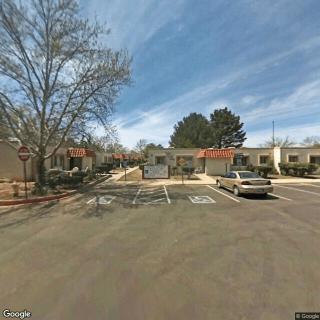
Viviana's Home Care

671 Windy Lane, Rio Rico, AZ 85648

For more information about senior living options: (844) 490-3973

2.3 from 3 reviews
5 stars
1
4 stars
0
3 stars
0
2 stars
0
1 stars
2

Assisted Living Board and Care Home Respite Care

Overall Review of Viviana's Home Care

Cons

  • pro The facility is really bad.
  • pro People should not leave their family there.
  • pro Staff allegedly gave the grandmother Tylenol before calling an ambulance.
  • pro The overall experience was horrible.

Review

The reviewer starts with a blunt declaration: the place in question is "really bad." The language is stark and unambiguous, signaling a level of dissatisfaction that goes beyond a routine complaint. The emphasis is not merely on one unfavorable incident but on a broader impression of systemic problems that left the reviewer feeling alarmed and deeply unhappy with the care their family received.

A central concern emerges quickly: "Don't leave your family here." This is not a casual admonition; it is a protective warning born from fear and disappointment. The reviewer is speaking as a family member who trusted the facility with the well-being of a loved one and was instead met with experiences that shook that trust. The call to action - strongly advising others not to rely on the facility for care - reflects anxiety about safety, attentiveness, and the overall quality of treatment that health professionals should provide to a vulnerable patient.

More than just a general sense of dissatisfaction, the reviewer highlights a specific and troubling sequence of events: "They gave my grandma Tylenol before calling the ambulance." Acetaminophen - Tylenol - can be appropriate for mild pain or fever, but in the context of a patient like a grandmother, it suggests a potential misstep in how quickly and how seriously the situation was assessed. The implication is that there might have been a delay in escalating care or in arranging for urgent evaluation and transport to a higher level of care. This detail points to a perceived gap between basic symptom management and the necessary, timely involvement of emergency services.

The word "horrible" at the end of the review distills the emotional intensity of the experience. It signals not only a disappointment with the care itself but a deep distress about what happened to a beloved family member and how that experience affected the family as a whole. When a caregiver perceives that urgent needs were not recognized or acted upon, it naturally creates fear, anger, and a lingering sense of helplessness. The reviewer's verdict is that the encounter was emotionally and ethically troubling, leaving a lasting, negative impression.

Several wider themes commonly arise in reviews that echo this kind of sentiment, even if they are not stated explicitly here. People often describe a mismatch between expectations and reality when urgent care is involved: delays in assessment, unclear communication about what is happening, insufficient explanations for decisions, and a sense that staff are not fully attuned to the vulnerabilities of elderly patients. The emotional weight of seeing a loved one treated in a way that feels slow, impersonal, or inadequately responsive can amplify everyday concerns about safety and dignity in medical settings. In such narratives, trust erodes as families seek reassurance that their loved one will be treated with prompt attention, respect, and competence.

If one were to imagine how the situation could have unfolded differently, the contrasts are instructive. A more positive scenario would feature swift triage and assessment by knowledgeable staff, immediate involvement of medical professionals when a potential emergency is suspected, and timely coordination with ambulance services when transport is warranted. Clear, compassionate communication about what is happening, why a particular intervention is chosen, and what to expect next would help restore some measure of confidence for families. For elderly patients, a culture of vigilance, gentle handling, and proactive pain and symptom management - paired with rapid escalation when needed - can make a substantial difference in both experience and outcomes.

Ultimately, the reviewer's experience serves as a stark reminder of why patient safety, transparent communication, and family-centered care matter so much in critical moments. The strong warning to others and the specific critique about treatment decisions together point to a need for scrutiny, reflection, and improvement in how urgent cases are handled. While this single account cannot determine the quality of care across the board, it highlights important concerns that readers should weigh carefully, and it underscores the value of seeking corroborating information and advocating for clear, timely care when a loved one is in a vulnerable situation.

Features

Housing

  • 10 resident community capacity 10 resident community capacity

Types of Care

  • Assisted Living Assisted LivingAssisted living facilities provide crucial support and care for seniors who may need help with daily tasks such as medication management, bathing, and meal preparation. These communities offer a safe and comfortable environment where seniors can maintain their independence while receiving the assistance they need to thrive in their golden years.
  • Board and Care Home Board and Care HomeBoard and care homes provide a smaller, more intimate setting for seniors who require assistance with daily tasks but do not need the level of care offered by a nursing home. They offer personalized care, meals, and social activities in a homelike environment, ensuring that seniors receive individualized attention and support in their golden years.
  • Respite Care Respite CareRespite care provides temporary relief for caregivers, allowing them to recharge and attend to their own needs. It also gives seniors the opportunity to socialize, receive professional care, and experience a change of scenery, promoting overall well-being and reducing feelings of isolation.

Amenities

  • Cable or satellite TV Cable or satellite TVCable or satellite TV is important for seniors because it provides entertainment, news, and companionship, helping to combat loneliness and boredom. It also offers a wide range of programming options tailored to different interests and preferences.
  • Dining room Dining roomDining rooms are important for seniors as they provide a space for socialization, connection, and nutritious meals. They offer opportunities for residents to bond over shared meals, foster a sense of community, and promote healthy eating habits. Dining rooms also ensure that seniors have access to well-balanced meals tailored to their dietary needs and preferences.
  • Fully furnished Fully furnishedFully furnished senior living communities are important for seniors because they provide convenience, comfort, and a hassle-free moving experience. Seniors can easily settle into their new living space without the stress of having to buy and move furniture. This allows them to focus on enjoying their new home and community.
  • Garden GardenGardens are important for seniors as they provide a peaceful and therapeutic environment for relaxation, physical activity, and socialization. Being in nature has been shown to reduce stress, improve mood, and promote overall well-being. Gardens also offer opportunities for seniors to engage in gardening activities, which can improve mobility, flexibility, and cognitive function. Additionally, gardens create a sense of community and connection with others who share a passion for plants and outdoor spaces.
  • Housekeeping services Housekeeping servicesHousekeeping services are important for seniors because they help maintain a clean and safe living environment, promote independence, and reduce the risk of accidents or illnesses. Additionally, having assistance with household chores can alleviate physical strain and allow seniors to focus on other aspects of their well-being.
  • Move-in coordination Move-in coordinationMove-in coordination is important for seniors because it helps ease the transition into their new living environment. It ensures that all logistics, such as packing, organizing movers, and setting up utilities are taken care of, allowing seniors to focus on settling in and adjusting to their new home. Having a smooth move-in process can alleviate stress and anxiety, making the transition smoother and more enjoyable for seniors.
  • Outdoor space Outdoor spaceOutdoor spaces are important for seniors as they provide opportunities for physical activity, social interaction, exposure to natural light and fresh air, and a sense of connection to nature. Having access to outdoor spaces can improve overall well-being and quality of life for older adults living in senior communities.
  • Telephone TelephoneTelephones are important for seniors as they provide a lifeline for communication with loved ones, emergency services, and healthcare providers. They offer a sense of security and independence, enabling seniors to stay connected and access assistance when needed.
  • Wi-Fi/high-speed internet available Wi-Fi/high-speed internet availableWi-Fi/high-speed internet is important for seniors to stay connected with loved ones, access online resources, and participate in virtual activities to combat feelings of loneliness and isolation. It also allows them to easily manage healthcare needs, access entertainment, and engage in lifelong learning opportunities.

Care Services

  • 24-hour supervision 24-hour supervision24-hour supervision is important for seniors to ensure their safety, well-being, and access to immediate assistance in case of emergencies or health issues. This constant support provides peace of mind for both seniors and their loved ones, allowing them to age in place with dignity and security.
  • Activities of daily living assistance Activities of daily living assistanceActivities of daily living assistance are important for seniors because they provide essential support with tasks such as eating, bathing, dressing, and mobility. This assistance helps seniors maintain their independence, dignity, and overall quality of life as they age.
  • Assistance with bathing Assistance with bathingAssistance with bathing is crucial for seniors as it helps maintain personal hygiene, prevents infections, and ensures their overall well-being and comfort. It also provides a sense of dignity and independence for seniors who may struggle with this task on their own.
  • Assistance with dressing Assistance with dressingAssistance with dressing is important for seniors because it helps maintain their independence, promotes personal hygiene, prevents accidents and injuries, and improves overall quality of life. This service ensures that seniors can continue to dress comfortably and confidently, despite any physical limitations they may have.
  • Assistance with transfers Assistance with transfersAssistance with transfers is crucial for seniors as it helps prevent falls and injuries, maintains their independence, and ensures they can safely navigate their living environment. It also provides peace of mind for both seniors and their loved ones.
  • Coordination with health care providers Coordination with health care providersCoordination with health care providers is crucial for seniors to ensure proper medical care, medication management, and overall well-being. This collaboration helps prevent overlapping treatments, track progress more effectively, and provide comprehensive support tailored to individual needs.
  • Diabetes diet Diabetes dietA diabetes diet is crucial for seniors as it helps manage blood sugar levels, reduce risks of complications, and improve overall health and well-being. By following a balanced and nutritious diet tailored to their specific needs, seniors can better control their diabetes and enhance their quality of life.
  • Meal preparation and service Meal preparation and serviceMeal preparation and service are crucial for seniors as they may have limited mobility or energy to cook nutritious meals. Having access to healthy and convenient food options can ensure they are getting the proper nutrition needed to maintain their overall health and well-being.
  • Medication management Medication managementMedication management is crucial for seniors to ensure they are taking the right medications at the correct dosages and times. This helps prevent adverse drug interactions, reduces the risk of medication errors, and promotes overall health and well-being. Proactive management also allows for adjustments as needed based on changing health conditions or new prescriptions.
  • Special dietary restrictions Special dietary restrictionsSpecial dietary restrictions are important for seniors because age-related changes in metabolism and health conditions can make it difficult for their bodies to process certain foods. By following a diet tailored to their specific needs, seniors can maintain their overall health and well-being, manage chronic conditions, and reduce the risk of complications such as malnutrition or food interactions with medications.
  • Transportation arrangement (medical) Transportation arrangement (medical)Transportation arrangements for medical purposes are essential for seniors as they may have difficulty driving themselves to appointments or accessing public transportation. Having reliable and safe transportation options ensures that seniors can receive timely medical care and maintain their health and well-being.
  • Transportation to doctors appointments Transportation to doctors appointmentsTransportation to doctors' appointments is crucial for seniors as it ensures they have access to necessary medical care and support for their health needs. Without reliable transportation, seniors may struggle to attend important appointments, leading to potential delays in treatment and health complications. Providing transportation services helps seniors maintain their overall well-being and quality of life.

Dining

  • Diabetes diet Diabetes dietA diabetes diet is crucial for seniors as it helps manage blood sugar levels, reduce risks of complications, and improve overall health and well-being. By following a balanced and nutritious diet tailored to their specific needs, seniors can better control their diabetes and enhance their quality of life.
  • Special dietary restrictions Special dietary restrictionsSpecial dietary restrictions are important for seniors because age-related changes in metabolism and health conditions can make it difficult for their bodies to process certain foods. By following a diet tailored to their specific needs, seniors can maintain their overall health and well-being, manage chronic conditions, and reduce the risk of complications such as malnutrition or food interactions with medications.

Activities

  • Community-sponsored activities Community-sponsored activitiesCommunity-sponsored activities are important for seniors as they provide opportunities for social interaction, mental stimulation, and physical activity. These activities can help improve overall well-being, combat loneliness and isolation, and promote a sense of belonging and purpose among older adults.
  • Scheduled daily activities Scheduled daily activitiesScheduled daily activities are important for seniors because they provide structure, socialization, mental stimulation, and physical activity. Engaging in regular activities can improve overall well-being and quality of life for seniors living in a community setting.

Description

Viviana's Home Care in Rio Rico, AZ, offers a warm and inviting assisted living community designed to provide comfort and support for its residents. This board and care home delivers specialized care services tailored to meet the needs of each individual, including assistance with daily living activities such as bathing, dressing, and transfers. Residents benefit from personalized meal preparation that accommodates special dietary restrictions, ensuring that their nutritional needs are met while enjoying delicious cuisine.

The thoughtfully designed community features a range of amenities that enhance the quality of life for its residents. A spacious dining room invites social interactions during mealtimes, while beautifully landscaped outdoor spaces and a garden provide serene settings for relaxation and leisure. The fully furnished accommodations offer a sense of home with convenience at every turn. Additional services such as housekeeping help ensure residents can focus on enjoying their day-to-day lives without additional burdens.

Viviana's Home Care places great emphasis on an active lifestyle by organizing scheduled daily activities that engage residents socially and mentally. For those requiring support with transportation arrangements for medical appointments or other outings, the caring staff coordinates these services seamlessly.

With Wi-Fi/high-speed internet access available throughout the facility, residents can stay connected with family and friends or engage in hobbies online. Viviana's also understands the importance of respite care for families needing temporary relief from caregiving responsibilities.

Situated near beautiful parks and restaurants, this community provides opportunities for exploration and enrichment within the local area. With dedicated staff committed to fostering a nurturing environment, Viviana's Home Care is an excellent choice for individuals seeking compassionate assisted living in Rio Rico.

Nearby Places of Interest

Parks

  • Tumacácori National Historical Park (3.6 miles)
  • Patagonia Lake State Park (10.6 miles)
  • Pima County Parks Recreation Natural Resources Green Valley (22.6 miles)
  • Desert Meadows Park (24 miles)

Restaurants

  • Las Trankas Restaurant (3.6 miles)
  • Elvira's Restaurant (7.2 miles)
  • IHOP (11.3 miles)
  • McDonald's (11.4 miles)
  • Panda Express (11.4 miles)
  • Jack In The Box (11.4 miles)
  • Oki Roki Sushi (11.5 miles)

Cafes

  • Starbucks (11.4 miles)
  • Starbucks (23.8 miles)
  • Continental Cafe (23.9 miles)
  • Marti's Bistro (25 miles)

Pharmacies

  • Walgreens (11.5 miles)
  • Farmacia Homeopatica Hahnemann (13.6 miles)
  • Farmacias Benavides (13.7 miles)
  • Farmacias de Similares (14 miles)
  • Walgreens (23.7 miles)
  • Safeway Pharmacy (23.8 miles)
  • Safeway Food & Drug (23.8 miles)

Transportation

  • Nogales International Airport (OLS) (12.5 miles)
  • Budget Rent A Car (25 miles)

Hospitals

  • Holy Cross Hospital (12.5 miles)
  • Asistencia Medica Contra la Adiccion (13.7 miles)
  • Green Valley Hospital (20.5 miles)

Physicians

  • Alcala Estrada Judith Dra (13.4 miles)
  • La Abeja Reyna (13.5 miles)
  • Casa Pedica (13.5 miles)
  • Nogales Dental Health Center (13.5 miles)
  • Covarrubias Rosas Jose Luis Dr (13.6 miles)
  • Dental Laser (13.6 miles)
  • Arechiga Castillo Yadira G. Dra (13.6 miles)

Places of Worship

  • Parroquia de la Purísima Concepción, Nogales (13.5 miles)
  • Valley Presbyterian Church (22.1 miles)
  • Desert Hills Lutheran Church (22.7 miles)
  • Evangelical Free Church of Green Valley (23.1 miles)
  • Southern Arizona Community Church (24.3 miles)
  • St Francis-In-the Valley Episcopal Church (24.3 miles)
  • Lutheran Church of the Risen Savior (24.4 miles)

Frequently Asked Questions

Where is Viviana's Home Care?

Nearby Communities

Assisted Living in Nearby Cities

Related Resources

  • assisted living vs memory careAssisted Living and Memory Care: Understanding Their Core Differences

    Assisted living provides moderate support for seniors seeking independence, while memory care offers specialized support for individuals with dementia or cognitive impairments through structured routines and trained staff. Key differences include care approaches, environment security measures, staff training levels, activity types, and cost considerations.

  • assisted living activitiesBeyond the Bingo Hall: 50+ Enriching Activities for Seniors in Assisted Living

    Assisted living communities offer diverse activities beyond traditional games to enhance seniors' physical health, cognitive well-being, emotional enrichment, and social connections, including fitness classes, creative expression, and intergenerational interactions. These enriching programs foster community bonds and support residents' independence and happiness.

  • assisted living vs memory careUnderstanding the Distinctions: Assisted Living and Memory Care Explained

    The article differentiates between assisted living and memory care, explaining that assisted living supports seniors with daily activities while promoting independence, whereas memory care provides specialized services for individuals with dementia, focusing on secure environments and cognitive support. It also addresses staff training, safety considerations, costs, family involvement, and transition strategies for families navigating these care options.