
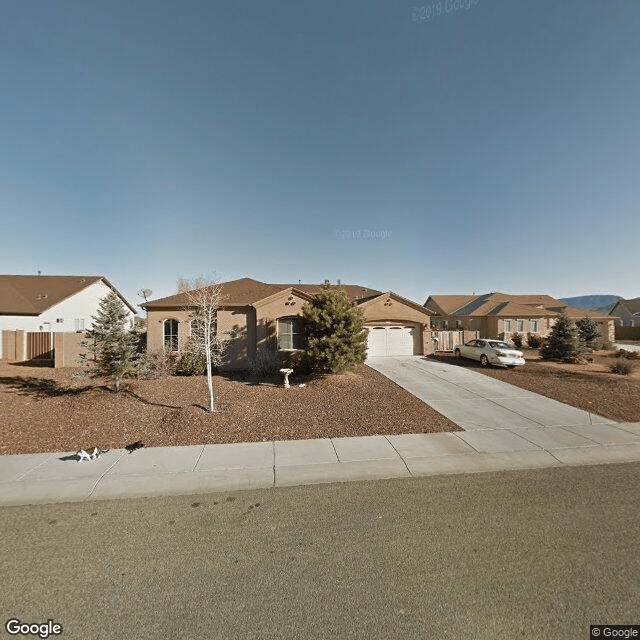
7766 East Welsh Mountain Drive, Prescott, AZ 86315
For more information about senior living options: (866) 208-4318
The Meadows Of Prescott Valley Costs & Pricing
The Meadows of Prescott Valley offers competitive monthly costs for its residents, particularly in comparison to the broader market within Yavapai County and the state of Arizona. For semi-private accommodations, residents can expect to pay $2,700 per month, which is significantly lower than the county average of $2,930 and the state average of $2,820. When considering private rooms, The Meadows provides a range between $3,000 to $3,200 - substantially more affordable than Yavapai County's average of $4,070 and slightly below the state's average of $3,345. These pricing structures suggest that The Meadows of Prescott Valley not only prioritizes quality care but also strives to offer cost-effective solutions for those seeking assisted living options in a supportive environment.
| Floor plans | The Meadows Of Prescott Valley | Yavapai County | Arizona |
|---|---|---|---|
| Semi-Private | $2,700 | $2,930 | $2,820 |
| Private | $3,000 to $3,200 | $4,070 | $3,345 |
Assisted Living communities with a similar price nearby
-
About the same
Brookings
$2,700 to $3,000 / month0.2 miles away -
from +$470 / mo

Granite Gate
$3,170 to $5,230 / month6.2 miles away -
About the same
Carefree Assisted Living Center
$2,700 to $4,000 / month18.4 miles away -
from +$300 / mo
Pleasant Valley Care Home
$3,000 to $3,400 / month9.2 miles away -
About the same

Las Fuentes Resort Village
$2,620 to $4,085 / month10.6 miles away
Overall Review of The Meadows Of Prescott Valley
Pros
 The Meadows provides excellent care that allowed a resident to flourish for years.
- The atmosphere at The Meadows is one of love, with staff who are patient and kind.
- The owners, Ross and Christine, treat residents like family and show graceful, genuine care.
- The facility is a well-equipped, home-like environment that prioritizes comfort and dignity.
- The caregivers are compassionate, respectful, and dedicated, often going the extra mile for residents and families.
- The Meadows is highly recommended by hospice providers and families, described as a blessing during difficult times.
Cons
 The facility staff are rude and unsympathetic.
- They do not allow more than one family member or friend to visit at a time.
- They run the operation as a money-making scheme with little regard for care.
- Visiting hours are strictly from 10am to 5pm with no exceptions.
- They would prefer that patients stay away and not receive visits at all.
- They listen in on patient conversations and report erroneous information to family members to benefit their position and keep patients there for financial purposes.
- Caregivers frequently share personal information and disrupt residents' routines by replacing people they were forming relationships with.
- Management appears tired and does not take the time to hire quality caregivers.
Review
This community is best suited for families seeking a warm, home-like setting where staff build enduring relationships with residents and where caregiving feels personal and deeply attentive. The Meadows of Prescott Valley shines for those who place emotional connection, patience, and daily kindness at the top of their care priorities. It is especially appropriate for residents who benefit from a pampering, neighborhood atmosphere, where meals can be homemade and routines can feel familiar. For families navigating end-of-life care or hospice transitions, the place has earned a strong reputation for compassionate, hands-on support and a sense of familial belonging. In short, this is a home that treats residents as individuals and families as partners in care, rather than a detached, clinical placement.
There are clear reasons some families will want to consider alternatives. If visiting flexibility is non-negotiable, the rigid visiting hours, longstanding policy at 10 a.m. to 5 p.m., can become a meaningful constraint, especially for relatives who work or live far away. Privacy and boundaries around conversations are another area of concern for some reviewers, who felt that personal information could be shared or monitored in ways that disrupt trust. Staffing stability and management energy are mixed signals as well: some families praise long-standing staff bonds, while others describe turnover and “tired” management as factors that disrupt routines and the consistency of daily life. For families needing strict governance, predictable schedules, and less intimate day-to-day contact, these factors suggest weighing other options more carefully.
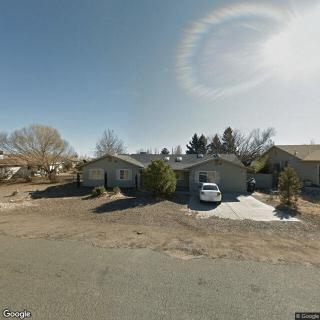
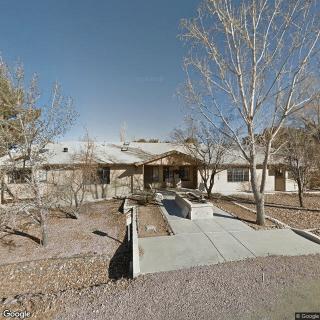
On the positives, the care team’s warmth and the owners’ hands-on leadership stand out as the core strength. Residents and families repeatedly describe a truly family-like atmosphere, with Ross and Christine, the owners, intimately involved in residents’ well-being and in extending personal, practical kindness to families during difficult times. The physical environment reinforces this impression: a home-like layout modified for accessibility, thoughtful touches like a cabinet for warming towels, and the option to take a seated shower highlight a genuinely accommodating approach to daily living. The meal program, with homemade dishes and flexible breakfast options, reinforces a sense of dignity and comfort. When care is most critical, during hospice and end-of-life moments, the staff’s compassion and the sense that “they will love your loved one” are repeatedly noted as meaningful differences.
Yet the main drawbacks temper the strength of those positives. The most persistent concerns center on visitation constraints and the potential intrusion into resident privacy, which can overshadow other benefits for families who prize open, flexible access to their loved ones. Additional downsides include caregiver turnover and the impression that daily routines can be disrupted when a new caregiver arrives or shifts to a different assignment. Some families perceive management as stretched thin, which translates into inconsistent staffing and a sense that foundational routines aren’t as secure as they should be. These elements do not negate the care quality, but they do limit how seamlessly a resident’s day-to-day life can feel like a steady, predictable continuum.
The way the strong, person-centered care and authentic relational tone offset the drawbacks is crucial for decision-making. When the priority is genuine connection, compassionate bedside manner, and a home environment that welcomes families as partners in care, these assets often compensate for less flexible visiting policies. The Meadows’ notable success with hospice-oriented care, the consistent warmth from caregivers, and the tangible sense of community can deliver emotional peace and practical support during fragile times. However, the counterbalance, restricted visitation, potential routine disruption, and signs of management strain, means this facility will be most compelling for families who can align expectations around accessibility and stability. The decisive factor is whether the emotional and relationship-driven care compensates for the structural limits present in daily life.
In sum, The Meadows of Prescott Valley represents a compelling choice for families who value a truly caring, family-centered environment and who can tolerate, or even welcome, a policy framework that emphasizes intimate, ongoing contact over broad, flexible access. It is, without doubt, a place where residents can feel cherished, well-attended, and respectfully treated, especially in the context of serious illness or end-of-life care, where personal attention matters most. For families seeking maximum visiting flexibility, perfectly predictable daily routines, or a hands-off governance style, alternatives should be explored. Engaging with the owners early, asking about visiting arrangements, caregiver assignment, and how staffing stability is managed, will reveal how closely this community can match the family’s specific care milestones and rhythms. The Meadows is a heartfelt, capable home, but its fit hinges on balancing emotional closeness and family partnership with the procedural realities of policy and staffing.
 10 resident community capacity
 Assisted Living
 Board and Care Home
 Activities on-site
 Beautician on-site
 Cable or satellite TV
 Devotional services on-site
 Dining room
 Fully furnished
 Garden
 Housekeeping services
 Indoor common areas
 Move-in coordination
 Outdoor common areas
 Private
 Private bathrooms
 Respite or short term stays offered
 Telephone
 Wheelchair accessible showers
 Wi-Fi/high-speed internet available
 24-hour supervision
 Assistance with bathing
 Assistance with dressing
 Assistance with transfers
 Diabetes diet
 High acuity care
 Meal preparation and service
 Medication management
 Special dietary restrictions
 Transportation arrangement (medical)
 Transportation to doctors appointments

 Comprehensive Supportive Living Arrangements for Adults with Disabilities
 Funding and Affording Assisted Living: A Thorough Overview
 Assisted Living Expenses and Long-Term Care Insurance: A Comprehensive Exploration