
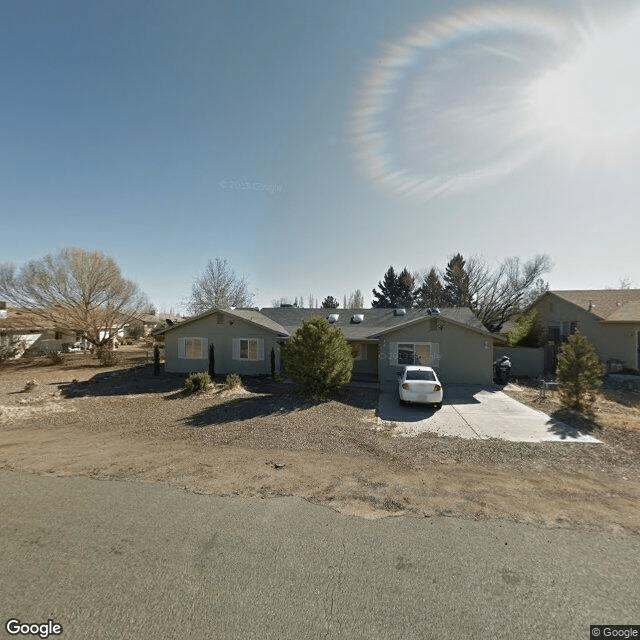
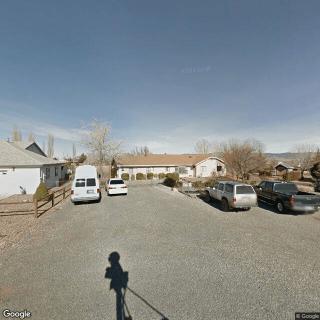
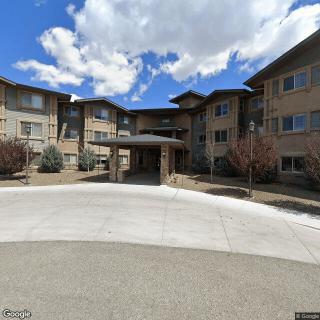
7201 E Pueblo Ave, Prescott Valley, AZ 86314
To contact a resident: (928) 772-1680
For more information about senior living options: (866) 208-4318
Overall Review of Autumn Valley Care Homes
Pros
 The Prescott Valley Assisted Living facility provides amazing care to residents and their families.
- The facility is consistently clean, and the staff are attentive and warmly welcoming to visiting family members.
- Families rate the facility highly for its care and compassionate service.
- The staff are knowledgeable about managing residents’ mental and physical needs and are compassionate.
- The home has a strong sense of community, with capable medical oversight and an exceptional management team.
- Tammy and her staff deliver compassionate, resident-centered care that creates happiness for residents.
- Tammy and David handle challenging behaviors with calm understanding, enabling families to spend meaningful time with loved ones.
- Dr. Christopher Z. provides open communication and supportive resources for families.
- The facility offers a peaceful, safe environment where residents feel at ease in their last days.
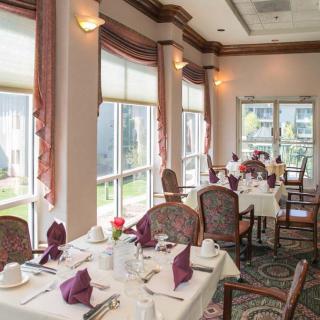
- The meals are home-cooked, properly portioned, and contribute to residents' health.
Cons
 Was not a positive experience.
Review
Autumn Valley Care Homes in Prescott Valley is best for families seeking a warm, home-like assisted living experience for a loved one with dementia or challenging behavioral needs, delivered with steady, compassionate care and strong family communication. The community stands out when the priority is a calm, structured daily routine, attentive staff, and a setting that feels personal rather than corporately driven. For families who want a nurturing environment where caregivers are involved with daily life, this option provides a reassuring sense of consistency and belonging.
Those who may want to consider alternatives include families seeking a more clinical or hospital-like atmosphere, higher levels of medical oversight on a constant basis, or a setting that aggressively prioritizes independent living over hands-on behavioral management. Several reviewers emphasize the importance of a highly responsive team and a facility that can manage difficult behaviors and complex medical needs; if a higher nurse-to-resident ratio or on-call physician presence is non-negotiable, other communities may better meet those expectations. A minority of reviewers also signal that not every experience aligns with the strongest praise, signaling a need for careful, site-specific due diligence.
The strongest pros are concrete and consistently echoed: a pristine, well-kept environment; staff who are attentive, warm, and genuinely engaged with both residents and visiting family members; and a capacity to handle dementia-related challenges with patience and skill. The leadership, often highlighted as Tammy and, in broader terms, the owner-physician team, helps sustain a sense of continuity, openness, and real-time communication about a loved one’s health and daily routine. Residents benefit from a structured day, home-cooked meals in appropriate portions, and a culture that emphasizes gentle redirection and calm, especially for those with aggressive behaviors. All of these elements together create a sense of safety that families repeatedly describe as essential to peace of mind during difficult transitions.
Coupled with the soft strengths are a few clear organizational advantages: a community atmosphere that feels like a family rather than a profit-driven facility, ongoing social moments through birthdays and holidays, and staff who regularly integrate families into the caregiving conversation. The reviews repeatedly praise the sense that residents are treated with dignity, that medical oversight is thoughtful, and that behavioral management is grounded in compassion. This combination, strong interpersonal care plus deliberate medical attention, often translates into reduced medication reliance and better day-to-day functioning for residents who previously struggled in other settings.
The noted cons are not overwhelming, but they matter for decision-making. A small portion of reviews expresses dissatisfaction, reminding that no single facility will deliver a flawless experience for every family or every resident. Variability in individual outcomes can stem from specific resident needs, staffing rhythms, or personality fit between resident and caregivers. Families should probe about staff-to-resident ratios, incident handling, and ongoing communication channels before committing. If possible, arrange unannounced visits to observe how staff interact with residents, how redirection is managed in real time, and how meals and activities are actually executed on a typical day.
In the end, Autumn Valley Care Homes presents a compelling option for families prioritizing dementia-capable, home-like care with compassionate staff and clear family involvement. It is a particularly strong match for those who value meticulous daily structure, gentle behavioral management, and a warm, non-corporate feel. For families seeking more intensive medical supervision, higher clinical acuity, or a setting geared toward greater independence, alternatives in Prescott Valley deserve examination. The prudent course is to visit, speak with Tammy and the medical leadership, review a resident’s care plan in detail, and compare how each option aligns with the loved one’s specific cognitive, behavioral, and health needs.
 Board and Care Home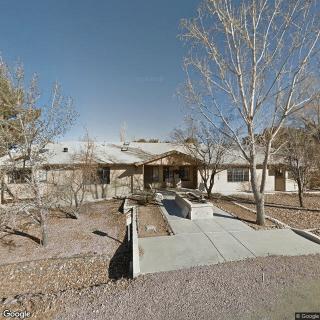

 Senior Move Management: Understanding the Role, Value, and Associated Costs
 Weight Training for Seniors: Building Strength and Vitality
 Understanding the Sandwich Generation: Stress and Responsibilities for Multigenerational Caregivers