
16239 North 33Rd Avenue, Phoenix, AZ 85053
For more information about senior living options: (866) 208-4318
Overall Review of North Valley Senior Living
Pros
 The staff treat residents like family and provide phenomenal, compassionate care.
- The staff-to-resident ratio is excellent, ensuring personalized attention.
- The facility is clean, well-organized, and welcoming.
- A therapy dog brings joy to residents and enhances their daily experience.
- Residents enjoy homemade, nutritionally balanced meals cooked fresh on their schedule.
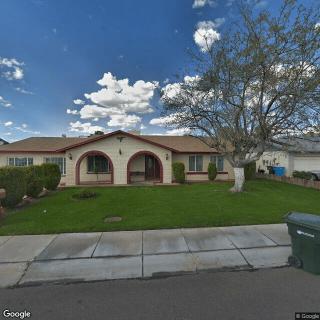
- Private bedrooms are cozy and charming, with pleasant outdoor spaces for sunshine and fresh air.
- The atmosphere conveys a trusted, family-like care rather than a typical care home.
- NVSL’s dedication, knowledge, and care are outstanding, and the environment has a warm, family feel, making it highly recommended for families seeking care.
Cons
 The previous care facilities were always losing her clothes and putting other people's clothes on her, which was extremely frustrating.
Review
North Valley Senior Living in Phoenix is best suited for families seeking exceptionally personalized, family-like care for a loved one who benefits from memory-care support or highly attentive daily living. The community earns praise for treating residents as individuals and for creating an atmosphere that feels less like a facility and more like a caring extended family. Families dealing with Alzheimer’s disease, dementia, or related memory challenges will find the care model aligns closely with what they value: consistent, compassionate staff who know residents by name, meals prepared to individual preferences, and a living environment that emphasizes dignity, privacy, and daily routines that resemble home life.
Those who may want to consider alternatives are the ones who prioritize a more clinical, hospital-like setting or require a level of medical oversight that goes beyond what a smaller, intimate memory-care operation typically provides. A few families may also want greater visibility into cost structures or a facility with a larger footprint and more expansive programming across multiple neighborhoods. If the priority is access to a broad medication-management program, a higher nurse-to-resident ratio, or a campus with extensive on-site medical services, it’s prudent to compare options where those features are more explicit and expansive.
The strongest positives here rest on a proven, high-touch care model. The staff-to-resident ratio is repeatedly cited as a standout, which translates into timely assistance, more opportunities for meaningful interaction, and less risk of neglect or delay in attending to needs. Cleanliness and organization underpin a sense of reliability, residents appear well cared for, with attention paid to personal items and clothing, something that matters deeply to families who want their loved ones to retain a sense of identity. The home atmosphere extends beyond housekeeping into the sensory details of daily life: meals prepared fresh with taste-forward, homemade options; private bedrooms that feel cozy rather than clinical; and outdoor spaces that invite sunshine and fresh air. A therapy dog adds another layer of comfort, offering moments of joy and routine engagement that can significantly brighten days for memory-impaired residents.
The documented downsides are almost wholly absent in these accounts, which in itself is a strong signal but also a signal worth balancing against the small sample. The reviews emphasize a “family feel” and seamless care over any explicit drawbacks, and none point to serious gaps in medical oversight, activity programming, or personal attention. Still, prospective families should acknowledge that the case studies come from a limited set of experiences. Price transparency, long-term availability, and the extent of medical support at all hours aren’t spelled out in the narratives provided, so these are legitimate questions to bring into a tour or a formal inquiry.
To use this information effectively, focus on the elements that clearly drive satisfaction here: staffing consistency, a warm daily rhythm, and personal touches that preserve dignity and autonomy. During visits, press for specifics on caregiver ratios during peak hours, the process for personal care planning, and how meals are tailored to individual dietary needs and preferences. Verify how often residents access activities, what options exist for reminiscence or cognitive-stimulation programming, and whether services like hair appointments or beauty services remain reliably included. Also ask to meet members of the leadership and long-tenured staff to gauge continuity and depth of experience, and if possible, speak with families who have had loved ones there for extended periods.
In sum, North Valley Senior Living stands out for families seeking a deeply respectful, home-like approach to memory care and assisted living. It is an especially compelling choice for Alzheimer’s or MS-related needs where consistency, personal attention, and a nurturing environment can dramatically affect quality of life. Those needing a more clinical setting, broader campus resources, or clearer pricing models may find themselves weighing alternatives, but for the target resident, someone whose daily life benefits from devoted staff, homemade meals, private rooms, and an inviting outdoor space, this community checks practically every box with confidence. The question becomes one of fit: does the emphasis on a familial, attentive model align with the caregiver’s priorities and the resident’s specific medical and daily living needs?
 5 resident community capacity
 Assisted Living
 Board and Care Home
 Cable or satellite TV
 Dining room
 Fully furnished
 Garden
 Housekeeping services
 Move-in coordination
 Outdoor space
 Telephone
 Wi-Fi/high-speed internet available
 Phoenix Sky Harbor International (15 miles away)
 24-hour supervision
 Activities of daily living assistance
 Assistance with bathing
 Assistance with dressing
 Assistance with transfers
 Diabetes diet
 Meal preparation and service
 Medication management
 Special dietary restrictions
 Transportation arrangement (medical)
 Transportation to doctors appointments


 Exploring the Path to Senior Living: A Comprehensive Look at Independent Living and Assisted Living
 Is Assisted Living Deductible on Your Taxes? Understanding the Complexities of Assisted Living Expenses and Deductions
 Assisted Living Support for Veterans: A Complete and Detailed Overview