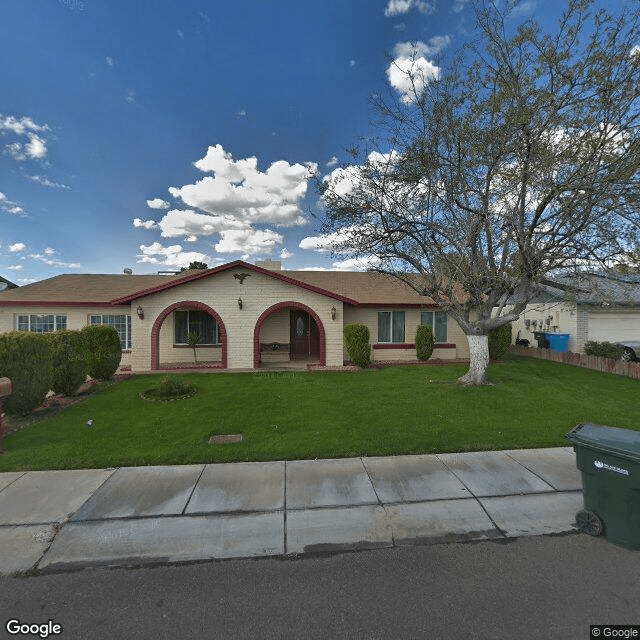
3142 W Greenway Rd, Phoenix, AZ 85053
To contact a resident: (602) 373-2090
For more information about senior living options: (866) 208-4318
Lynette's Care Home Costs & Pricing
At Lynette's Care Home, we pride ourselves on offering competitive pricing for quality care. Our semi-private rooms are available at $2,500 per month, which is notably lower than the average costs in Maricopa County ($2,801) and across Arizona ($2,820). For those seeking more privacy, our private rooms are priced at $2,800 monthly, significantly less than the county average of $3,318 and the state average of $3,345. These affordable rates reflect our commitment to providing exceptional services while ensuring that residents receive the utmost care and comfort without straining their budgets.
| Floor plans | Lynette's Care Home | Maricopa County | Arizona |
|---|---|---|---|
| Semi-Private | $2,500 | $2,801 | $2,820 |
| Private | $2,800 | $3,318 | $3,345 |
Senior living communities with a similar price nearby
-
from +$300 / mo
Pinnacle Peak Assisted Living
$2,800 to $3,100 / month13.3 miles away -
from +$125 / mo

The Eldercare Home Of Tempe
$2,625 to $3,412 / month21.4 miles away -
from +$450 / mo
Endeavor AL I
$2,950 to $4,200 / month8.8 miles away -
from +$400 / mo
Royal Paradise Care
$2,900 to $3,800 / month13.0 miles away -
from +$300 / mo
Home of Helping Hands Assisted Living, LLC
$2,800 to $3,500 / month17.8 miles away
Overall Review of Lynette's Care Home
Pros
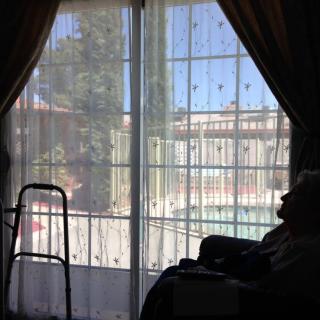
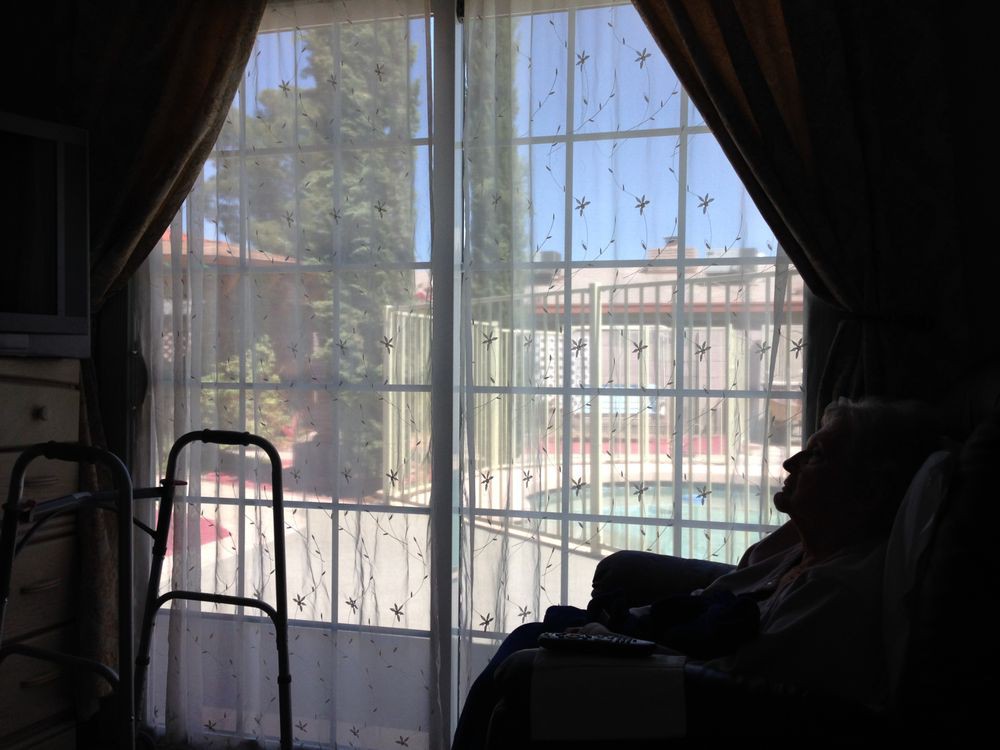
 The staff at Lynette's are described as truly kind and loving, helping the resident feel at home within a week or two.
- The care is compassionate and attentive, with families feeling welcome to visit and growing fond of many of the other guests.
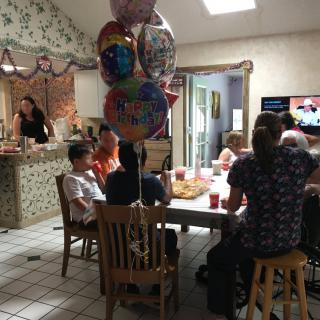
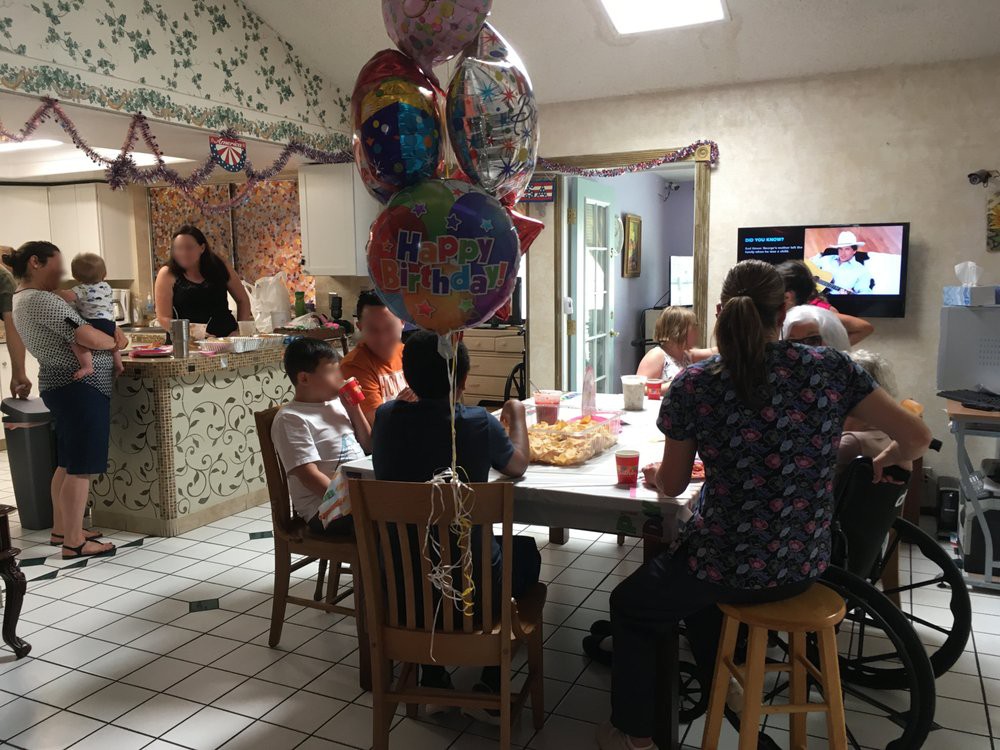
- The home celebrated the resident’s birthday and hosted special Thanksgiving and Christmas meals with attending family.
- Mariana, the owner, is noted for being considerate and proactive, ensuring timely reminders for important moments like last rites.
- The reviewer has recommended Lynette's to church families in need, indicating trust and satisfaction.
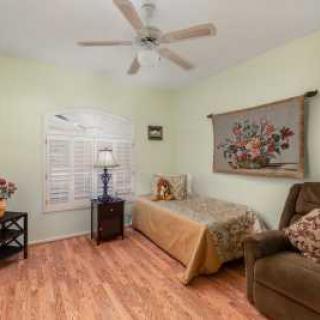
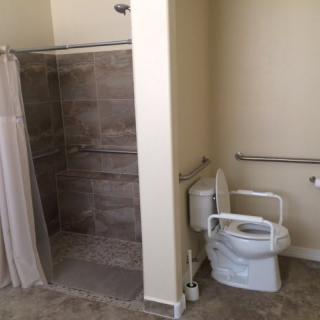
- The overall impression is that Lynette's is the best care home, with a nice single room at the front of the home and wheelchair-accessible facilities throughout.
Review
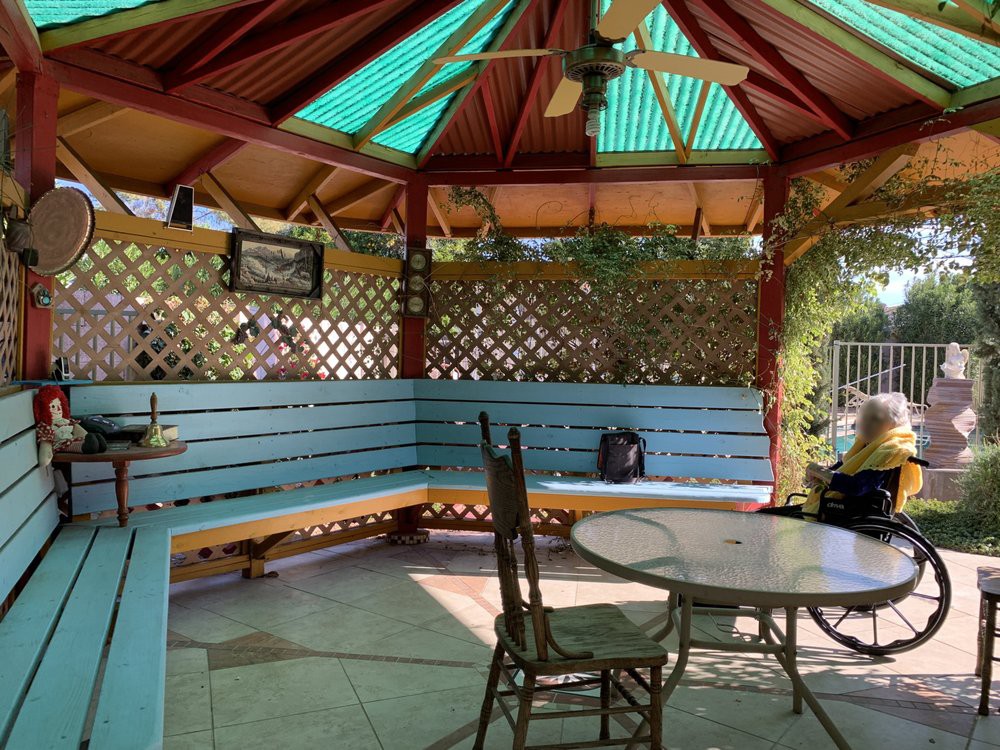
Lynette’s Care Home in Phoenix is best suited for families seeking a small, home-like memory care option where a loved one with dementia can receive highly personalized attention, frequent family involvement, and a faith-sensitive environment. The community operates at a deliberately intimate scale, roughly ten residents at a time, so staff members know each resident’s routines, preferences, and subtle changes in condition. That kind of atmosphere matters when transitions become challenging, and it matters even more for families who want to stay closely connected to the person’s daily life. For families prioritizing spiritual support and the capacity to arrange meaningful rituals, the setting is especially compatible, as demonstrated by the care team’s willingness to coordinate last rites and support faith traditions during a loved one’s final chapters.
The strongest pros center on warmth, belonging, and practical, person-centered care. Residents appear to acclimate quickly because caregivers embody genuine kindness, transforming initial resistance into a sense of being “at home.” The social fabric is reinforced by regular celebrations, birthdays, Thanksgiving, Christmas, and open visitation that keeps family bonds strong. A small resident cohort facilitates meaningful interactions, not only with staff but with co-residents and visiting family, reducing isolation and enhancing mood. Practical accessibility also stands out: a very nice single room at the front of the house and wheelchair-accessible corridors throughout, which preserves dignity and safety for residents with mobility limitations. The owner, Mariana, combines day-to-day oversight with a reassuring, communicative approach, explicitly letting families know when it’s time to be present for important moments, including end-of-life arrangements.
Despite these strengths, Lynette’s is not a facility designed for high-acuity medical needs or complex clinical care. The intimate, family-sized model implies fewer on-site medical resources and less formal nursing infrastructure than larger campuses. This matters for residents who require round-the-clock skilled nursing, advanced therapies, or rapid interventions that only a full-service, high-capacity setting can reliably deliver. The trade-off is clear: the warmth and individual attention come at the cost of a smaller, less medically equipped environment. For families facing escalating medical complexity or those who value a robust schedule of clinical services, alternatives with stronger nursing coverage will likely be a better fit.
That trade-off is offset by the clear, practical benefits of intimate oversight and family-centric programming. Knowing staff on a first-name basis, witnessing consistent caregiver-resident relationships, and having direct access to a facility owner who remains engaged, these elements translate into timely care adjustments and a sense of continuity that larger places can’t easily reproduce. The ability to weave family rituals into daily routines and to organize meaningful moments around faith and tradition strengthens identity and comfort for someone navigating dementia. The three-year stay of the matriarch described by the family signals stability in caregiving, a durable rapport with residents, and a level of trust that doesn’t emerge in more impersonal settings.
Families should consider alternatives if medical acuity or rehab needs dominate the decision criteria. Larger assisted living communities with dedicated memory-care wings or skilled-nursing options typically offer more extensive medical oversight, 24/7 nursing coverage, and a broader spectrum of therapeutic programming. If a resident’s cognitive trajectory hints at requiring more structured activities, transportation options, or a more expansive activity calendar, those environments often deliver the scale and resources that smaller homes cannot. In short, Lynette’s excels as a compassionate, intimate option for dementia care and family involvement; alternatives shine when clinical complexity, rehab services, or a broader programmatic platform become the priority.
For caregivers weighing Lynette’s strengths against potential gaps, the next step is a focused visit that probes care planning in concrete terms: daily routines, current staff-to-resident ratios, and how the plan would adapt as needs evolve. Ask about room options beyond the front-facing single room, as well as coordination with external healthcare providers, emergency procedures, and end-of-life arrangements. Above all, assess whether a warm, faith-attuned, family-friendly environment aligns with the resident’s needs and the family’s expectations for ongoing involvement. When that balance favors intimate, personalized care over high-capacity medical support, Lynette’s Care Home stands out as a compelling choice for dementia care in the Phoenix area.
 Board and Care Home
 Private
 Phoenix Sky Harbor International (15 miles away)
 Diabetic care
 Incontinence care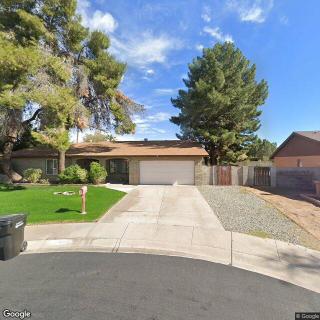

 Comprehensive Guide to Qualifying for Home Health Care Services
 Powerful Realities of Elder Abuse and the Most Effective Ways to Report It
 Ten Vital Duties of a Senior Caregiver: A Comprehensive Guide