Lifestream At Northeast Phoenix Green House 86 in Phoenix, AZ
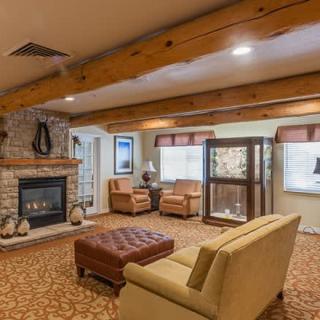
Lifestream At Northeast Phoenix Green House 86 is an assisted living community in Phoenix, AZ.
Information last verified:
20802 North Cave Creek Road (Bldg 86), Phoenix, AZ 85024
For more information about senior living options: (866) 208-4318
4.7 from 25 reviews
5 stars
23
4 stars
0
3 stars
0
2 stars
1
1 stars
1
Overall Review of Lifestream At Northeast Phoenix Green House 86
common21 reviews mention this
Staff support feels consistent
Residents describe staff who are consistently caring and responsive.
Across reviews, residents and family members repeatedly mention that the staff is friendly, supportive, and attentive to day-to-day needs. Several also describe staff responding efficiently when needs come up, including during health situations. Even critical reviews still acknowledge friendliness, with the complaint focused more on meals and care options than on how people are treated.
common6 reviews mention this
Activities are organized and engaging
Residents say the activity calendar keeps days full.
Reviews frequently highlight activities as a strength, describing them as well organized and enjoyable. Families mention a monthly calendar with sign-ups, including events like grocery outings and Bingo. A couple of residents also refer to on-site gatherings and leadership through an activities director, while one critical review says the planned activities did not always happen as expected.
differentiator6 reviews mention this
Dining has flexible options
Dining is described as convenient, with choices for how to eat.
Many reviews mention good food and the ability to dine in or get meals for convenience. Several families describe pickup options through the dining room/front desk, and one resident describes meals delivered to the doorstep during a pandemic period. There is also a recurring concern about dietary restrictions in at least one review, which describes limited accommodations for specific diets and no reduced rate when not eating the offered menu.
common4 reviews mention this
Patio homes support autonomy
Residents value the patio-home setup for more independence.
Multiple reviews point to patio homes as a reason the move felt manageable and independent. One family specifically contrasts the patio-home option with other places, saying it allowed for an easier transition. Reviews also describe the patio-home living arrangement as something residents look forward to, paired with friendly staff and welcoming neighbors.
How we summarize
Counts show how many written reviews mention each theme; a review can touch several themes, and only frequently mentioned themes are displayed.
Features
Housing
10 resident community capacity
Types of Care
Assisted Living
Board and Care Home
Respite Care
Amenities
Cable or satellite TV
Dining room
Fully furnished
Garden
Housekeeping services
Move-in coordination
Outdoor space
Telephone
Wi-Fi/high-speed internet available
Transportation
Phoenix Sky Harbor International (17 miles away)
Care Services
24-hour supervision
Activities of daily living assistance
Assistance with bathing
Assistance with dressing
Assistance with transfers
Coordination with health care providers
Diabetes diet
Meal preparation and service
Medication management
Special dietary restrictions
Transportation arrangement (medical)
Transportation to doctors appointments
Dining
Diabetes diet
Special dietary restrictions
Activities
Community-sponsored activities
Scheduled daily activities
Nearby Places of Interest
This part of Phoenix, Arizona offers a variety of amenities and services that cater to seniors looking for convenience and comfort. With several pharmacies nearby, accessing medication and healthcare is easily manageable. Additionally, there are restaurants, cafes, and theaters within a short driving distance, providing ample opportunities for dining out and entertainment. The presence of parks allows for outdoor recreation and relaxation in nature. With reputable physicians' offices in close proximity, medical care is readily accessible. Furthermore, the diverse places of worship reflect the community's commitment to spiritual well-being. If you value access to quality healthcare, dining options, leisure activities, and a sense of community, this area in Phoenix may be an ideal location for your senior living needs.
Restaurants
Culver's (0.1 miles)
McDonald's (2.4 miles)
McDonald's (3.1 miles)
Sonic Drive-In (3.1 miles)
McDonald's (3.2 miles)
In-N-Out Burger (3.2 miles)
Breakfast Kitchen Bar (3.2 miles)
Pharmacies
Safety Drugs (0.4 miles)
Walgreens (1.4 miles)
CVS Pharmacy (1.7 miles)
Salibas Pharmacy (1.8 miles)
CVS Pharmacy (2.4 miles)
Fry's Pharmacy (2.8 miles)
Walgreens (3 miles)
Cafes
Starbucks (0.9 miles)
Dutch Bros Coffee (2.5 miles)
Starbucks (3.1 miles)
Panera Bread (3.2 miles)
The Human Bean (3.9 miles)
Starbucks (4.9 miles)
Elevate Coffee (5.5 miles)
Parks
Sun Devil Ridge Park (1.8 miles)
Aviano Park (1.9 miles)
Moon Valley Park (4.3 miles)
Desert Horizon Park (5 miles)
Paseo Highlands Park (6 miles)
Conocido Park (6.1 miles)
Physicians
NOAH Palomino Health Center (2.8 miles)
2nd Chance Treatment Center (3.2 miles)
HonorHealth Medical Group - Primary and Immediate Care - Saguaro (3.4 miles)
Acacia Internal Medicine (4 miles)
Phoenix Campus Mayo Specialty Building (4.6 miles)
Platinum Hearing (4.7 miles)
Desert Sun Pediatrics (4.7 miles)
Theaters
AMC DINE-IN Desert Ridge 18 (3.5 miles)
AMC Deer Valley 30 (5.3 miles)
Harkins Theatres Scottsdale (5.8 miles)
Places of Worship
New Vision Center for Spiritual Living (3.5 miles)
The article compares assisted living and skilled nursing facilities, detailing their differing levels of assistance, medical support, cost structures, and day-to-day experiences. It emphasizes that assisted living is for those needing help with daily activities while maintaining independence, whereas skilled nursing facilities provide intensive medical care with 24-hour staff supervision.
The transition from assisted living to skilled nursing care is often prompted by complex medical needs that assisted living cannot meet, with key indicators including frequent health declines, increased falls, severe memory issues, and caregiver burnout. Families should recognize these signs early to discuss options with healthcare providers and prepare for the emotional and logistical aspects of moving to a facility that offers comprehensive medical support.
Vibrant Senior Living emphasizes active senior living communities that promote independence and engagement through diverse amenities and activities, fostering wellness and social interaction among older adults. These communities range from independent to assisted living, with a focus on personal growth, family involvement, financial planning, and leveraging technology to enhance residents' experiences.
Get PricingAsk A QuestionSchedule A TourContact Senior Advisor
By clicking submit, you agree to our Partner's Terms of Use. You
also consent to receive calls and texts, which may be autodialed, from our Partner. Your consent is not a condition to
using our Partner's service. Please visit our Partner's Privacy Policy for information about their privacy practices.

 10 resident community capacity
 Assisted Living
 Board and Care Home
 Respite Care
 Cable or satellite TV
 Dining room
 Fully furnished
 Garden
 Housekeeping services
 Move-in coordination
 Outdoor space
 Telephone
 Wi-Fi/high-speed internet available
 Phoenix Sky Harbor International (17 miles away)
 24-hour supervision
 Activities of daily living assistance
 Assistance with bathing
 Assistance with dressing
 Assistance with transfers
 Diabetes diet
 Meal preparation and service
 Medication management
 Special dietary restrictions
 Transportation arrangement (medical)
 Transportation to doctors appointments
 Small, intimate setting with personalized care and comprehensive amenities.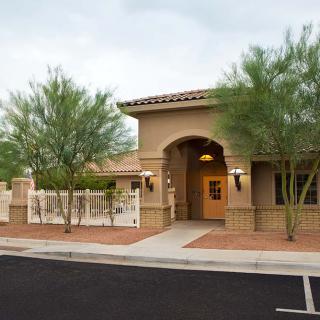

 Exploring the Contrasts Between Assisted Living and Skilled Nursing
 8 Key Indicators That Suggest It May Be Time to Transition from Assisted Living to Skilled Nursing Care
 Vibrant Senior Living: A Comprehensive Guide for Active Older Adults