
20802 North Cave Creek Road, Building #85, Phoenix, AZ 85024
For more information about senior living options: (866) 208-4318
Overall Review of Lifestream At Northeast Phoenix Green House 85
Pros
 The team at Lifestream is very friendly and supportive throughout the decision process.
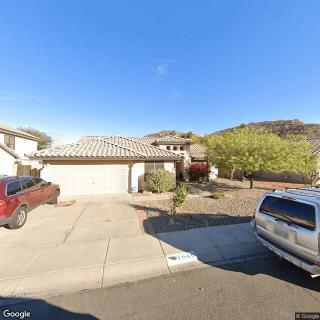
- The patio homes offer more autonomy, easing the transition for residents coming from a house.
- The LifeStream community is wonderful, with residents who become friends and family and look out for each other.
- The residents and staff alike look out for and help one another within LifeStream.
- The staff are dedicated, sensitive to seniors’ needs, and work with a calling, not just a job.
- Mary Rogers stands out as an exemplary leader and servant.
- LifeStream provides a friendly, safe, and loving environment for residents.
- The staff are kind, supportive, and responsive, delivering meals to doorsteps to keep everyone safe.
- The community features excellent food, on-site amenities, and a warm, welcoming atmosphere.
- Residents are friendly and welcoming, making newcomers feel at home from day one.
- LifeStream feels like a healing place, with uplifting daily interactions from residents and staff.
- The staff meet needs with care and efficiency and treat residents as family.
Cons
 LifeStream does not accommodate dietary restrictions (gluten-free, dairy-free) and offers limited food choices, with no reduced rate if meals aren’t eaten.
- There is a claim of a "bucks for beds" policy in the Green houses where residents are used to help cover electric bills and then are kicked out.
- A male staff member is accused of taking home bags of food for himself and his mother and never offering seconds to residents.
- Some staff are described as not leading activities, instead sitting and talking among themselves, while tours feel performative.
Review
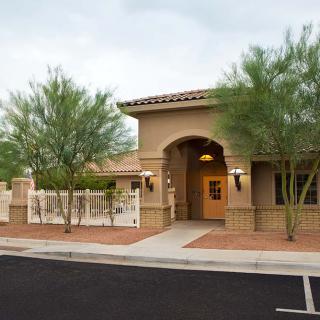
This community is best suited for active seniors who want to stay independent while tapping into a warm, faith-oriented, neighborly environment. The Green House at Northeast Phoenix offers patio homes that give much more autonomy than many other options, easing the transition from a single-family residence into senior living. It rewards residents who value daily routines, regular social connection, and a living space that feels like home rather than an institution. For families seeking a place where independence is supported by a close-knit, Christian-leaning community and readily available on-site services, this setting is a strong match.
Those evaluating alternatives should note that this option may not fit everyone. Prospective residents who require high-acuity care, intensive memory support, or highly specialized dietary accommodations may want to look elsewhere. The community has earned praise for companionship and staff dedication, but several reviews flag gaps in dietary flexibility and transparent handling of policy changes. Additionally, the wait for an appropriate independent-living unit can be lengthy, which can be a hurdle for families aiming to move closer to loved ones on a defined timeline.
The strongest positives here center on staff commitment and community feel. The team is repeatedly described as caring, attentive, and genuinely involved in residents’ well-being, with some staff singled out for exceptional leadership in activities and day-to-day care. The on-site Curana Health clinic brings accessible medical oversight into the mix, with mobile services that simplify routine care and testing. Residents routinely emphasize the safety, warmth, and sense of belonging, the kind of environment where neighbors become long-term friends and families feel included in daily life.
A second core strength lies in the social fabric and the sense of purpose permeating daily life. The community organizes activities, ordinary rituals, and informal gatherings that foster mutual support. Several families share stories of neighbors looking out for one another during medical or personal crises, and many residents speak of feeling spiritually uplifted by living among Christians who live out their faith. For families, this translates into a reassuring atmosphere where long-standing relationships can extend beyond the move and become a genuine support network for both residents and visiting loved ones.
However, attention must be paid to notable drawbacks voiced by a minority of residents. The most persistent concern is the meal program and dietary flexibility. One account describes a shift from a fixed “meal plan” to a more limited “meal option” with insufficient accommodations for vegetarian, gluten-free, or dairy-free needs, all while pricing remains the same. Another review accuses the facility of inflexibility around dietary restrictions, implying ongoing vulnerability if meals do not align with dietary requirements. A separate critique points to questions about transparency and consistency in staff conduct and leadership, including tensions around activities leadership and daily operations. These issues do not define the community for every resident, but they are real and deserve careful scrutiny.
In deciding to move forward, families should approach with a precise checklist and honest questions. Confirm how dietary restrictions are handled day-to-day and whether a resident with specific needs can receive customized meal options without penalty. Inquire about how the greenhouse/independent-to-assisted transition is managed, what care options are available on-site as needs evolve, and the exact policies behind any changes to meal plans or pricing. Ask for recent stability in leadership and staff turnover, and request transparent examples of how resident concerns are resolved. Tours should probe not only the warmth of the community but also the reliability and clarity of operations.
Overall, Lifestream at Northeast Phoenix Green House 85 stands out as a compelling choice for independent-minded seniors who prize community, faith-based living, and hands-on staff support in a warm, home-like setting. It delivers meaningful value through autonomy, long-term resident ties, and convenient on-site medical services that ease the burden of aging in place. At the same time, potential movers should be realistic about dietary accommodations and the potential for policy and leadership shifts that can influence daily life. For families prioritizing companionship, spiritual cohesion, and a supportive team, this community remains a practical, well-regarded option, while recognizing that some individuals may be better served by a facility with broader dietary flexibility and more predictable program oversight.
 10 resident community capacity
 Assisted Living
 Board and Care Home
 Respite Care
 Cable or satellite TV
 Dining room
 Fully furnished
 Garden
 Housekeeping services
 Move-in coordination
 Outdoor space
 Telephone
 Wi-Fi/high-speed internet available
 Phoenix Sky Harbor International (17 miles away)
 24-hour supervision
 Activities of daily living assistance
 Assistance with bathing
 Assistance with dressing
 Assistance with transfers
 Diabetes diet
 Meal preparation and service
 Medication management
 Special dietary restrictions
 Transportation arrangement (medical)
 Transportation to doctors appointments

 Assisted Living and Memory Care: Understanding Their Core Differences
 Beyond the Bingo Hall: 50+ Enriching Activities for Seniors in Assisted Living
 Understanding the Distinctions: Assisted Living and Memory Care Explained