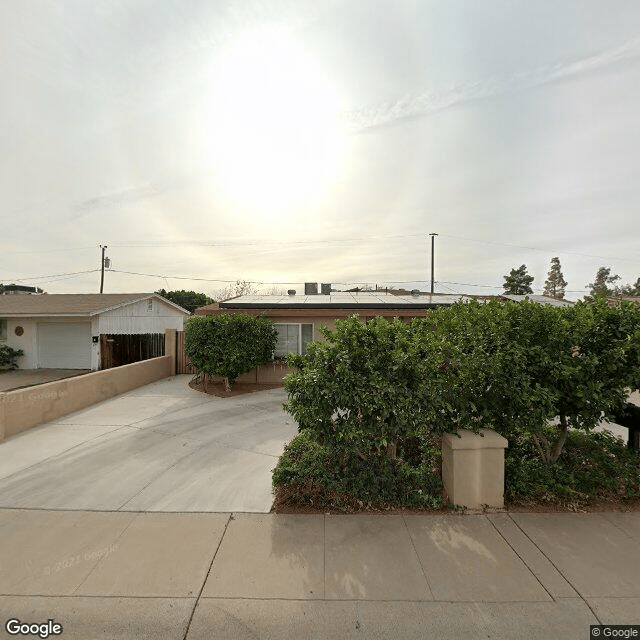
Laurel Paradise Assisted Living

Save
Laurel Paradise Assisted Living

Laurel Paradise Assisted Living

2201 W.Laurel LN, Phoenix, AZ 85029

For more information about senior living options: (844) 490-3973

1 from 1 review
Board and Care Home

Laurel Paradise Assisted Living Costs & Pricing

Laurel Paradise Assisted Living offers competitive pricing compared to both Maricopa County and the state of Arizona for its residential care services. For a semi-private room, residents pay $2,000 per month, which is significantly lower than the county average of $2,801 and the state average of $2,820. Similarly, the cost for a private room at Laurel Paradise is set at $2,500 per month, again presenting a notable savings when compared to Maricopa County's average of $3,318 and Arizona's overall average of $3,345. These rates position Laurel Paradise as an attractive option for families seeking quality care without compromising their financial stability.

Floor plansLaurel Paradise Assisted LivingMaricopa CountyArizona
Semi-Private$2,000$2,801$2,820
Private$2,500$3,318$3,345

What level of care are you interested in?

Assisted Living

Memory Care

Independent Living

Skilled Nursing Facility

Continuing Care Retirement Community (CCRC)CCRC

Other


Request a tour at Laurel Paradise Assisted Living

    Overall Review of Laurel Paradise Assisted Living

    Pros

    • pro The house is clean.
    • pro Cleanliness is noted as a positive aspect.
    • pro Cleanliness is highlighted as a strength in the review.
    • pro The review recognizes cleanliness as a favorable feature.

    Cons

    • pro The house is old, despite being clean.
    • pro The common spaces are really small.
    • pro The backyard is tiny and not welcoming for outdoor use.
    • pro The private room is very tiny and furnished with old furniture.
    • pro It does not appear that any activities occur for residents.
    • pro It is not a good fit.

    Review

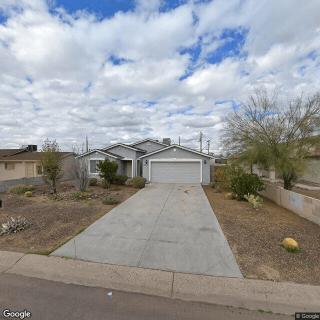
    The place presents itself with an interesting contrast: it is clean and orderly, yet it feels old in a way that permeates the lived experience. The upkeep is evident, and there's a sense that cleanliness is taken seriously. However, that positive impression quickly gives way to a more persistent sense of agedness in the building itself. The overall feeling is one of a space that has been cared for on a surface level, while the core ambiance and spirit of the home seem to have lagged behind modernization.

    One of the most noticeable drawbacks lies in the common areas. They are described as really small, which matters a great deal in a shared living setting. The tightness of these spaces likely queues up a series of practical limitations: it's harder for residents to gather, converse, or participate in group activities in any meaningful way. The compact nature of the gathering places can create a sense of confinement and may make social interaction feel cramped rather than welcoming. In short, the footprint of the social hubs does not seem to support a lively, communal atmosphere.

    The outdoor aspect compounds the sense of confinement. The backyard is characterized as tiny and not inviting for outdoor time, which is a significant downside for anyone who enjoys fresh air, sun, or casual outdoor activities. An outdoor space that doesn't invite use can reduce opportunities for relaxation, physical activity, or simply enjoying a change of scenery. For residents who benefit from or expect a more open, usable exterior, this limitation can be a meaningful deterrent and contribute to a feeling of being boxed in.

    Inside, the private sleeping quarters reflect a similar pattern of aging and limitation. The room itself is described as very tiny and furnished with old furniture. Such a setup tends to prioritize function over comfort and modern livability, leaving little room for personalization or comfortable living. Tiny private spaces with dated furnishings can hinder a resident's sense of autonomy and coziness, making the room feel more like a temporary cubby than a true home.

    A crucial thread running through the review is the apparent lack of activities for residents. The absence of structured engagement or programming can have a dampening effect on mood, social bonds, and overall satisfaction. When a living arrangement fails to offer ways for residents to connect, learn, or entertain themselves, it quickly becomes clear why the environment might feel static or unfulfilling. For someone seeking a more dynamic, community-oriented experience, this lack of activity would stand out as a significant shortcoming.

    Taken together, the feedback culminates in a frank verdict: it is not a fit for the reviewer. The cleanliness and upkeep are appreciated, but they do not compensate for the cramped, aged interior, the diminutive and unwelcoming outdoor space, and the lack of resident activities. The facility appears to function in a basic, utilitarian fashion, yet it falls short of delivering the liveliness, comfort, and social opportunities that many residents expect or require. For those who place a premium on space, modern furnishings, and an active social calendar, this setting would likely fall well short of expectations.

    In exploring what might improve the overall experience, several intuitive steps come to mind. Expanding the common areas and rethinking the layout to foster sociability could help residents connect more naturally and comfortably. A more inviting outdoor area - perhaps with a garden, seating, and shade - could encourage outdoor time and create a welcoming retreat from indoor spaces. Updating private rooms with more current furnishings and a bit more volume or storage could significantly boost comfort and personalization, helping residents feel more at home. Finally, introducing regular activities and programs tailored to varying interests would address the current void in resident engagement and help create a livelier, more cohesive community.

    Features

    Types of Care

    • Board and Care Home Board and Care HomeBoard and care homes provide a smaller, more intimate setting for seniors who require assistance with daily tasks but do not need the level of care offered by a nursing home. They offer personalized care, meals, and social activities in a homelike environment, ensuring that seniors receive individualized attention and support in their golden years.

    Pets

    • Cats allowed Cats allowed"Pet friendly" senior living communities are important for seniors because pets provide companionship, reduce feelings of loneliness and depression, promote physical activity and mental stimulation, and offer a sense of purpose and responsibility. Pets can improve overall well-being and quality of life for seniors in many ways.
    • Dogs allowed Dogs allowed"Pet friendly" senior living communities are important for seniors because pets provide companionship, reduce feelings of loneliness and depression, promote physical activity and mental stimulation, and offer a sense of purpose and responsibility. Pets can improve overall well-being and quality of life for seniors in many ways.

    Amenities

    • Activities on-site Activities on-siteActivities on-site are important for seniors because they provide opportunities for socialization, mental stimulation, physical activity, and overall well-being. Engaging in activities can help seniors stay active, maintain their independence, and improve their quality of life.
    • Devotional services off-site Devotional services off-siteDevotional services off-site are important for seniors as they provide spiritual nourishment, social engagement, and a sense of community outside of the senior living facility. This can enhance overall well-being and help combat feelings of isolation and loneliness often experienced by older adults.
    • Indoor common areas Indoor common areasIndoor common areas are crucial for seniors as they provide a space for socialization, recreation, and community engagement, promoting overall well-being and reducing feelings of isolation and loneliness.
    • Private PrivatePrivacy is important for seniors as it allows them to maintain their independence, dignity, and sense of control over their own lives. It also gives them the space and freedom to relax, reflect, and engage in activities that bring them joy and fulfillment. Creating private spaces within senior living facilities is crucial for promoting overall well-being and quality of life.

    Transportation

    • Phoenix Sky Harbor International (12 miles away) Phoenix Sky Harbor International (12 miles away)

    Care Services

    • Diabetic care Diabetic careDiabetic care is crucial for seniors as they are more susceptible to developing diabetes due to aging and other health conditions. Proper management of diabetes can help prevent complications such as heart disease, vision loss, and nerve damage, improving the overall quality of life for seniors in senior living communities.
    • Incontinence care Incontinence careIncontinence care is essential for seniors to maintain their dignity, hygiene, and overall quality of life. By addressing incontinence issues promptly and effectively, seniors can enjoy a sense of independence and comfort in their daily activities.
    • Medication management Medication managementMedication management is crucial for seniors to ensure they are taking the right medications at the correct dosages and times. This helps prevent adverse drug interactions, reduces the risk of medication errors, and promotes overall health and well-being. Proactive management also allows for adjustments as needed based on changing health conditions or new prescriptions.

    Dining

    • Meals provided Meals provided"Meals provided" are crucial for seniors in assisted living communities as it ensures they have access to nutritious, balanced meals without the stress of meal planning and preparation. This can help promote overall health and well-being for seniors who may have limited mobility or cognitive abilities.

    Activities

    • Activities on-site Activities on-siteActivities on-site are important for seniors because they provide opportunities for socialization, mental stimulation, physical activity, and overall well-being. Engaging in activities can help seniors stay active, maintain their independence, and improve their quality of life.
    • Devotional activities offsite Devotional activities offsiteDevotional activities offsite are important for seniors because they provide social engagement, spiritual growth, and a sense of community outside of their living environment. This can improve overall well-being, mental health, and combat feelings of isolation or loneliness.

    Description

    Laurel Paradise Assisted Living in Phoenix, AZ is a vibrant and welcoming community that offers a comfortable and supportive environment for seniors. Our top priority is to provide exceptional care services and amenities to enhance the quality of life for our residents.

    Our community features various amenities to cater to the diverse needs and interests of our residents. Devotional services off-site are available for those who seek spiritual support. Our indoor common areas offer spaces for socializing, relaxation, and engagement with fellow residents. Residents can also enjoy privacy in their own private living spaces.

    We understand the importance of providing comprehensive care services to meet individual needs. Our trained and compassionate staff are equipped to provide incontinence care for those who require assistance in managing their bladder or bowel control. Medication management is also offered to ensure that residents receive their medications on time and as prescribed.

    Engaging activities are an integral part of life at Laurel Paradise Assisted Living. Devotional activities offsite allow residents to connect with their spirituality in a meaningful way.

    Our community is conveniently located near various amenities that enrich the daily lives of our residents. With 5 cafes nearby, our residents have easy access to delightful dining options outside of our community. Nature enthusiasts will appreciate the proximity of 5 parks where they can explore and enjoy outdoor activities. For any pharmaceutical needs, there are 14 pharmacies conveniently located nearby. In case of medical emergencies or routine check-ups, there are 7 physicians nearby as well as 2 hospitals nearby for convenient healthcare access.

    Additionally, there are plenty of dining options available as we have 24 restaurants nearby offering a variety of cuisines suitable for different tastes. Those seeking spiritual fulfillment will find solace with 2 places of worship nearby.

    At Laurel Paradise Assisted Living, we strive to create an exceptional living experience for our residents by offering top-notch care services, engaging activities, and convenient access to essential amenities nearby.

    Nearby Places of Interest

    This part of Phoenix, Arizona offers a variety of dining options, including popular fast food chains like In-N-Out Burger and Taco Bell, as well as local Mexican restaurants such as Don Ruben's and Manuel's. There are also several pharmacies conveniently located within a few miles, making it easy to access necessary medications. For leisure activities, residents can enjoy nearby parks such as Royal Palm Park and Phoenix Mountain Preserve. Additionally, there are places of worship for spiritual fulfillment, as well as healthcare facilities like Northwest Clinic For Children and Banner Thunderbird Surgery Center for medical needs. The area also boasts the AMC Deer Valley 30 theater for entertainment purposes. Overall, this part of Phoenix provides a mix of amenities that cater to seniors looking for convenience and comfort in their daily lives.

    Restaurants

    • In-N-Out Burger (1.1 miles)
    • Don Ruben's Mexican Restaurant (2.6 miles)
    • Taco Bell (3.2 miles)
    • McDonald's (3.2 miles)
    • Manuel's Mexican Food (3.3 miles)
    • Valle Luna (3.5 miles)
    • Chino Bandido (3.6 miles)

    Pharmacies

    • CVS Pharmacy (1.2 miles)
    • Walgreens (1.2 miles)
    • CVS Pharmacy (1.9 miles)
    • CVS Pharmacy (2.6 miles)
    • Walgreens (2.8 miles)
    • Walmart Pharmacy (3 miles)
    • Walgreens (3.8 miles)

    Cafes

    • Starbucks (1.3 miles)
    • Starbucks (3.1 miles)
    • Starbucks (3.2 miles)
    • Starbucks (3.5 miles)
    • Panera Bread (3.8 miles)
    • Starbucks (5 miles)
    • The Human Bean (5.1 miles)

    Parks

    • Royal Palm Park (2.5 miles)
    • Moon Valley Park (2.7 miles)
    • Conocido Park (2.9 miles)
    • Phoenix Mountain Preserve (3.5 miles)
    • Granada Park (4.3 miles)
    • Foothills Park (6 miles)

    Places of Worship

    • Open Door Fellowship Church (2.5 miles)
    • Pure Heart Christian Fellowship (3 miles)
    • First United Methodist Church of Phoenix (5.7 miles)

    Physicians

    • Northwest Clinic For Children (2.6 miles)
    • West Valley Ear Nose & Throat (3.2 miles)
    • The CORE Institute - North Phoenix (4.1 miles)
    • Banner Thunderbird Surgery Center (4.3 miles)
    • ABC Children's Eye Specialists (4.5 miles)
    • Arizona Center for Hematology and Oncology (4.6 miles)
    • AOC: Arizona Otolaryngology Consultants (4.6 miles)

    Hospitals

    • Surgical Specialty Hospital Of Arizona (4.3 miles)
    • Abrazo Central Campus (4.8 miles)

    Theaters

    • AMC Deer Valley 30 (5.1 miles)

    Frequently Asked Questions

    How much does it cost to live at Laurel Paradise Assisted Living in Phoenix, AZ?
    Where is Laurel Paradise Assisted Living?
    Does Laurel Paradise Assisted Living allow residents to have pets?

    Nearby Communities

    Related Resources

    • palliative care at homeComprehensive Insights into Palliative Home Care: What It Is and What to Expect

      Palliative home care focuses on improving the quality of life for individuals with serious illnesses by providing comfort, symptom management, and emotional support in their own homes. This approach includes personalized care plans, regular assessments, and resources for family caregivers, all while prioritizing person-centered treatment that aligns with patients' goals.

    • skilled nursing facility vs nursing homeSkilled Nursing Facilities vs. Nursing Homes: Making Sense of the Differences

      Skilled nursing facilities (SNFs) provide high-level medical care and rehabilitation for short-term recovery, typically covered by Medicare after hospitalization, while nursing homes focus on ongoing custodial care for chronic conditions, mainly funded by Medicaid or private payments. The staffing and regulatory structures differ significantly between the two, necessitating clarity for families in choosing appropriate long-term care options.

    • nursing home costsA Detailed Examination of Nursing Home Costs Across the U.S.

      Nursing home care costs in the U.S. vary significantly based on location, level of care, and amenities, with private room prices ranging from approximately $6,700 to over $30,000 monthly. Families need to explore various payment options and conduct thorough research to manage these expenses effectively.


    Get Pricing Ask A Question Schedule A Tour Contact Senior Advisor