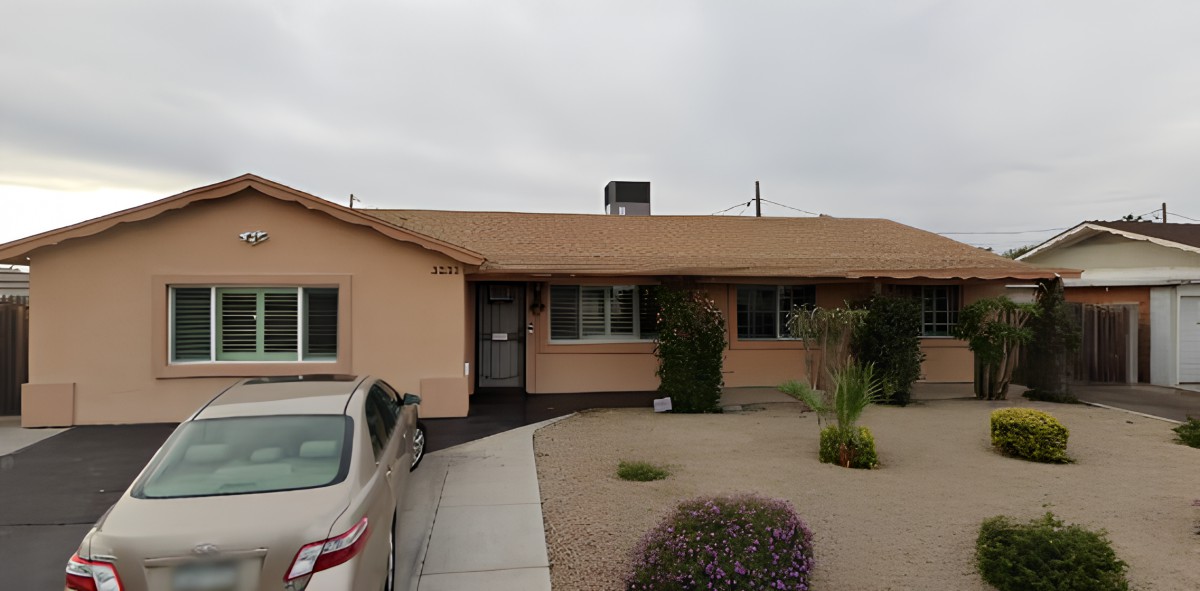
3231 West Thunderbird Road, Phoenix, AZ 85053
For more information about senior living options: (866) 208-4318

Overall Review of Coco's Assisted Living Home
Pros
 The staff at Coco’s is very caring and the service is the best.
- Coco’s Assisted Living Home is described as the best facility and a home away from home, with friendly, professional, and well-trained caregivers.
- The facility is sparkling clean, with a pleasant and relaxing environment, and the staff are friendly and polite.
- The home is very clean, and the staff are friendly and reliable.
- It is a loving and caring home where residents receive attentive care, and the home feels like family.
- The atmosphere at Coco’s Assisted Living Home is great; the staff are wonderful; the facility is perfectly clean; the resident’s room and dining area are nice.
Cons
 The staff were condescending and downright rude.
- Some staff made the couple feel as if they were inconveniencing them when they asked for anything.
- The reviewer doubted the legitimacy of the reviews, believing they were written by management over a year ago.
- The reviewer warned others to look elsewhere when considering placing a loved one.
Review
Coco's Assisted Living Home in Phoenix, AZ, is best suited for families seeking an intimate, home-like setting where daily life centers on warmth, personal attention, and straightforward, reliable communication. The community shines for seniors who prefer a small-scale, house-like environment over a traditional memory-care or large-operations model. Cleanliness, a comforting atmosphere, and caregivers described as caring, friendly, and well-trained are repeatedly cited as core strengths. It is particularly well-matched for residents who do not depend on constant clinical interventions and who value regular, predictable contact with staff and frequent family involvement as part of the care plan.
That said, this option may warrant alternatives for families with higher-acuity needs or a stronger demand for uniform, across-shift service. One reviewer raised a cautionary flag about staff attitudes, portraying condescension and a perception that requests were burdensome, and questioned whether earlier rave reviews accurately reflected ongoing operations. While others disagree vehemently, the possibility of inconsistent tone or responsiveness across shifts is a factor to consider. For residents requiring intensive clinical oversight, frequent medication management by licensed professionals, or a formal, institution-wide care coordination framework, larger or more medically oriented communities may be more appropriate.
The most compelling positives center on the homey environment and the caliber of frontline care. The facility’s cleanliness is repeatedly highlighted, with numerous accounts calling the space sparkling and inviting. Residents’ rooms and common areas, including the dining space, are described as pleasant, well maintained, and conducive to family visits. The staff themselves emerge as a major asset: described as friendly, reliable, and genuinely engaged in residents’ well-being. This combination, an atmosphere of comfort paired with consistently personable caregiving, underpins a sense of security for families that their loved ones are being treated with dignity and warmth.
The principal drawback surfaced in a single, divergent voice: a concern over staff demeanor and perceived inconvenience attached to requests for assistance. Such a perspective, though not universally shared, cannot be dismissed outright. It underscores the reality that even in well-regarded homes, the human element can produce a spectrum of experiences. The core risk is not the presence of a few tense moments, but the potential erosion of trust if concerns go inadequately addressed or if shifts produce inconsistent interactions. For families, this means due diligence is essential: one should observe how staff handle routine requests, how problems are resolved, and whether a clear path for escalation exists.
When weighed against the positives, the pros offer meaningful offset, especially in a setting where warmth, personal attention, and cleanliness translate into tangible peace of mind. The intimate scale of Coco’s fosters closer relationships between residents and caregivers, enabling more individualized routines and known preferences. In practice, families can leverage this by requesting a designated point person, reviewing care plans in regular intervals, and visiting at different times to assess consistency. Open lines of communication appear to be a hallmark; ensuring that expectations about responsiveness are aligned from the outset will help maximize the strengths while minimizing potential downsides.
In the end, Coco’s Assisted Living Home functions best for seniors who prize a cozy, family-like atmosphere, where staff are approachable, meals are cared for, and daily living feels personal rather than bureaucratic. It is an appealing choice for families prioritizing warmth, cleanliness, and meaningful caregiver engagement, provided that the resident’s care needs remain within the home’s scope and that robust, proactive communication is established. For those requiring more intensive clinical support, or for families who cannot tolerate even occasional lapses in staff attentiveness, exploring other communities, larger facilities, more formal governance, or more comprehensive medical staffing, will likely yield a better fit. The decision hinges on balancing cherished home-like comfort with the certainty of consistent, capable care across all shifts.
 9 resident community capacity
 Assisted Living
 Board and Care Home
 Respite Care
 Cable or satellite TV
 Dining room
 Fully furnished
 Garden
 Housekeeping services
 Move-in coordination
 Outdoor space
 Telephone
 Wi-Fi/high-speed internet available
 Phoenix Sky Harbor International (14 miles away)
 24-hour supervision
 Activities of daily living assistance
 Assistance with bathing
 Assistance with dressing
 Assistance with transfers
 Diabetes diet
 Meal preparation and service
 Medication management
 Special dietary restrictions
 Transportation arrangement (medical)
 Transportation to doctors appointments



 Comprehensive Supportive Living Arrangements for Adults with Disabilities
 Funding and Affording Assisted Living: A Thorough Overview
 Assisted Living Expenses and Long-Term Care Insurance: A Comprehensive Exploration