
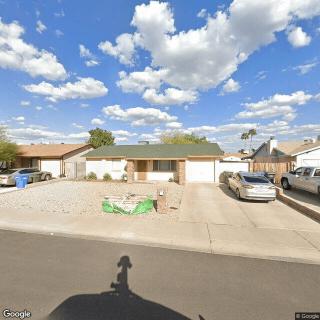
3426 West Angela Drive, Phoenix, AZ 85053
For more information about senior living options: (866) 208-4318
Overall Review of Artemis Adult Care Home
Pros
 Angel's Adult Group Home is described as very clean, cheerful, and staffed by caretakers who genuinely care about the residents.
- Abel is portrayed as a gracious person who celebrates each resident’s birthday and decorates for every holiday, uplifting both residents and visitors.
- The home is noted as well-run and like family, with residents in very good hands, according to the hospice.
- The caregivers are described as the most caring and attentive people, consistently delivering kind and loving care.
- The meals are well-balanced with dietary accommodations and special snacks and treats offered.
- The environment is quiet, clean, and peaceful, with residents engaged in conversation and treated with respect.
- Abel often shares videos with families, helping them stay connected and feel involved in their loved ones’ care.
Cons
 Sadly, Mom’s Parkinson’s has recently dramatically progressed and a decision was made to call in hospice.
- Six months ago, the reviewer’s brother-in-law sustained a serious brain injury; after being in three different hospitals and two rehab facilities, his diagnosis was deemed terminal and a more comfortable care home was recommended, along with hospice care.
Review
Artemis Adult Care Home in Phoenix is best suited for families seeking an intimate, home‑like setting where an older adult receives highly personalized, hands‑on care. The community shines for residents who respond well to close caregiver relationships, daily rituals, and a warm, family‑style atmosphere. Reviews describe a clean, cheerful environment, with staff who genuinely care and treat residents with respect, making celebrations, birthdays, and holidays feel meaningful rather than ceremonial. This is the type of setting where visitors feel welcomed, and where daily life centers on comfort, dignity, and personal connection rather than institutional formality.
Those who may want to consider alternatives are clear: this model is not ideal for residents with high medical acuity or those requiring extensive, 24/7 clinical oversight. A larger campus with on-site physicians, more robust rehabilitation programs, and structured medical management may be a better fit for people who need constantce medical supervision or whose needs extend beyond what a small group home can routinely provide. Families seeking a highly scheduled program with a broad array of on‑site activities and campus amenities may also prefer a larger, more resource‑rich setting.
The strongest pros center on the extraordinary level of individualized care and the home atmosphere. Residents benefit from consistent, attentive staff who treat them as family, not as a number. Meals are described as well‑balanced and adaptable to dietary needs, and the culture of celebration, decorating for holidays and acknowledging birthdays, adds meaningful everyday joy. The intimate environment supports frequent family contact, with caregivers coordinating closely with hospice teams when end‑of‑life care is appropriate, a factor many families value deeply. The transparent, personal communication, such as video updates, further strengthens trust and peace of mind for relatives who live far away.
These strengths offset the potential drawbacks of a small setting in practical, tangible ways. When care needs fluctuate, the close-knit team can respond quickly and with a level of attentiveness that is harder to achieve in a larger facility. The reduced bureaucracy often translates into calmer days for residents and more meaningful interactions with caregivers. Hospice collaborations are highlighted as especially supportive, ensuring comfort and respect at every stage. In short, the advantages of an intimate, purposefully homelike environment frequently compensate for any limits in formal programming or clinical depth.
However, the main caveat remains the capacity for high‑acuity medical management and the breadth of on‑site services. While the care team’s dedication is repeatedly praised, families should verify the facility’s ability to handle evolving medical needs, medication management, and emergency planning within its small framework. The art of this model lies in leveraging personalized attention, strong staff‑resident relationships, and external hospice or medical partners to cover gaps that a tiny campus cannot independently fill. For families comfortable with that approach, the trade‑offs are largely favorable.
In the end, Artemis stands out for families prioritizing warmth, individualized attention, and a genuinely homey life for their loved ones. It is a strong match for residents who flourish with daily companionship, regular celebrations, and consistent, compassionate caregiving, especially when hospice or palliative needs are likely. For those requiring extensive medical infrastructure, larger activity rosters, or more formal clinical oversight, it is wise to explore alternatives and compare staff ratios, medical capabilities, and continuity of care. Essential due diligence includes clarifying who oversees medications, how emergencies are managed, the typical staff‑to‑resident balance, and how care plans adapt as needs evolve. The right choice will hinge on aligning these practical realities with the resident’s health trajectory and personal preferences.
 10 resident community capacity
 Assisted Living
 Board and Care Home
 Respite Care
 Cable or satellite TV
 Dining room
 Fully furnished
 Garden
 Housekeeping services
 Move-in coordination
 Outdoor space
 Telephone
 Wi-Fi/high-speed internet available
 Phoenix Sky Harbor International (16 miles away)
 24-hour supervision
 Activities of daily living assistance
 Assistance with bathing
 Assistance with dressing
 Assistance with transfers
 Diabetes diet
 Meal preparation and service
 Medication management
 Special dietary restrictions
 Transportation arrangement (medical)
 Transportation to doctors appointments





 How and When Medicaid May Cover Assisted Living Costs
 A Detailed Exploration of Assisted Living Medicaid Waivers Across the United States
 Comprehensive Residential Support and Assisted Living Solutions for Individuals with Disabilities