
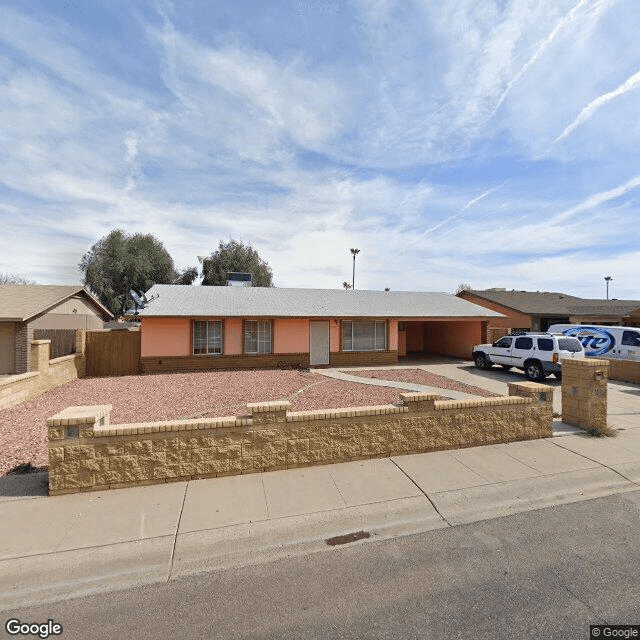
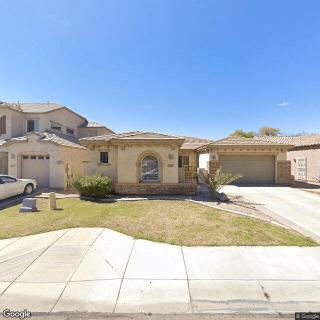
2949 N. 89th Avenue, Phoenix, AZ 85037
To contact a resident: (602) 487-3808
For more information about senior living options: (866) 208-4318
Angels Care Home Costs & Pricing
Angels Care Home offers competitive pricing for its residential care services, providing a semi-private room at $2,000 per month, which is significantly lower than the Maricopa County average of $2,801 and the state average of $2,820. For those seeking more privacy, a private room is available at $3,000 per month, again undercutting both the county's average of $3,318 and Arizona's state average of $3,345. This pricing structure not only highlights Angels Care Home's commitment to affordability in quality care but also makes it an attractive option for families looking to balance cost with compassionate support in a comfortable environment.
| Floor plans | Angels Care Home | Maricopa County | Arizona |
|---|---|---|---|
| Semi-Private | $2,000 | $2,801 | $2,820 |
| Private | $3,000 | $3,318 | $3,345 |
Senior living communities with a similar price nearby
-
About the same
Garcia's Assisted Living Home LLC
$2,000 / month14.1 miles away -
About the same
Martha Bonilla Care Loving Home
$2,000 to $2,200 / month24.5 miles away -
About the same
All Stars Assisted Living
$2,000 to $2,500 / month11.9 miles away -
About the same

Genesis Assisted Living Care Home
$2,000 to $2,500 / month24.8 miles away -
from +$200 / mo
Bent Tree Assisted Living
$2,200 to $3,200 / month17.4 miles away
Overall Review of Angels Care Home
Pros
 The reviewer is grateful for the place, noting it made a difficult time much easier to navigate.
- Ciara and her team are described as invaluable during the end of a loved one's life.
- The staff are caring and compassionate, organizing all appointments and worth every penny.
- The place is described as beautiful, with beautiful people.
- There is consistency in accountability, staffing, and professionalism.
- Angel Care Home is described as reliable when a father resided there.
Review
Angels Care Home is best suited for families seeking a small, intimate, and exceptionally compassionate living option where end-of-life or palliative needs are met with dignity, and care is organized with clear accountability. The setting feels homelike and welcoming, not clinical or impersonal, and staff members are seen as active partners in managing daily life and complicated appointments. This community excels for residents who value meaningful personal connections, steady, reliable staffing, and a hands-on approach to coordinating medical and logistical tasks. It is particularly strong for families that want a care partner who will stay involved, reassure relatives, and ease the overwhelming aspects of managing a loved one’s care.
Those who may want to explore alternatives are families whose priorities include expansive medical oversight, a broad spectrum of rehabilitative therapies, or a dedicated memory-care program. Larger assisted living campuses, especially those with 24/7 on-site nursing, more formal rehab corridors, or specialized wings, often deliver a greater breadth of clinical services and structured day programs. If a resident requires intensive round-the-clock medical management, frequent skilled therapies, or a robust activity calendar with varied therapeutic options, it makes sense to compare Angels Care Home against facilities with a longer track record of diverse clinical offerings and memory-care expertise.
The strongest pros here revolve around people and process. Families consistently highlight compassionate, attentive staff who take personal responsibility for care, and who go beyond routine tasks to support emotional well-being. The team’s reliability shows up in consistent staffing and professional conduct, which translates into less confusion during transitions and more predictable care patterns. Organization is another standout: staff members often take the reins on scheduling, coordinating outside appointments, and communicating clearly with families. In a setting where end-of-life considerations are front and center, this blend of warmth, accountability, and logistical fluency can transform an emotionally draining period into something far more manageable and humane.
However, the upside comes paired with a practical trade-off. The same intimate, home-like environment that delivers warmth and tight-knit attention can mean a narrower range of on-site services compared with larger facilities. Prospective residents should be comfortable with a care model that prioritizes personalized coordination and daily life support over an expansive clinical footprint. For families seeking aggressive rehabilitation, high-frequency clinical therapies, or specialized memory-care programming, the breadth and depth of services may feel limited. The question is whether the depth of compassion and the quality of coordination compensate for a lighter overall service menu.
To determine fit, prospective families should probe several specifics during tours and conversations. Ask about staffing ratios and how often caregivers are replaced or reassigned, especially for night shifts or weekends. Inquire about care-planning processes: who writes and updates care plans, how pain and symptom management are coordinated, and how promptly changes are communicated to families. Explore how the home handles transitions to higher levels of care, what kind of medical oversight is available on-site, and how emergency situations are managed after hours. And, importantly, verify the daily routine: what activities exist, how meals are structured, and how social and emotional needs are addressed in a setting known for its warmth.
The lived experiences captured in the reviews point to a clear takeaway: Angels Care Home delivers a rare blend of genuine compassion and practical reliability. Families describe it as a place where the end of life can be navigated with dignity, and where staff organize every appointment with care, reducing the burden on relatives. The consistent accountability and professional demeanor across caregivers further reinforce trust and stability. For families who prize a smaller, person-centered environment, with a strong emphasis on relationship-building and coordination, this community stands out as a high-confidence choice.
In the end, Angels Care Home is a strong, advisory-backed option for those prioritizing humane, well-coordinated care in a homelike atmosphere. It earns high marks for compassion, reliability, and practical support that eases family stress during delicate times. Those who require broader clinical programming, expansive rehabilitative options, or specialized memory-care services should to compare with larger operators to ensure all medical and therapeutic needs will be met. For the right resident, one who thrives on personal attention, predictable staffing, and coordinated care, the recommendation is clear: schedule a visit, ask the pointed questions, and observe how the team translates care into a steadier, more manageable daily life.
 Board and Care Home
 Activities on-site
 Bath tubs
 Beautician on-site
 Indoor common areas
 Outdoor common areas
 Private
 Private bathrooms
 Swimming pool / hot tub
 Wheelchair accessible showers
 Phoenix Sky Harbor International (14 miles away)
 Ambulatory care
 Diabetic care
 High acuity care
 Incontinence care
 Medication management
 Kosher



 Comprehensive Guide to Blood Pressure Charts for Older Adults: Understanding Normal and High Readings by Age
 Financing Long-Term Nursing Home Care Through Social Security: A Thorough Exploration
 Essential Knowledge on Pneumonia in Older Adults