
24707 North 93rd Drive, Peoria, AZ 85383
For more information about senior living options: (866) 208-4318
Overall Review of Whispering Wind Assisted Living
Pros
 Whispering Wind is a quiet, beautiful place to live with easy access to the lake and the Bradshaw Mountains nearby.
- The staff provide unparalleled care for residents with dementia and Alzheimer's, earning high praise from families.
- Whispering Wind offers a warm, home-like environment that feels like an extension of a family home.
- Bianca, Georgia, Rose, Cam, and Nick are patient, kind, and attentive caregivers who listen and personalize care.
- The facility is consistently clean and comfortable in the common areas, bedrooms, and bathrooms.
- Home-cooked meals are prepared with care, featuring variety and fresh ingredients, with special touches like homemade fudge.
- The staff respond promptly to questions and concerns, putting families at ease.
- Families describe Whispering Wind as a loving home where compassion, cleanliness, and communication are valued.
Review
Whispering Wind Assisted Living in Peoria is best suited for families seeking a warm, home-like setting for an elderly loved one who benefits from highly individualized attention, especially someone navigating dementia or Alzheimer’s, and for those who prize compassionate, day-to-day care delivered by a small, tightly knit caregiving team. The setting balances serenity with practical accessibility: easy access to the lake and the Bradshaw mountains, and convenient links to the 303 corridor and the Vistancia community. This combination yields a calm, non-institutional ambiance while maintaining a strong sense of personal service. For families prioritizing genuine warmth, visible caregiver devotion, and clean, comfortable spaces, Whispering Wind is a standout match.
Those who may want to consider alternatives tend to fall into a few categories. If the loved one requires high-acuity medical oversight around the clock, a larger community with on-site nurses and more formal clinical capabilities may be preferable. Likewise, families seeking a dense activity calendar, a broad spectrum of campus amenities, or a distinct memory-care wing with specialized programming might find a bigger operation better aligned with their expectations. Budget considerations also push some to explore other options; Whispering Wind’s intimate, personalized approach tends to align with a caregiving philosophy that may come with a higher per-resident cost than some larger facilities.
The strongest positives are deeply practical and intensely personal. Caregivers, staff led by Bianca, Georgia, Rose, Cam, and Nick, demonstrate steady patience, attentiveness, and genuine listening. Families report that care feels personalized rather than scripted, with staff taking time to understand individual routines, preferences, and needs. The environment itself reinforces the care story: clean, comfortable common areas and bedrooms, home-cooked meals that feature variety and freshness, and a home atmosphere that allows residents to feel valued and respected rather than corralled into a clinical setting. For families dealing with dementia, the consistency of routines and the caregiver-to-resident attention translates into fewer friction points and more predictable days.
These strengths offset potential downsides by translating care into observable, daily realities. The hands-on, responsive communication, especially Bianca’s quick responses to questions and concerns, helps families stay aligned with care plans and reduces anxiety about a loved one’s welfare. The intimate size fosters a sense of continuity: residents aren’t shuffled through a maze of staff; they develop relationships with caregivers who remember preferences, meals, and habits, including small but meaningful touches like homemade desserts and comfort foods. In practice, warmth, cleanliness, and reliable communication become a compensating strength, turning what could be a drawback in a smaller setting, limited staffing breadth, into a genuine competitive advantage.
Operationally, Whispering Wind benefits from its setting and its people. The facility feels like a true home, not a hospital, and that tone matters for dementia care where comfort and familiarity influence behavior and mood. The location, quiet and scenic, with easy route access, facilitates family visits and outdoor experiences, while the staff’s backgrounds underscore a readiness to respond to common elder-care scenarios. The meals, cleanliness, and daily routines reinforce a sense of normalcy and dignity. For families weighing the decision, these practical advantages, tangible cleanliness, flavorful meals, consistent leadership by the care team, and a visible emphasis on respectful, person-centered care, are not mere niceties; they are foundational determinants of day-to-day well-being.
The bottom line is clear: Whispering Wind stands out as a compassionate, well-run choice for seniors who want a home environment with highly attentive, individualized care, particularly when dementia support is a priority. It is less suited for those requiring heavy medical support, large-scale activity programming, or formal memory-care infrastructure. Prospective families should focus on concrete confirmables: meet the caregiving team, observe interactions with residents, review care plans for dementia management, sample meals, and assess the consistency of cleanliness and safety in living spaces. A visit should also probe how staff communicate changes in health or behavior and whether families feel promptly included in decisions. For those seeking a genuine, hands-on, family-like approach to assisted living, Whispering Wind delivers with confidence and care.
 10 resident community capacity
 Assisted Living
 Cable or satellite TV
 Dining room
 Fully furnished
 Garden
 Housekeeping services
 Move-in coordination
 Outdoor space
 Telephone
 Wi-Fi/high-speed internet available
 Phoenix Sky Harbor International (25 miles away)
 24-hour supervision
 Activities of daily living assistance
 Assistance with bathing
 Assistance with dressing
 Assistance with transfers
 Diabetes diet
 Meal preparation and service
 Medication management
 Special dietary restrictions
 Transportation arrangement (medical)
 Transportation to doctors appointments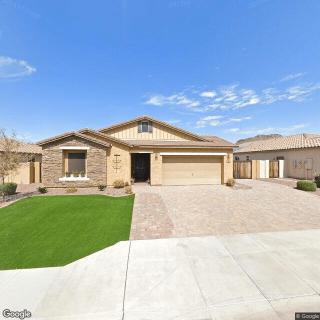





 8 Key Indicators That Suggest It May Be Time to Transition from Assisted Living to Skilled Nursing Care
 Vibrant Senior Living: A Comprehensive Guide for Active Older Adults
 When to Transition from Assisted Living to Memory Care: Key Indicators, Steps, and Finding the Right Community