
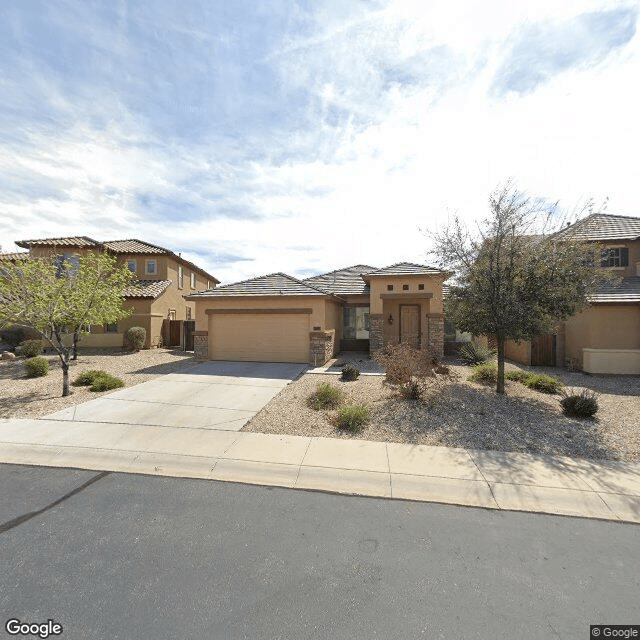
7183 W Lone Tree Trail, Peoria, AZ 85383
To contact a resident: (480) 694-7824
For more information about senior living options: (866) 208-4318
Sonoran Assisted Living Costs & Pricing
Sonoran Assisted Living offers competitive pricing compared to the broader market in Maricopa County and across Arizona. For a semi-private room, residents can expect to pay $1,600 per month, significantly lower than the county average of $2,801 and the state average of $2,820. Those opting for a private room will find similarly attractive rates at $2,000 per month, well below both the county's average of $3,318 and the state's average of $3,345. These cost-effective options not only provide residents with comfortable living arrangements but also allow families to manage their budgets more effectively without compromising on care quality.
| Floor plans | Sonoran Assisted Living | Maricopa County | Arizona |
|---|---|---|---|
| Semi-Private | $1,600 | $2,801 | $2,820 |
| Private | $2,000 | $3,318 | $3,345 |
Senior living communities with a similar price nearby
-
from +$200 / mo
Lory's Care Home
$1,800 to $2,500 / month6.2 miles away -
from +$300 / mo
Young Life Assisted Living I
$1,900 to $2,500 / month17.0 miles away -
from +$275 / mo
Marybela's Loyal Care
$1,875 to $3,010 / month16.0 miles away -
from +$300 / mo
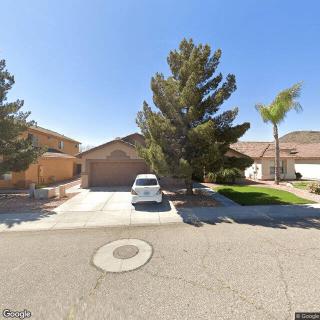
Suntown Assisted Living Home
$1,900 to $2,400 / month7.1 miles away -
About the same
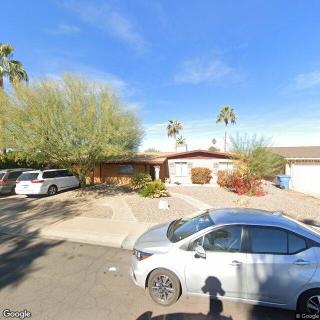
Maria's Garden Of Eden
$1,600 to $1,800 / month13.6 miles away
Overall Review of Sonoran Assisted Living
Pros
 Ligia goes above and beyond with her residents at her care home.
- Ligia has a beautiful home and provides great care.
- Ligia is a trusted go-to for clients needing assistance with care.
- The Coman Family provided the best experience for a client's mother, taking very good care of her and being attentive to her and others under their roof.
- They are very professional and maintain a family-like atmosphere.
- They are a reliable choice for families seeking care for a loved one.
Review
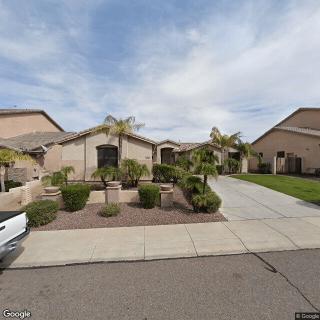
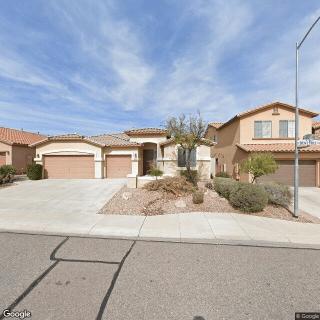
Sonoran Assisted Living in Peoria is best suited for families seeking a truly intimate, home-like setting where care feels personal, hands-on, and deeply attentive. The operators run a small, family-style operation in a beautiful residence, delivering resident-centered service rather than a clinical campus experience. This environment is ideal for seniors who need help with daily tasks, value consistent presence, and want a caregiver who knows their routine and preferences. Families prioritizing warmth, dignity, and a professional yet familial approach will find alignment here, with staff members who treat residents as part of the family rather than as a number.
Those weighing alternatives should consider what happens when medical complexity or formal programming become dominant needs. For residents requiring high-level medical management, advanced memory-care programming, or a larger ecosystem of on-site therapies and activities, a bigger community may be a better fit. The small-home model naturally concentrates resources, which can limit on-site nursing coverage, scheduled therapies, and a broader activity calendar. In short, the setting excels in personal attention; it may fall short for families seeking campus-style programming, extensive clinical oversight, or a wide array of structured enrichment options.
The strongest pros align with the care philosophy described in the reviews: Ligia (the driving force behind the home) delivers care that goes beyond routine expectations, and the environment conveys a professional, yet family-like atmosphere. Residents benefit from a caregiver who appears to know every resident’s preferences, quickly responding to needs, and maintaining a calm, respectful pace that honors dignity. The home setting itself reinforces these strengths, yet it is the tangible attentiveness and consistent presence that turn daily routines into meaningful experiences, reducing the isolation that can accompany aging and caregiving.
These advantages offset potential drawbacks in meaningful, practical ways. The intimate scale means staff can personalize meals, routines, and social interactions, and families often report a strong sense of trust and reliability. The professional handling, and the “one of us” feel, shorten the gap between home life and formal care. While activity breadth and medical oversight may be more limited than in larger communities, the depth of human connection and the ability to adapt to individual rhythms can produce a higher quality of daily life for residents who thrive on regular, predictable engagement and a warm, responsive caregiver presence.
Prospective families should still scope out key logistics to ensure a seamless fit. Important questions include how staffing levels fluctuate across shifts, what medical oversight is available on-site, and how medications and emergencies are managed. Clarify the daily activity schedule, opportunities for socialization, and whether the home can accommodate evolving care needs (including memory-care considerations). Inspect safety features, accessibility, and meal planning to confirm alignment with personal preferences and dietary requirements. Asking for current family references and verifying licensing status will illuminate day-to-day realities beyond glowing impressions.
Ultimately, Sonoran Assisted Living offers a compelling choice for those who prize a home-centered, personable caregiving approach. The combination of a beautiful residence, hands-on leadership by Ligia, and a consistently professional, family-like culture creates an environment where residents can feel seen, safe, and engaged. For families whose priority is intimate attention and steady, compassionate daily care, this community stands up tall against larger options. If, however, the decision hinges on robust clinical programming, extensive on-site therapies, or specialized memory-care infrastructure, it pays to compare alternatives thoroughly and visit with a critical eye to ensure the chosen setting meets all anticipated medical and social needs.
 Board and Care Home
 Activities off-site
 Bath tubs
 Beautician on-site
 Devotional services off-site
 Indoor common areas
 Outdoor common areas
 Private
 Private bathrooms
 Respite or short term stays offered
 Wheelchair accessible showers
 Ambulatory care
 Diabetic care
 High acuity care
 Incontinence care
 Kosher
 Christian services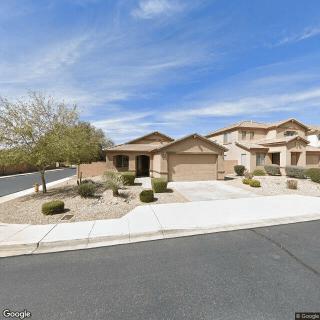


 Navigating the Tax Landscape of Caregiving: Credits, Deductions, and Beyond
 Highly Beneficial Low-Impact Exercises for Senior Living Residents
 Is In-Home Healthcare Tax Deductible? Your Comprehensive Guide