
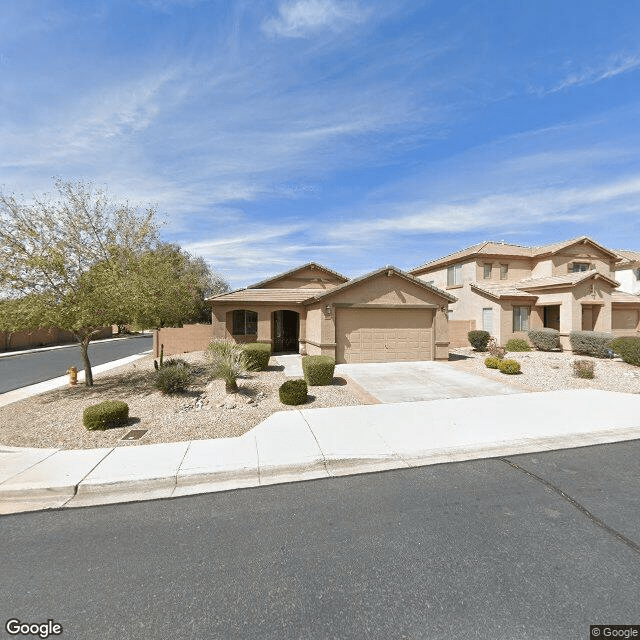
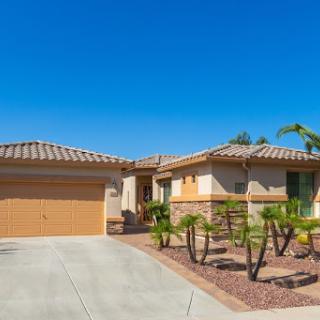
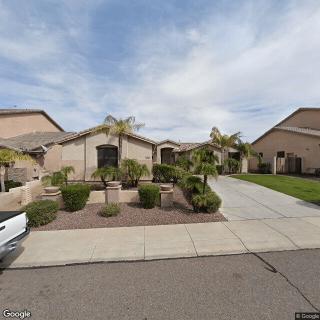
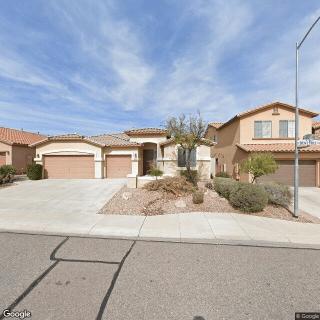
6758 West Blackstone Lane, Peoria, AZ 85383
For more information about senior living options: (866) 208-4318
A Distinguished Touch Adult Care Costs & Pricing
A Distinguished Touch Adult Care offers competitive pricing for its services compared to both Maricopa County and the broader state of Arizona. For a semi-private room, the monthly cost is $1,800, significantly lower than the county's average of $2,801 and the state average of $2,820. Similarly, a private room at A Distinguished Touch is priced at $2,200, in contrast to Maricopa County's $3,318 and Arizona's state rate of $3,345. The one-bedroom option also stands out at $2,400, well below the county's average of $3,473 and the state's typical cost of $3,532. These figures not only reflect a commitment to affordability but also highlight A Distinguished Touch Adult Care's dedication to providing quality care at accessible prices for families in need.
| Floor plans | A Distinguished Touch Adult Care | Maricopa County | Arizona |
|---|---|---|---|
| Semi-Private | $1,800 | $2,801 | $2,820 |
| Private | $2,200 | $3,318 | $3,345 |
| 1 Bedroom | $2,400 | $3,473 | $3,532 |
Memory care communities with a similar price nearby
-
from +$200 / mo
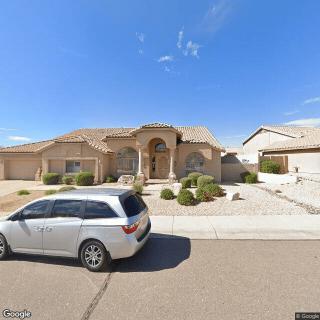
Tatum Ranch Assisted Living
$2,000 to $3,000 / month13.4 miles away -
from +$200 / mo
Arrowhead Shore Senior Living, LLC
$2,000 to $3,000 / month8.7 miles away -
from +$200 / mo

All Care Assisted
$2,000 to $2,500 / month14.2 miles away -
from +$100 / mo

Maravilla Scottsdale
$1,900 to $6,130 / month17.9 miles away -
from -$210 / mo

Westminster Village
$1,590 to $2,045 / month21.2 miles away
Overall Review of A Distinguished Touch Adult Care
Pros
 The facility was the best choice for his father-in-law.
- The staff is very nice and friendly.
- He eats when he wants, and he is eating healthy food.
- The community is always clean and looking good.
- The mom loves it there, and the family has peace of mind that she is cared for from morning to night.
- The home is very comfortable, and the mom feels very relaxed and eats well.
- Amalia, who runs the facility, is doing great.
- The facility has been working well, and the resident is doing excellent.
Review
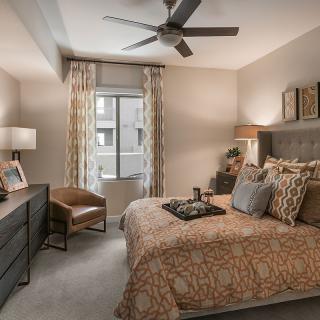
A Distinguished Touch Adult Care in Peoria, AZ is best suited for families seeking a warm, home-like assisted living option that prioritizes personalized attention, flexible dining, and a clean, comfortable living environment. It works particularly well for residents who value predictable routines, direct relationships with caregivers, and the dignity of daily independence within a supportive framework. The setting favors those who want to feel seen and cared for rather than treated as a checklist, with a quiet atmosphere and a straightforward care model aimed at everyday comfort, good meals, and a sense of belonging.
Those evaluating alternatives should note that residents with more demanding medical needs may want to compare options. If 24/7 on-site nursing support, specialized memory-care programming, or a broader calendar of structured activities are essential, larger campuses or facilities with dedicated dementia units may be more appropriate. This community excels in personal touch and comfort, but families should align expectations with the level of clinical oversight and program depth required by the residentā€™s health status.
The strongest draw lies in the staff and the lived experience day to day. The team is consistently described as friendly and approachable, creating a welcoming, trusting environment where caregivers know each resident well. Meal flexibility stands out, residents can eat when they want, yet the kitchen still delivers healthy, well-prepared options. The environment itself is noted for cleanliness and a homey feel, which helps reduce stress and supports dignity. Leadership, exemplified by Amalia, is seen as competent and steady, providing a reliable anchor for families who want reassurance that routines and safety are prioritized from morning through evening.
There are legitimate questions families should consider, even amid strong impressions. The reviews do not detail formal medical supports, rehabilitation services, or a transparent care-planning framework, which leaves room for doubt about how acute needs would be handled if health circumstances shift. The size and scope implied by an intimate home setting may limit on-site programming or access to specialists that larger facilities offer. There is no explicit memory-care designation mentioned, so families evaluating dementia-related needs should test whether current programming can adapt. Price and what exactly is included in care plans are not disclosed in the anecdotes, necessitating direct inquiry for a complete view.
Still, the positives largely offset these potential drawbacks when the match is right. For residents who flourish with consistent caregivers and a calm, predictable rhythm, the personalized attention and stable leadership translate into tangible safety and satisfaction that larger campuses sometimes struggle to sustain. The flexible dining, combined with a clean, comfortable home atmosphere, supports better nutrition and overall well-being, important factors for daily quality of life. The peace of mind conveyed to families, knowing someone reliable is overseeing care from dawn to night, often outweighs the absence of a branched medical continuum, so long as clinical needs remain manageable within the setting.
Bottom line: A Distinguished Touch Adult Care is a strong, practical choice for Peoria families prioritizing warmth, independence within support, and dependable daily care in a compact, home-like environment. It is especially well-suited for residents who thrive on attentive staffing and flexible meals without the bustle of a larger campus. Prospective movers should plan a tour with a clear checklist focused on staffing patterns, daily care routines, and what happens if health needs escalate, including medication management and 24/7 availability. If a resident requires intensive medical oversight or dementia-focused programming, consider alternatives; otherwise, this community offers a trustworthy, low-stress path to comfortable aging with reliable support.
 5 resident community capacity
 Assisted Living
 Board and Care Home
 Day Program
 Memory Care
 Respite Care
 Beautician on-site
 Cable or satellite TV
 Dining room
 Fully furnished
 Garden
 Housekeeping services
 Indoor common areas
 Move-in coordination
 Outdoor common areas
 Private
 Telephone
 Wheelchair accessible showers
 Wi-Fi/high-speed internet available
 Phoenix Sky Harbor International (25 miles away)
 24-hour supervision
 Ambulatory care
 Assistance with bathing
 Assistance with dressing
 Assistance with transfers
 Diabetes diet
 Diabetic care
 Incontinence care
 Meal preparation and service
 Medication management
 Special dietary restrictions
 Transportation arrangement (medical)
 Transportation to doctors appointments


 Understanding Dementia Through Its Seven Stages: A Comprehensive Look at Progression and Expectations
 Safeguarding Your Memory Through the Golden Years: Eight Ways to Preserve Cognitive Health
 Comprehensive Insights into Activities of Daily Living (ADLs) and Their Assessment